Your Dive Compass
- Gearing Up: Your Underwater Life Support System
- The Core Skills: From the Pool to the Open Water
- The Safety Toolkit: Skills You Hope to Never Use (But Must Know)
- Putting It All Together: The Anatomy of a Good Dive
- Common Questions (And Real Answers) About Basic Diving Techniques
- The Path Forward: After You've Mastered the Basics
Let's be honest. The first time you think about scuba diving, it's equal parts excitement and pure, unadulterated fear. I remember staring at all that gear during my first pool session, thinking, "There is no way I'm going to remember how to use all this." The regulator, the BCD, the weights—it looked more complicated than piloting a small aircraft. But here's the secret nobody tells you upfront: mastering basic diving techniques isn't about being a superhero. It's about learning a simple set of skills that let you move and breathe comfortably in a new world.
It's more like learning to ride a bike than performing brain surgery. Clunky at first, then suddenly it clicks. This guide is here to demystify that process. We're going to walk through everything, from the moment you strap on a tank to the key skills that keep you safe and having fun sixty feet below the surface. Forget the jargon-heavy manuals. Let's talk about what you actually need to know.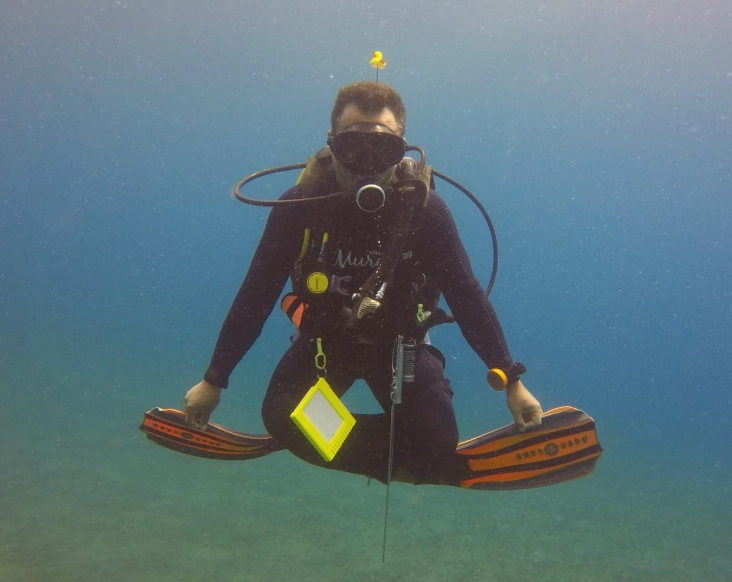
Gearing Up: Your Underwater Life Support System
Before you can practice a single basic diving technique, you need to be friends with your gear. This isn't just stuff you wear; it's your mobile life support system. Understanding what each piece does—and why it matters—turns a pile of equipment into a trusted toolkit.
The Big Five Pieces of Scuba Gear
Every diver uses the same core setup. Knowing them by name and function is your first real step.
The regulator is the heart of the system. It takes high-pressure air from your tank and delivers it to you on demand, at a breathable pressure. The second stage is what you put in your mouth. The alternate second stage (the "octopus") is your buddy's backup. The inflator hose connects to your BCD. It looks complex, but its job is beautifully simple: give you air when you inhale.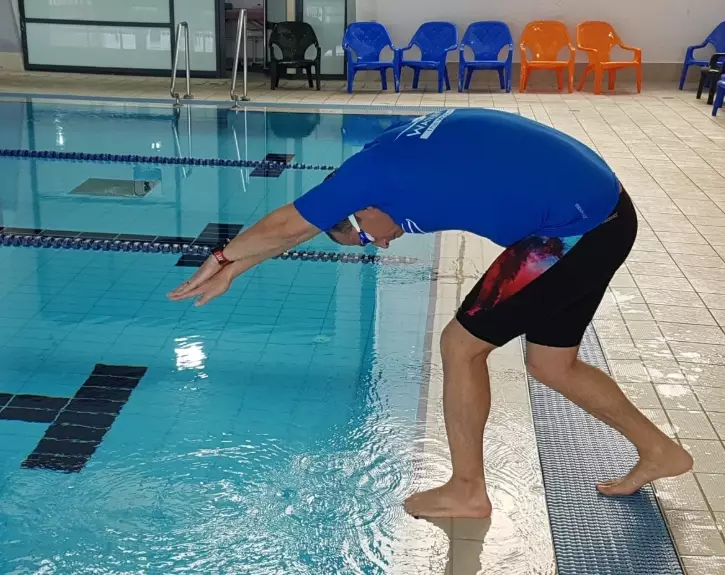
Then there's the BCD—Buoyancy Control Device. Jacket, back-inflate, wing… styles vary. Its jobs are to carry your tank, let you float at the surface, and most importantly, control your buoyancy underwater. The power inflator button adds air from your tank; the dump valves let it out. Mastering the BCD is 50% of mastering basic diving techniques.
Let's not forget the tank and weights. The tank holds the air. Weights offset the natural buoyancy of your body and wetsuit. Getting this balance wrong is the number one cause of rookie struggles—sinking like a stone or fighting to get down.
The Core Skills: From the Pool to the Open Water
This is where the rubber meets the road—or rather, where the fin meets the water. Your certification course will drill these skills. Don't just go through the motions. Understand *why* you're doing them. They're not arbitrary tests; they're solutions to real problems you'll face.
Breathing Underwater: The Mental Hurdle
The first rule of scuba diving: never hold your breath. Ever. Breathing compressed air at depth and holding it while ascending can cause lung overexpansion injuries, which are serious. The habit you need is slow, deep, continuous breathing. In through the mouth, out through the mouth. It conserves air, keeps you calm, and is the foundation of good buoyancy.
Your first breaths on the regulator will feel weird. Mechanical. Noisy. That's normal. Focus on the rhythm, not the sound. Before you know it, it becomes as natural as breathing on land. This is the first and most fundamental of all basic diving techniques.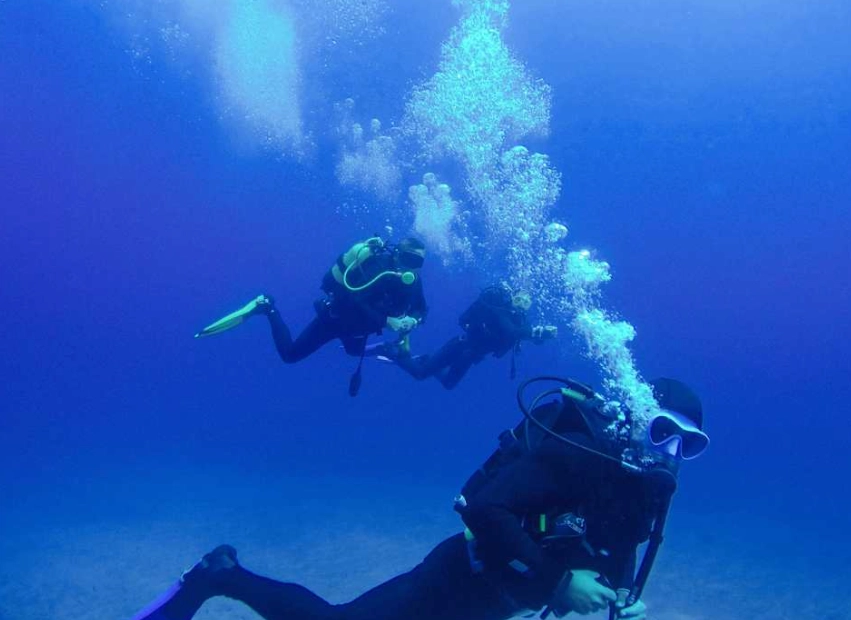
Clearing Your Mask (Yes, It Will Flood)
Water will get in your mask. A stray kick from a buddy, a loose strap, just looking up. Panicking is the wrong move. The skill is simple: look slightly up, press the top of the mask frame to your forehead, and exhale firmly through your nose. The air from your nose pushes the water out the bottom seal.
Practice this in chest-deep water until it's boring. The confidence of knowing you can clear a fully flooded mask without coming up is huge. It transforms a potential crisis into a minor nuisance.
Equalizing Ear and Sinus Pressure
This stops more first dives than anything else. As you descend, water pressure increases, compressing the air spaces in your ears and sinuses. You have to add air to equalize the pressure. The key? Start early and do it often.
Pinch your nose and gently try to blow out through it (the Valsalva maneuver). You'll feel a "pop" in your ears. Do this before you feel any pain. Descend foot by foot, equalizing constantly. If it hurts, stop your descent, go up a foot, and try again. Forcing it can cause barotrauma.
Mastering Buoyancy Control: The Holy Grail
Good buoyancy is what separates the new diver from the competent one. It's the skill that makes you weightless, lets you hover motionless over a coral head, and prevents you from crashing into the reef. Bad buoyancy has you flailing, kicking up sand, burning through air, and being a hazard to the environment.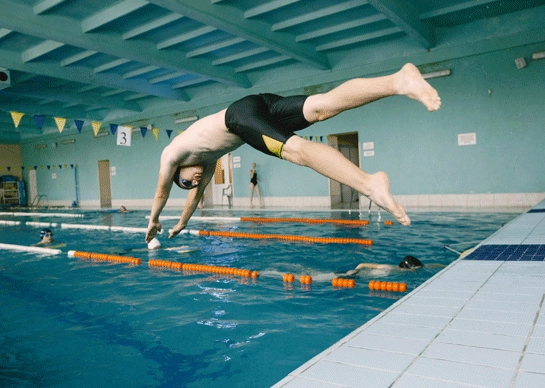
It's a three-way balance act: 1. Weights: You should be neutrally buoyant at your safety stop depth (15 feet/5 meters) with an almost empty tank. If you're too heavy, you'll over-inflate your BCD to compensate, making you unstable. 2. BCD: Use tiny bursts of air. Add a little to ascend, let a little out to descend. Your lungs are your fine-tuner. A deep breath lifts you; a full exhalation sinks you slightly. 3. Breathing: This is your primary buoyancy control. Use your breathing rhythm to make micro-adjustments.
The best way to learn? The hover. In the pool or calm open water, get neutrally buoyant mid-water. Then try to stay perfectly still, using only your breath. It's harder than it sounds, but when you nail it, you've unlocked the magic.
Finning Techniques: Moving Efficiently
You don't run underwater; you fin. The standard flutter kick is fine for surface swimming, but it can stir up sediment and uses a lot of energy. For most basic diving techniques underwater, the modified flutter kick (from the hips with bent knees) or the frog kick is better.
The frog kick is a game-changer for buoyancy and reef conservation. It's a slow, powerful thrust from a bent-leg position that propels you forward without churning the water below you. It takes practice but reduces fatigue and keeps the visibility clear for you and the diver behind.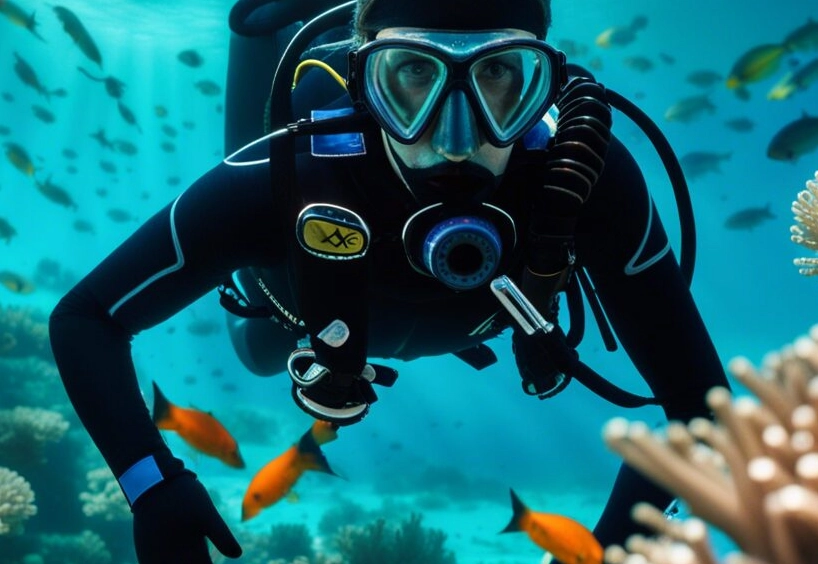
The Safety Toolkit: Skills You Hope to Never Use (But Must Know)
These aren't just skills for the test. They are your emergency protocols. Drilling them builds muscle memory so if something ever does go sideways, your body knows what to do before your brain has time to panic.
| Emergency Skill | What It Solves | Key Point |
|---|---|---|
| Regulator Recovery | You drop the regulator from your mouth. | Sweep your arm back and down to find the hose. Exhale a small burst of air to clear water before inhaling. |
| Alternate Air Source Use | You're out of air. Your buddy has a spare (octopus). | Signal, locate their alternate, make physical contact, and ascend together under control. |
| Controlled Emergency Swimming Ascent (CESA) | Out of air with no buddy immediately nearby. | Look up, keep your regulator in, exhale a continuous "Ahhh" sound as you swim to the surface to prevent lung overexpansion. |
| Weight Ditch | You need positive buoyancy now (e.g., at the surface in rough water). | This is a last resort. Know where your quick-release is. Practice the motion on land. |
Let's talk about the CESA for a second. It sounds dramatic. In reality, if you're paying attention to your air, you should never need it. But practicing it removes the terror from the concept. Swimming up from 30 feet while making a noise teaches your body that an ascent without air is a controlled procedure, not a blind panic. It's a huge confidence builder.
Putting It All Together: The Anatomy of a Good Dive
So you know the individual basic diving techniques. How do they flow together on an actual dive? Here's the blueprint for a smooth, safe, enjoyable experience from start to finish.
Pre-Dive: The Planning Stage
This happens on the boat or shore. Agree on a plan with your buddy: maximum depth, dive time, general direction, hand signals, and what to do if you separate. Check the conditions. Do the full BWRAF gear check. This planning phase is what makes the dive itself relaxed.
The Descent
Signal "OK" and "Descend." Deflate your BCD completely. Start equalizing immediately. Use the anchor or mooring line if there is one—it helps control your descent rate. Go slow. Look at your buddy. Get neutrally buoyant a few feet above the bottom. Never just drop onto the reef.
The Dive Itself
This is the fun part. Maintain neutral buoyancy. Breathe slowly. Check your air and depth gauges regularly (every few minutes). Stay close to your buddy, at least within visual contact. Use your fins efficiently. Look around, not just down. Enjoy it! The basic diving techniques are now on autopilot, letting you experience the dive.
A quick note on air management: The rule of thumb is to turn the dive and start heading back when you reach half your starting tank pressure. This reserves half for the return, your safety stop, and any unexpected delays.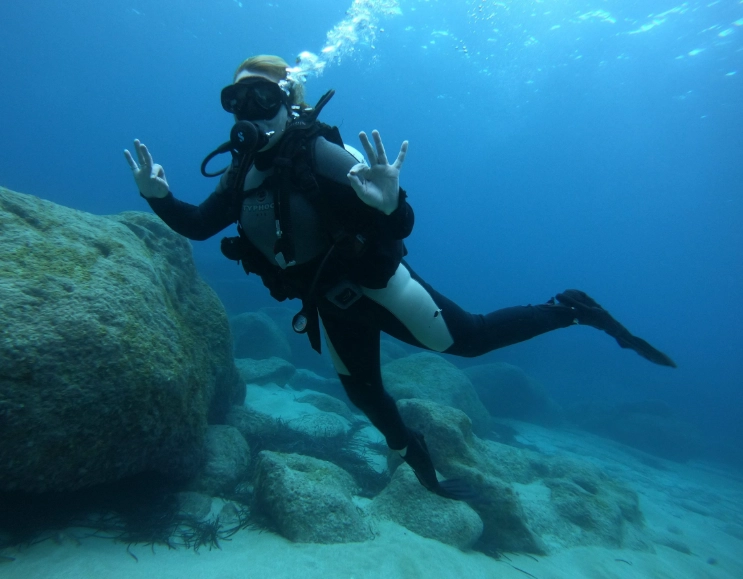
The Ascent and Safety Stop
This is non-negotiable. Ascend slower than your smallest bubbles. For dives below 30 feet, make a safety stop at 15 feet for 3 minutes. Hang there, holding your buoyancy. This allows your body to off-gas excess nitrogen, significantly reducing decompression sickness risk. It's also a great moment to just relax and look up at the surface light.
The Exit
Surface, inflate your BCD so you can float comfortably. Signal "OK" to your buddy and the boat. Swim back on the surface using your snorkel to save tank air. Pass your fins up before climbing the ladder. Sounds simple, but I've seen more tired divers faceplant trying to climb a ladder with fins on.
Common Questions (And Real Answers) About Basic Diving Techniques
Let's tackle some of the stuff people are too embarrassed to ask in class but secretly Google at 2 AM.
The Path Forward: After You've Mastered the Basics
Getting certified is just the beginning. Your basic diving techniques are your foundation. To build on them, consider these logical next steps:
- Go diving! Nothing improves your skills like repetition. Do easy, shallow dives to build comfort and muscle memory.
- Take a Peak Performance Buoyancy specialty course. It's often the single most valuable course after open water. It focuses entirely on that holy-grail skill.
- Practice in a pool. Seriously. Rent gear for an hour and just hover, practice fin pivots, do mask clears. Low-stress environment, huge payoff.
- Find a local diving community. Dive clubs or shop-organized trips are great for meeting buddies and gaining experience.
The core set of basic diving techniques you learn in your Open Water course is remarkably complete. They are the essential verbs of the underwater language. You don't need to learn a hundred more skills to have incredible adventures. You just need to get really, really comfortable with these core ones. Make them second nature. Then, the ocean isn't a challenge to be conquered; it's a place to be explored, one calm, controlled breath at a time.
It all comes down to this. Trust the process, trust your training, and most importantly, trust yourself. You've got this.
Your comment