Quick Navigation
- Before You Leap: The Foundation of a Good Dive
- The Racing Start: Where Power Meets Precision
- The Magic Happens in the Air: Body Position and Entry
- Fixing What Goes Wrong: Common Dive Mistakes
- Building Your Dive: A Practice Plan That Actually Works
- Beyond the Pool: Safety and Rules You Can't Ignore
- Answering Your Dive Questions
Let's be honest. For a lot of swimmers, the dive is the most nerve-wracking part. You're standing there on the block, the water looks far away, and all you can think is "don't belly flop." I've been there. I remember my first competitive dive – more of a frantic leap than a technique – and the sting of a not-so-perfect entry. It's a universal experience. But here's the good news: mastering diving techniques in swimming isn't some mystical art. It's a set of learnable skills that can shave seconds off your time and, more importantly, make swimming way more fun and way less painful.
Think about it. A powerful, clean dive gives you instant momentum. You're already moving fast before you even take your first stroke. A bad dive? You fight to regain speed, your rhythm is off, and you might even take in a noseful of water. Not ideal. This guide is here to break down everything, from the absolute basics of just getting in the water safely to the finer points of a competitive start. We'll talk about the why and the how, and I'll share some of the mistakes I made (and see all the time) so you can avoid them.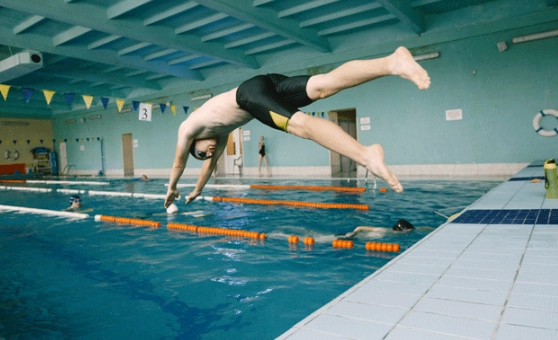
Before You Leap: The Foundation of a Good Dive
You can't run before you can walk, and you can't execute a racing start before you're comfortable just entering the water headfirst. This first step is crucial, especially for beginners or anyone who feels that little ping of fear. It's where all diving techniques in swimming truly begin.
The Standing Dive (The Bread and Butter)
This is your foundational skill. Forget the blocks for now. Start at the pool's edge, feet together. The goal is to get your body into a tight, streamlined position before you hit the water.
Here’s how I teach it: Stand with your arms straight up by your ears, biceps squeezing your head. Really squeeze. Now, bend at the waist, pointing your fingers towards the water. This is key – you lead with your hands, not your head. Your head should be tucked between your arms, looking down at the pool bottom, not out at the horizon. When you're ready, you don't jump up, you push forward with your toes and let your weight carry you in. Your body should follow the path your fingertips started.
A common mistake is looking up or out. Your body follows your eyes. Look up, and your chest and hips will drop, leading to a painful smack. Keep that chin tucked to your chest. Another one is the "starfish" entry – arms and legs splayed out. That creates a huge amount of drag and splash. The goal is to cut through the water like a knife, not a pancake.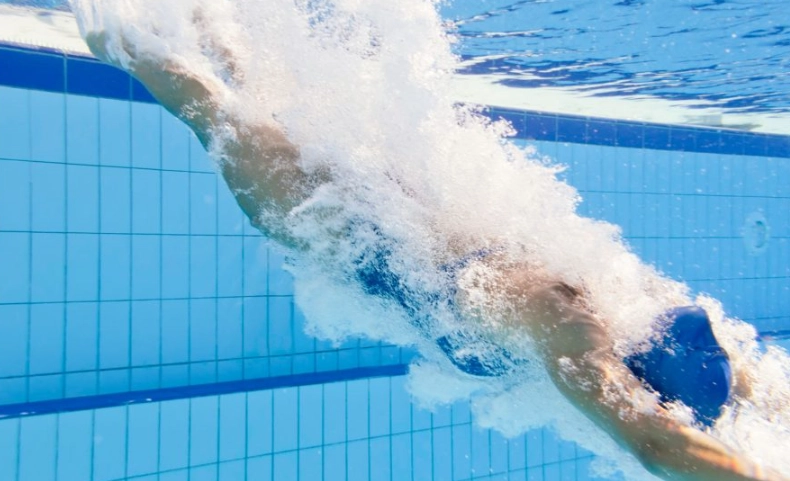
The Racing Start: Where Power Meets Precision
Okay, you're comfortable with the standing dive. Now let's add the power of a starting block. This is where diving techniques in swimming get sport-specific. There are two main types you'll see: the grab start and the track start. Which one is better? It honestly depends on the swimmer. I preferred the track start for stability, but some explosive swimmers swear by the grab.
The Grab Start
In this start, your feet are together at the front of the block, toes curled over the edge. You bend down and, as the name suggests, grab the front of the block with your hands. On the signal, you pull yourself forward with your arms while pushing explosively with your legs. It's a very powerful, forward-focused motion.
The upside? It can generate tremendous forward drive. The downside? It requires excellent timing and core strength. If your pull and push aren't synchronized, you can end up a bit off-balance. It's a great technique for shorter sprints where that initial burst is everything.
The Track Start
This is the more common start you'll see today, and it's my personal recommendation for most swimmers learning advanced diving techniques in swimming. One foot is at the front of the block (toes gripping the edge), and the other foot is set back, near the rear of the block. It looks like a sprinter in the blocks – hence the name.
Your hands can be in front of you, or you can hold the block with your front foot's hand. On "take your mark," you lower your hips, weight distributed between both legs. On the start signal, you drive off with both legs, but the rear leg provides a powerful second push. The big advantage here is stability. Having your feet apart gives you a much more balanced platform, which can lead to more consistent starts, especially under pressure. It also allows for a quicker reaction time off the blocks for some people.
Which one should you choose? Try both. Spend a few sessions practicing each. See which one feels more natural, which one gives you a stronger, cleaner push. There's no single right answer, despite what some coaches might insist. Your body will tell you.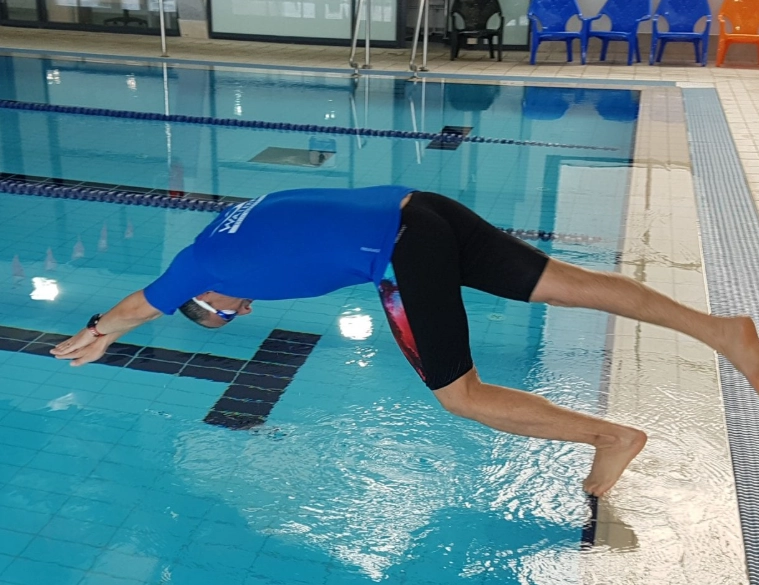
The Magic Happens in the Air: Body Position and Entry
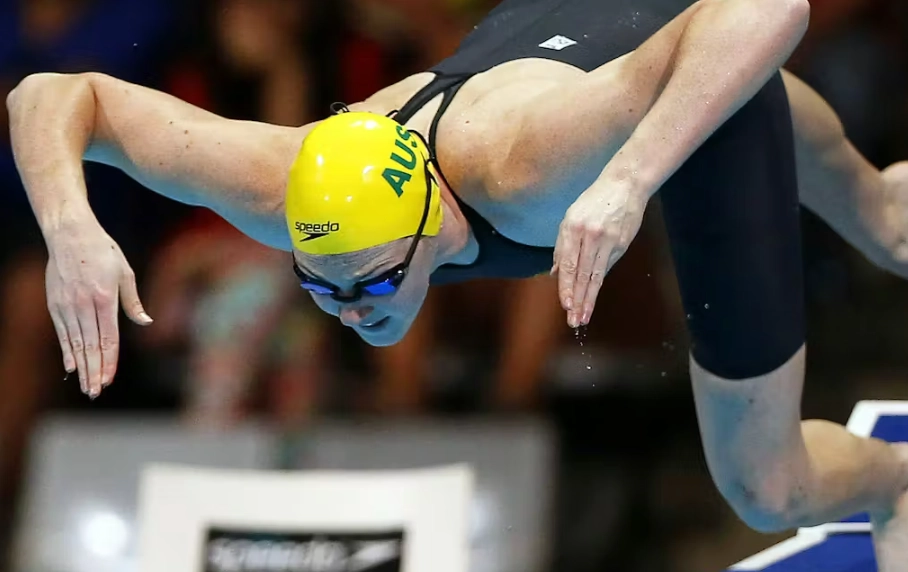
This is the part most people forget to practice. You launch off the block... and then what? You're flying. What you do in that split second determines your entry. The goal is to get your body into a long, straight line, angled to enter the water through a single, small hole.
After you push, your arms should immediately snap back into that super-tight streamline position. Head tucked, arms squeezing ears. Your body should be straight, but with a slight arc. You don't want to be flat like a board parallel to the water – that's a belly flop waiting to happen. You want a slight angle, so you enter fingertips first, then head, then shoulders, then hips, then legs, all through the same spot your fingers pierced.
A great drill for this is to practice diving over a pool noodle or a lane rope placed a few feet out from the wall. The objective is to clear the obstacle and enter the water cleanly beyond it. It forces you to get that upward and outward trajectory. If your dive is too flat, you'll hit the rope.
Fixing What Goes Wrong: Common Dive Mistakes
We all make mistakes. I've seen (and done) them all. Let's diagnose some common problems. Recognizing the error is the first step to fixing it.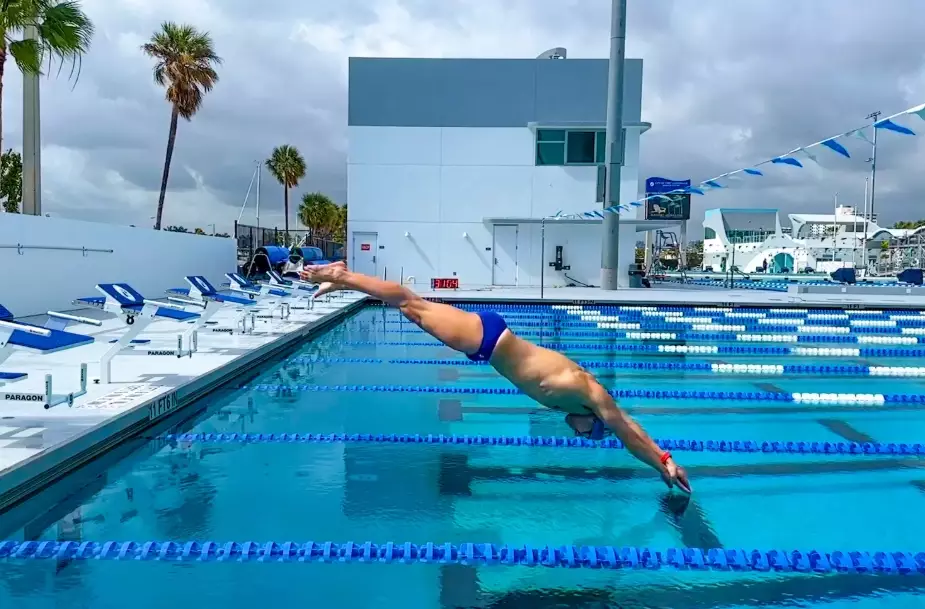
| The Problem (What you see/feel) | The Likely Cause | How to Fix It |
|---|---|---|
| A huge, painful belly flop. | You are looking up/forward during the dive, causing your chest to drop. Or, you are "jumping up" instead of pushing out. | Focus on looking down at the water directly in front of the block. Practice the standing dive, emphasizing leading with the hands and tucking the chin. Think "out," not "up." |
| Feet slapping the water loudly. | Your legs are bent or apart during entry. You're not maintaining a tight, straight body line. | Practice streamlines on dry land and in the water. Kick from the hip with straight legs. Consciously squeeze your glutes and point your toes as you enter. |
| Diving too deep or too shallow. | Incorrect launch angle. Pushing too downward or too upward. | The pool noodle drill is perfect for this. Aim to enter the water about 8-12 feet out from the block. Film yourself if possible – your perception and reality are often different. |
| Feeling wobbly or off-balance on the block. | Poor foot placement or weight distribution, especially in a track start. | Experiment with your foot spacing. Your stance should feel athletic and stable, like you're about to jump forward, not like you might fall over. Most of your weight should be on the front foot, ready to drive. |
| Getting water up your nose. | Not exhaling through your nose as you enter the water. | Develop the habit of a gentle, constant exhale through your nose the moment your face is about to hit the water. It doesn't need to be a big blast, just a steady stream of bubbles. |
Building Your Dive: A Practice Plan That Actually Works
You can't just read about diving techniques in swimming and expect to improve. You have to do the work. But mindless repetition of a bad dive just ingrains bad habits. Here’s a structured way to approach your practice. Don't try to do it all at once. Pick one focus per session.
Session 1: The Streamline is Everything. Forget the dive. Just work on your streamline position in the water. Push off the wall in your tightest streamline and see how far you can glide. Can you feel the water flowing past a single point? Are your legs together and toes pointed? This is the core of everything.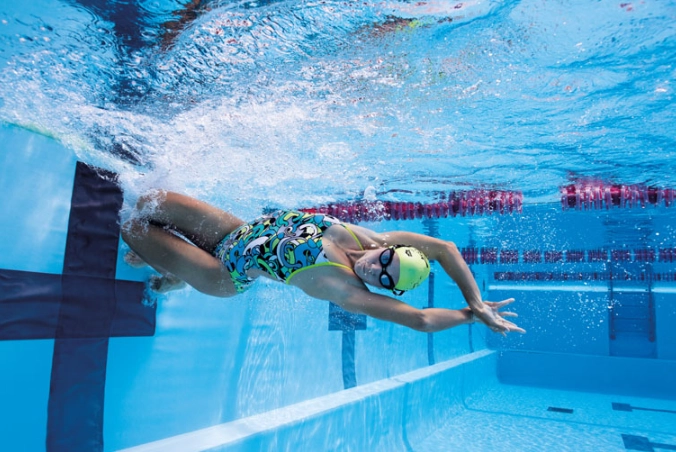
Session 2: The Entry. Go back to the basic standing dive from the side. Your only goal is a clean, quiet entry with no splash from your body. Do it 10 times. Focus on the feeling of your hands piercing the water first. Listen to the sound. A good dive is surprisingly quiet.
Session 3: The Block Start. Now move to the block. Don't even think about the start signal. Just practice your setup. Get your feet positioned comfortably. Practice lowering into your "ready" position and holding it for 5 seconds. Feel the balance. Do this 5-10 times. Then add a slow, controlled push, focusing on form over power.
Session 4: Putting It Together. Now add some speed. Use a start signal (or have a friend clap). Do 5-8 starts with full recovery in between. Think about one cue each time: "tight streamline" or "look down" or "push out." Quality over quantity.
I’ll be honest, this kind of deliberate practice can feel tedious. It's not as fun as just swimming laps. But the improvement is real. When you finally nail that one perfect, silent, powerful dive, it feels incredible. It’s worth the grind.
Beyond the Pool: Safety and Rules You Can't Ignore
We have to talk about this. Diving is fantastic in a controlled pool environment with proper depth. Elsewhere, it's one of the leading causes of spinal injuries in recreational water activities. Never, ever dive into a lake, river, or ocean unless you have positively verified the depth and checked for submerged objects. Even then, feet first is the smart choice. The rules for competitive pools are there for a reason. The international governing body, FINA, specifies strict pool dimensions and depths for competition to ensure athlete safety.
Another thing people forget is the pool deck. It's slippery when wet. Walk carefully to and from the blocks. I've seen more than one promising practice session end with a slip and a bruise because someone got careless. It sounds obvious, but in the excitement of trying new diving techniques in swimming, basics get overlooked.
Answering Your Dive Questions
Over the years, I've gotten the same questions again and again. Let's tackle a few head-on.
1Look, mastering diving techniques in swimming is a journey. It’s not a weekend project. You'll have great days and frustrating days. I still have sessions where my timing is off and every dive feels clumsy. But when you break it down, piece by piece, and focus on consistent, mindful practice, it clicks. Start with the feeling of a clean entry from the side. Build up to the block. Work on your power. Pay attention to the details nobody sees until they see the splash (or lack thereof).
The dive is the first impression of your swim. Make it a good one. Get out there, start simple, and most importantly, have fun with it. The water's waiting.
Your comment