If you've ever watched Olympic diving and wondered how athletes twist and turn so gracefully, it all starts with mastering four basic dive types. Forward, back, reverse, and inward dives form the core of competitive diving, and understanding them can change how you view the sport. I remember my first coaching session years ago—I kept confusing reverse and inward dives, and it took a while to get the hang of it. Let's break it down without the jargon.
Jump to What Matters
What Are the 4 Types of Dives?
In competitive diving, governed by bodies like FINA, dives are categorized into groups based on takeoff direction and rotation. The four primary types are forward, back, reverse, and inward dives. These aren't just random terms; they define how a diver approaches the board and enters the water. Think of them as the alphabet of diving—you need to know them before forming complex sentences.
Here's a quick overview:
| Dive Type | Takeoff Position | Rotation Direction | Common Body Positions |
|---|---|---|---|
| Forward Dive | Facing the water | Forward | Straight, Pike, Tuck |
| Back Dive | Back to the water | Backward | Straight, Pike, Tuck |
| Reverse Dive | Facing the water | Backward | Straight, Pike, Tuck |
| Inward Dive | Back to the water | Forward | Straight, Pike, Tuck |
Notice how the takeoff and rotation create unique challenges. For instance, a reverse dive feels counterintuitive because you're facing forward but spinning backward—it's like doing a backflip from a forward start. I've seen many new divers mess this up by over-rotating, leading to messy entries.
How Each Dive Type is Performed
Let's dive deeper into each type. I'll share some insights from my coaching days, where small adjustments made huge differences.
Forward Dives: The Starting Point
Forward dives are often the first taught in diving schools. You stand on the board facing the pool, then jump and rotate forward. The key is to maintain a tight body line. A common variation is the forward dive with a pike, where you bend at the waist. I recall a student who kept entering the water at an angle; we fixed it by focusing on shoulder alignment during takeoff.
Back Dives: Trusting Your Instincts
With back dives, you start with your back to the water. This requires trust because you can't see where you're going. The rotation is backward, and timing is everything. A tip: push off with your legs evenly to avoid twisting. Many beginners lean too far back, causing a flat entry. Practice on a low board first—it builds confidence.
Reverse Dives: The Mind-Bender
Reverse dives, also called gainers, are tricky. You face the water but rotate backward. The challenge is generating enough momentum without losing control. I've noticed that divers often rush the takeoff; instead, a slow, controlled approach works better. Think of it as a backward somersault from a forward stance.
Inward Dives: The Hidden Gem
Inward dives involve starting with your back to the water and rotating forward. It's less common in beginner routines but crucial for advanced divers. The risk is diving too steeply, which can lead to painful belly flops. Focus on a slight arch in the back during takeoff. One of my athletes mastered this by visualizing a curve rather than a straight drop.
Common Mistakes to Avoid in Each Dive
Everyone makes errors, but knowing them upfront saves time. Here's a list I've compiled from years of observation.
Forward dives: Over-rotating or under-rotating—both ruin the entry. Keep your eyes on the water until the last moment.
Back dives: Leaning sideways on takeoff. This causes a twist that's hard to correct mid-air. Practice on dry land first.
Reverse dives: Starting the rotation too early. Wait until you're fully airborne; otherwise, you'll hit the board.
Inward dives: Not pushing off enough. You need explosive leg power to get height for a clean rotation.
I once coached a diver who kept making the same inward dive mistake: she'd tuck too early, losing height. We worked on delaying the tuck until peak altitude, and her scores improved dramatically. It's these subtle tweaks that matter.
How Dives Are Scored and Judged
Judges score dives based on factors like approach, takeoff, execution, and entry. According to FINA rules, each dive has a degree of difficulty (DD) rating, which multiplies the score. For example, a forward dive with a straight position might have a lower DD than one with a twist. But here's something rarely mentioned: judges also look for consistency in body alignment. A slight bend in the knees can deduct points, even if the rotation is perfect.
In competitions, divers must include dives from different groups. That's why knowing all four types is essential. A typical routine on the 3m springboard might mix a forward dive (group 1) with an inward dive (group 4) to showcase variety. I've seen divers lose points by repeating similar dives—it bores the judges.
Practical Training Tips for Beginners
If you're starting out, don't jump straight into complex dives. Begin with forward dives on a low board to build basics. Use drills like dry-land somersaults to get comfortable with rotation. For back dives, have a spotter initially to prevent fear. I recommend spending at least 20 minutes per session on each dive type, focusing on one aspect at a time—say, takeoff for forward dives one week, then entry for back dives the next.
Another tip: record your dives on video. Watching yourself reveals flaws you can't feel. I did this with my students, and it cut learning time in half. Also, don't neglect flexibility training; a stiff body hampers rotation. Simple stretches for the back and legs go a long way.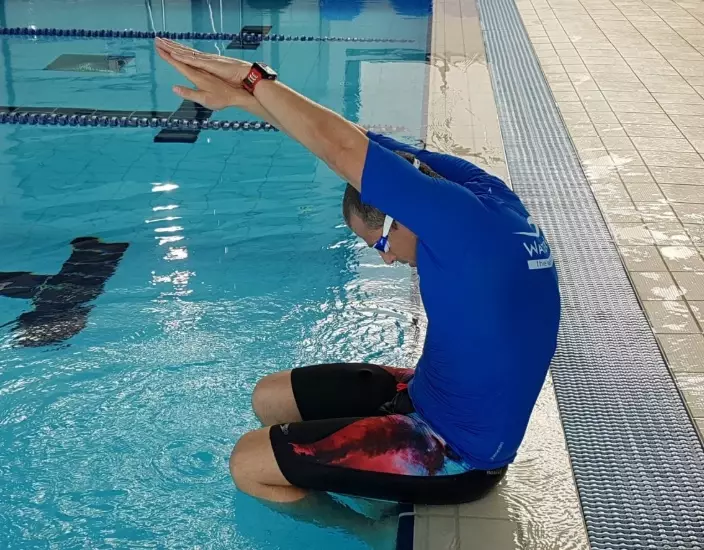
Your Diving Questions Answered

Diving is as much about mental focus as physical skill. Whether you're a spectator or an aspiring diver, understanding these four types enriches the experience. Start small, practice consistently, and soon you'll see the water not as a barrier but as a canvas for artistry.
Your comment