Dive Insurance Insights
- What Exactly Is Diving Insurance, Anyway?
- The Nasty Surprises Your Regular Travel Insurance Might Hide
- Who Really Needs It? (Spoiler: Probably You)
- How to Pick a Plan: It's Not Just About Price
- Answering the Big (and Small) Questions
- The Real Cost vs. The Nightmare Cost
- Final Thoughts: It's About More Than Money
Okay, let's talk about something most divers think about right after they book their flight to some tropical paradise: insurance. More specifically, diving insurance. You're staring at the checkout page for your liveaboard trip, and there it is – an optional add-on for dive accident coverage. It's maybe fifty, a hundred bucks extra. Your mouse hovers. Is diving insurance worth it? Is it just another way for companies to squeeze money out of us, or is it the one thing you'll kick yourself for not having if something goes wrong?
I've been there. I've clicked "no thanks" more times than I care to admit, reasoning that I'm a safe diver, the dive shop has insurance, and my regular travel insurance probably covers it. Then I had a friend. A competent, experienced diver. He got a mild case of decompression sickness (DCS) after what seemed like a perfectly normal dive profile in the Maldives. Nothing dramatic, just some joint pain and fatigue. The local chamber was a seaplane flight away. The evacuation and treatment bill? It climbed into the tens of thousands of dollars faster than he could sink. His regular travel insurance argued it was a "pre-existing risk of a sporting activity" and waffled on coverage. That's when the question is diving insurance worth it stopped being theoretical for me.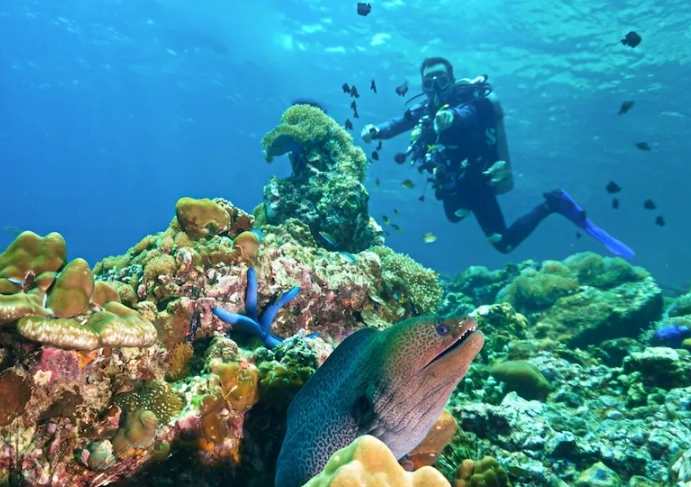
The bottom line up front? For the vast majority of recreational divers, especially those traveling to remote locations, the answer is a resounding yes. Diving insurance is worth it as a specialized, affordable safety net. But let's not just state it – let's dissect it. Why is it necessary, what does it actually do, and when might you (maybe) skip it?
What Exactly Is Diving Insurance, Anyway?
It's not your standard health insurance. It's not your generic travel insurance either, though there's overlap. Think of it as hyper-specialized emergency coverage for the unique risks of underwater breathing. Its core job is to handle the catastrophic, low-probability, high-cost events that can happen when scuba diving goes sideways.
Standard travel insurance might cover you if you slip on the boat deck and break your arm. But if you need treatment for decompression sickness or an arterial gas embolism – conditions that require hyperbaric oxygen therapy in a recompression chamber – many standard policies get very nervous. They might have exclusions for "hazardous activities" or limit payouts for specialized treatments. Diving insurance removes that uncertainty. It's designed by people who understand that a dive accident isn't just a hospital visit; it might involve a helicopter medevac from a remote island to the nearest chamber, which could be hundreds of miles away.
The coverage typically revolves around a few key pillars:
- Medical Emergency Evacuation: This is the big one. Coordinating and paying for air or sea evacuation to the nearest appropriate medical facility, often a hospital with a hyperbaric chamber.
- Hyperbaric Chamber Treatment: Direct coverage for the expensive recompression treatments, which can run thousands per session.
- Dive Accident Medical Expenses: Covering costs related to treating dive-specific injuries beyond the chamber, like lung overexpansion injuries.
- Repatriation: Getting you back home if you're seriously injured, which is a complex and costly logistical nightmare on your own.
- Sometimes, Trip-Related Coverages: Things like lost/damaged dive gear, trip cancellation if you get medically cleared from diving, or even coverage for non-diving companions.
So, when we ask "is scuba diving insurance worth it," we're really asking if paying a relatively small premium for this specific safety net makes financial and practical sense.
The Nasty Surprises Your Regular Travel Insurance Might Hide
This is where many divers get caught. They assume they're covered. I did. Big mistake. Most standard travel insurance policies have a list of "adventure sports" or "hazardous activities" that are either excluded entirely or require an extra premium. Scuba diving is almost always on that list.
And it gets trickier. They might say diving is covered... but only to certain depths (like 18 meters/60 feet, which is laughable for many ocean dives). Or only if you're certified (which is good). Or only if you're not doing any decompression diving (which rules out many advanced divers). The language is often buried in the policy's Product Disclosure Statement (PDS).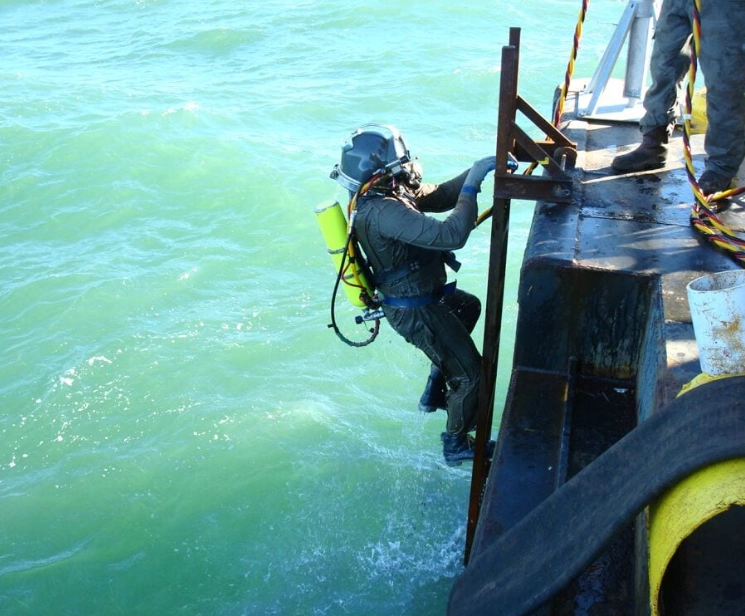
Here's the kicker: Even if diving is listed as a covered activity, the policy might have a low sub-limit for "specialized treatments" like hyperbaric therapy. You might have $1 million in overall medical cover, but only $10,000 for chamber treatment. A single chamber run can cost $5,000-$10,000, and you might need a series of them. You'd blow through that sub-limit in a day.
Let me put it in a table. This is the kind of comparison that made the penny drop for me.
| Coverage Type | Typical Standard Travel Insurance | Specialized Diving Insurance (e.g., DAN, DiveAssure) |
|---|---|---|
| Decompression Sickness Treatment | Often excluded or has a very low sub-limit ($5k-$15k). May require pre-purchase of "adventure sports" add-on. | Core coverage. High limits specifically for hyperbaric treatment (e.g., $100k+). Designed for this exact scenario. |
| Emergency Medical Evacuation | Usually covered, but may not prioritize access to a hyperbaric chamber. Could go to nearest hospital, which may lack a chamber. | Specialized evacuation. Coordinates directly with dive medicine experts to get you to a chamber facility, not just any hospital. 24/7 dive emergency hotline. |
| Dive Gear Loss/Theft | Might be covered under personal items, but often with a low single-item limit ($500) unsuitable for a regulator or computer. | Often offered as an optional add-on with much higher, dive-gear-appropriate limits, sometimes covering accidental damage during travel. |
| Medical Screening & Advice | General medical advice line. | Access to dive medicine physicians who can give specific advice on fitness to dive, injury assessment, etc. This is huge. |
| Non-Diver Companion | Covered under the same policy. | Often an option to include them, or they may need a separate standard policy. Focus is on the diver. |
See the difference? Asking "is dive insurance worth it" is like asking if you need a helmet for rock climbing. Your general health insurance is like your general first-aid kit – useful for scrapes. The diving insurance is the helmet for the big fall.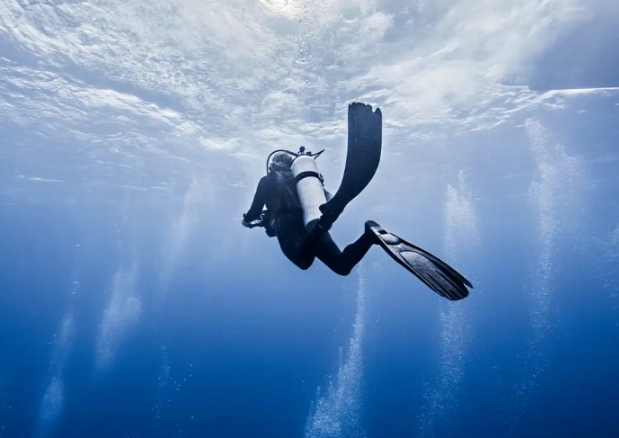
Who Really Needs It? (Spoiler: Probably You)
Let's break down the diver profiles. This isn't one-size-fits-all, but it'll help you see where you fit.
The "Maybe I Can Skip It" Crowd (A Very Small Group)
These are divers in extremely low-risk scenarios. Think:
- Diving exclusively in your home country, where your primary health insurance definitively covers hyperbaric treatment and evacuation (some national systems do).
- Only doing simple, shallow shore dives a few minutes from a major metropolitan hospital with a known, accessible hyperbaric chamber.
- You have confirmed, in writing, that your existing travel/health policy has robust, unambiguous coverage for diving accidents with high limits, and you understand the claims process.
Even then, I'd argue the peace of mind is worth the cost of a few tank fills. But technically, the financial risk is lower.
The "You'd Be Crazy Not To" Crowd (Most of Us)
If any of these sound like you, stop debating and just get it.
- Traveling divers: This is the #1 group. You're flying to the Caribbean, Southeast Asia, the Red Sea, the Pacific. You're often hours or days away from proper care. A medevac from Palau, the Galapagos, or even some parts of the Caribbean can easily exceed $50,000. Is diving insurance worth it on a liveaboard in the middle of the Coral Sea? That's not even a question.
- Remote or liveaboard divers: You're on a boat for a week, far from land. The boat's first aid kit and oxygen are great, but for DCS, you need a chamber. The insurance includes the emergency coordination you desperately need.
- Technical, deep, or wreck divers: Your profiles carry higher inherent risk. Even with perfect planning, things happen. The insurance cost is a tiny fraction of your gear and training investment.
- Divers with families: What happens to your family financially if you're stuck in a foreign hospital with a massive bill? The insurance isn't just for you; it's for them.
Honestly, after my friend's incident, I now consider it part of the cost of the dive trip, like flights and accommodation. It's non-negotiable.
How to Pick a Plan: It's Not Just About Price
So you're convinced. Great. Now, which one? Don't just grab the cheapest. Look at the details. Here’s my mental checklist, born from painful experience reading fine print.
First, the non-negotiables:
- Hyperbaric Treatment Limit: This is the most important number. Look for at least $100,000 in coverage. More is better. Treatment can be prolonged.
- Emergency Medical Evacuation Limit: Again, $100,000 minimum. Evacuations are astronomically expensive.
- No Depth Restrictions (for your level): Ensure the policy covers you for the depths you're certified and plan to dive. If you're an Advanced Open Water diver certified to 30m/100ft, make sure the policy covers that.
- 24/7 Emergency Hotline: It must be staffed by people who understand dive emergencies. Can they locate the nearest chamber? Can they talk to the dive doctor?
Then, the important add-ons:
- Gear Coverage: Do you travel with $5,000 worth of gear? Check the limits and excess/deductible. Some cover "mysterious disappearance" (gear left behind), others only theft with a police report.
- Trip Cancellation/Interruption: Will it cover you if you get a medical ear issue before the trip and can't dive? Or if you have to cut the trip short due to a diving injury?
- Personal Liability: If you accidentally injure another diver or damage property, this could cover you. Rare, but potentially devastating.
Finally, the reputation:
Stick with the major players known in the dive community. Organizations like Divers Alert Network (DAN) are non-profits literally founded for this purpose. Their policies are straightforward, and their emergency network is unparalleled. Other reputable providers include DiveAssure, World Nomads (with their adventure sports upgrade), and some specialist underwriters. Read reviews from other divers. See how they handle claims.
My personal take? I use DAN. Their peace of mind is worth the annual fee. I like that part of my fee supports dive safety research. But shop around. The best policy is the one you'll actually buy and that covers your specific needs.
Answering the Big (and Small) Questions
Let's tackle some of the specific questions that pop up when divers are on the fence.
"But I'm a safe diver! I follow my computer!"
So was my friend. So are 99.9% of divers who get bent. DCS can be idiosyncratic. Dehydration, a PFO (a small heart valve issue many people don't know they have), fatigue, a slightly harder finning effort – lots of factors can contribute. Safety reduces risk; it doesn't eliminate it. Insurance is for that tiny, unpredictable residual risk.
"What about the dive shop's insurance?"
Their liability insurance is to protect them if they are negligent. It does not cover your medical bills from a diving injury, even if it happens on their boat. They are not responsible for your body's unique physiological response to pressure.
"I only dive once a year on vacation."
That's actually the most risky pattern! You're often diving more frequently on a trip (multiple dives per day) than you're used to, possibly in new conditions, and you're far from home. This is the prime scenario for asking, "is diving insurance worth it for a yearly trip?" Yes. Absolutely.
"Can I get it after something happens?"
No. It's not retroactive. You must purchase it before you start your trip or diving activities. Don't wait until you're on the boat.
"Does it cover pre-existing medical conditions?"
This is critical. Most policies exclude treatment for conditions you had before the policy started. If you have a known heart condition and have a heart attack while diving, it likely won't be covered. However, an acute dive injury like DCS is a new event and would be covered. Always declare your medical history honestly when applying.
The Real Cost vs. The Nightmare Cost
Let's talk numbers without the scare tactics, just cold math.
A solid annual diving insurance policy might cost between $100 and $300. A short-trip policy for a two-week vacation might be $50 to $150. That's the cost of a nice dinner out, or 2-3 boat dives.
Now, the other side of the equation (data sourced from dive safety organizations and medical cost estimates):
- Hyperbaric Treatment: $5,000 - $10,000 per session. A standard US Navy Table 6 treatment is about 5 hours. Multiple sessions are common.
- Air Ambulance/Medevac: $15,000 - $100,000+. Distance is the killer. An inter-island helicopter flight can be $20k. A long-range air ambulance from a remote location can hit six figures.
- Medical Repatriation: Flying you home on a commercial flight with a medical escort can cost $10,000 - $30,000.
You do the math.
Paying $150 for insurance to avoid a potential $75,000 bill is the very definition of a good financial decision. It transforms a life-altering financial catastrophe into a manageable administrative hiccup.
Final Thoughts: It's About More Than Money
At the end of all this, the question is diving insurance worth it boils down to more than dollars. It's about peace of mind. When you're on that stunning reef, you should be thinking about the marine life, your buoyancy, your air – not the latent anxiety of "what if."
It's about access to the right help. In a crisis, you don't want your buddy or dive guide frantically googling for a chamber. You want a single number to call where experts immediately take over, speaking the language of dive medicine, knowing exactly what to do and where to send you. That service alone is invaluable.
And it's about responsibility. As divers, we take on risk for the joy of exploring an alien world. Part of managing that risk responsibly is ensuring that if the worst happens, we don't become a burden on our loved ones, our dive buddies, or a local community ill-equipped to handle it. We have a plan.
My advice? Stop thinking of it as an optional extra. Think of it as essential dive gear. You wouldn't dive without a BCD or a regulator. Don't dive without the financial and emergency-response safety net that is proper diving insurance. Get an annual policy if you dive regularly, or a per-trip policy for your adventures. Read the details, choose a reputable provider like PADI recommended partners or DAN, and then forget about it. Enjoy your dives with the quiet confidence that you're covered.
Because the only time you'll truly know if diving insurance is worth it is when you need it. And by then, it's too late to buy it.
Your comment