Let's be honest, walking into a dive shop or browsing online for your first set of scuba gear can feel completely overwhelming. You're staring at walls of masks, racks of fins, and tech that looks like it belongs on a spaceship. I remember my first time—I just nodded along, pretending I knew what the salesperson was talking about, and ended up with a mask that leaked constantly. Not a great start.
It doesn't have to be that way. Choosing your first set of diving equipment for beginners is actually pretty straightforward once you break it down. This isn't about buying the most expensive gear. It's about finding the right gear that fits you, your budget, and the type of diving you actually want to do.
Think of this guide as a chat with a friend who's been through it all. We'll cut through the jargon, ignore the flashy marketing, and focus on what you genuinely need to get started safely and comfortably. Whether you're fresh out of your Open Water Diver course or just starting to research, this is your roadmap.
Quick Navigation
The Absolute Must-Haves: Your Core Diving Equipment Kit
These are the items most divers agree are best to own personally from the very beginning. Why? Because fit is hyper-personal, and comfort here makes or breaks your dive.
Mask, Snorkel, and Fins (The Personal Interface)
This trio is where your journey into diving equipment for beginners should always start. You'll use these on every single dive, and a poor fit can ruin an otherwise perfect day underwater.
The Mask: This is your window. The single most important piece of gear. Forget color and style for a second. The only thing that matters is the seal. Here's the test I give every mask: Place it on your face without the strap. Gently inhale through your nose. If it stays suctioned to your face for a few seconds, you've got a good seal. If it falls immediately, try another. Pay attention to the skirt—the soft part that touches your face. Silicone is the standard; it's durable, flexible, and hypoallergenic. Clear silicone skirts let in more light, which can feel less claustrophobic for new divers. Black skirts are preferred for photography to reduce glare.
My personal gripe? Low-volume masks are all the rage (they require less air to clear and sit closer to your face), but if you have a prominent brow or nose, they can press uncomfortably. Don't be afraid to try a traditional, slightly larger volume mask. Comfort is king.
The Snorkel: Often overlooked, but useful for surface swims. For beginners, keep it simple. A basic J-shaped snorkel or a simple purge valve model is perfect. Avoid the complex foldable or splash-guard-heavy models—they're just more things that can break. The mouthpiece should feel soft and not make your jaw ache after five minutes.
The Fins: The engine. The big debate: open-heel vs. full-foot. Here's the simple breakdown:
- Open-Heel Fins: You wear these with neoprene booties. They offer more power, adjustability, and are essential for colder water or shore dives where you're walking over rocks. They're the most versatile choice for a beginner building a kit.
- Full-Foot Fins: Slipped on like shoes, usually over bare feet. Fantastic for warm-water, boat-only diving where you step straight into the water. They're lighter and more compact. But if your feet get cold easily, or you plan on any beach entries, they're limiting.
For your first pair of fins as part of your diving equipment for beginners, I lean heavily towards open-heel fins with booties. The added protection and warmth are worth it. Look for fins that aren't too stiff; you want efficient propulsion without leg cramps.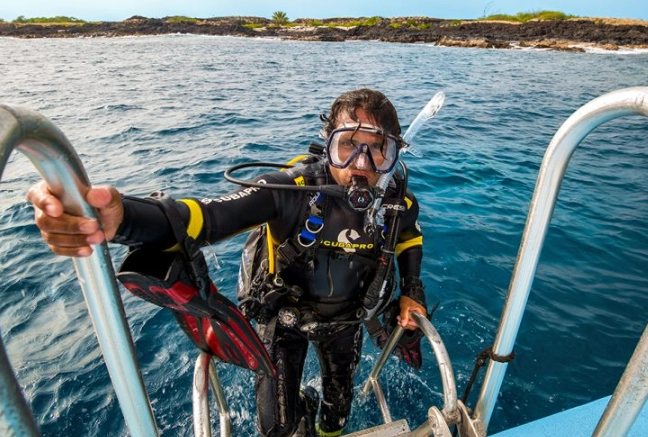
Exposure Protection: Wetsuits and Beyond
You might be diving in the tropics, but after 40 minutes, 28°C (82°F) water will suck the heat right out of you. A wetsuit isn't just for warmth; it's for protection from sun, scrapes, and marine life.
Wetsuits work by trapping a thin layer of water between your skin and the neoprene, which your body heats up. The fit needs to be snug—not tight enough to restrict breathing, but with no loose, baggy areas where water can flush in and out. A common beginner mistake is buying a suit too large, thinking it will be more comfortable. A baggy suit is a cold suit.
| Wetsuit Thickness | Water Temp Range | Best For | Beginner Notes |
|---|---|---|---|
| 1-2 mm / Shorty | 27°C+ (80°F+) | Tropical boat diving, snorkeling | Great first suit for very warm climates. Offers minimal buoyancy. |
| 3 mm | 22-27°C (72-80°F) | Most tropical/subtropical diving | The sweet spot for many beginners. Provides good warmth without being too restrictive. |
| 5 mm | 18-24°C (64-75°F) | Temperate water, springs, cooler tropics | You'll feel the squeeze. Try before you buy. Adds significant buoyancy. |
| 7 mm / Semi-Dry | <18°C (64°F) | Cold water diving | Beginners should rent these first. Buoyancy compensation becomes crucial. |
Consider a two-piece (farmer john/jacket style) for cooler water—it gives you double layers on your core. And for sun protection alone, a lightweight 1mm Lycra rash guard is a fantastic and cheap piece of kit.
The Big-Ticket Items: To Buy or to Rent?
This is where the investment gets serious. For regulators, Buoyancy Control Devices (BCDs), and dive computers, the rent-vs-buy decision is real.
Regulator: Your Lifeline
The regulator delivers the air from your tank to your lungs. It's the piece of life-support equipment where quality and maintenance are non-negotiable. As a beginner, you don't need the top-of-the-line model with all the bells and whistles, but you should never buy a no-name brand from an uncertified source.
All major brands (Aqualung, Scubapro, Cressi, etc.) make excellent beginner-friendly regulator sets. Look for an “environmentally sealed” first stage if you plan to dive in colder or siltier water—it prevents freezing or internal corrosion. For warm-water diving, a standard piston or diaphragm first stage is perfectly fine.
The octopus (your backup second stage) should be a bright yellow or contrasting color so your buddy can find it instantly. Your pressure gauge (SPG) should be easy to read. A console that groups the SPG, depth gauge, and compass is common, but many experienced divers now prefer a simple SPG on a hose and a dive computer on their wrist. It's less clutter.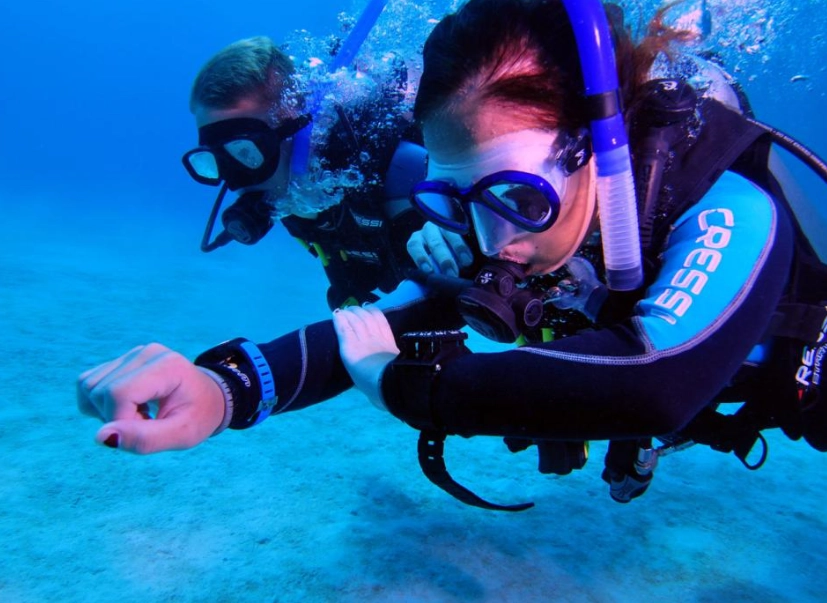
Here's my take: If you're diving fewer than 10 times a year, renting high-quality regs from a reputable shop is financially smart and ensures you always have freshly serviced gear. When you're ready to buy, look for packages that include the regulator, octopus, SPG, and often a free first service.
Buoyancy Control Device (BCD)
The BCD is your jacket underwater. It holds your tank, lets you add/remove air to achieve neutral buoyancy, and keeps you afloat on the surface. The two main types for beginners are jacket-style and back-inflation.
- Jacket-Style: Wraps around you like a vest. Very familiar feeling, stable on the surface. Some find them a bit restrictive in the chest and can encourage a head-up, feet-down posture in the water.
- Back-Inflation (e.g., Backplate & Wing, Travel BCDs): The air bladder is on your back. This promotes a more natural, horizontal trim in the water, which is better for air consumption and finning technique. They can feel weird on the surface until you get used to leaning back like you're in a lounger.
For a beginner, a jacket-style is often the easier transition from training. But don't be afraid to try a back-inflation travel BCD—many are now designed with beginner-friendly features and are incredibly lightweight for travel.
Key features to look for: enough D-rings for accessories (a snorkel keeper, a safety sausage), integrated weight pockets (so much better than a weight belt), and a sturdy, comfortable harness. Try it on with a tank if you can. Does it feel balanced?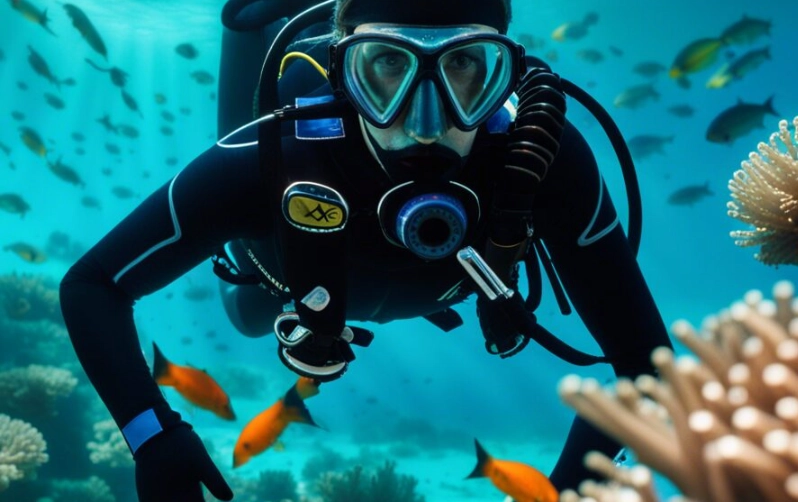
Dive Computer: Your Underwater Brain
This is the one “big” item I often recommend beginners buy early. It personalizes your dive profile, tracks your nitrogen loading, and increases your safety. Renting one means learning a new interface every trip, which is a distraction.
For your first dive computer, keep it simple. A basic wrist-mounted model with a clear, readable display (big digits!) is perfect. It needs to:
- Clearly show your depth and dive time.
- Give you a safe ascent rate indicator.
- Tell you your No-Decompression Limit (NDL).
- Have an audible/visual alarm for ascent rate and safety stops.
Air integration (wirelessly connecting to your tank's pressure) is a nice luxury but not necessary. Color screens are cool but drain batteries faster. A basic, reliable computer from Suunto, Cressi, or Mares will serve you for years. Just read the manual and understand what it's telling you.
Having your own computer from the start lets you build familiarity and trust with a single device, a key part of your personal diving equipment for beginners toolkit.
The Supporting Cast: Essential Accessories
These smaller items round out your kit and solve common problems.
The Beginner's Accessory Checklist
- Dive Bag: A mesh bag for wet gear and a padded gear bag for your reg/computer. Mesh lets everything dry and doesn't transport smells.
- Surface Marker Buoy (SMB) & Reel/Spool: Non-negotiable for boat diving or any drift diving. Learn to deploy it. A bright orange or yellow 6-foot SMB is standard.
- Dive Tool (Knife/Cutter): Not for fighting sharks! For cutting fishing line or nets you might accidentally encounter. A small line cutter on your BCD strap is often enough.
- Save-a-Dive Kit: A small pouch with spare O-rings, mask strap, fin strap, zip-ties, and silicone grease. It has saved countless dives from being canceled over a tiny, fixable issue.
- Logbook: Physical or digital. Logging your dives helps you track progress, remember sites, and is required for advanced courses.
- Reef-Safe Sunscreen & After-Dive Care: Protect your skin and rinse your gear with fresh water after every dive.
Building Your Kit: A Smart Purchase Strategy
You don't need to buy everything at once. In fact, you shouldn't. Here's a phased approach I wish I had followed.
Phase 1 (Before Certification or Immediately After): Buy your mask, snorkel, fins, and booties. Maybe a simple snorkel or a 3mm wetsuit if you have a local dive spot. This gets you comfortable with the core personal items.
Phase 2 (After 5-10 Dives): Invest in a dive computer. You now have enough experience to appreciate the data. Start researching BCDs and regulators.
Phase 3 (When You're Diving Regularly): Purchase your regulator/BCD system. Consider buying used from a trusted source (like a dive club member upgrading) if budget is tight, but have it inspected and serviced immediately.
Always, always prioritize fit and function over brand names. A $200 mask that fits is a better investment than a $100 mask that doesn't.
Common Beginner Questions Answered
Final Thoughts Before You Splash
Assembling your first set of diving equipment for beginners is a personal journey. It's part of becoming a diver. The gear becomes an extension of yourself underwater.
Don't get paralyzed by choice. Start with the basics—get a mask that fits. The rest will follow as you gain experience and understand your own preferences. Rent before you buy on the big items if you're unsure. Ask other divers on the boat about their gear; most love to talk about it.
Your equipment should empower you, not intimidate you. It should make you feel safe, comfortable, and excited to get in the water. With the right foundation of knowledge, choosing your kit can be one of the most enjoyable parts of the diving adventure.
Now go get fitted. The water's waiting.
Your comment