Your Dive Journey Map
- Picking Your Thai Diving Playground: It’s Not All The Same
- Demystifying the Dive Course: What You’ll Actually Be Doing
- How to Choose a Dive School: Look Beyond the Price Tag
- The Real Cost of Scuba Diving in Thailand for Beginners
- Your Health and Safety: The Non-Negotiables
- What to Pack (And What Not To)
- Beyond the Certification: Your First Steps as a Diver
- Your Scuba Diving in Thailand for Beginners FAQ
Let’s be real. The idea of learning to scuba dive in Thailand sounds incredible. Turquoise water, exotic fish, maybe a turtle if you’re lucky. But when you actually start looking into it, the questions pile up fast. Is it safe? Which island is best? How much will it really cost? Will I freak out?
I remember my own first-time jitters. I booked a course on a whim in Koh Tao, having no idea what to expect. The information online was either overly salesy or terrifyingly technical. That’s why I’m writing this. Not as a dive master (I’m not one), but as someone who’s been exactly where you are, made some mistakes, and came out the other side absolutely hooked.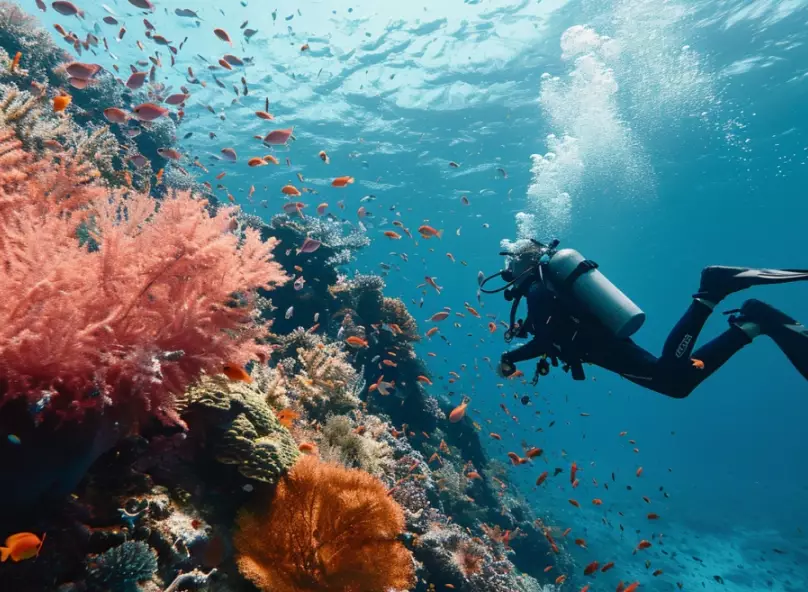
This guide is for the complete novice. We’re going to strip away the marketing fluff and give you the straight talk on scuba diving in Thailand for beginners. We’ll cover where to go, what you’ll actually do, how to not get ripped off, and how to make sure your first dive is memorable for all the right reasons.
The bottom line upfront: Thailand is arguably one of the best places on the planet for your first scuba adventure. The water is warm, the visibility is often great, the marine life is fascinating, and the infrastructure for training is massive. But not all dive shops are created equal.
Picking Your Thai Diving Playground: It’s Not All The Same
Thailand has two major coastlines for diving: the Andaman Sea (west) and the Gulf of Thailand (east). Your choice will dramatically shape your first experience. This is the single biggest decision you’ll make.
I made the classic beginner move and just went to the most famous spot. It worked out, but knowing what I know now, I might have chosen differently.
The Andaman Sea (Phuket, Krabi, Koh Lanta, The Similan Islands)
Think of this as the “premium” side. The water tends to be clearer, the underwater landscapes more dramatic with granite boulders and deeper drop-offs. The Similan Islands are a world-famous liveaboard destination. But is it the best for scuba diving in Thailand for beginners?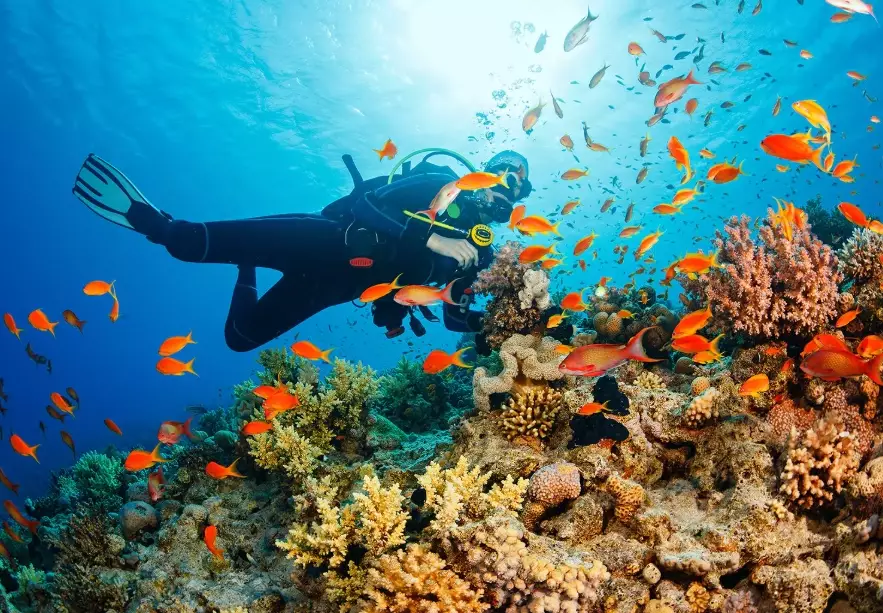
Pros: Generally superior visibility and bigger fish. Trips to sites like Racha Yai from Phuket or the Koh Phi Phi islands are stunning. The infrastructure in places like Phuket is very professional.
Cons: It can be more expensive. The seas, especially on the way to the Similans, can be rougher. The best sites often require longer boat trips. It feels a bit more… formal, maybe less of the backpacker “dive tribe” vibe.
The Gulf of Thailand (Koh Tao, Koh Samui, Koh Phangan)
This is the undisputed backpacker and beginner hub, particularly Koh Tao. It churns out more new divers than almost anywhere else in the world. That brings advantages and drawbacks.
Pros: It’s cheap. Seriously, some of the most affordable certification courses globally. The dive sites are close to shore, meaning short boat rides and calmer seas. The entire social scene on islands like Koh Tao revolves around diving, so you’ll meet tons of other newbies. The pressure is low.
Cons: It can get crowded. You might be sharing a site with several other school groups. The marine life, while plentiful, isn’t as “big ticket” as the Andaman side. Some people find the sheer volume of dive shops a bit overwhelming.
My Take: I learned on Koh Tao. Yes, it was crowded at the main training sites like Japanese Gardens. But as a nervous beginner, I loved the short boat ride (less time to get seasick or anxious) and the fact that my instructor did this 10 times a week. His calm was contagious. For a pure, easy, social introduction, the Gulf is hard to beat. For a slightly more “wild” feel, look to the Andaman.
Here’s a quick comparison to help you decide:
| Factor | Andaman Sea (e.g., Phuket) | Gulf of Thailand (e.g., Koh Tao) |
|---|---|---|
| Best For | Better viz, bigger scenery, a more "serious" dive feel | Budget, convenience, social atmosphere, zero-pressure learning |
| Typical Course Cost (PADI OW) | 14,000 - 18,000 THB | 9,000 - 12,000 THB |
| Boat Ride to Sites | Often 1-2 hours+ | Often 10-30 minutes |
| Beginner Site Conditions | Can be deeper, some current | Very shallow, sandy, usually calm |
| Vibe | Mixed tourism, professional ops | Dive-centric island, backpacker community |
Demystifying the Dive Course: What You’ll Actually Be Doing
Most beginners get certified via the PADI Open Water Diver course. It’s the global standard. SSI is also huge and virtually identical. Don’t stress about the agency; stress about the instructor.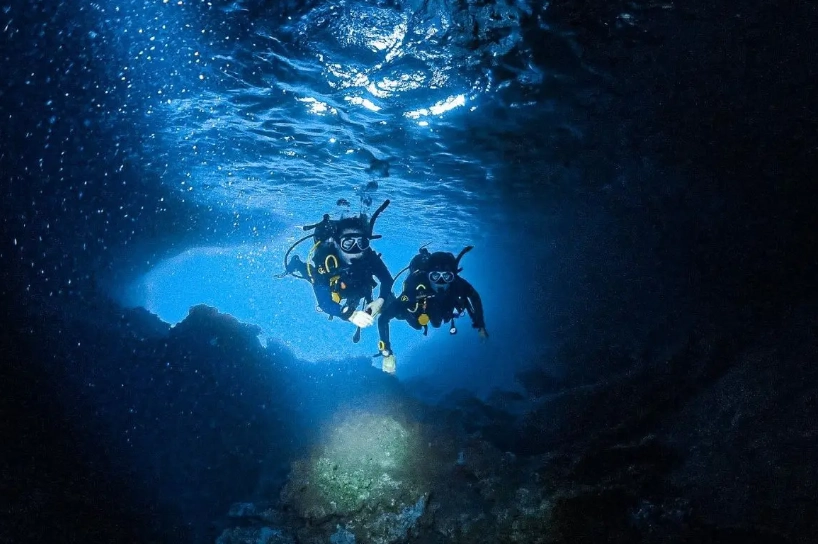
The course has three parts, usually over 3-4 days:
- Knowledge Development: You’ll watch videos, read a book (or e-learning), and take quizzes. This covers the physics and physiology of diving (don’t worry, it’s simple), gear, and safety procedures. Do the e-learning before you arrive. Trust me. It lets you spend more time in the water and less in a classroom.
- Confined Water Dives: This is in a pool or a very shallow, pool-like bay. You’ll learn to set up your gear, breathe underwater, clear your mask (a big one!), recover your regulator, and hover neutrally buoyant. This is where you make all your mistakes in total safety.
- Open Water Dives: Four dives over two days in the actual ocean. You’ll demonstrate the skills you learned in the pool on the seabed, and then just… swim around and enjoy. The first two are usually about skills, the last two are mostly fun.
Pro Tip: The single most important skill you’ll learn is buoyancy control—being able to hover effortlessly. A good instructor will focus on this from day one. Bad buoyancy means you’ll kick the coral (bad!) and exhaust yourself. Good buoyancy feels like flying.
How to Choose a Dive School: Look Beyond the Price Tag
This is critical. A cheap course with a rushed, indifferent instructor can ruin the experience. An excellent instructor can make a nervous person feel like a natural.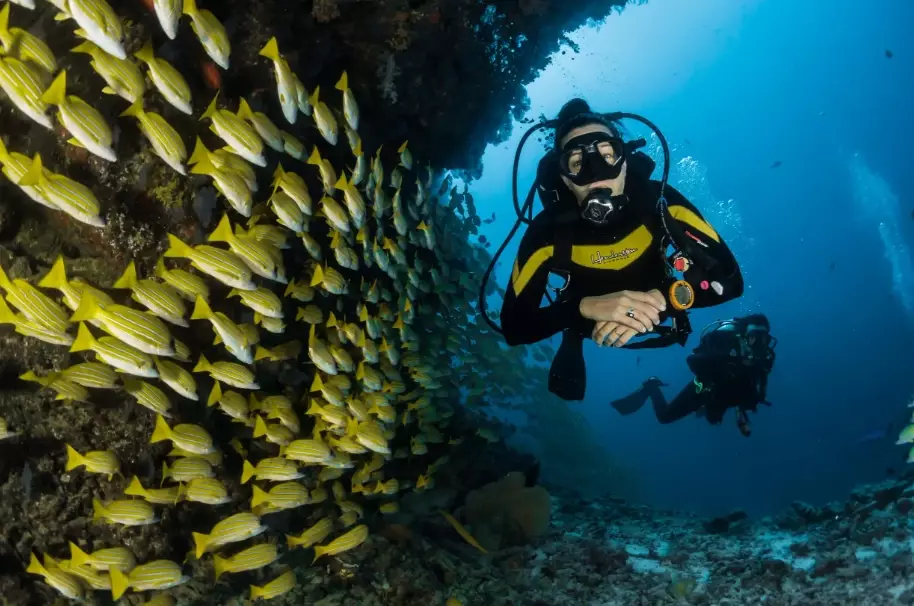
Here’s my checklist from painful experience:
- Group Size: Ask directly: “What is the maximum student-to-instructor ratio for the open water dives?” The international standard is 8:1, but 4:1 is ideal. Anything above 8:1 is a red flag. My course had 4 of us, and it felt personal.
- Equipment: Are the regulators and BCDs (the buoyancy jacket) modern and well-maintained? Scratched-up, ancient gear works, but it doesn’t inspire confidence. Pop into the shop and look at it.
- The Boat: If possible, see the boat. Is it a cramped cattle boat or does it have space to move? A decent boat makes the surface intervals between dives pleasant.
- Ask Questions: Call or message them. “I’m a bit nervous about equalizing my ears, how do you handle that?” A good shop will give you a reassuring, detailed answer. A bad one will just say “don’t worry.”
- Read Reviews, But Wisely: Look for reviews that mention instructor names and specific details about teaching. Ignore the generic “awesome!” reviews. Pay attention to how the shop responds to negative reviews.
Red Flags: Shops that pressure you to book immediately with a “today only” discount. Shops that won’t let you meet the instructor beforehand. Shops that are vague about what’s included (are marine park fees, equipment, and materials all in the price?).
The Real Cost of Scuba Diving in Thailand for Beginners
Let’s talk numbers. The advertised price is just the start.
Course Fee (PADI Open Water): This ranges from 9,000 THB on Koh Tao to 18,000 THB in Phuket for a reputable school. This should include instruction, all gear rental, learning materials, and the certification fee.
What’s Often NOT Included: Marine National Park fees (500-600 THB if you dive in a park like the Similans or Sail Rock). A mandatory dive insurance fee (usually 300-400 THB for the course duration). Sometimes, if you need to stay an extra day due to weather, that’s on you.
Extras You’ll Want: An underwater camera rental (if you don’t have a GoPro). Tips for your instructor and boat crew (not mandatory, but 500-1000 THB for the instructor if they were great is a nice gesture).
So, budget at least 10,000-11,000 THB on the low end, and 20,000 THB on the high end, all-in.
Your Health and Safety: The Non-Negotiables
Diving is incredibly safe when done right. The rules are there for a reason.
- Medical Questionnaire: You’ll fill out a RSTC medical form. Be brutally honest. Issues like asthma, heart conditions, or recent surgeries need a doctor’s clearance. Don’t hide anything. A reputable shop will turn you away without a doctor’s note if you check a box—that means they’re responsible.
- Equalizing: The #1 physical challenge for beginners. You have to gently “pop” your ears as you descend, exactly like on an airplane. Do it early and often. If it hurts, stop, ascend a foot, and try again. Never force it. Tell your instructor immediately if you’re struggling.
- Flying After Diving: This is crucial. You must wait at least 18 hours after your last dive before you fly. Nitrogen bubbles are no joke. Book your flight home accordingly. Divers Alert Network (DAN) is the global authority on dive medicine and this is their clear guideline.
What to Pack (And What Not To)
You need very little. The dive shop provides all the heavy gear.
Do Pack: A swimsuit. Rash guard or a thin long-sleeved shirt (sun protection on the boat is key). Biodegradable sunscreen (please, for the coral’s sake). A towel. A waterproof bag for your wet stuff. Sea-sickness pills if you’re prone to it (take them before the boat leaves). A reusable water bottle.
Don’t Pack: Your own scuba gear (unless you’re already a diver). Cotton clothes for the boat (they stay wet). Fear. Seriously, everyone is nervous. It’s normal.
Beyond the Certification: Your First Steps as a Diver
You’ve got your card! Now what? The best thing you can do is go diving again, immediately. Skills fade fast. Most shops offer cheap “fun dives” for newly certified divers. Do a couple. It cements everything.
Consider the PADI Advanced Open Water course. It’s not “advanced” like expert; it’s about gaining experience in different types of diving (deep, navigation, night). It’s often the best value next step.
And finally, think about insurance. Regular travel insurance often excludes scuba diving. Get proper dive insurance. I use and recommend DAN or similar providers. It’s cheap peace of mind.
The ocean is waiting. It’s a different world down there.
Your Scuba Diving in Thailand for Beginners FAQ
Let’s smash those last-minute doubts.
I’m not a strong swimmer. Can I dive?
You need basic water comfort, not Olympic skill. The course requires a 200-meter swim (any stroke, no time limit) and a 10-minute float/tread. It’s about endurance, not speed. If you can doggy-paddle and relax in deep water, you’re fine. The gear does the work underwater.
What if I panic underwater?
This is the core of your training. You learn to recognize stress before it becomes panic. Your instructor will teach you to stop, breathe, think, then act. You’ll practice sharing air with a buddy and making controlled ascents. The drills are repetitive so they become muscle memory. A good instructor watches you like a hawk.
Is it bad for the environment?
It can be. Bad divers who touch, kick, or chase wildlife are a problem. But you can be a force for good. Choose eco-conscious shops (look for Green Fins membership, an initiative supported by the United Nations Environment Programme). Practice perfect buoyancy. Don’t wear gloves (they make you want to touch things). Use reef-safe sunscreen. Be a responsible guest.
Can I wear contact lenses?
Yes! I do. Just tell your instructor. You can get masks with prescription lenses, but soft contacts work fine. Keep your eyes closed if you flood and clear your mask.
How do I know the dive shop’s standards are high?
Look for affiliations. Membership in Green Fins shows an environmental commitment. A PADI 5-Star Instructor Development Center is typically a larger, well-established operation with high standards. But again, the instructor is the key.
So, there you have it. The whole picture of scuba diving in Thailand for beginners, from the glossy dream to the practical, gritty, wonderful reality. It’s a challenge, a thrill, and a passport to two-thirds of our planet most people never see.
My final piece of advice? Just book it. Do the research, pick a good shop, and take the plunge. That moment you take your first breath on the bottom of the sea, surrounded by silence and curiosity… it changes you. It’s worth every baht and every bit of nervous energy.
See you down there.
Your comment