Your Dive Cost Roadmap
- Breaking Down the Big Costs: Courses vs. Fun Dives
- The Liveaboard Question: Is It Worth the Splurge?
- Location, Location, Location: Cost Comparison by Island
- The Hidden & Overlooked Costs (The Budget Killers)
- How to Save Money on Diving in Thailand (Without Being Unsafe)
- Your Personal Budget Worksheet (Rough Estimates)
- Frequently Asked Questions on Scuba Diving in Thailand Cost
- Final Thoughts: It's an Investment, Not Just a Cost
Let's be honest. You're here because you saw those stunning Instagram reels of crystal clear water, swim-throughs packed with fish, and maybe a whale shark or two. Thailand is a dream destination for divers. But then you start digging, and the question hits you: how much is this dream actually going to cost me?
I've been there. Scrolling through dive shop websites, the prices seem to jump all over the place. One place in Phuket quotes you one thing, a blog post about Koh Tao says another. It's confusing. You don't want to get ripped off, but you also don't want to book the absolute cheapest option if it means sketchy equipment or a rushed, crowded boat.
Figuring out the true scuba diving in Thailand cost isn't just about finding a price tag. It's about understanding what you're paying for, where the hidden fees lurk, and how to stretch your baht without sacrificing safety or fun. I've done multiple dive trips across Thailand, from the backpacker havens to the more upscale liveaboards. I've had amazing experiences and a couple of let-downs (we'll get to those). This guide is the one I wish I had before my first trip.
We're going to tear apart the budget, line by line. Not just for courses, but for fun dives, for different islands, for all the little extras you forget. By the end, you'll know exactly how to plan your funds.
Breaking Down the Big Costs: Courses vs. Fun Dives
This is the first fork in the road. Are you a total newbie looking to get certified, or are you already a diver here to explore? The cost structure is completely different.
If You're Learning: Open Water Diver Certification Cost
Getting your PADI Open Water Diver certification in Thailand is famously one of the most affordable ways in the world to start diving. But "affordable" can range from suspiciously cheap to reasonably priced for quality training.
The advertised price—say, 9,800 THB (around $270 USD)—almost never includes everything. Here’s what that base fee usually covers:
- Knowledge development (e-books, videos, quizzes)
- Confined water training (pool sessions)
- Four open water training dives from a local boat
- Use of full scuba equipment (tank, BCD, regulator, wetsuit)
- Instruction from a PADI professional
- Your PADI certification card processing fee
And here are the common hidden or extra costs that bump up the real scuba diving in Thailand cost for your course:
- Learning Materials: Some shops include the e-learning. Others charge an extra 2,000 - 4,000 THB for the manual and PIC. Always ask: "Is the PADI e-learning included in this price?"
- Marine Park Fees: If your training dives are in a National Marine Park (like around the Similan Islands, Surin Islands, or even parts of Koh Tao), you'll pay a daily park entry fee. This can be 500-600 THB per day. For a 3-4 day course, that's an extra 1,500-2,400 THB.
- Equipment Rental: The base price includes basic gear. Want a computer? That's often 200-400 THB per day. A better-fitting mask or your own snorkel? Might be an extra charge if you don't bring your own.
- Accommodation & Transport: The course price virtually never includes where you sleep or how you get to the dive shop/boat. Factor this in separately.
So, a realistic total for a decent quality Open Water course, including e-learning and park fees, is more like 13,000 - 16,000 THB ($350 - $440 USD). Anything significantly cheaper than that, and I'd be asking a lot of questions about class size, equipment age, and boat conditions.
If You're Already Certified: Fun Dive & Day Trip Costs
This is where the fun begins. As a certified diver, you're paying per dive or per trip. Prices vary hugely by location and what's included.
Here’s a realistic table comparing the average cost for a standard 2-tank boat dive in Thailand's main diving regions. This typically includes tanks, weights, a guide, and sometimes a simple lunch and drinks.
| Diving Region | Average Cost for 2 Dives (THB) | Average Cost (USD ~) | What You're Paying For / Notes |
|---|---|---|---|
| Koh Tao | 2,500 - 3,200 | $68 - $88 | The budget king. Shorter boat rides, high diver volume. Can feel crowded. Great for beginners and easy diving. |
| Phuket (Local Sites) | 3,500 - 4,500 | $96 - $124 | Larger, more comfortable boats. Trips to Racha Yai/Noi. Well-organized, often includes more amenities. |
| Koh Lanta (to Hin Daeng/Muang) | 4,500 - 6,000+ | $124 - $165+ | Longer trips (2+ hours each way) to world-class sites. Chance for pelagics. Price reflects fuel and site quality. |
| Krabi / Ao Nang (Local) | 3,200 - 4,000 | $88 - $110 | Diving around islands like Koh Phi Phi. A good middle-ground option. |
See the pattern? The further you go, the better the sites (generally), and the higher the scuba diving in Thailand cost. A dive off Koh Tao's beach is cheap. A 90-minute speedboat ride to a remote pinnacle costs more in fuel, time, and often includes park fees.
The Liveaboard Question: Is It Worth the Splurge?
This is the big-ticket item. Liveaboards in Thailand, especially to the Similan and Surin Islands (and down to Richelieu Rock), are world-famous. They're also a major part of the conversation about scuba diving in Thailand cost.
Forget per-dive cost here. You're paying for an experience: 4-5 dives a day, remote sites unreachable by day boats, night dives, and living on the water.
A budget 3-day/2-night Similan Islands liveaboard can start from around 18,000 THB ($500 USD). A mid-range one is more like 25,000 - 35,000 THB ($700 - $1,000 USD). Luxury vessels with ensuite cabins, gourmet food, and nitrox included can hit 50,000+ THB ($1,400+ USD).
What's included? Always check. Budget boats might not include:
- National Park Fees: This is a big one! The Similan/Surin park fee is 500 THB/day + a 200 THB camera fee (if applicable). For a 4-day trip, that's an extra 2,200 THB per person, minimum.
- Soft drinks/alcohol: Often extra.
- Equipment rental: Definitely extra.
- Nitrox: Crucial for reducing fatigue on multiple dives. Can be 1,000 - 2,000 THB for the trip.
My take? If you're a serious diver with more than 20 dives, a liveaboard is the best money you can spend on diving in Thailand. The day boats can't touch the experience of being on the best sites at the best times (early morning, late afternoon). It transforms the scuba diving in Thailand cost from a simple activity fee into a full-blown, unforgettable holiday centerpiece.
Location, Location, Location: Cost Comparison by Island
Where you choose to base yourself is the single biggest factor in your budget, beyond certification level.
Koh Tao: The Budget Backpacker Champion
Koh Tao is cheap for a reason. It's a diving factory. This has pros and cons.
Pros for your wallet: Courses and fun dives are the cheapest in Thailand. Competition is fierce. You can find incredible deals on accommodation and food. The diving is easy, shallow, and great for beginners/nervous divers. The community is super social.
Cons to consider: It can feel like a conveyor belt. Big groups are common. The reefs close to shore are heavily dived and show some wear (though conservation efforts are strong). The famous Chumphon Pinnacle is great, but you'll share it with many other boats.
Verdict: Unbeatable for getting certified on a tight budget. For experienced divers seeking pristine, adventurous diving, it might feel a bit tame.
Phuket & Krabi: The Balanced Hubs
These are the versatile all-rounders. Phuket has everything from cheap local dives to premium liveaboards departing from its marinas.
You're paying more than Koh Tao for a more "resort" style infrastructure. The boats are often bigger and more stable. The dive shops are professional. You have access to a huge variety of sites: the local Racha Islands for a quick fix, day trips to Phi Phi, and the premier liveaboards to the Similans.
The scuba diving in Thailand cost here is mid-range, but so is the hassle. It's easy to get to, has tons of non-diving activities for travel companions, and offers a good spectrum of diving quality for the price.
The Andaman Coast Gems: Koh Lanta, Koh Lipe
These are for the divers who want something a step more remote and specialized.
Koh Lanta is the gateway to Hin Daeng and Hin Muang—two of Thailand's best dive sites, known for strong currents, deep walls, and manta rays. The trips are long and cost more in fuel, so the price per dive is higher. You're paying for quality over quantity. The island itself is more relaxed than Phuket.
Koh Lipe offers diving in the Tarutao National Marine Park, with beautiful coral and a chance for whale sharks. Again, prices reflect the remote location and park fees.
Verdict: Higher cost, but often higher reward in terms of marine life and a less crowded experience.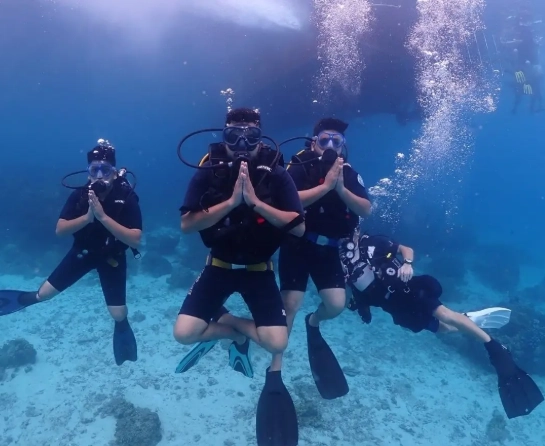
The Hidden & Overlooked Costs (The Budget Killers)
This is where budgets die. You've calculated your dive packages, but forgot these:
The "Oh Right, I Need That" List
- Travel Insurance with Dive Cover: Non-negotiable. A standard travel policy often excludes scuba diving below 10 meters. You need specific dive insurance like DAN or a policy from World Nomads that includes it. This can cost $50-$150 for a trip, but a chamber ride costs tens of thousands.
- Getting to the Dive Location: A flight from Bangkok to Koh Samui (for Koh Tao) is pricier than a bus+ferry. The speedboat from Phuket to Koh Lipe isn't cheap. Factor in internal transport.
- Dive Computer Rental: If you don't own one, renting is smart for safety and extending bottom time. 200-400 THB/day adds up.
- Tips for Crew/Guides: It's customary and appreciated. Budget 200-500 THB per diving day. Good service deserves it.
- Small Personal Gear: Buying a mask, snorkel, and boots that fit perfectly before you go will save you rental hassles and costs, and improve your comfort immensely.
How to Save Money on Diving in Thailand (Without Being Unsafe)
You can be smart about the scuba diving in Thailand cost.
1. Book Multi-Day or Package Deals. Almost every shop offers discounts for booking 3, 5, or 10 dives upfront. The per-dive cost drops significantly.
2. Travel in a Group. Some liveaboards or private boat charters offer discounts for group bookings.
3. Go in the Shoulder Season. The best weather (and prices) for the Andaman Coast (Phuket, Similans) is roughly November to April. Booking in late October or early May might get you slightly lower prices and fewer crowds, with still-decent weather. The Gulf (Koh Tao) is diveable year-round, though it can be rainy.
4. Bring Your Own Core Gear. At minimum, a mask, snorkel, boots, and a computer. This saves rental fees and ensures comfort. Regulator and BCD are a bigger commitment, but if you dive often, it pays off.
5. Choose Your Base Wisely. Want to do a Similan liveaboard? Don't stay in Bangkok. Stay in Phuket or Khao Lak to avoid extra transfer costs to the departure point.
Your Personal Budget Worksheet (Rough Estimates)
Let's build a sample budget for a 7-day dive trip for a certified diver, based in Phuket, doing 3 days of 2-tank local dives and one 3-day/2-night budget Similan liveaboard.
- 3 Days of Local Diving (Racha): 3 x 4,000 THB = 12,000 THB
- Budget Similan Liveaboard (ex. park fees): = 20,000 THB
- Liveaboard Park Fees (4 days): 4 x 500 THB = 2,000 THB
- Dive Computer Rental (6 days): 6 x 300 THB = 1,800 THB
- Tips (6 diving days): 6 x 300 THB = 1,800 THB
- Dive Insurance (for trip): ~ 2,000 THB
Subtotal for Diving Only: ~ 39,600 THB (about $1,090 USD).
Now add non-diving costs: Flights to Phuket, 7 nights of accommodation (some on the boat), all meals on land, transport, beers. That's easily another 15,000 - 25,000+ THB depending on your style.
So a solid, active diving week can realistically cost a solo traveler 55,000 - 65,000 THB ($1,500 - $1,800 USD) all-in. You can do it cheaper (hostels, fewer dive days, Koh Tao). You can do it far more expensively (luxury liveaboard, beachfront hotel).
Frequently Asked Questions on Scuba Diving in Thailand Cost
Is it cheaper to get certified in Thailand or at home?
Almost always cheaper in Thailand, even with flights. The cost of living and operating a dive shop is lower. The trade-off is you're doing your training in a vacation environment, which can be more fun but also more distracting. The quality can be excellent if you choose a reputable shop.
How much cash should I bring for a dive trip?
Most dive shops accept credit cards (often with a 3% fee). However, for park fees, tips, small equipment rentals, drinks on the boat, and meals in local restaurants, you'll need Thai Baht in cash. I'd recommend having at least 8,000-10,000 THB in cash for a week-long trip for these incidentals.
Are there any "all-inclusive" dive resorts?
Yes, but they are rare in Thailand compared to the Maldives or Caribbean. Some higher-end resorts, especially on islands like Koh Lipe, may offer packages that include accommodation, meals, and a set number of dives. These simplify planning but are usually at a premium price point. You're often paying for convenience and resort amenities.
What's the single best way to reduce my overall cost?
Stay longer and dive more. The per-dive cost plummets on multi-day packages. Instead of a frantic 3-day trip, make it a 10-day trip. You'll get more dives for your baht, acclimate to the time zone, and have a more relaxed experience. The fixed costs (flights, travel insurance) get amortized over more diving days.
Final Thoughts: It's an Investment, Not Just a Cost
When you look at the final number, it might seem like a lot. But think about what you're buying. You're not buying a commodity. You're buying access to an alien world. You're buying the memory of hovering weightless over a coral garden as a turtle glides by. You're buying the feeling of your regulator crackling as you breathe, watching the sun rays cut through blue water.
Scuba diving has upfront costs. The scuba diving in Thailand cost is your ticket in. Do your research, ask the right questions ("What's NOT included?"), budget for the hidden fees, and choose a shop that values safety and guiding over herding.
Thailand offers some of the most accessible, diverse, and rewarding diving on the planet. With a clear budget, you can enjoy every minute of it without a financial headache lurking on the surface. Now go check your bank balance and start looking at flights. The water's waiting.


Comments