Quick Navigation
- Why Koh Tao? The Good, The Bad, and The Bubbly
- The Dive Sites: From Classroom Reefs to Blue Water Adventures
- Getting Certified: Navigating the Dive School Jungle
- Planning Your Trip: The Nitty-Gritty Details
- Beyond the Bubbles: Conservation and Being a Responsible Diver
- Frequently Asked Questions (The Real Ones Divers Ask)
Let's be honest. When you think about scuba diving in Thailand, a few names pop up. Phuket, maybe the Similan Islands. But the one that keeps coming back, especially if you're on a budget or thinking about getting certified, is Koh Tao. The "Turtle Island." It's got a reputation. Some call it a backpacker's dive factory. Others swear it's the best place they've ever put on a tank.
I've been there. Multiple times, actually. First as a wide-eyed Open Water student over a decade ago, and later returning to dive the more advanced sites. I've seen the chaos of Sairee Beach and the serene sunsets from the west coast. I've had incredible dives where the fish were so thick you couldn't see the reef, and I've had dives where, well, let's just say the visibility wasn't what the brochure promised.
This guide isn't going to just sell you a dream. It's going to give you the real picture of Thailand diving Koh Tao style. The good, the occasionally not-so-good, and everything practical you need to know to plan a trip you'll actually enjoy. Whether you're a total newbie looking for your first breath underwater or an experienced diver hunting for whale sharks, let's break it down.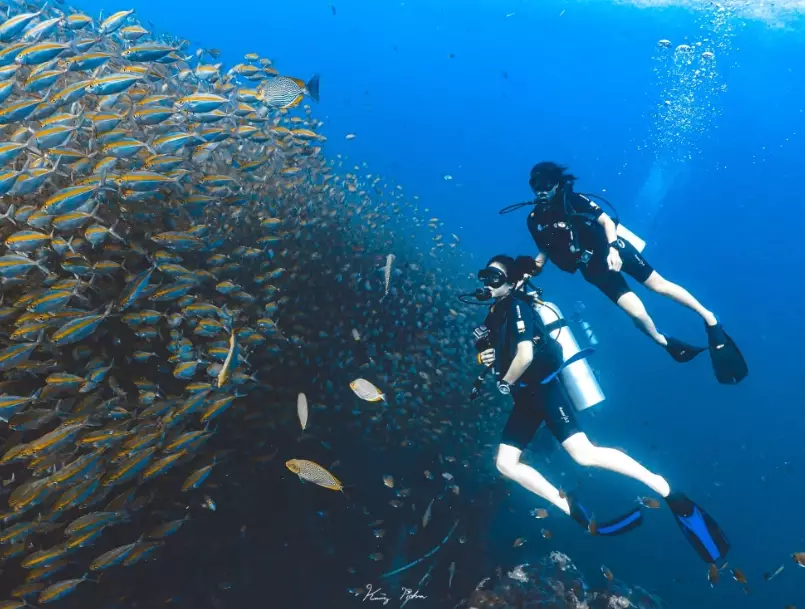
So, what's the real deal with Koh Tao? In a nutshell, it's a relatively small island in the Gulf of Thailand that has become one of the most popular places in the world to get scuba certified. The water is generally warm and calm, the marine life is decent, and the prices are famously affordable. But is it really that simple?
Why Koh Tao? The Good, The Bad, and The Bubbly
You don't become a global diving hub by accident. The rise of diving in Koh Tao Thailand is built on a few solid pillars, but it's wise to know what you're signing up for.
The Major Pros:
- Cost: This is the big one. Getting your PADI Open Water Diver certification on Koh Tao is often significantly cheaper than almost anywhere else in the world, including other parts of Thailand. We're talking sometimes half the price you'd pay in the Caribbean or Australia. Fun dives are also very reasonably priced.
- Ideal Learning Conditions: The bays around the island, like Japanese Gardens or Twins, are shallow, protected, and usually have minimal current. This makes them perfect training grounds for nervous first-timers. The water is warm (around 28-30°C year-round), so you often don't need more than a thin wetsuit.
- Convenience & Density: Everything is dive-centric. The main street in Sairee Beach is lined with dive shops. Boats leave constantly. You can decide to get certified today and be in the water tomorrow. The infrastructure for divers is incredibly efficient.
- Vibe: It's a social island. You'll meet people from all over the world in the same boat as you (literally). If you're traveling solo, it's incredibly easy to make friends.
The Cons & Things to Manage:
- It Can Feel Crowded: Especially at the popular, easy dive sites. Don't expect to have a pristine reef to yourself. You might be sharing the space with several other boatloads of students. This was my biggest gripe on some return visits.
- Marine Health Varies: Decades of heavy diving traffic have taken a toll on some of the closer, shallower reefs. Coral bleaching is a real issue, as it is globally. The best marine life and health are often found at the sites farther from shore.
- "McDiving" Perception: Some of the mega-schools process a lot of students. While this makes it cheap and efficient, you might not get the ultra-personalized, one-on-one attention you would at a tiny shop in a remote location. You need to choose your shop carefully.
- Seasonal Visibility: The Gulf of Thailand has a monsoon season (roughly November to December). During this time, rain and wind can churn up the water, reducing visibility dramatically and sometimes making diving impossible for days. Timing is key.
My personal take? If you're prioritizing budget and a smooth, social learning experience, Koh Tao is incredibly hard to beat. If your absolute top priority is pristine, untouched reefs and total solitude, you might want to look at more remote (and expensive) destinations. For most people starting their diving journey, the pros of Thailand diving Koh Tao far outweigh the cons.
The Dive Sites: From Classroom Reefs to Blue Water Adventures
Koh Tao's diving scene is tiered. There are the gentle training sites, the classic intermediate spots, and the advanced pinnacles that attract the bigger animals. Here’s a breakdown of where you'll likely be spending your time underwater.
The Training Grounds (Beginner Sites)
These are the "backyard" sites, mostly in Mae Haad Bay or around the southern coast. They're quick to reach, shallow, and calm.
- Japanese Gardens: A sprawling, shallow sandy area dotted with coral bommies. Perfect for practicing skills. You'll see lots of juvenile fish, maybe a blue-spotted stingray hiding in the sand.
- Twins & Aow Leuk: Two adjacent sites. Twins has a cool swim-through at about 12 meters. Aow Leuk is a small bay with a nice wall. Great for second or third ocean dives after your confined sessions.
- Hin Wong Pinnacle: A bit deeper but usually sheltered. A large pinnacle rising from the sand, often with good fish life. A good introduction to a more "proper" reef structure.
The Classics (Intermediate Favorites)
These are the bread-and-butter sites that make up most fun dive itineraries. They offer more variety, depth, and life.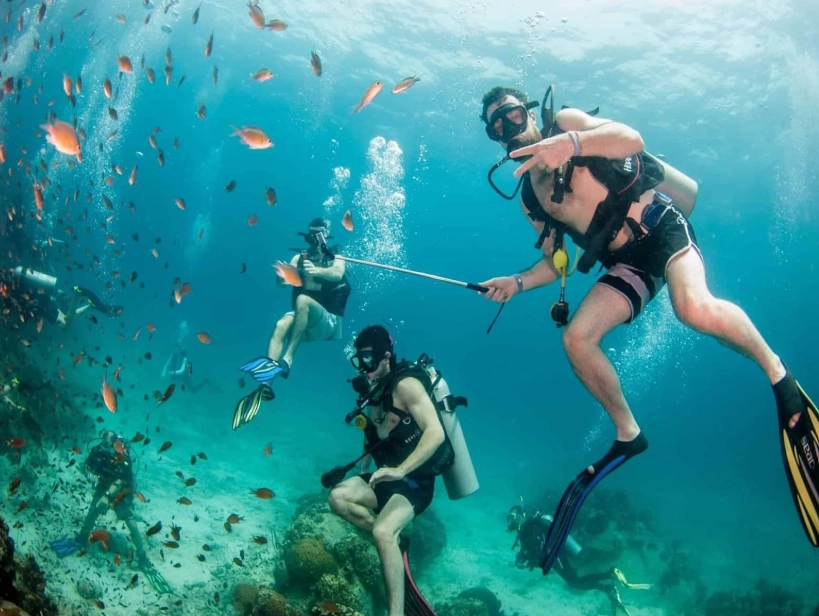
| Site Name | Max Depth | What You'll See | Best For |
|---|---|---|---|
| Chumphon Pinnacle | ~36m | The island's famous site. A collection of huge granite boulders in open blue water. Famous for schooling barracuda, giant groupers, and frequent whale shark visits (sheer luck required!). | Advanced divers. Strong currents possible. The big animal lottery. |
| Southwest Pinnacle | ~28m | Another open-water pinnacle. Often has strong currents bringing in plankton and predators. Look for tuna, trevally, and big angelfish. | Drift diving, seeing pelagics. |
| White Rock | ~28m | Two large rock formations near each other. Covered in colorful soft corals, anemones with clownfish, and tons of reef fish. Very photogenic. | Colorful corals, macro life, photography. |
| Green Rock | ~25m | A labyrinth of swim-throughs, caves, and chimneys. Home to large moray eels and sleeping leopard sharks. A fun, playful dive. | Swim-throughs, adventure, leopard sharks. |
| Sail Rock | ~28m | Located halfway to Koh Phangan, this is a Gulf of Thailand signature site. A massive rock with a famous vertical chimney you can ascend through. Huge schools of fish, and often the best visibility in the area. | Best overall reef health, big schools, the iconic chimney. |
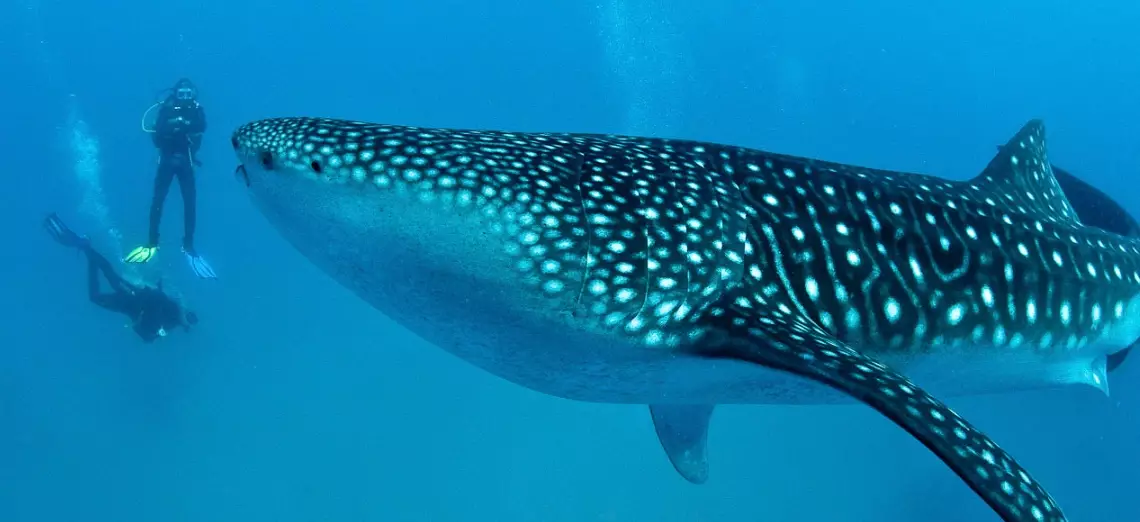
My Experience at Chumphon: I've dived Chumphon Pinnacle three times. Twice, it was a nice dive with some big jacks and barracuda hanging in the blue. But once, about five years ago, we hit the jackpot. Out of the deep blue, a juvenile whale shark, maybe 5 meters long, glided past the pinnacle. It circled for a good ten minutes before vanishing. That moment is why divers keep going back to sites like that. It's rare, but it happens. For reliable whale shark sightings, you'd need to go to specific places at specific times (like Cenderawasih Bay), but in Koh Tao, it's always a thrilling possibility.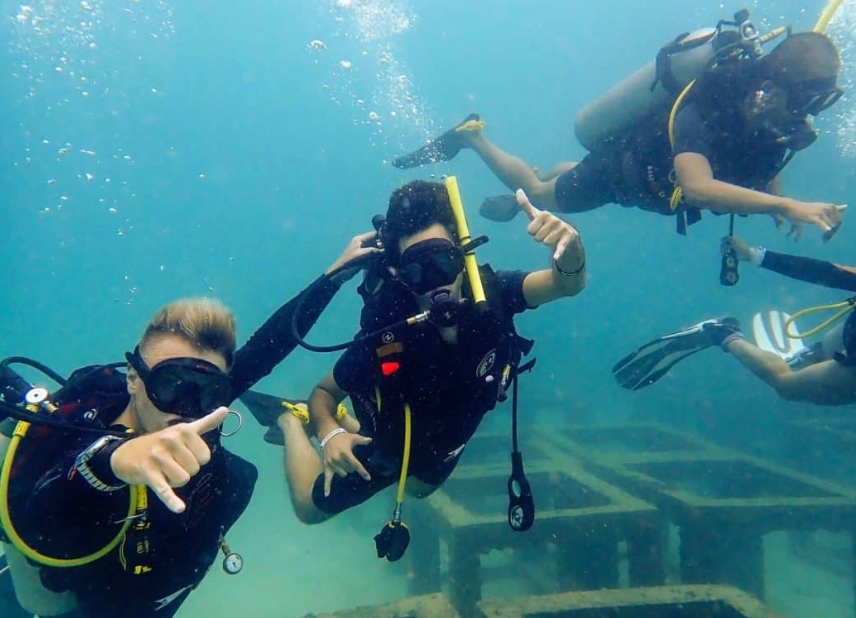
Getting Certified: Navigating the Dive School Jungle
This is probably the #1 question people have. With over 70 dive schools on a small island, how do you choose? The sheer volume is a big part of what makes scuba diving Thailand Koh Tao so accessible and cheap.
First, understand the main players. The certifications are globally recognized (mainly PADI and SSI), so it's more about the school's style and service.
Big vs. Small Schools: The large, well-known resorts (think Ban's, Big Blue, Crystal) have huge fleets, their own pools, and dozens of instructors. They run like clockwork and are great if you want a very social atmosphere. Smaller shops might offer a more personal touch, with smaller class sizes and more flexibility. There's no universally "best" choice—it depends on your personality.
Key Questions to Ask Any School:
- Class Size: "What is the maximum student-to-instructor ratio in the water?" PADI standards allow 8:1 for Open Water, but a good school will keep it lower, especially for confined sessions. 4:1 is excellent.
- Boat Schedules: "Do you have your own boats, or do you use shared taxis?" Own boats mean more control over timing and sites.
- Equipment: "Is all rental equipment included in the price?" It should be. Take a glance at their gear—is it well-maintained?
- Accommodation: Many offer cheap package deals with basic bungalows. Ask to see a room first if that's important to you.
I did my Open Water with one of the mid-sized schools, not one of the giants. My group had three students, and I felt very well looked after. A friend did hers at a mega-resort and had a blast with her group of eight, loving the party atmosphere afterwards. Different strokes.
For the most authoritative information on dive training standards and safety, always refer to the main certifying agencies. PADI's official website and SSI's official website are the primary sources for understanding what your course should entail.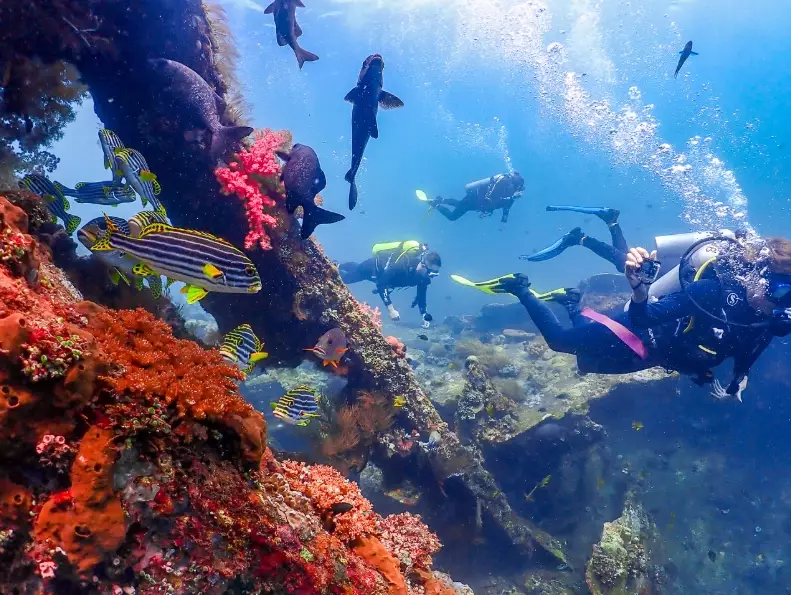
Planning Your Trip: The Nitty-Gritty Details
Okay, you're sold on the idea. How do you actually make it happen?
Getting to Koh Tao
It's an island, so you'll need a boat. The main routes are:
- From Bangkok: Overnight train or bus to Chumphon, then ferry. Or bus to Surat Thani, then ferry. The Lomprayah catamaran is a popular, reliable option. The Seatran ferry is another major operator.
- From Koh Samui or Koh Phangan: Direct ferries (about 1-2 hours).
Book your ferry+bus combo tickets online in advance during high season. Trust me on this.
When to Go for Diving
- Best Time (High Season): March to September. Generally calm seas, sunny skies, and the best visibility (often 15-30 meters). This is the peak tourist and diving period.
- Shoulder Season: October & January-February. Can be good, but weather starts to become less predictable. Some windy days possible.
- Monsoon Season (Low Season): November & December. The Gulf's main rainy season. Diving can be limited or canceled for days due to wind and waves. Many dive shops close for holiday. I'd avoid planning a dive trip during this time unless you have a very flexible schedule.
For official weather and marine forecasts, the Thai Meteorological Department website is the authoritative source, though it can be technical.
What to Pack (The Diver's List)
Beyond your usual Thailand backpack, consider:
- Must-Haves: Your certification card (if already certified), a logbook, seasickness pills (even if you think you don't need them), reef-safe sunscreen, a rash guard for sun protection underwater.
- Nice-to-Haves: Your own mask (a perfect fit is worth its weight in gold), a dive computer (you can rent, but it's good to learn your own), a surface marker buoy (SMB) if you're certified to use one.
- Leave at Home: Heavy dive gear like BCDs and regulators—rental is easy and cheap, and you avoid airline fees.
Beyond the Bubbles: Conservation and Being a Responsible Diver
This is critical. The popularity of Thailand diving Koh Tao comes with a responsibility. The reefs are under pressure.
What you can do:
- Master Your Buoyancy: This is the #1 skill for protecting the reef. Crushing coral with a knee or fin kick does real damage. Practice hovering.
- Don't Touch Anything. Ever. No poking the anemones, no riding the turtles, no collecting shells. Look with your eyes, not your hands.
- Choose Reef-Safe Sunscreen: Chemicals like oxybenzone bleach and kill coral. Use mineral-based sunblocks (zinc oxide, titanium dioxide) or wear a rash guard.
- Support Eco-Conscious Operators: Many shops now run conservation projects—coral planting, beach clean-ups, buoy mooring maintenance. Ask about them. Look for shops affiliated with Green Fins, an international initiative for sustainable diving.
- Say No to Single-Use Plastics: Bring a reusable water bottle. Most dive boats have large water jugs for refills.
The island's dive community is acutely aware of these issues. By being a conscientious diver, you're helping ensure the future of diving in Koh Tao Thailand.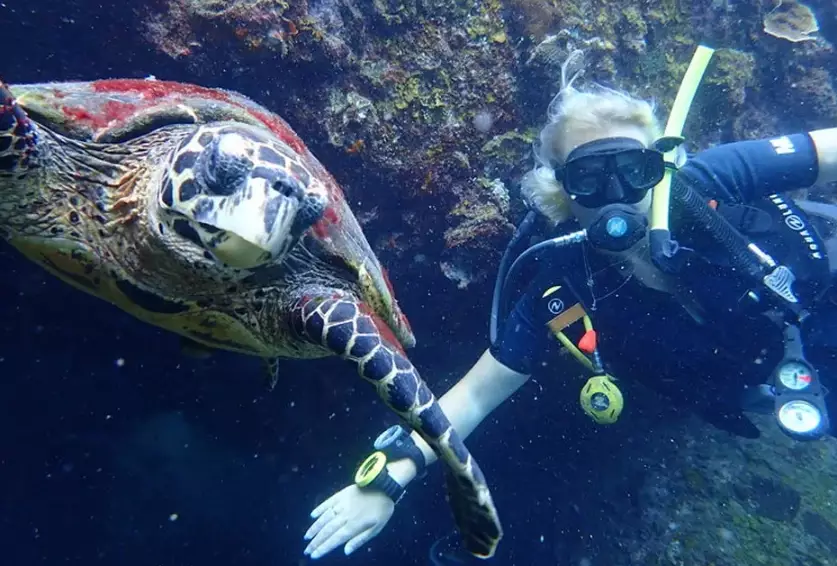
Frequently Asked Questions (The Real Ones Divers Ask)
Is Koh Tao diving good for beginners?
Yes, it's one of the best places in the world to start. The conditions are forgiving, the instructors are experienced with new divers, and the price is right. Just do your research to find a school whose style matches your learning preference.
Can you see whale sharks in Koh Tao?
You can, but you cannot guarantee it. They are wild, migratory animals. Chumphon Pinnacle and Sail Rock are the most likely spots, especially between March and June. Seeing one is a matter of being in the right place at the right time—a wonderful bonus, not a promise.
How much does it cost to dive in Koh Tao?
As of my last visit, budget roughly:
- PADI Open Water Course: 9,500 - 14,000 THB (~$260 - $380 USD).
- Fun Dives (2 dives): 2,500 - 3,500 THB (~$70 - $100 USD), including gear.
Prices vary by shop, season, and how many dives you book in a package. Always check what's included.
Is it safe?
Scuba diving has inherent risks, which is why proper training is essential. Koh Tao has a very high volume of dives, and the professional dive schools adhere to international safety standards. Listen to your briefings, be honest about your health and skills, and don't push your limits. The biggest everyday risks are usually sunburn and seasickness, not sharks.
How many days do I need?
For an Open Water course, plan for 3.5 to 4 full days minimum. For fun diving, I'd recommend at least 2-3 days to experience a variety of sites, as weather can sometimes cancel a day.
At the end of the day, your experience with Thailand diving Koh Tao is what you make of it.
Go in with realistic expectations. You're not diving an untouched atoll in the middle of the Pacific. You're diving a vibrant, busy, affordable, and incredibly accessible underwater world that has introduced millions to the joys of scuba. Choose your dive operator wisely, respect the ocean, and focus on the experience of weightlessness and the thrill of breathing underwater. The barracuda schools at Chumphon, the playful swim-throughs at Green Rock, the sheer convenience of it all—that's the magic of Koh Tao.
It might just turn you into a diver for life. It did for me.
Your comment