In This Guide
- Why Thailand Tops the List for First-Time Divers
- The Top Contenders: Breaking Down the Best Beginner Dive Sites
- How to Choose Your Perfect Beginner Dive Spot
- What to Really Expect: The Nitty-Gritty of Your First Course
- Budgeting Beyond the Course Fee
- Your Questions, Answered (The Stuff You're Secretly Worried About)
- Wrapping It Up: Taking the Plunge
Let's be real. Typing "best scuba diving in Thailand for beginners" into Google is equal parts excitement and sheer panic. The excitement is obvious – you're about to see a whole new world. The panic? Well, that comes from the overload of information. Which island? How much does it really cost? Is it safe? I remember feeling exactly that before my first dive years ago.
Thailand isn't just a good place to learn; for my money, it's arguably the best scuba diving in Thailand for beginners you can find globally. The water is warm, the marine life is ridiculous, and the infrastructure for new divers is top-notch. But not every spot is created equal. Some are crowded, some are overpriced, and some are just a bit too advanced for a first-timer.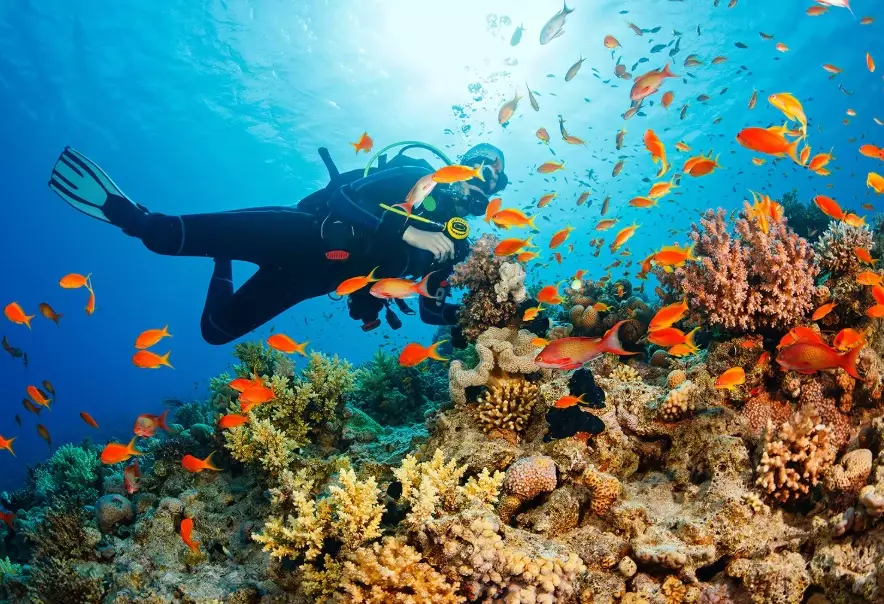
This guide is what I wish I had. We're going to cut through the noise, compare the top spots head-to-head, talk real budgets, and answer all those nagging questions you have before booking a thing. No fluff, just the stuff that actually matters.
Why Thailand Tops the List for First-Time Divers
It's not an accident that Thailand is a mecca for new divers. Think about what you need as a beginner: calm(ish) conditions, clear water so you're not freaked out, lots of fish to keep it interesting, and a ton of professional dive schools. Thailand checks every box.
The Andaman Sea (west side, like Phuket) and the Gulf of Thailand (east side, like Koh Tao) offer slightly different experiences, but both are fantastic launchpads. The culture of diving here is very much geared towards education. You'll find more PADI (Professional Association of Diving Instructors) dive centers here than almost anywhere else. That competition keeps standards high and, often, prices reasonable.
I've dived in a few places around Southeast Asia, and the sheer convenience in Thailand is a huge plus. Travel connections are easy, accommodation ranges from budget bunks to fancy resorts right next to dive shops, and the post-dive vibe—whether it's a beach barbecue or a smoothie by the pool—is just perfect for reliving your underwater adventures.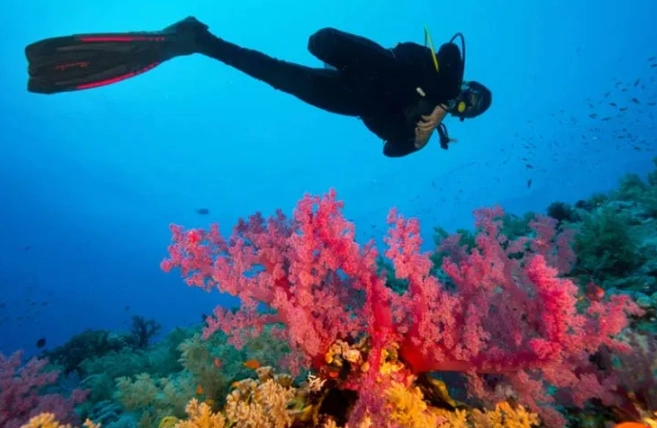
The Top Contenders: Breaking Down the Best Beginner Dive Sites
Alright, let's get into the meat of it. Where should you actually go? We'll look at the big three hubs for beginners, then compare them side-by-side so you can see what fits your style.
Koh Tao: The Diver Factory (For Good Reason)
Koh Tao gets a mixed rep. Some people call it a diver factory, churning out new Open Water divers every day. And... they're not wrong. But there's a reason for that: it does the job incredibly well for first-timers.
The sites around Koh Tao, like Japanese Gardens or Twins, are shallow, sheltered bays with sandy bottoms and gentle slopes. You're rarely in deep water during your training dives. The marine life isn't the most spectacular you'll ever see (though you'll definitely see plenty of friendly fish and maybe a turtle), but that's not the point here. The point is a stress-free learning environment. I did my Advanced course here, and even as a slightly more experienced diver, I appreciated how relaxed the sites were for practicing new skills.
The downside? It can feel a bit transactional. If you dream of a remote, personalized experience, this might not be it. Also, certain areas of the island, especially Sairee Beach, can get very busy.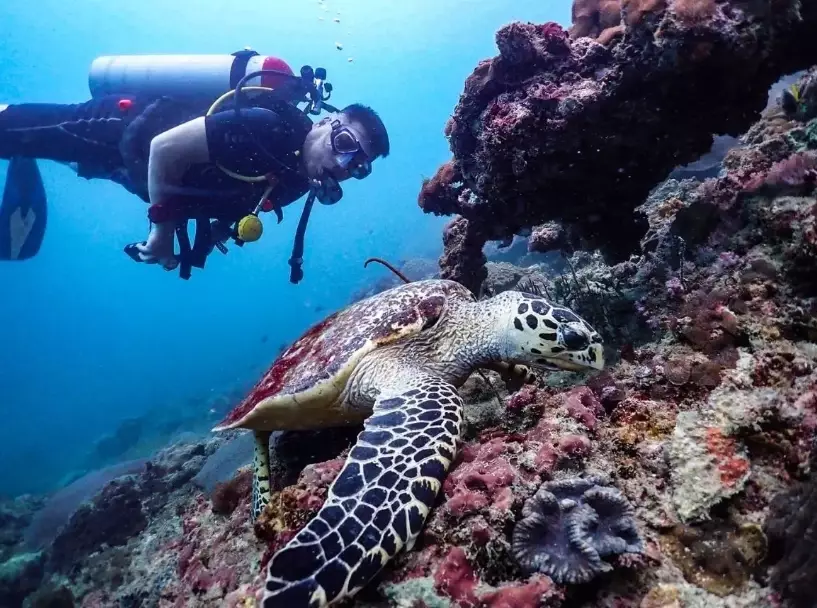
Phuket & the Phi Phi Islands: The Classic Postcard Experience
Phuket is the gateway to the famous Andaman Sea. For beginners, this usually means day trips to places like the Phi Phi Islands (yes, that Maya Bay from the movie The Beach is nearby) or the local reefs around Racha Yai.
The water here tends to be a stunning clear blue, and the underwater scenery—with its dramatic limestone karsts continuing beneath the surface—is breathtaking. Sites like Banana Bay at Racha Yai are perfect for beginners: shallow, calm, and teeming with tropical fish and often reef sharks (harmless, I promise!).
Phuket itself is a full-blown, bustling tourist destination. You have every amenity imaginable. The dive shops are professional, often with fancy boats. The trade-off is that this is generally a more expensive option than Koh Tao, both for the course and for your overall stay.
The Similan & Surin Islands: For the Adventurous Beginner
Now, this is a special one. The Similan and Surin Islands, accessible from Khao Lak or sometimes Phuket via liveaboard boats, are often billed as for experienced divers. But hear me out. If you're a confident swimmer and the idea of a "diver factory" turns you off, a dedicated beginner-friendly liveaboard trip here could be the best scuba diving in Thailand for beginners with an adventurous streak.
These are protected national parks with some of the healthiest reefs and clearest water in Thailand. We're talking blinding white sand and water so blue it looks edited. Dive operators specifically design itineraries for new divers, sticking to the easier sites like East of Eden or Breakfast Bend.
You're paying for pristine nature. The downside is cost (liveaboards aren't cheap) and commitment (you're on a boat for 3-4 days). It's also more weather-dependent, as the national parks are closed during the monsoon season (roughly May to October). But if you can swing it, learning to dive surrounded by that kind of untouched beauty is unforgettable.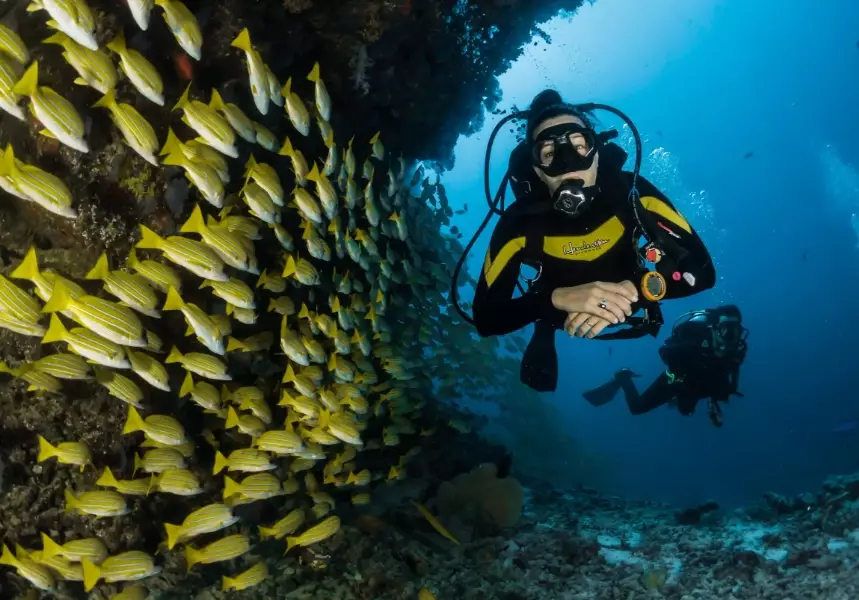
| Destination | Best For | Typical Beginner Sites | Vibe & Environment | Approx. 3-Day Open Water Course Cost (USD) |
|---|---|---|---|---|
| Koh Tao | Budget-conscious learners, social butterflies, convenience. | Japanese Gardens, Twins, White Rock. | Vibrant, backpacker-friendly island. Sheltered, shallow bays. Can be crowded. | $280 - $380 |
| Phuket/Phi Phi | Those wanting classic Andaman beauty, resort amenities, day-trip flexibility. | Racha Yai (Banana Bay), Phi Phi's lesser-known bays. | Professional, tourist-heavy. Stunning blue water & rock formations. Boat rides to sites. | $350 - $500 |
| Similan/Surin Islands | Adventurous souls prioritizing pristine nature over nightlife. | East of Eden, Breakfast Bend (on tailored itineraries). | Remote, protected national park. Liveaboard experience. Requires more time & budget. | $600 - $900 (for a 4-day/3-night beginner liveaboard package) |
How to Choose Your Perfect Beginner Dive Spot
Seeing them in a table helps, but how do you decide? Ask yourself these questions:
- What's your budget really like? Factor in the course, accommodation, food, and transport. Koh Tao wins on pure cost-effectiveness.
- What's your travel style? Party island? Chill resort? Remote adventure? Match the island vibe to your own.
- How do you feel about boat rides? In Phuket/Similans, you'll spend significant time on boats. In Koh Tao, you're often diving from the beach or a short long-tail ride away.
- When are you going? This is huge. Thailand has two main coastlines with opposite monsoon seasons.
- Gulf of Thailand (Koh Tao, Koh Samui): Best from March to October. Rainier from November to February.
- Andaman Sea (Phuket, Khao Lak/Similans): Best from November to April. Closed/stormy from May to October.
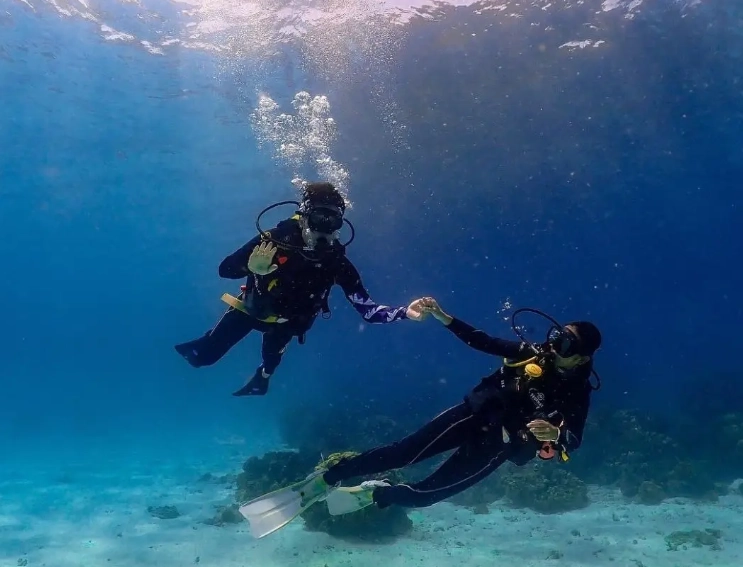
Picking a Dive School: It's Not Just About Price
Once you pick a location, choosing the right school is critical. Don't just book the cheapest option online. Here's what to look for:
- Small Class Sizes: Ask directly: "What is the maximum student-to-instructor ratio?" 4:1 is good. 8:1 is a red flag.
- Equipment Quality: Newer, well-maintained gear makes a world of difference. You can often gauge this from reviews or by asking if they have equipment for smaller/larger divers.
- Focus on Fundamentals: A good school spends time on buoyancy control from day one, not just rushing you through skills. This is the most important skill in diving, period.
- Check Credentials: Ensure they are a registered PADI 5-Star Dive Center or a similar top-tier rating from SSI or RAID. You can verify this on the PADI website.
Email a few schools with specific questions. Their responsiveness and detail will tell you a lot about their customer care.
What to Really Expect: The Nitty-Gritty of Your First Course
Let's demystify the process. A standard PADI Open Water Diver course takes 3-4 full days and has three parts:
- Knowledge Development: You'll watch videos, read the manual, and take quizzes. Most shops do this via e-learning now, which you can (and should!) do at home before you travel. Saves so much time.
- Confined Water Dives: This is in a pool or a very calm, shallow beach. You'll learn how to set up your gear, breathe underwater, clear your mask (you will get water up your nose), and recover your regulator. It feels weird at first, then it clicks.
- Open Water Dives: Four dives over two days in the actual ocean, applying your skills and just enjoying swimming around. Your instructor will be right with you the whole time.
The physical part isn't about being an athlete. It's about being reasonably comfortable in the water. You'll need to tread water for 10 minutes and swim 200 meters (any stroke, no time limit). If you're not a strong swimmer, practice before you go.
Budgeting Beyond the Course Fee
The advertised course price rarely includes everything. Here’s a realistic breakdown of potential extra costs to avoid surprises:
- PADI e-Learning & Certification Fee: Often not included. This can be $150-$200 paid directly to PADI.
- National Park Fees: If diving in Marine National Parks (Similans, Surin, parts of Phi Phi), you'll pay a 500-600 THB per day fee.
- Equipment Rental: Sometimes mask, snorkel, fins, and a dive computer are extra. Confirm what's included.
- Accommodation: Some packages include it, most don't.
- Underwater Photos: They'll offer them. It's usually overpriced, but hey, it's your first dive. Up to you.
My advice? Get a final, all-inclusive quote in writing from the dive center before you book your flights.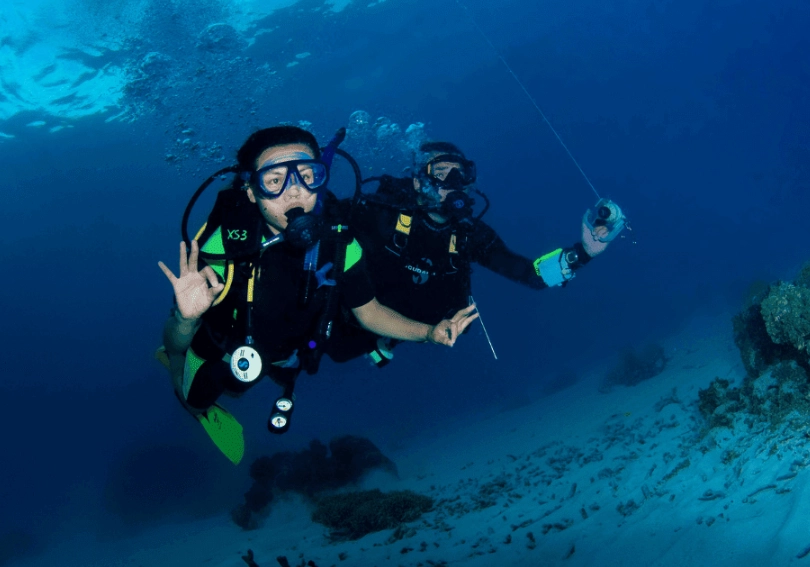
Your Questions, Answered (The Stuff You're Secretly Worried About)
"Do I need to be a fantastic swimmer?"
No, but you need to be water-confident. The swim test is very manageable. If you're terrified of putting your face in the water, maybe try a snorkeling trip first. But if you're okay in a pool, you'll be fine. The scuba gear does most of the work.
"What if I panic underwater?"
This is every beginner's fear. A good instructor will progress slowly, starting in chest-deep water. You learn hand signals to communicate "I'm not okay" and drills to recover your air source. The training is literally designed to prevent panic by building muscle memory and confidence in small steps. Breathe. Always just keep breathing.
"I wear glasses/contacts. Can I dive?"
Yes! You have options: wear soft contacts under your mask (I do this), get a mask with prescription lenses (dive shops can often fit them), or just accept that everything underwater is magnified by about 25% anyway, so your vision might be better than you think.
"Is it ethical? How can I dive responsibly?"
Brilliant question. Tourism has an impact. Choose operators who follow good practices: no anchoring on reefs, briefings that stress no touching (coral is alive and fragile!), and using reef-safe sunscreen. Look for shops affiliated with conservation projects like Project AWARE or The Reef-World Foundation (who run the Green Fins initiative). Your buoyancy control is your biggest tool—good divers hover without touching anything.
"What should I pack?"
Keep it simple: swimsuits, a rash guard for sun/reef protection, waterproof sunscreen, a hat, and a sense of adventure. Most dive shops provide everything else. Maybe bring a logbook if you want to get it stamped, but they'll usually give you one.
Wrapping It Up: Taking the Plunge
So, what's the verdict on the best scuba diving in Thailand for beginners?
- For value and ease, you can't beat Koh Tao.
- For stunning Andaman Sea scenery and resort comfort, look at Phuket with a carefully chosen day-trip operator.
- For an unforgettable, pristine adventure if your budget allows, seek out a beginner-specific Similan Islands liveaboard.
The most important thing isn't the specific location; it's choosing a reputable, safety-focused dive school that makes you feel comfortable. Do your homework, ask those questions, and listen to your gut.
Learning to dive in Thailand was one of the best decisions I ever made. That moment of breathing underwater for the first time, surrounded by silent, weightless beauty—it changes you. It opens up 70% of our planet that most people never see.
Your search for the perfect start ends here. Now you've got the knowledge. All that's left is to take a deep breath and go.
Your comment