Explore This Dive Guide
So you're thinking about strapping on a tank and exploring the underwater world of the Gulf of Thailand? Good choice. Forget what you might have heard about it being second-tier to the Andaman Sea. The Gulf has its own magic, a different kind of charm that's perfect for a huge range of divers, especially if you're just starting out or love vibrant coral gardens. I've spent a good chunk of time diving here, from the packed dive boats of Koh Tao to the quieter reefs near Koh Samui, and I'm here to give you the real picture—the stunning sights, the occasional frustrations, and everything in between.
This isn't just a list of dive sites. It's a full breakdown to help you decide if Gulf of Thailand diving is for you, when to go, what you'll actually see, and how to avoid the crowds if that's your thing. We'll get into the nitty-gritty of visibility (it can be fickle), the marine life you can expect (nudibranch lovers, rejoice), and the practical stuff that makes or breaks a trip.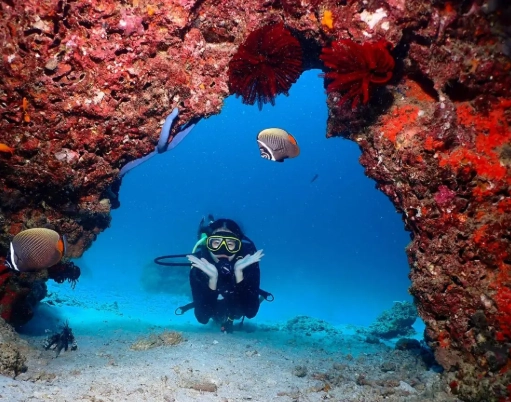
Why Choose the Gulf of Thailand for Diving?
Let's be real. When people dream of Thai diving, they often picture the Similan Islands in the Andaman Sea. Those are incredible, sure. But the Gulf side? It's the workhorse, the reliable friend, and the training ground of Southeast Asia. Here's what makes it special.
First, the conditions are usually gentler. The Gulf is sheltered by landmasses, meaning less current and smaller waves on average. This is a godsend for new divers who are still getting comfortable with buoyancy. The water is bathtub-warm—often 28-30°C (82-86°F) year-round—so a 3mm wetsuit or even just a rash guard is often enough. This comfort factor is huge.
Second, the infrastructure is unbeatable. Koh Tao is arguably one of the most popular places in the *world* to get your Open Water certification, and for good reason. The sheer number of dive schools means competitive prices, courses running daily, and instructors who have seen it all. You can go from never-dived to certified in three days, then jump on a fun dive the next morning. The convenience is staggering.
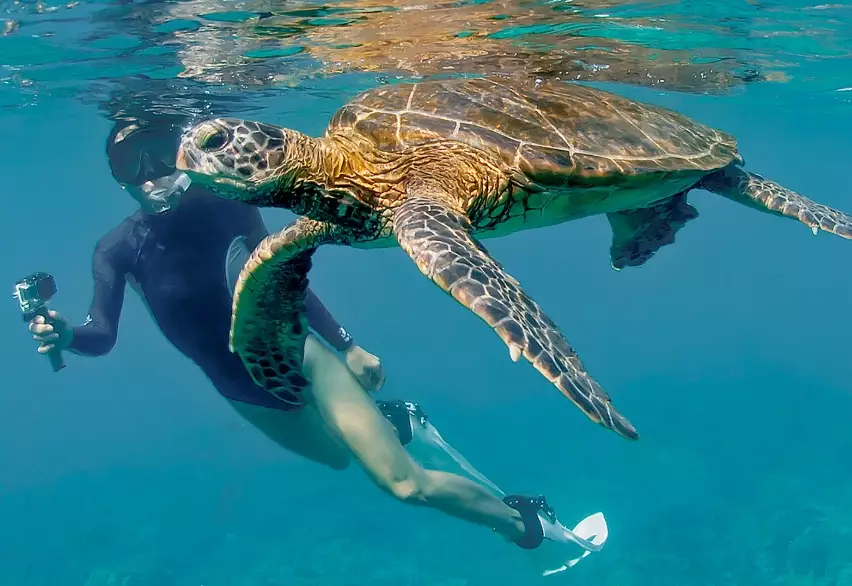
But is it all just for beginners? Not at all. While the Gulf of Thailand diving scene is beginner-friendly, it has plenty to offer experienced divers. The marine biodiversity is impressive if you know where to look. You get everything from tiny, technicolor nudibranchs and ornate ghost pipefish to bigger pelagics like barracuda, trevally, and even the occasional whale shark or bull shark (in specific areas and seasons). The macro photography opportunities are seriously underrated.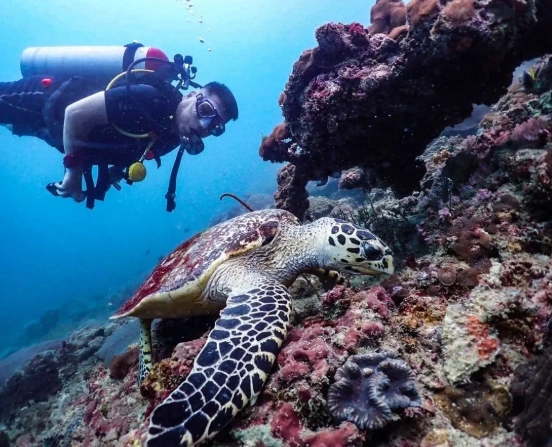
Third, it's about the vibe. Diving in the Gulf, especially around the islands, is social. You'll meet people from all over the world on the boat. The après-dive scene in Sairee Beach (Koh Tao) or Chaweng (Koh Samui) is legendary. It's a holiday destination that seamlessly blends adventure with relaxation.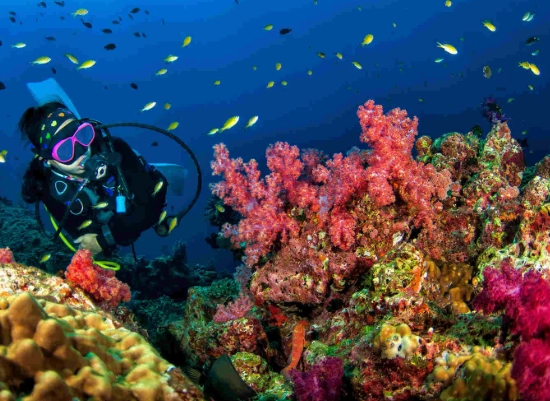
Top Dive Destinations in the Gulf of Thailand
The Gulf isn't one monolithic area. It has distinct regions, each with its own personality. Picking the right base is half the battle for a great trip.
Koh Tao: The Diver's Hub
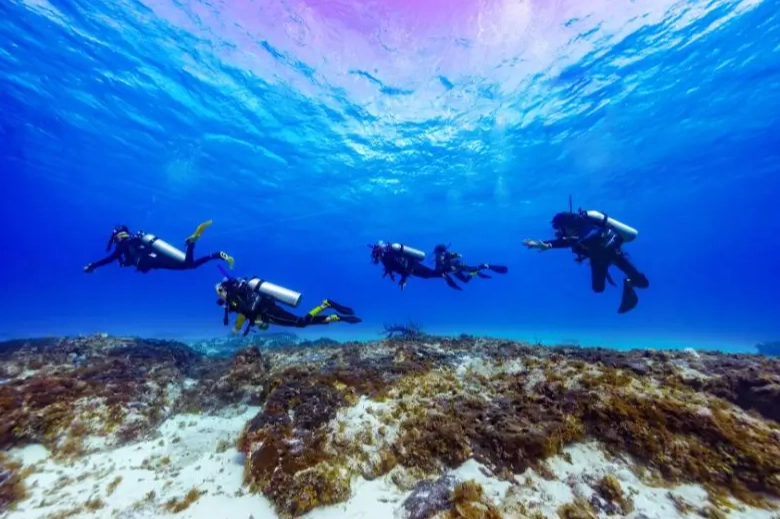
Let's start with the elephant in the room. Koh Tao is the epicenter for Gulf of Thailand diving. The island is small, but its coastline is ringed with over 25 dive sites accessible in under 30 minutes by boat. The reputation as a "factory" for new divers is partly true—you will see many students. But that also means the operations are slick, safety-conscious, and efficient.
Top Sites Around Koh Tao:
- Chumphon Pinnacle: The crown jewel. A submerged granite pinnacle rising from 36m to 14m. It's a magnet for pelagics. In the right season (Feb-May), you have a decent chance of seeing a Whale Shark cruising by. Even without the big guys, it's draped in dense purple and yellow soft corals, with schools of trevally and barracuda patrolling. Advanced divers only due to depth.
- Southwest Pinnacle: Another deep-water pinnacle, similar to Chumphon but sometimes with even better fish action. Great for big groupers and hunting trevally.
- White Rock & Red Rock: Twin sites between Koh Tao and Koh Phangan. These are shallower (max 28m), with swim-throughs, boulders, and a huge variety of marine life. Perfect for all levels. You'll see angelfish, triggerfish, pufferfish, and amazing coral formations.
- Japanese Gardens: The quintessential beginner site. A vast, shallow (4-12m) sandy slope dotted with stunning coral bommies (isolated coral patches). It's like swimming through a beautifully landscaped underwater park. Fantastic for buoyancy practice and spotting small critters.
The downside? Popular sites can get busy, especially during high season. A 6 AM start for Chumphon is common to beat the crowds. But the convenience and variety are hard to top.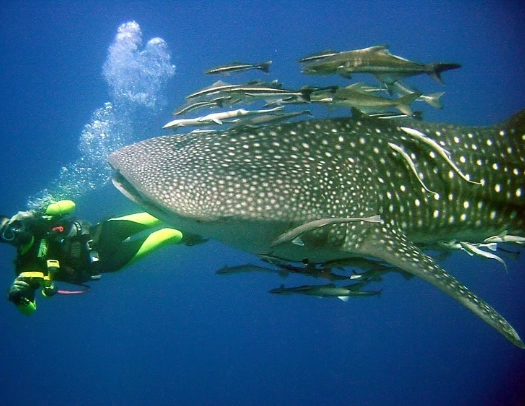
Koh Samui & Koh Phangan
These larger, more developed islands are better known for full-moon parties and luxury resorts, but they offer solid Gulf of Thailand diving options, often with fewer divers than Koh Tao.
Koh Samui's dive sites are a bit further out, so trips often feel more like an expedition. Sail Rock, located roughly halfway between Samui and Koh Tao, is arguably one of the best dive sites in the entire Gulf. It's a solitary rock island with a spectacular chimney swim-through that goes from 18m to the surface, covered in enormous gorgonian fans and dense schools of tropical fish. Whale shark sightings are also possible here.
Koh Phangan has its own local sites, like Hin Wong (a protected bay with a coral garden) and the dive sites around the nearby Ang Thong Marine Park, which offer a unique combination of diving and stunning limestone karst scenery above water.
The Mainland: Chumphon & Hua Hin
Often overlooked, the mainland coast offers a different, more exploratory feel. The reefs here, like those around the Chumphon Islands, are less frequently dived and can feel more pristine. The marine life is thriving because of less pressure. It's a great option if you want to escape the island hustle and have a more rugged adventure. The trade-off is that dive operations are fewer and less frequent than on the islands.
When to Go: Seasons, Visibility, and Marine Life
This is the most common question, and the answer isn't as simple as "dry season good, wet season bad." The Gulf of Thailand diving conditions are ruled by two main monsoon winds, but the reality is you can dive here year-round. The experience just shifts.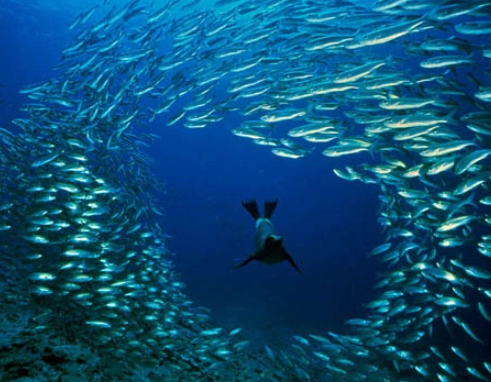
| Season | Months | Visibility | Water Temp | Key Highlights & Considerations |
|---|---|---|---|---|
| High Season (Best Vis) | March - August | 15m - 30m+ (Best) | 29°C - 31°C (84°F - 88°F) | Calm seas, sunny skies. Peak season for whale sharks (Feb-May). This is the most popular and reliable time. Can be crowded, especially on Koh Tao. |
| Shoulder Season | September - October, February | 10m - 20m (Variable) | 28°C - 30°C (82°F - 86°F) | Transition periods. Some rain possible, but often shorter showers. Fewer crowds, lower prices. Marine life is still very active. |
| Low Season (Green Season) | November - January | 5m - 15m (Most Challenging) | 26°C - 28°C (79°F - 82°F) | Northeast monsoon can bring wind, waves, and rain to the east coast (affecting Koh Samui/Phangan more). Koh Tao, on the west side, is more sheltered but can still have reduced vis. Few tourists, cheapest prices. Not all sites/operators run. |
That visibility note is crucial. I've dived in July with 30-meter vis that felt like flying in air, and I've dived in December where my dive buddy vanished if they were more than an arm's length away. The plankton blooms that reduce visibility also feed the marine ecosystem, so life is often abundant even when it's murky. You just have to look closer.
What about marine life seasons? Whale sharks, the gentle giants, are most frequently reported from February through May, with March-April being the peak. They are spotted at the offshore pinnacles (Chumphon, Sail Rock). Manta rays are much rarer in the Gulf than the Andaman Sea, but occasional sightings happen. For macro enthusiasts, there's no bad season—the nudibranchs, shrimps, crabs, and pipefish are always present.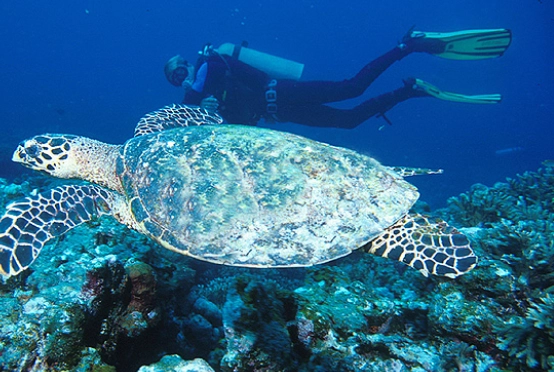
What Will You See? Marine Life of the Gulf
Expect a different cast of characters than the Andaman. The Gulf's seabed is largely a sandy plain with isolated rocky outcrops, pinnacles, and coral bommies. This structure creates perfect habitats for a huge variety of creatures.
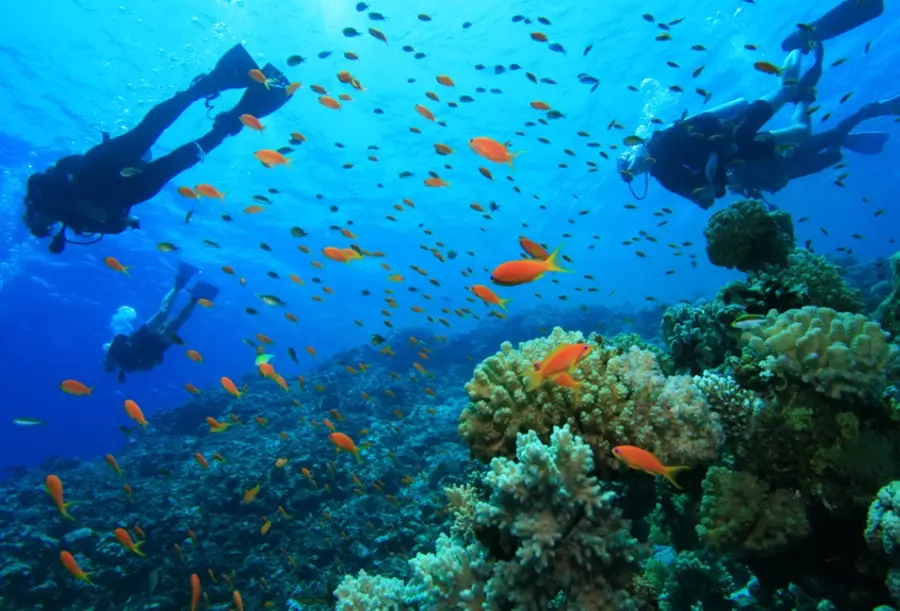
- Coral: You'll find extensive fields of hardy soft corals (sea fans, whip corals) and staghorn corals. The hard coral gardens at shallower sites like Japanese Gardens are vibrant and healthy in protected areas. It's not the endless wall of coral you might imagine, but beautiful, intricate gardens.
- Fish Life: The resident fish populations are strong. Look for schools of yellowtail barracuda, bigeye trevally, snapper, and batfish around the pinnacles. On the reefs, you'll see the usual tropical suspects: angel fish, butterflyfish, parrotfish (constantly munching on coral), triggerfish (be cautious during nesting season—they get territorial!), and moray eels peeking out from holes.
- Macro/Micro Life: This is where Gulf of Thailand diving shines. The sandy patches and coral rubble are hunting grounds for the weird and wonderful. You need a good guide or a sharp eye to spot: ornate ghost pipefish (masters of camouflage), flamboyant cuttlefish, various species of colorful nudibranchs, harlequin shrimp, and porcelain crabs. Every dive can be a treasure hunt.
- Big Pelagics: Seeing a whale shark is a lucky bonus, not a guarantee. Bull sharks are known to frequent certain wrecks and deeper areas, but are not commonly seen on recreational dives. Your regular "big" sightings will be the barracuda and trevally schools.
Practical Information for Planning Your Dive Trip
Getting There & Around
Most international flights land in Bangkok (BKK). From there, you have options:
- To Koh Tao/Samui/Phangan: The most integrated route is a combined bus and high-speed catamaran ferry. Companies like Lomprayah and Seatran offer seamless tickets from Bangkok. You can also fly from Bangkok to Koh Samui's airport (USM, often more expensive), then take a ferry to Koh Tao.
- To the Mainland Coast: You can take a train or bus directly to cities like Chumphon or Hua Hin.
On the islands, scooters are the main transport, but be extremely cautious if you're not experienced. Taxis and pickup truck "taxis" are available.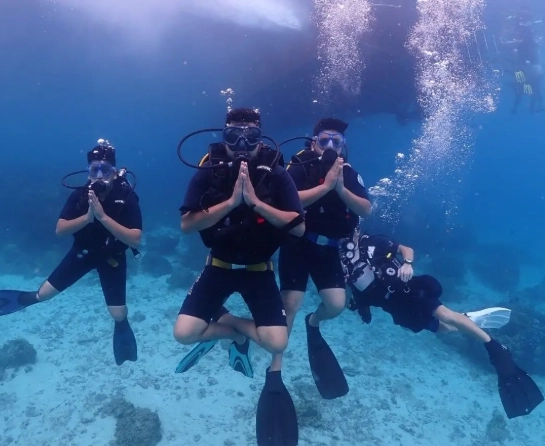
Choosing a Dive Operator
With so many on Koh Tao especially, how do you pick? Don't just go for the cheapest. Look for:
- Small Group Sizes: Ask how many divers they put with one guide. A ratio of 4:1 is good, 6:1 is fairly standard, more than that can feel crowded.
- Boat Quality: Look at photos. Larger, purpose-built dive boats with shaded areas, rinse tanks, and proper ladders make a day on the water much more comfortable.
- Environmental Practices: Do they offer reef-safe sunscreen? Do they brief against touching or kicking coral? A good operator cares.
- Reviews & Word of Mouth: Read recent reviews on multiple platforms. Ask other travelers you meet.
For a list of reputable operators that adhere to safety and environmental standards, you can check resources from organizations like PADI or the Tourism Authority of Thailand.
Costs & Budgeting
Diving is the main reason the Gulf islands are still relatively affordable. A fun dive (2 dives with gear) around Koh Tao typically costs between 2,500 - 3,500 THB ($70-$100 USD). Courses are very competitively priced. Accommodation and food on Koh Tao can range from bare-bones backpacker bunks to mid-range beach bungalows. Koh Samui tends to be more expensive overall.
Health, Safety, & Insurance
This is non-negotiable. Get proper dive insurance. Regular travel insurance often excludes scuba diving, or only covers very shallow depths. Companies like DAN (Divers Alert Network) or DiveAssure are specialists. Their coverage includes emergency hyperbaric treatment and evacuation, which is critical. The closest recompression chamber to Koh Tao is in Bangkok or on Koh Samui, so evacuation would be by helicopter or fast boat—an unimaginably expensive cost without insurance.
Also, be honest about your medical history on your dive forms. The dive doctors and shops are serious about this for your safety.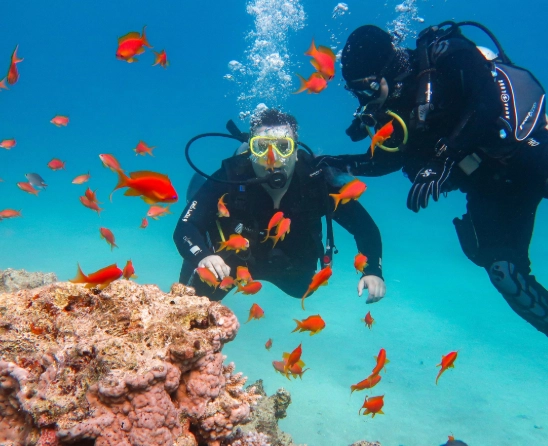
Frequently Asked Questions (FAQ)
Here are the questions I get asked the most, and the straight answers.
Final Thoughts
Diving in the Gulf of Thailand is about accessible adventure. It's where passion for the underwater world is ignited for thousands every year. It's not always perfect—you might deal with some crowds, or a day of less-than-ideal visibility. But on a good day, when the sun filters down through clear, blue water onto a garden of coral teeming with life, or when you're hanging at 20 meters watching a school of barracuda spiral around a pinnacle, it's pure magic.
Do your research, pick the season and island that match your goals, choose a good operator, and get insured. Then, just jump in. The warm, welcoming waters of the Gulf are waiting.
Got more questions? Drop them in the comments below—I read them all and love talking about this stuff. Safe bubbles!
Comments