Quick Dive Guide
- Why Thailand is a Top-Tier Diving Destination (The Good Stuff)
- The Other Side of the Coin: Challenges and Considerations
- Where to Dive in Thailand: A Coast-by-Coast Breakdown
- When to Go: Diving Seasons Decoded
- Costs, Courses, and Practicalities
- Safety and Choosing a Dive Operator
- Your Thailand Diving Questions, Answered
- The Final Verdict
Let's cut straight to the point. You typed that question into Google for a reason. Maybe you saw a stunning Instagram reel of a whale shark in crystal blue water. Or a friend came back raving about their dive trip. You're wondering, is Thailand good for scuba diving, or is it just hype? I've been diving there for over a decade, from the packed speedboats of Phi Phi to remote liveaboards in the Andaman Sea. I've seen the magic and the mess. So here's my honest, no-BS take to help you decide.
The short answer is a resounding yes, Thailand is fantastic for scuba diving, especially for beginners and intermediate divers. But that "yes" comes with a stack of footnotes. It's good for wreck diving around Pattaya? Not really. It's good for pristine, untouched reefs? Less and less, sadly. But for vibrant marine life, incredible limestone seascapes, world-class dive training, and that perfect mix of adventure and after-dive beach life, it's hard to beat. Let's break down exactly why.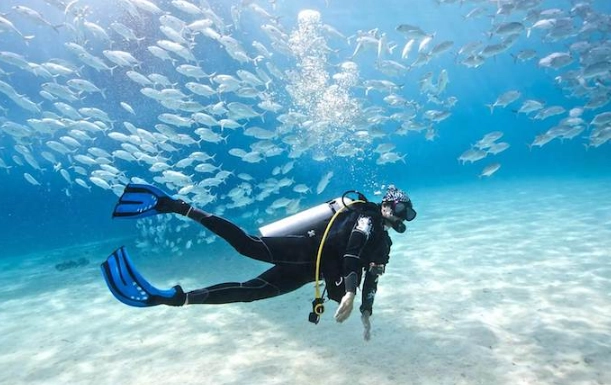
Why Thailand is a Top-Tier Diving Destination (The Good Stuff)
First, the glowing review. Thailand didn't become a diving mecca by accident. The geography alone is a gift. The warm, tropical waters of the Andaman Sea on the west coast and the Gulf of Thailand on the east create two distinct playgrounds. This means you can often find good diving somewhere, regardless of the monsoon season. The water temperature hovers between 28-30°C (82-86°F) year-round, so a thin wetsuit or even a rash guard is often enough. That comfort factor is huge, especially when you're learning.
Then there's the sheer variety. We're not just talking about coral reefs (though there are beautiful ones). You've got massive granite boulders creating swim-throughs at places like Koh Tao's Chumphon Pinnacle. You've got underwater mountains (seamounts) rising from the deep, acting like magnets for pelagic life around the Similan and Surin Islands. You've got historical wrecks, like the HTMS Sattakut in Koh Tao, deliberately sunk to create an artificial reef. The topography keeps things interesting dive after dive.
But for many, the marine life is the main event. The question "Is Thailand good for scuba diving?" is often really asking "Will I see cool stuff?"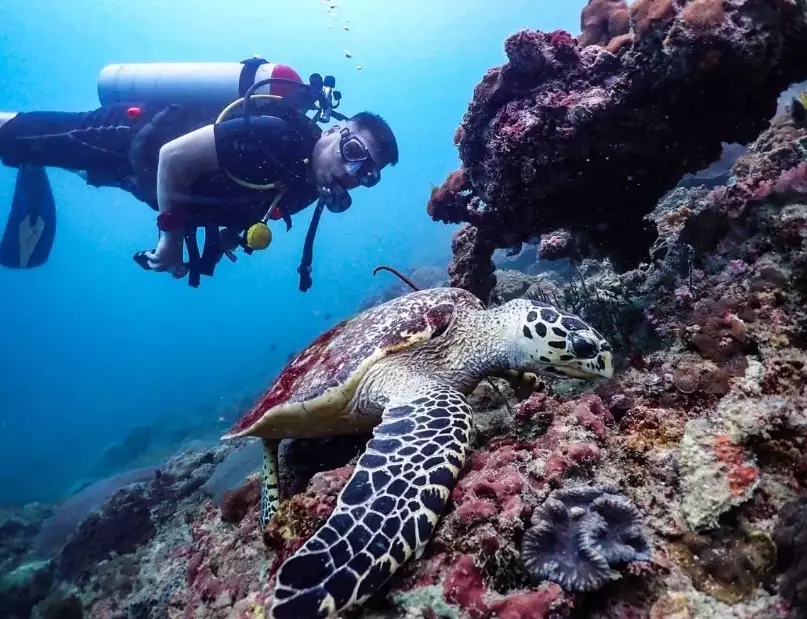
Marine Life You Can Expect to See
- The Big Ticket Animals: Whale sharks (mostly in the Andaman Sea, seasonally from Feb-April), Manta Rays (particularly at Richelieu Rock and Hin Daeng), and occasionally even elusive Oceanic Manta Rays.
- Reef Dwellers: Anemonefish (Nemos) everywhere, moray eels, triggerfish, angelfish, parrotfish, and huge schools of chevron barracuda and trevally.
- The Macro Magic: This is where Thailand shines. Critter lovers can find ghost pipefish, frogfish, seahorses, harlequin shrimp, and a stunning array of nudibranchs. Sites like Sail Rock are famous for this.
- Sharks: Don't expect great whites! But you can commonly see blacktip reef sharks, whitetip reef sharks, and occasionally leopard sharks resting on sandy bottoms.
Beyond the water, the infrastructure is unbeatable. Thailand is the backpacking capital of Southeast Asia, and that extends underwater. There are more PADI dive shops per square mile on Koh Tao than almost anywhere else on the planet. This creates fierce competition, which drives prices down for courses and fun dives. Getting your Open Water certification here can cost half of what it does in the Caribbean or Australia. The flip side? You need to choose your shop carefully, which we'll get to.
And let's be real, the apres-dive life is a massive part of the appeal. After a day on the boat, you can be eating incredible Thai food on the beach for a few dollars, getting a massage, or exploring jungle-covered islands. The convenience and value are off the charts. It makes for a complete holiday, not just a diving trip.
The Other Side of the Coin: Challenges and Considerations
Okay, time for some real talk. Not every dive in Thailand is a scene from a documentary. The country's popularity is its own worst enemy. Some sites, especially those close to major resort islands like Phi Phi and parts of Koh Tao, suffer from overtourism. I've been on dives where it felt like a traffic jam at 18 meters, with multiple groups crowding a single pinnacle. It's stressful, it scares the fish, and it can damage the reef. The coral health in these high-traffic areas has noticeably declined over the years. You'll see more bleached and broken coral than you might expect.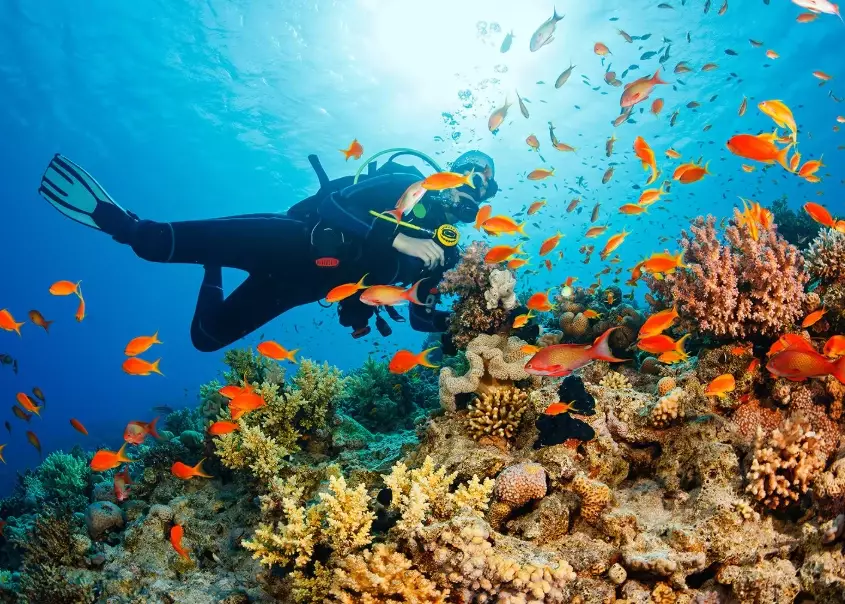
My personal gripe? The cattle-boat experience. Some of the larger, cheaper operators pack 30+ divers onto a single boat. The briefings are rushed, the groups are huge, and you can feel like just another number. It can really detract from the serenity diving is supposed to offer. Paying a bit more for a smaller, more ethical operator is almost always worth it.
Visibility can also be a gamble. While it can be an astounding 30+ meters in the Andaman Sea during peak season, it can also drop to 5-10 meters, especially after heavy rains or during the plankton blooms that, ironically, attract the big mantas and whale sharks. The Gulf of Thailand is generally less predictable than the Andaman Sea.
Finally, while Thailand is incredibly safe for travel, you must be proactive about dive safety. The low cost of courses can sometimes mean corners are cut in training. Always check that your dive center is affiliated with a major agency (PADI, SSI, RAID, etc.) and has well-maintained equipment. Don't be afraid to ask to see their compressor room or check your gear thoroughly. Your safety is your responsibility.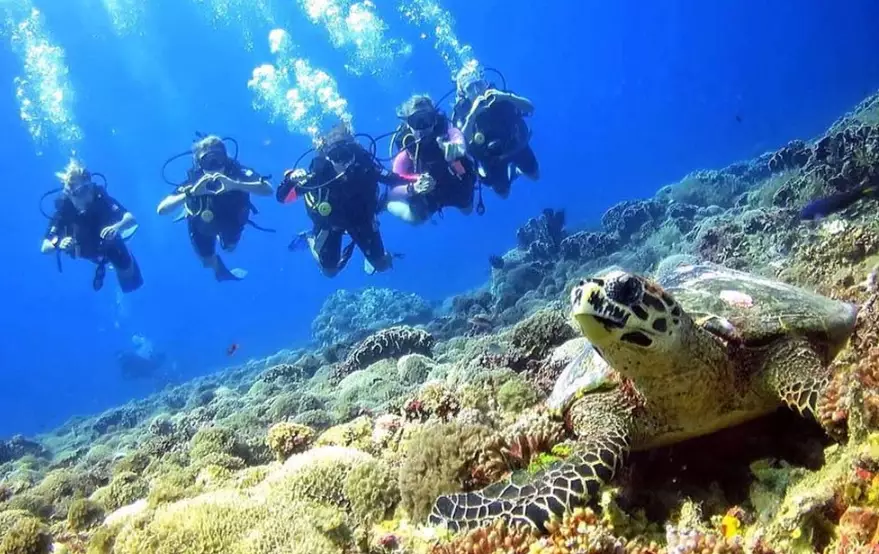
Where to Dive in Thailand: A Coast-by-Coast Breakdown
This is the most important decision you'll make. Choosing the right coast and the right islands will define your trip. To make it easier, here's a direct comparison.
| Region | Key Islands/Dive Areas | Best For | Marine Life Highlights | Season | Vibe & Notes |
|---|---|---|---|---|---|
| Andaman Sea (West Coast) | Similan Islands, Surin Islands, Richelieu Rock, Koh Phi Phi, Hin Daeng/Hin Muang, Koh Lanta, Khao Lak (gateway) | Advanced divers, pelagics, liveaboards, underwater photography, dramatic seascapes. | Whale Sharks, Manta Rays, large schools of fish, leopard sharks, occasional dolphins. | Nov - Apr (Similans/Surin closed May-Oct). Other areas like Phi Phi dive year-round with reduced service in monsoon. | More remote, wild, and protected (National Marine Parks). Often requires liveaboards or longer boat rides. Generally better visibility and bigger animals. |
| Gulf of Thailand (East Coast) | Koh Tao, Koh Samui, Koh Phangan, Sail Rock, Chumphon Pinnacle | Beginners, dive courses, budget divers, macro life, easy access. | Whale Sharks (occasional), bull sharks (at Sail Rock), giant groupers, vast schools of fish, excellent macro critters. | Year-round, but best Mar-Sep. Can be rainy/choppy Oct-Dec. | The "factory" of dive certifications. Very social, backpacker-friendly, tons of options. Some sites can be crowded. |
| Lower Gulf / South | Koh Lipe, Tarutao National Marine Park, Stonehenge | A mix of both! Good for beginners and intermediates, beautiful shallow reefs, less crowded. | Healthy hard corals, turtles, reef sharks, diverse fish life. Good macro and occasional bigger visitors. | Nov - May | A rising star. More laid-back and rustic than Koh Tao, with often better coral health. Access is improving. |
So, is Thailand good for scuba diving in all these places? Mostly, yes. But your experience in the remote Similans will be worlds apart from a dive off the main beach of Koh Tao.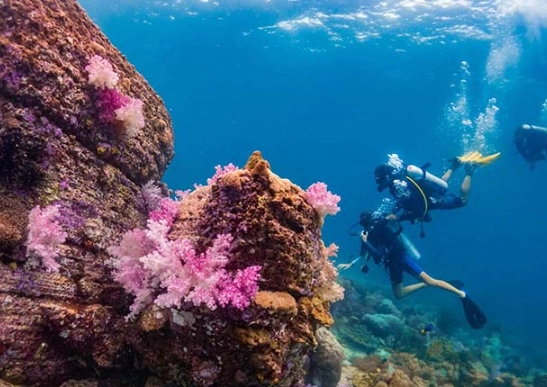
My Top Picks for Different Types of Divers
For Absolute Beginners: Koh Tao. Love it or hate it, it's efficient, affordable, and designed for you. The shallow, calm bays are perfect for confined training. Just do your research to pick a reputable, safety-focused school.
For the Adventure Seeker / Advanced Diver: A liveaboard to the Similan and Surin Islands. This is Thailand's premier diving. You'll hit remote sites like Richelieu Rock (a submerged pinnacle teeming with life) and Elephant Head Rock (crazy swim-throughs). It's more expensive, but it's the answer to "is Thailand good for scuba diving" at its best. I did a 4-day trip and it was worth every baht.
For a Balanced Holiday (Diving + Beaches + Nightlife): Koh Lanta or Koh Phi Phi. From Lanta, you can do day trips to Hin Daeng (for mantas) and the Phi Phi islands. You get great diving without sacrificing a beautiful base to relax in.
When to Go: Diving Seasons Decoded
Timing is everything. Go at the wrong time and you might find your dream dive site closed, or be stuck in a monsoon. The general rule is simple: Andaman Sea (West): Best from November to April. Gulf of Thailand (East): Dives year-round, best from March to September.
But here's the nuance. The "best" weather doesn't always mean the best diving. For example, the prime time to see whale sharks in the Similans is February to April. That's also peak tourist season. Conversely, the period just after the monsoon (around November) can have incredible visibility as the rains have washed nutrients into the sea, but the weather might still be a bit unsettled.
I made the mistake of going to Koh Tao in late October once. The sea was choppy, the boat rides were rough, and the visibility was mediocre. I saved money on accommodation, but the diving was disappointing. Lesson learned.
Pro Tip for Season Planning
Use the official Tourism Authority of Thailand website to check general weather patterns. But for real-time dive conditions, look up local dive shop Facebook pages or blogs for the specific island you're targeting. They post weekly updates about visibility and sightings.
Costs, Courses, and Practicalities
Let's talk money, because value is a big reason people ask if Thailand is good for scuba diving.
Getting Certified (Open Water Diver): You can find prices as low as 9,000 THB (about $250 USD) on Koh Tao. The global average is closer to $500-$600. That's a massive saving. But remember, you often get what you pay for. A more reputable shop with smaller classes, better equipment, and more experienced instructors might charge 12,000-14,000 THB. It's still a bargain. For the latest course standards and to find a certified professional, always refer to the PADI website or other major training agency sites.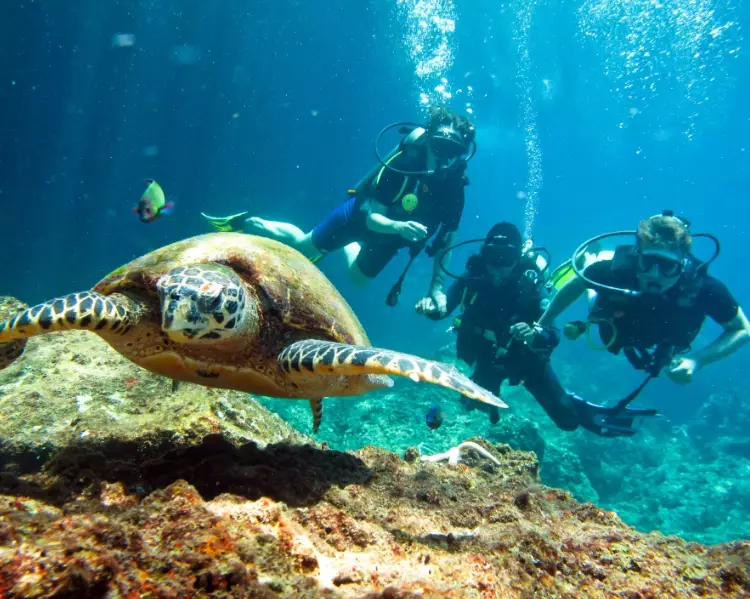
Fun Dives: A typical two-dive day trip will cost between 2,500 - 4,500 THB ($70-$125 USD), depending on the location and boat quality. Liveaboards range from 20,000 THB for a 3-day/2-night trip to 50,000+ THB for a luxury 5-day Similan expedition.
Equipment Rental: Usually included in courses and often in fun dives. If not, it's around 500-800 THB per day for a full set.
Other costs to consider: Marine Park fees (usually 500-600 THB per day for places like the Similans), and tips for your crew (not mandatory but greatly appreciated, 200-300 THB per day is standard).
Safety and Choosing a Dive Operator
This can't be overstated. Thailand's dive industry is vast and mostly professional, but it's unregulated. Your due diligence is crucial.
- Check Credentials: Are they registered with a major agency? Do they have their certifications displayed? A good shop will be proud to show them.
- Ask About Group Size: How many students per instructor? (4:1 is the PADI max, but 2:1 or 3:1 is better). How many divers per guide on fun dives? (8 or less is ideal).
- Look at the Boats and Gear: Is the boat well-kept? Do they have oxygen and first aid on board? Can you take a quick look at the gear room? Rusty tanks or frayed hoses are a red flag.
- Read Recent Reviews: Not just on TripAdvisor, but on diving-specific forums like ScubaBoard. Look for comments about safety, professionalism, and maintenance.
- Trust Your Gut: If the salesperson is rushing you, dismissing your questions, or the price seems too good to be true, walk away.
Your Thailand Diving Questions, Answered
No. Most shops offer "Discover Scuba Diving" (DSD) experiences. You'll get a brief pool or shallow water lesson and then do a supervised dive to about 12 meters. It's a great way to see if you like it. But if you know you want to dive deeper and independently, just get certified. It's more worth it.
Absolutely! It's one of the best places in the world for solo divers. Dive centers are used to pairing up singles, and liveaboards often have single-bed cabins or will pair you with a same-sex roommate. You'll meet people instantly.
This is a growing focus. Many operators now are eco-conscious. They avoid touching reefs, use mooring buoys instead of dropping anchors, and run clean-up dives. Look for shops with the Green Fins affiliation or those that actively promote conservation. You can learn more about coral reef protection efforts in the region through organizations like the Coral Reef Alliance. As a diver, be a responsible tourist: don't touch anything, maintain good buoyancy, and use reef-safe sunscreen.
You can, but no one can guarantee it. They are wild animals. Your best bet is a liveaboard in the Similan Islands between February and April. Richelieu Rock is another hotspot. I've seen them three times, and each time was pure luck on a regular dive day.
For sheer biodiversity and epic walls, Indonesia (Raja Ampat, Komodo) wins. For stunning macro and unique critters, the Philippines is incredible. But Thailand wins on accessibility, cost, and infrastructure. It's the perfect gateway to Southeast Asian diving. For a first-timer or someone with limited time and budget, Thailand is often the best choice.
The Final Verdict
So, after all that, is Thailand good for scuba diving?
Look, if you're a seasoned tech diver seeking virgin deep-sea walls, you might find it a bit tame. But for probably 90% of people asking that question—beginners, vacation divers, photographers, adventure seekers—Thailand delivers in spades. It offers an unbeatable package: warm water, diverse sites, exciting marine life, top-notch training, and an easy, fun travel environment on the surface.
The key is managing expectations. Don't expect the Great Barrier Reef as it looked 50 years ago. Do expect a vibrant, accessible, and sometimes crowded underwater world that is full of life and wonder. Do your homework on operators, pick the right season and region for your goals, and be a responsible diver.
My advice? Go. Start in Koh Tao to get your certification in a easy, social setting. Then, if you can, splurge on a liveaboard to the Similan Islands to see what the Andaman Sea can really do. That combination will give you the full, brilliant, and complex answer to the question "Is Thailand good for scuba diving?"
You'll leave with a logbook full of entries, a camera full of photos, and very likely, plans to come back. I know I did.
Your comment