Dive Guide Highlights: Quick Navigation
- The Andaman Sea: Big Animals and Offshore Adventures
- The Gulf of Thailand: Accessibility, Wrecks, and Turtle Central
- So, Where is the Best Diving in Thailand *For You*? Let's Match You Up.
- The Nitty-Gritty: Season, Logistics, and Real Talk
- Answering Your Next Questions (The Stuff You're Actually Thinking)
- The Final Word
Let's cut to the chase. You typed "where is the best diving in Thailand?" into Google, and now you're staring at a million listicles that all seem to say the same thing. It's overwhelming. I get it. I've been there, both as a confused traveler and later as a diver who's spent months exploring Thailand's underwater world. The truth is, there's no single "best" spot. It's like asking for the best food in the country—are you after street food pad thai or a fancy beachfront seafood platter? It depends entirely on what you're looking for.
So, instead of just throwing another generic list at you, I'm going to break it down by what you actually care about. Are you a complete newbie taking your first breath underwater? A seasoned diver chasing elusive pelagics and dramatic walls? Or maybe you're on a family trip and need a spot that works for both divers and snorkelers? We'll cover it all.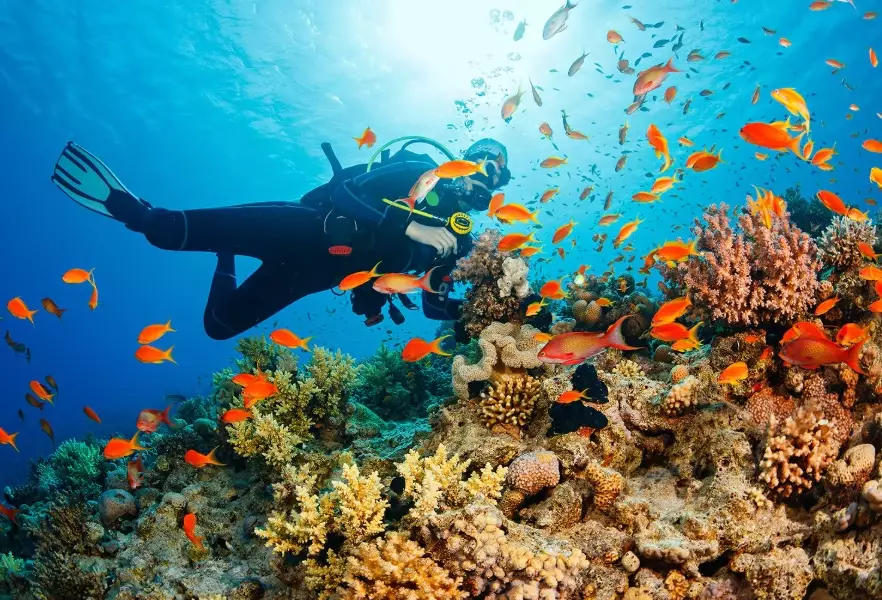
The diving in Thailand is split between two major coasts: the wilder, more dramatic Andaman Sea on the west (Phuket, Krabi, Khao Lak) and the generally calmer, more accessible Gulf of Thailand on the east (Koh Tao, Koh Samui, Koh Phangan). They feel like different countries underwater.
Quick Reality Check: If you're dreaming of pristine, untouched coral reefs like you see in documentaries, you might need to manage expectations. Mass tourism and past environmental pressures (like the 2010 and 2016 bleaching events) have taken a toll in some of the most accessible areas. But don't let that put you off. Thailand's magic isn't just about coral—it's about the sheer variety of life, the fun dive culture, the incredible visibility at offshore sites, and those special encounters you can only have here. The best diving in Thailand is about the whole experience.
The Andaman Sea: Big Animals and Offshore Adventures
Picture deeper blue water, stronger currents (sometimes), and a higher chance of seeing the big ticket animals. This side is for adventure. The season is crucial here—most of the prime offshore sites are only accessible from roughly October/November to April/May. Outside of that, monsoon rains and swells shut things down. Plan your trip around that window.
Key Jump-Off Points: Phuket, Khao Lak, & Krabi (Ao Nang/Railay)
The Similan & Surin Islands: The Crown Jewels
Ask any local dive pro where the best diving in Thailand is, and nine times out of ten, they'll point west to the Similan and Surin Islands. This is a protected national marine park, and it shows. The water is a different level of clear. We're talking 30-meter visibility on a good day. It's not a day trip destination; you need to commit to a liveaboard boat trip, usually 3-7 nights.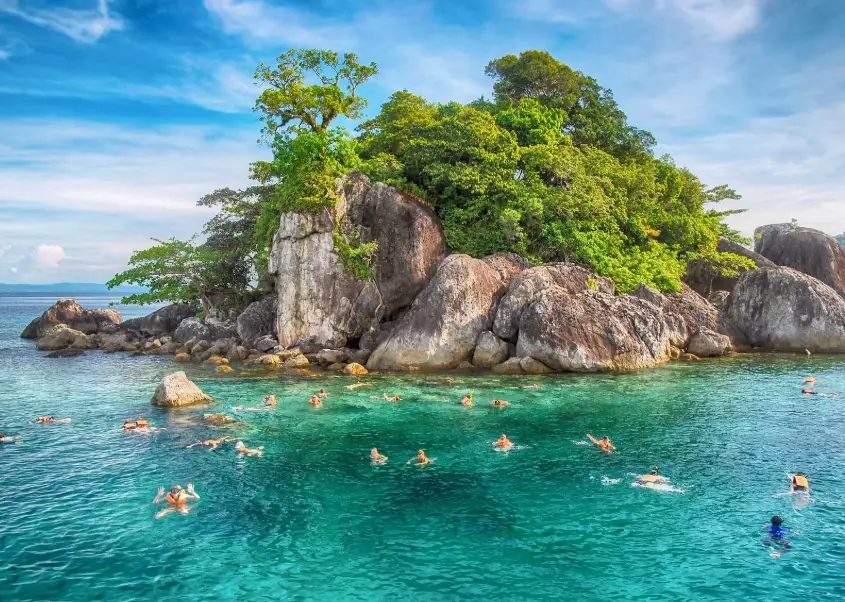
What makes it special? It's the topography. Massive granite boulders, some the size of buildings, create swim-throughs, canyons, and overhangs covered in soft corals, sea fans, and sponges. Then there's the life. You've got your regular reef cast—butterflyfish, angelfish, triggerfish. But you come here for the potential big stuff. Mantas sometimes cruise by at sites like Koh Bon and Koh Tachai. Whale sharks, while never guaranteed, are spotted here more consistently than anywhere else in Thailand. I did a 4-day trip and spent one entire dive with a sleepy leopard shark nestled in the sand—pure magic.
Richelieu Rock is the superstar, technically part of the Surin park. It's a lone pinnacle rising from the deep, absolutely smothered in colorful soft corals. It's a cleaning station, so it attracts everything. Barracuda tornadoes, trevallies hunting, and yes, the holy grail for many: the chance of a whale shark. It can get crowded, but when the action happens, you forget about the other divers.
My take? The Similans live up to the hype for advanced divers. For beginners, the currents and depth can be intimidating, and the liveaboard investment is steep if you're not sure you love diving yet.
Hin Daeng & Hin Muang: The Deep Purple (and Red)
Further south, near the border with Myanmar, these two submerged pinnacles are legendary. "Daeng" means red, "Muang" means purple, named for the carpets of soft corals. These are advanced dives, often with strong currents, but that's what brings the pelagics. Manta rays are frequent visitors here, and some divers have even encountered mola mola (ocean sunfish). The catch? They're even more weather-dependent and remote. You need a dedicated trip from Phuket or Khao Lak, and the seas can be rough. When it's good, it's arguably the best diving in Thailand for adrenaline and big animal encounters.
Phuket's Local Sites: Not Just for Beginners
Everyone uses Phuket as a base, but its local sites (like Shark Point, Anemone Reef, King Cruiser Wreck) are often dismissed as "training" dives. That's a mistake. Shark Point is a series of pinnacles absolutely covered in magnificent sea anemones, each hosting dozens of clownfish. It's a photographer's dream. The King Cruzer, a sunken car ferry, is now a thriving artificial reef. It's not the Great Barrier Reef, but it's accessible, reliable, and teeming with life year-round. Perfect for check-out dives, macro lovers, or when the weather won't let you go further afield.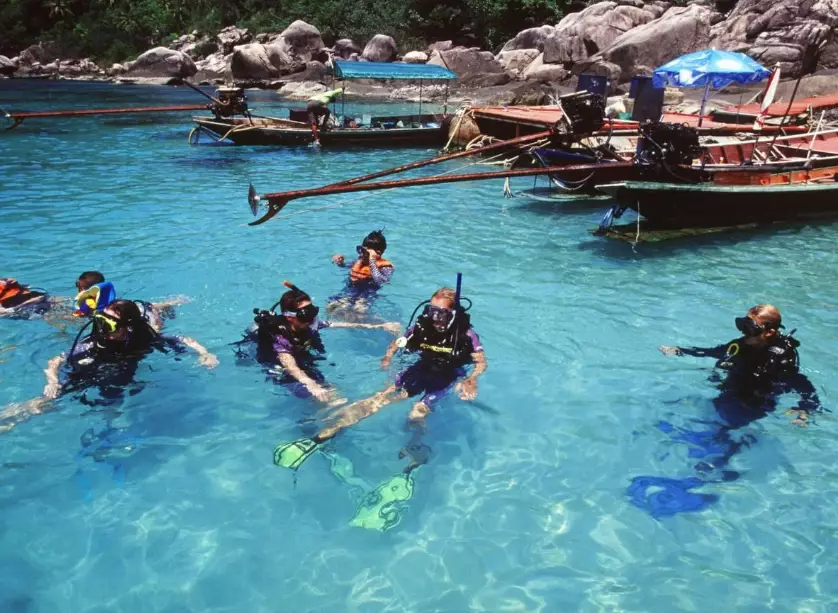
Andaman Pro Tip: Khao Lak, north of Phuket, is a quieter alternative as a liveaboard hub. It's closer to the Similans, meaning less transit time on the boat. The town is sleepier than Patong, which is a pro or con depending on your style.
The Gulf of Thailand: Accessibility, Wrecks, and Turtle Central
Flip over to the other side. The Gulf is generally shallower, calmer, and warmer. The season is more forgiving—you can dive here year-round, though visibility drops and seas can be choppy from October to December. This is where Thailand's reputation as one of the world's top places to get certified was built, thanks largely to one island.
Key Jump-Off Points: Koh Tao, Koh Samui, Koh Phangan
Koh Tao: The Diver Factory (in the Best Way)
Let's address the elephant in the room. Koh Tao is busy. It's packed with dive schools. Some corners of the internet will tell you it's "ruined." I spent a month there and have a more nuanced view. Yes, if you hate seeing other divers, avoid the most popular sites like Japanese Gardens or Twins at 11 am. But the infrastructure is unbeatable. It's affordable, social, and incredibly efficient at turning people into divers. And if you know where to go (or go with a good guide who avoids the crowds), you can have fantastic dives.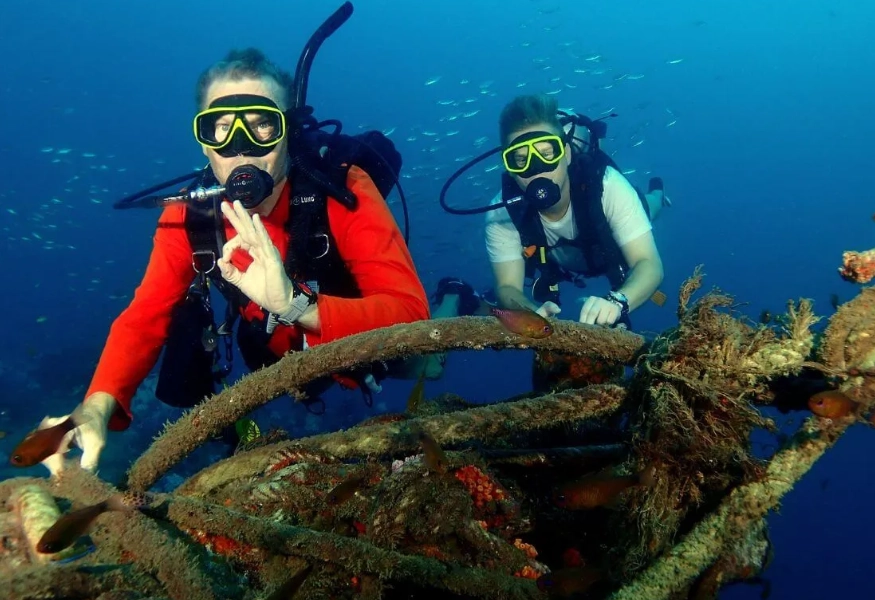
The real answer to "where is the best diving in Thailand" for beginners is, without a doubt, Koh Tao. The sites are shallow, protected bays with minimal current. You'll see loads of fish, often great macro life (like ghost pipefish or tiny nudibranchs), and the iconic resident turtles. Chumphon Pinnacle, a deeper offshore site, can attract whale sharks and bull sharks, but it's subject to conditions.
My personal favorite dive in the Gulf is the HTMS Sattakut wreck near Koh Tao. It's a former US Navy warship, deliberately sunk in 2011. It sits upright in about 30 meters, and it's magnificent. It's mature enough to be covered in life but still retains its structure. Swimming through the gun turrets and looking up the crow's nest is an experience. A great alternative to the more famous but often crowded Trident wreck in Pattaya.
The Koh Tao Controversy: You'll read about safety concerns on the island. My experience was perfectly safe, but it's a transient party island with a high volume of young travelers. Use common sense like you would anywhere. Choose a dive school with a strong safety reputation (look for PADI 5-Star or SSI Diamond status) and don't feel pressured by the cheapest price. Your safety is worth the extra few bucks.
Koh Samui & Ang Thong Marine Park
Samui is more of a luxury/resort island. The diving right off Samui is okay, but nothing spectacular—mostly sandy slopes with patchy coral. The real draw is taking a day trip to the Ang Thong Marine Park, an archipelago of limestone karsts. The diving here is similar to the scenery—dramatic underwater landscapes with swim-throughs and walls. The coral health can be hit or miss, but the setting is breathtaking. It's more about the adventure and the "wow" factor of diving in such a unique location. Great for combining with a snorkeling trip for non-diver friends.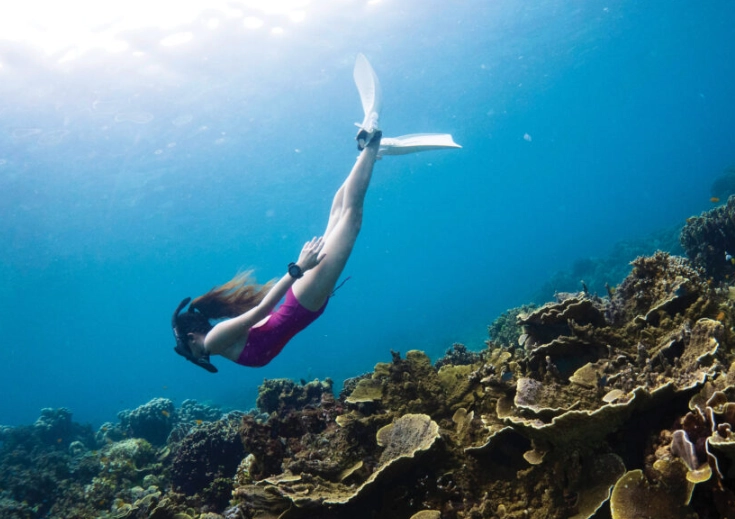
So, Where is the Best Diving in Thailand *For You*? Let's Match You Up.
All this info is useless if it doesn't help you decide. Here’s a brutally honest table to match your profile with a location.
| You Are / You Want... | Best Area | Why It's a Good Fit | Potential Downside |
|---|---|---|---|
| A first-time diver or getting certified | Koh Tao | Affordable, calm protected bays, tons of school choice, great social scene for new divers. | Can feel crowded; some sites see high diver traffic. |
| Advanced diver seeking big animals & drama | Andaman Sea Liveaboard (Similans/Surin/Richelieu) | Best chance for mantas, whale sharks, pelagics. Stunning visibility and topography. | Expensive, seasonal, requires liveaboard commitment, currents can be strong. |
| A mixed-ability group or family | Phuket or Krabi | Something for everyone. Easy local dives for newbies, day trips to better sites for experienced, plus above-water activities. | Local sites aren't "world-class"; need to travel for the best Andaman diving. |
| Wreck diving enthusiast | Koh Tao (HTMS Sattakut) or Pattaya (Gulf) | Accessible, interesting wrecks with good marine life growth. Pattaya has multiple wrecks close together. | Pattaya's visibility is often poor. Koh Tao's wreck is weather-dependent. |
| On a tight budget | Koh Tao | Most competitive prices for courses and fun dives in Thailand. Cheap accommodation/food. | You get what you pay for—research your dive op carefully. |
| Macro & muck diving lover | Local sites around Phuket, Koh Lanta, or even parts of Koh Tao | Sandy/muddy bottoms harbor incredible critters: seahorses, frogfish, ghost pipefish, countless nudibranchs. | Not pretty postcard coral reefs. Requires a good guide with sharp eyes. |
The Nitty-Gritty: Season, Logistics, and Real Talk
You can't just rock up whenever. Here’s the seasonal breakdown that dive shops don't always emphasize enough.
Andaman Sea (West Coast): Prime season is November to April. This is your window for Similans, Surin, Hin Daeng. December-February is peak—best weather, but also most crowded and expensive. The monsoon (May-October) shuts down most offshore operations. Some local Phuket/Krabi diving continues but can be rainy with lower visibility.
Gulf of Thailand (East Coast): The best conditions are generally March to September, with July/August often having great visibility. The monsoon hits from October to December, bringing rain, wind, and potentially choppy seas—diving still happens, but it's less predictable. January-February can be fine, just a bit cooler.
See the sweet spot?
If you want to hop between coasts, March and April are usually safe bets for good conditions on both sides, though it might be getting hot on the surface.
How to Choose a Dive Operator: Look Beyond the Price
This is the most important decision you'll make. A bad operator on a great site ruins everything.
- Certification Matters: Look for major agency recognition (PADI 5-Star, SSI Diamond). It's a baseline for standards.
- Group Size: Ask how many divers per guide. 4-6 is good. 8+ is a cattle boat. I once got stuck in a group of 10, and it was a chaotic mess—never again.
- Boat Type: Speedboats are fast but cramped. Larger day-trip boats have more space and facilities. Liveaboards vary wildly—check photos of the cabins and common areas.
- Ask Direct Questions: "What is your protocol if a diver gets separated?" "Do you provide dive computers or just guides?" Their answers tell you a lot.
- Trust the Official Info: For national park regulations and conservation efforts, the Department of National Parks, Wildlife and Plant Conservation website is the authoritative source.
Answering Your Next Questions (The Stuff You're Actually Thinking)
Do I need to be certified to try diving?
No. Most dive shops offer "Discover Scuba Diving" or "Try Dives" in a pool or very shallow, confined bay. It's a great taste test. But you will be limited in depth and where you can go. To truly explore the best diving in Thailand, you'll need an Open Water certification.
Is it safe? What about sharks?
Statistically, recreational diving is very safe when done with a reputable operator. The sharks you're likely to see in Thailand (leopard sharks, blacktip reef sharks, occasionally whale sharks) are not aggressive to humans. I've never felt threatened. The real risks are the same as anywhere: not monitoring your air, ignoring your computer, or diving beyond your training. Listen to your guide.
How much does it actually cost?
Varies wildly. A fun dive in Koh Tao can be as low as 1000-1500 THB. The same dive from Phuket to a local site might be 2500 THB. A 4-day Similan liveaboard starts around 25,000-40,000 THB. Open Water courses range from 9,000 to 15,000 THB depending on location and school prestige. Always ask what's included: gear, park fees, lunches, etc. The cheapest option often excludes these.
What about marine conservation?
This is a huge topic. Many operators now offer eco-dives, collect debris, and support local projects. Look for those affiliated with Green Fins, an international initiative for sustainable diving. You can do your part: don't touch anything (even sand can smother coral), use reef-safe sunscreen, and choose operators with good environmental practices. It's the only way to keep the best diving in Thailand around for the future.
The Final Word
Look, after all these words, my personal answer to "where is the best diving in Thailand?" is this: for a first trip that captures the full spirit of Thai diving—accessibility, fun, and beauty—start with Koh Tao to get comfortable and certified, then splurge on a liveaboard to the Similan Islands to see what the open ocean can offer. It gives you both sides of the coin.
But if you're short on time or budget, you can't go wrong focusing on just one region. You'll have a blast. The Thai underwater world is welcoming, full of life, and designed for enjoyment. Do your research, pick the place that fits your checklist, and get ready to log some dives. The water's fantastic.
See you down there.
Your comment