Quick Guide
Let's get the short answer out of the way first, because I know that's what you clicked for. The absolute best time to dive in Thailand, for most people and most places, is typically between November and April. There, I said it.
But here's the thing – if I just left it at that, I'd be doing you a massive disservice. It's like asking "what's the best food?" and someone just shouts "pizza!" Sure, maybe. But what kind of pizza? Where from? Are you in the mood for it? What if you're gluten intolerant?
Figuring out the best time to dive in Thailand isn't about finding one magical month where everything is perfect everywhere. That month doesn't exist. It's about matching your priorities – whether that's chasing whale sharks, enjoying calm seas, avoiding crowds, or just getting the best deal – with the complex dance of two different coastlines, two different monsoon seasons, and a whole cast of marine creatures that come and go on their own schedules.
I've made the mistake of going at the "wrong" time before. I once spent a week in the Similans in September, lured by cheap flights, only to be boat-bound for three days staring at horizontal rain. The dive shop guy just shrugged and said "green season." Lesson learned the hard way.
So, let's dig deeper. Forget the overly simplistic charts. We're going to talk real conditions, regional quirks, and what you can actually expect to see.
Thailand's Diving Secret: The country is split by a peninsula. The west coast (Andaman Sea) and the east coast (Gulf of Thailand) have almost opposite weather patterns. This is the single most important thing to understand. You can often find good diving somewhere in Thailand year-round if you know where to look.
The Big Split: Andaman Sea vs. Gulf of Thailand
This is the core of the whole "Thailand diving season" question. Get this wrong, and you're in for a soggy, disappointing trip.
The Andaman Sea is the poster child for Thai diving. We're talking about the legendary sites like the Similan Islands, Richelieu Rock, Koh Phi Phi, and the Burma Banks. It's where you go for the big stuff – manta rays, whale sharks (if you're lucky), and those iconic underwater granite boulders. The water is generally clearer here, but the weather dictates everything.
Over in the Gulf of Thailand, you've got Koh Tao, Koh Samui, Koh Phangan, and Chumphon Pinnacle. The vibe is different. It's often considered better for learning (hello, Koh Tao's army of dive schools), has more sheltered bays, and features different coral and fish life. It's also where you might find whale sharks at certain times, though they're less predictable than in the Andaman.
The monsoon winds are the puppet masters. The southwest monsoon hits the Andaman coast, while the northeast monsoon targets the Gulf. They don't play nice at the same time.
Andaman Sea Dive Season: The Nitty-Gritty
For the Andaman coast (Phuket, Krabi, Khao Lak, Ranong), the season is much more defined. The national marine parks like the Similans and Surin Islands are actually closed for part of the year. That should tell you something.
Prime Time (November to April): This is it. The holy grail period. The northeast monsoon brings dry, sunny weather and calm seas. Visibility can be insane – think 30 meters or more on a good day. Water temps are comfortable (around 28-30°C). This is when all the liveaboards are running, the marine parks are open, and everyone wants to be there. The downside? Everyone is there. It's peak season, so prices are higher, and popular sites can feel a bit like underwater highways.
I remember a dive at Richelieu Rock in February. The site was breathtaking, a purple seascape teeming with life. But I must have seen fifty other divers. It felt crowded. Amazing, but crowded.
Shoulder Months (May, October): These are the gamble months. You might hit perfect, quiet conditions. Or you might get early/late storms. May can still be quite good, especially early in the month. October is the transition back to good weather. The parks start reopening. It's cheaper, less crowded, and the water is still warm. But it's a roll of the dice with the weather. Some dive operators run trips, others don't.
Low Season / Monsoon (May to October): The southwest monsoon brings rain, wind, and rough seas. From July to September, many Andaman Sea dive operations shut down completely, especially liveaboards to the far offshore sites. Coastal diving near Phuket or Phi Phi might still be possible on sheltered days, but visibility drops significantly (often 5-15 meters), and the weather is unpredictable. It's cheap, and you'll have sites to yourself if you can get out, but it's not what you see in the brochures. This is not the best time to dive in Thailand's Andaman Sea if you have your heart set on those iconic sites.
Local Tip: Even in peak season, the Andaman Sea can have occasional windy days or storms that last a day or two. Always build some flexibility into your schedule. Don't book a non-refundable 3-day liveaboard as the very first thing on your trip.
Gulf of Thailand Dive Season: A Different Rhythm
The Gulf side (Koh Tao, Samui, Phangan) plays by its own rules. The season is less "on/off" and more about varying conditions. There's no official park closure, so diving happens year-round.
Prime Time (March to August): The best conditions in the Gulf are generally during these months. The seas are calm, the skies are clear, and visibility is at its best (often 15-25 meters). This period avoids the worst of the northeast monsoon. It's an excellent time for learning to dive, as the sheltered bays of Koh Tao provide calm, predictable conditions.
Transition & Low Season (September to February): The northeast monsoon hits the Gulf from around October to January. This brings stronger winds, occasional rain, and can make sea conditions choppier, especially on the east-facing sides of the islands. Diving still continues, but trips might get canceled more frequently, and sites like Chumphon Pinnacle (which is exposed) may become inaccessible for days or weeks. Water visibility can decrease. However, this is also the time when whale shark sightings are slightly more common around Koh Tao, particularly from February to May. A trade-off, for sure.
So, if someone asks "what is the best time to dive in Thailand for the Gulf?", I'd point them to late spring and summer. But a hardy diver on a budget might find decent conditions in the winter too, just with more variables.
Breaking It Down By What You Want to See
Timing your trip for specific marine life can make your dive unforgettable. Let's be real, we all want those bragging-rights encounters.
Whale Sharks: The holy grail. In the Andaman Sea (Similans, Richelieu Rock), your best bet is February through April. In the Gulf (Koh Tao), sightings peak from February to May, but they are always rare and magical. It's never a guarantee. I've done over a hundred dives in Thailand and seen two. Both times I almost flooded my mask from screaming into my regulator.
Manta Rays: Head to the Andaman Sea sites like Koh Bon, Koh Tachai, and the Similans. The season runs from December through April, with February to April being particularly reliable.
Reef Life & Macro: You can find fantastic small stuff year-round. The Gulf's reefs are great for nudibranchs, ghost pipefish, and seahorses. The Andaman's coral reefs explode with color and fish life during the dry season. For critter hunting, the quieter, off-season periods can sometimes be better as the dive guides have more time to look for the small things.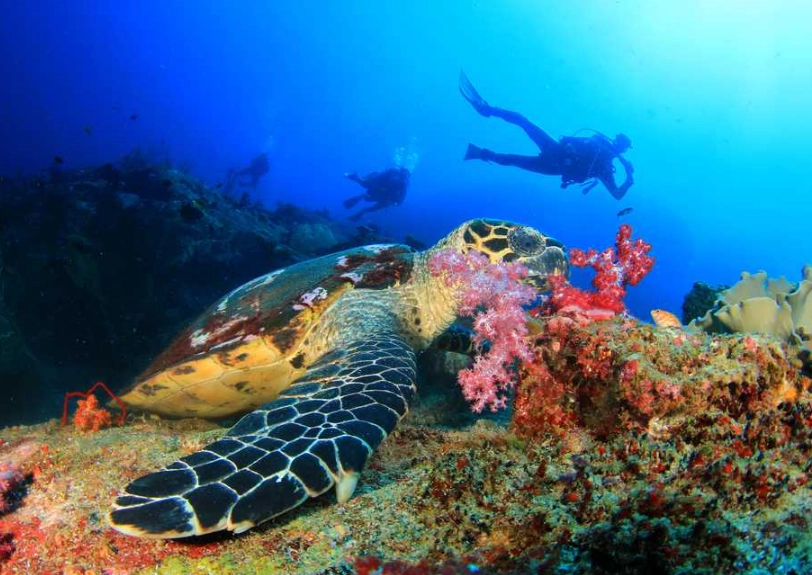
A Quick-Reference Month-by-Month Guide
Okay, fine. Here's a table. But remember, this is a guide, not a prophecy. Weather has gotten weirder everywhere.
| Month | Andaman Sea (e.g., Similans, Phi Phi) | Gulf of Thailand (e.g., Koh Tao, Samui) | Verdict |
|---|---|---|---|
| Jan | Excellent. Peak season. Great vis, calm seas. | Good. Can be windy (NE monsoon tail end). Whale sharks possible. | Go Andaman. |
| Feb-Mar | Prime Time. Best for whale sharks & mantas. Ideal conditions. | Improving. Winds ease. Whale shark season starts. | Best overall period. Andaman for big stuff, Gulf warming up. |
| Apr | Still excellent. Start of hot season, seas like glass. | Very good. Calm, clear. Whale shark chance high. | Great for both coasts. |
| May | Shoulder season. Can be great, but rain starts. Some parks close. | Excellent. Calm, clear, warm. Peak conditions in Gulf. | Go Gulf. Andaman is a gamble. |
| Jun-Aug | Low season. Rain, rough seas. Limited operations. | Very good. Southwest monsoon shelters the Gulf. Great diving. | Definitely Gulf. Andaman mostly out. |
| Sep-Oct | Monsoon tails off. Risky, parks closed. Coastal diving possible. | Transition. Weather can be unsettled. Diving continues. | Unpredictable. Not the best time to dive in Thailand for reliability. |
| Nov | Season starts! Conditions improve rapidly. Parks reopen. | Monsoon begins. Getting windier and wetter. | Go Andaman. Gulf declining. |
| Dec | Peak season in full swing. Fantastic conditions. | Low season. Windy, choppy. Fewer dive days. | Go Andaman. |
Beyond the Season: Other Crucial Factors
Thinking only about the month is like buying a car based only on its color. Here's what else matters.
Crowds: Peak season (Dec-Apr in Andaman, Jun-Aug in Gulf) means more people. More divers on the reef, more boats on the surface. If solitude is your thing, look at the very start or end of the high seasons. November in the Andaman or late April in the Gulf can be sweet spots.
Cost: Flights and accommodation follow demand. You'll pay a premium during Christmas/New Year and again during European summer holidays. The monsoon season is drastically cheaper, but you get what you pay for in terms of conditions.
Your Experience Level: A new diver should prioritize calm, predictable conditions. That means peak season in the Andaman or the summer months in the Gulf. An experienced diver might be more comfortable handling some current or lower visibility to get sites to themselves.
Type of Trip: Planning a liveaboard to the remote Similans? You are 100% locked into the Andaman high season. Doing a dive course on Koh Tao? You have way more flexibility year-round.
Watch Out For: Chinese New Year (dates vary Jan/Feb) and Thai holidays like Songkran (mid-April). These can mean domestic tourism surges, booked-out ferries, and higher prices, even if the diving conditions are perfect.
Your Thailand Diving Questions, Answered
Technically, yes. Operationally, it depends. The Gulf of Thailand offers year-round diving, though conditions vary. The Andaman Sea has a much more pronounced off-season where many premier sites are inaccessible. So yes, but you need to pick your location carefully outside of the peak windows.
It depends on your tolerance for risk and what "worth it" means. It's cheaper and less crowded. You might get lucky with a perfect week. But you might also be stuck on land, watching it pour. The underwater visibility is usually poorer. For a first-time visitor with a dream of clear blue water, I'd say save up and go in peak season. For a repeat visitor or a serious photographer hunting for unique behavior, the rainy season can offer unique opportunities.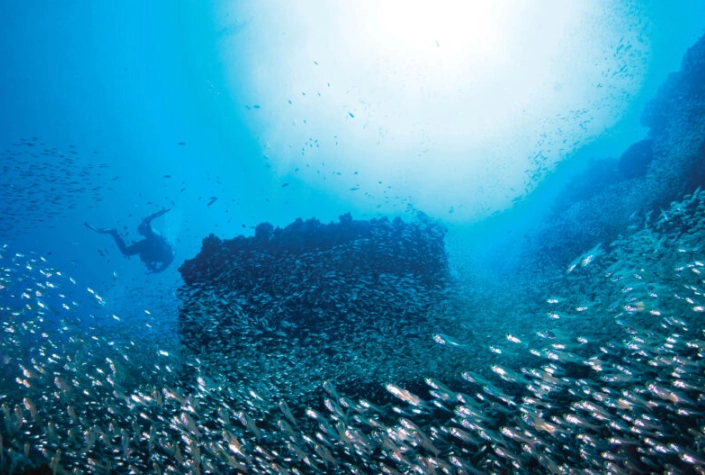
Apples and oranges. The Andaman generally has more dramatic seascapes, bigger pelagic action, and clearer water during its season. The Gulf is more accessible, often better for beginners, has a vibrant reef life, and a more flexible season. For sheer "wow" factor on a first trip, the Andaman wins. For learning, flexibility, or a more relaxed dive vacation, the Gulf is fantastic.
Don't just look at weather apps for "Phuket." They're often wrong for marine conditions. Instead, look for recent trip reports on dive forums like ScubaBoard or the Tourism Authority of Thailand website for general travel climate info. The best way is to contact a reputable dive operator directly in the specific location you're targeting and ask them for an honest assessment of the conditions for your planned dates. Also, the Thai Meteorological Department is the official source for weather warnings and monsoon reports.
The Final Word: How to Decide When to Go
Let's bring this home. Answer these questions for yourself:
- What's your #1 priority? (Whale sharks? Calm seas for learning? Photography? Avoiding crowds?)
- Which coast are you drawn to? (The legendary sites of the Andaman or the accessible reefs of the Gulf?)
- What's your budget and flexibility? (Locked into school holidays? Willing to gamble for a lower price?)
Once you have those answers, match them to the patterns we've talked about.
For the classic, postcard-perfect Thailand diving experience, you're aiming for the Andaman Sea between November and April. For a more flexible, learner-friendly trip with good odds of decent conditions, look at the Gulf of Thailand between March and August.
Ultimately, there's no single perfect answer to "What is the best time to dive in Thailand?" But now, you've got the map to find your own perfect time. Do your research, talk to operators, and manage your expectations. Even on a "perfect" weather day, the ocean does what it wants. That's part of the adventure.
Just pack your sense of wonder (and your reef-safe sunscreen). The underwater world there is worth the planning.
Your comment