Quick Navigation
- Top Florida Destinations for Swimming with Sea Turtles
- When to Go: Timing Your Turtle Encounter Perfectly
- Choosing a Tour Operator: The Good, The Bad, and The Ethical
- In-Water Etiquette & Essential Tips for a Great Experience
- Frequently Asked Questions (The Stuff You're Really Wondering)
- The Bigger Picture: Conservation & Why It Matters
- Final Thoughts: Making Your Decision
So you're dreaming of gliding through clear blue water, sunlight filtering down, and there it is—a sea turtle, maybe a big loggerhead or a graceful green, swimming right beside you. It's a bucket list moment for sure. But figuring out where in Florida you can swim with sea turtles isn't as simple as just jumping in the ocean anywhere. I learned that the hard way on my first trip, expecting to see them off every beach. Spoiler: I didn't.
Florida is uniquely blessed for this. It's got warm waters, extensive seagrass beds (that's turtle salad, basically), and it's a crucial habitat for several species. But not every spot is created equal. Some places it's pure, wild luck. In others, it's almost a guarantee if you go with the right people at the right time.
This guide isn't just a list. We're going to dig into the specific beaches, reefs, and springs where encounters happen. We'll talk seasons, tour operators, and—crucially—how to do it without stressing out the turtles. Because if you love them enough to want to swim with them, you probably want to make sure you're not harming them, right?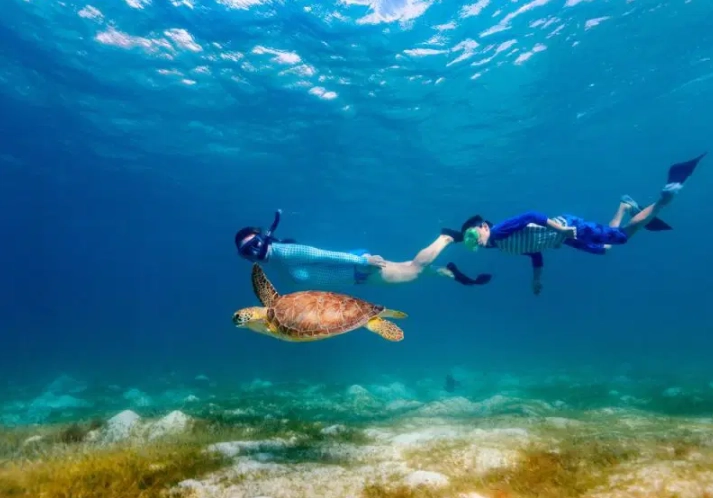
The Big Picture: Your chances are highest in South Florida (the Keys, especially), along certain Atlantic reefs, and in one magical freshwater spring system on the Gulf Coast. The "where" is tightly linked to "when" and "how."
Top Florida Destinations for Swimming with Sea Turtles
Let's get to the heart of it. Based on consistent sightings, local guide knowledge, and my own experiences (both great and disappointing), here are the top areas to answer that burning question: where in Florida can I swim with sea turtles?
The Florida Keys: Your Best Bet for Guaranteed Encounters
If I had to pick one region where your odds are highest, it's the Keys. The Florida Reef Tract—the only living coral barrier reef in the continental US—is a turtle highway. The water is clear, the reefs are healthy in many areas, and turtles are just part of the ecosystem here.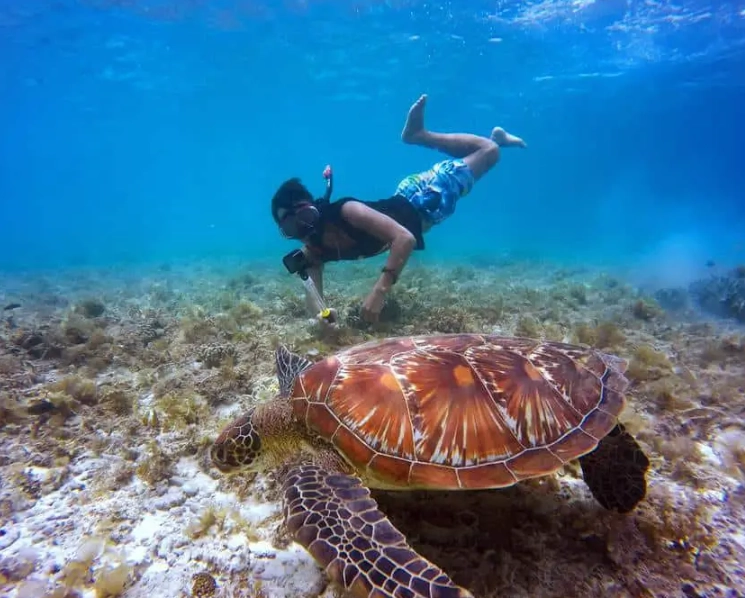
Key Largo is a major hub. Sites like Molasses Reef, French Reef, and the Benwood wreck are famous for turtle sightings. I've seen more green turtles at Molasses Reef than anywhere else in the state. They're often munching on sponge or just cruising along the reef wall. Operators here know the spots intimately.
Marathon & Lower Keys offer fantastic spots too. Looe Key Marine Sanctuary is a standout. The visibility is often stellar, and the reef structure attracts hawksbills and greens. Sombrero Reef is another reliable choice. The vibe in the Lower Keys is a bit more laid-back, which can make for a less crowded experience.
Honestly, booking a snorkel trip with any reputable operator in the Keys will likely involve a "turtle spot." It's their bread and butter. Just ask when you book.
Crystal River & Homosassa: The Unusual (and Winter) Spot
This is the curveball. When people ask where in Florida can I swim with sea turtles, they're usually thinking saltwater. But the Crystal River/Kings Bay/Homosassa area on the Gulf Coast is famous for West Indian Manatees. However, from about November through March, you have a very good chance of encountering loggerhead and green sea turtles in the same warm-water spring systems.
These are juvenile turtles that hang out in the springs where the water stays a constant 72-74 degrees Fahrenheit. It's surreal to snorkel in crystal-clear freshwater and see a sea turtle. It feels… wrong, but in the coolest way possible. The water can be chilly in winter, so a wetsuit is mandatory, but it's a unique experience you won't get anywhere else in Florida.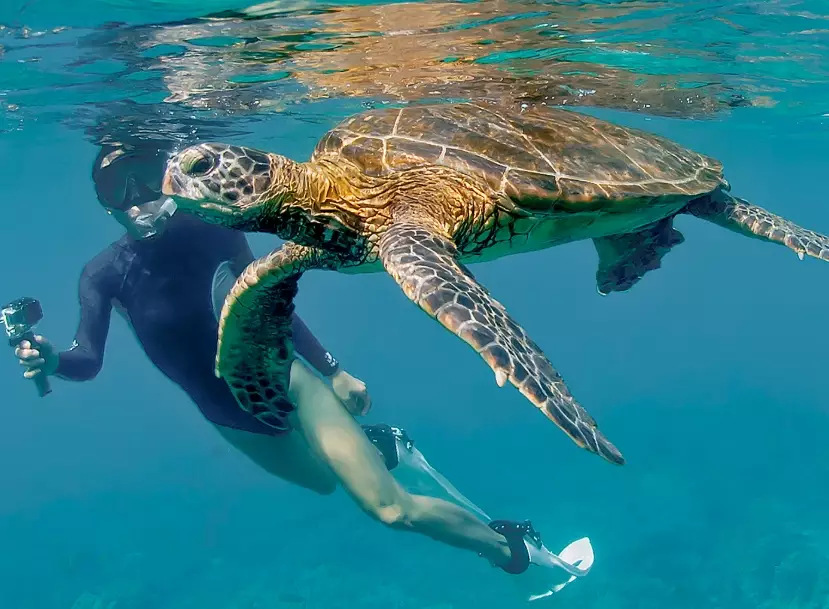
My Experience: I did this in January. Saw three manatees (obviously) and one small, sleepy loggerhead tucked under a ledge at Three Sisters Springs. The guide said they're regulars. It's a different vibe—more serene and less "ocean adventure"—but absolutely magical.
Southeast Atlantic Coast: Fort Lauderdale to West Palm Beach
The reefs off this densely populated coast are surprisingly productive for turtles. The Gulf Stream pushes warm water close to shore, supporting rich reef ecosystems.
West Palm Beach/Palm Beach is arguably the Atlantic coast's turtle hotspot. Breakers Reef, Playground, and Phil Foster Park (a snorkeling trail under a bridge!) are known for frequent green and loggerhead sightings. The current can be stronger here, so it's best for confident snorkelers or with a guide.
Fort Lauderdale has its moments too. The reefs a bit further off the beach, like those near the commercial shipping lanes, can be productive. I've had less consistent luck here personally compared to Palm Beach, but local dive shops report regular sightings.
Pompano Beach & Deerfield Beach also have their dedicated reefs where turtles feed. It's worth checking with local operators about recent activity.
Other Notable Mentions (Where Luck Plays a Bigger Role)
These spots can be fantastic, but the encounters are less of a sure thing. They're for the adventurer who doesn't mind combining a turtle search with other great snorkeling.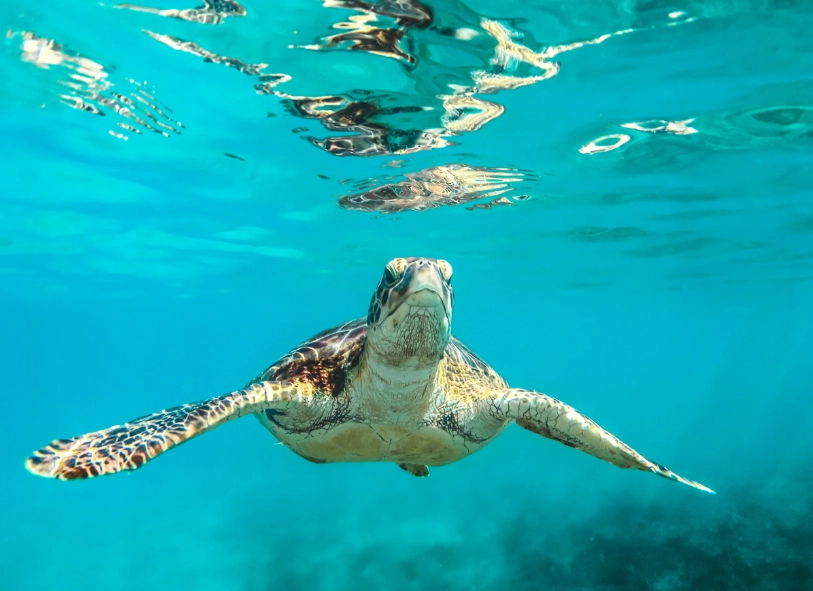
- Dry Tortugas National Park: The ultimate remote experience. The name "Tortugas" means turtles for a reason. Snorkeling around Fort Jefferson and the nearby reefs, you might see hawksbills and greens. It's a long trip (ferry or seaplane), expensive, and weather-dependent, but it's pristine.
- Sarasota & Anna Maria Island: The Gulf coast near Tampa Bay has some artificial reefs and natural ledges that attract turtles, particularly in the summer months. Don't expect the coral reefs of the Keys, but it's a possibility.
- Miami/Key Biscayne: The reefs off Key Biscayne, like the famous "Biscayne National Park," are home to turtles. However, visibility can be hit-or-miss compared to the Keys, and the boat traffic is significant.
So, you've got the "where." But just knowing the location isn't enough. Timing is everything.
When to Go: Timing Your Turtle Encounter Perfectly
You can go to the best spot in the world, but if you go at the wrong time, you'll just see fish. Here’s the seasonal breakdown.
Summer (May – September): This is prime time almost everywhere. The water is warm, the seas are generally calmer, and turtle activity is high. In the Keys and Atlantic reefs, this is feeding and mating season. Visibility is usually excellent. It's also peak tourist season, so book tours well in advance. This is also nesting season on beaches, so remember—look but don't touch on land, too.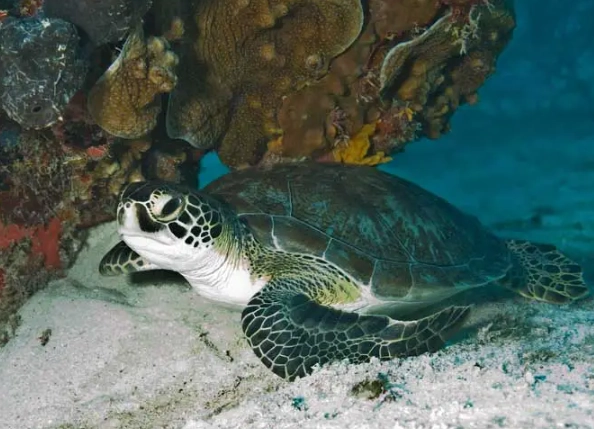
Fall (October – November): Still a great time. The water remains warm, and the summer crowds thin out. A fantastic window for good weather and good sightings.
Winter (December – February): This is where it gets interesting. In the Keys and South Florida, water temps can dip into the low 70s. Turtles are still present but may be less active. You'll want a wetsuit for comfort. However, this is the only time for the freshwater encounters in Crystal River. On the Atlantic side, windy days are more frequent, which can cancel boat trips.
Spring (March – April): Things are warming up again. A wonderful time to go as the water clarity improves and the spring break crowds (in some areas) start to wane. Turtle activity ramps up.
Pro Tip: Aim for morning snorkel trips. The wind tends to pick up in the afternoon, which can chop up the water and reduce visibility. Turtles also seem to be more active in the morning hours. Afternoon storms are common in summer, so morning trips are less likely to get canceled.
Time of day matters. Season matters. But you know what else really, really matters? Who you go with.
Choosing a Tour Operator: The Good, The Bad, and The Ethical
This might be the most important section. A bad operator can ruin the experience for you and harass the wildlife. A good one makes it magical and educational.
You're looking for operators who prioritize the animals' well-being. Here’s what that looks like in practice:
- They Give a Thorough Briefing: Before you even get wet, they should explain the rules. No touching, no chasing, no surrounding the turtle. Maintain a respectful distance (6-10 feet is a good rule of thumb). They should explain how to float calmly and let the turtle approach you (or not).
- They Use Small Groups: Boats that dump 50 people on a reef are a nightmare. Look for smaller operators with 6-15 person snorkel groups. It's less stressful for the ecosystem and you get more guide attention.
- Their Guides are Knowledgeable: They should be able to identify turtle species, explain their behavior, and talk about conservation challenges. It's not just a taxi ride to the reef.
- They Support Conservation: Many good operators donate to or partner with local sea turtle hospitals or research groups, like the Florida Fish and Wildlife Conservation Commission (FWC) or the Sea Turtle Preservation Society. It's a good sign.
Red Flags: An operator that promises you can "touch" or "ride" a turtle is an immediate no. Avoid boats that chase after turtles to get clients a closer look. That's harassing protected wildlife, and it's illegal under the Endangered Species Act. I've seen it happen on cheaper, mass-market tours, and it's infuriating.
Do your homework. Read recent reviews on platforms like TripAdvisor, but look for specifics about turtle encounters and guide behavior, not just whether the boat was nice.
Okay, you've picked your spot, your season, and your tour. What do you need to know once you're in the water?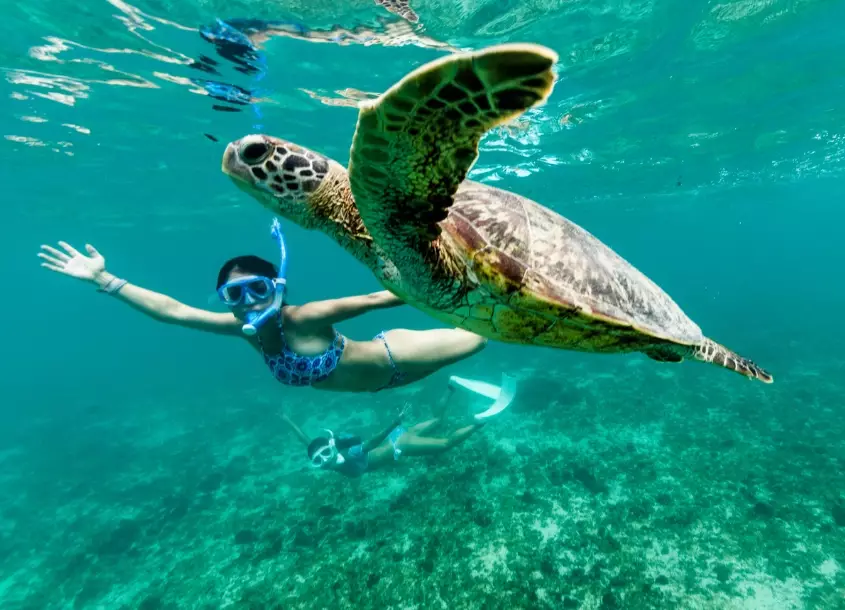
In-Water Etiquette & Essential Tips for a Great Experience
Let's be real. Seeing a sea turtle is thrilling. It's easy to get excited and do something dumb. Here’s how to be a good guest in their home.
1. Be Calm and Move Slowly. No frantic kicking or splashing. Imagine you're trying not to spook a deer. Smooth, slow fin strokes. Your goal is to be a quiet, non-threatening observer.
2. Never, Ever Touch. I can't stress this enough. Touching a sea turtle can damage their protective bio-film, stress them out, and is illegal. Keep your hands to yourself. This includes trying to "ride" them, which is just awful behavior.
3. Don't Block Their Path or Corner Them. Always give them an escape route to the surface (they need to breathe!). Don't swim directly above them or try to herd them. If a turtle is swimming away, let it go. Don't follow it.
4. Look, Don't Chase. The best encounters happen when the turtle is curious about you. If you're calm, sometimes they'll swim right up to check you out. That moment is worth a thousand chases.
5. Sunscreen Matters. Please use a reef-safe, mineral-based sunscreen (zinc oxide or titanium dioxide). Chemicals like oxybenzone and octinoxate bleach coral and harm marine life. Many tour operators now require it, and some places in Florida (like Key West) have ordinances against the bad stuff. Put it on at least 15 minutes before you get in the water.
What to Bring:
- Reef-safe sunscreen
- A rash guard or wetsuit top (sun protection is huge, even in water)
- Your own mask and snorkel if you're picky (most operators provide)
- GoPro or underwater camera (on a floaty wrist strap!)
- Sea-sickness medication if you're prone to it (take it before you feel sick)
- Patience and realistic expectations
Now, let's tackle some of the specific questions that pop up when you're planning this kind of trip. The ones that keep you up at night.
Frequently Asked Questions (The Stuff You're Really Wondering)
- Green Sea Turtle: Named for green fat, not shell color. Often seen grazing on seagrass.
- Loggerhead: Big head, powerful jaws. Very common.
- Hawksbill: Pointed beak, beautiful patterned shell. More common on coral reefs in the Keys.
- Kemp's Ridley: Rarely seen by snorkelers, mostly in nearshore Gulf waters.
Leatherbacks are oceanic giants and are almost never seen by snorkelers.
- Uses chum or food to attract turtles.
- Allows or encourages touching.
- Has no briefing on responsible behavior.
- Operates in areas where turtles are known to rest (like certain sea grass beds) and disturbs them repeatedly.
Your research is your best defense.
This brings us to the most important point of all. Why are we so lucky to have this opportunity in Florida? And how do we keep it that way?
The Bigger Picture: Conservation & Why It Matters
Every turtle you see is a survivor. They face threats from boat strikes, plastic pollution (they eat plastic bags thinking they're jellyfish), entanglement in fishing gear, and habitat loss. The fact that we can swim with them is a testament to decades of conservation work.
Florida has robust laws protecting sea turtles, their nests, and their habitats. Organizations like the FWC and countless local volunteer groups monitor nests, run rescue hospitals, and conduct vital research.
When you choose an ethical operator and follow the rules, you're not just having a cool experience. You're voting with your wallet for a model of tourism that values the animal over the Instagram photo. You're showing that wildlife watching can be sustainable.
Consider supporting these efforts. Many turtle hospitals, like the Marine Life Center in Juno Beach or the Turtle Hospital in Marathon, offer tours and accept donations. Seeing the rehab work puts the whole experience into perspective.
Your encounter is a privilege. The goal is to leave the turtle exactly as you found it—undisturbed and going about its day. If you can do that, you've had a perfect swim.
Final Thoughts: Making Your Decision
So, to circle back to the original question one last time: Where in Florida can I swim with sea turtles? The answer is a spectrum.
For the highest probability and a classic coral reef experience, the Florida Keys are your top choice. For a unique, freshwater winter encounter, Crystal River/Homosassa is incredible. For Atlantic coast convenience with very good odds, look at West Palm Beach.
Use the table below to quickly compare the top contenders:
| Location | Best Season | Likely Species | Experience Vibe | Best For... |
|---|---|---|---|---|
| Florida Keys | Year-round (Best: May-Oct) | Green, Hawksbill, Loggerhead | Classic ocean reef snorkeling | Guaranteed sightings, clear water, full-day adventures |
| Crystal River | Winter (Nov-Mar) | Loggerhead, Green (juveniles) | Serene freshwater springs | Unique setting, combo with manatees, calm water |
| West Palm Beach | Year-round (Best: May-Sept) | Green, Loggerhead | Atlantic reef snorkeling | Easy coastal access, good for Florida east-coasters |
| Dry Tortugas | Spring & Summer | Hawksbill, Green | Remote national park adventure | Combining history & wildlife, avoiding crowds |
Do your research on operators. Book ahead in peak season. Pack your reef-safe sunscreen and your patience. Go with respect in your heart and calm in your fins.
That magical moment of locking eyes with a sea turtle as it glides past you—it’s worth all the planning. It’s a connection to the ocean that stays with you. Just remember, we’re visitors in their world. Let’s be good ones.
Hope this helps you find your perfect turtle swim. Maybe I'll see you out there on the reef, floating quietly and waiting for that slow, ancient shadow to appear from the blue.
Your comment