Quick Navigation
- Understanding Florida's Sea Turtle Calendar: It's More Than One Season
- A Month-by-Month Breakdown: What to Expect
- Where to Go: Coast Matters (Atlantic vs. Gulf)
- How to Actually See Them: Tours vs. DIY
- Beyond the Month: Crucial Tips for Your Visit
- Your Burning Questions, Answered (FAQs)
- Final Thoughts: It's About More Than a Photo Op
So you're dreaming of seeing a sea turtle in Florida. Maybe you've seen pictures online, those incredible shots of a massive leatherback emerging from the surf under a starry sky, or tiny hatchlings scrambling towards the ocean. It's a bucket-list experience for sure. But then you start planning, and the big question hits you: what month is best to see sea turtles in Florida?
It's not as simple as picking a date. I learned that the hard way on my first trip, showing up in August full of hope only to find crowded tours and, honestly, not much else. The truth is, the "best" month depends entirely on what you want to see. Do you want to witness the awe-inspiring spectacle of a 300-pound loggerhead digging her nest? Or is your heart set on seeing the magical, frenzied dash of baby turtles? Maybe you just want a decent chance of seeing any turtle activity without the summer crowds.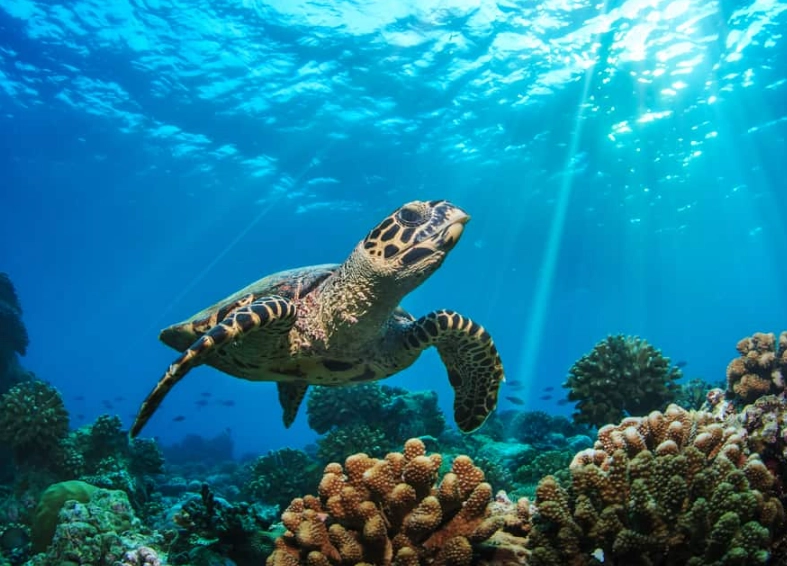
That's why a single month won't cut it as an answer. We need to talk seasons, species, and specific coasts. Florida's sea turtle season is a long, drawn-out drama, and each act offers something different.
Understanding Florida's Sea Turtle Calendar: It's More Than One Season
Most people think "sea turtle season" and imagine a few weeks in summer. Nope. In Florida, it's a marathon. The official season recognized by the Florida Fish and Wildlife Conservation Commission (FWC) runs from March 1st through October 31st. That's eight months! But activity is minimal at the start and tail ends.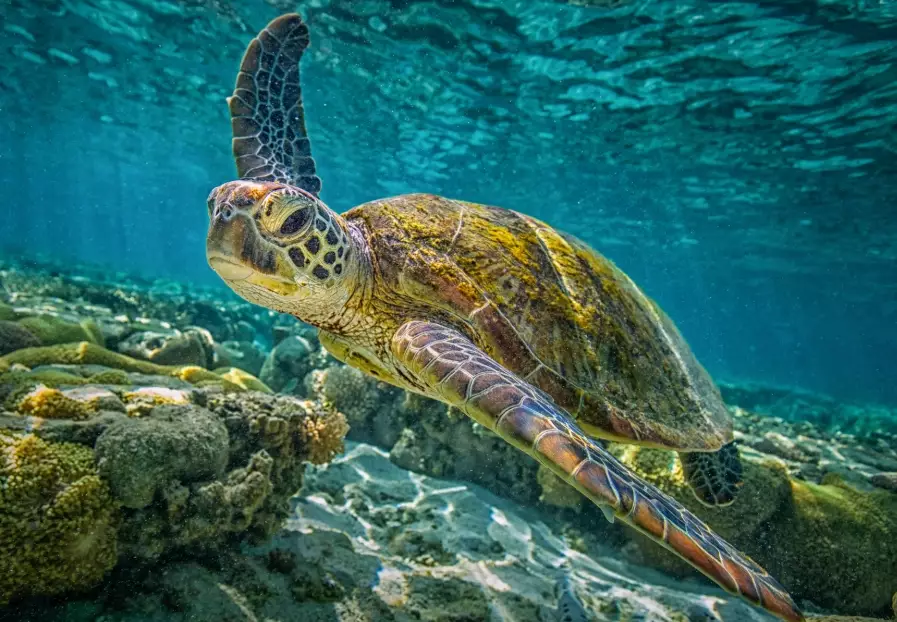
You really have two overlapping seasons:
- Nesting Season (Primarily April-August): This is when adult females come ashore to lay eggs.
- Hatching Season (Primarily June-November): This is when those eggs incubate and eventually, the babies emerge.
The overlap in mid-summer is where the magic (and the crowds) happen. The National Oceanic and Atmospheric Administration (NOAA) has fantastic guidelines for viewing, which boil down to one thing: don't disturb them. Lights, noise, and getting too close are big no-nos.
I remember talking to a volunteer with the Sea Turtle Preservation Society in Melbourne Beach. She said their busiest nights for nesting are rarely the ones tourists predict. It's not about the full moon like some think; it's often the dark, quiet nights after a high tide. Turtle intuition, I guess.
A Month-by-Month Breakdown: What to Expect
Let's get granular. This table should give you a quick visual of the entire season. It's based on averages for the Atlantic coast (Gulf coast trends a bit later).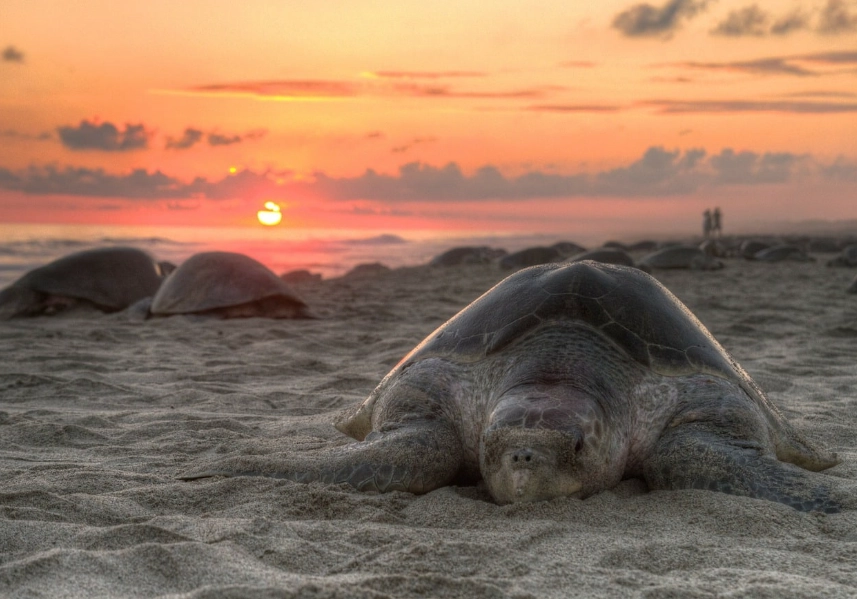
| Month | Primary Activity | What You Might See | Crowd Level | Our "Best For" Rating |
|---|---|---|---|---|
| March | Very early nesting | Rare, early-bird loggerheads or greens. Mostly quiet beaches. | Very Low | The hopeful early-bird |
| April | Nesting begins | Nesting activity increases, especially on southern coasts. Still sporadic. | Low | Serious turtle enthusiasts wanting solitude |
| May | Nesting ramps up | Good nesting activity. Leatherbacks peak in SE Florida. No hatchlings yet. | Medium | Seeing large leatherbacks nesting |
| June | Nesting peak begins | EXCELLENT nesting for loggerheads/greens. First early hatchlings may appear late month. | High | The start of peak action |
| July | Peak of both seasons | Heavy nesting AND hatching kicks into gear. Maximum potential for any activity. | Very High | The classic, all-around best chance |
| August | Nesting winds down, hatching peaks | Nesting declines, but HATCHING is at its most frequent and reliable. | High | Seeing baby sea turtles (hatchlings) |
| September | Late hatching season | Very little new nesting. Hatching continues strongly, especially from late nests. | Medium | Great hatching odds with fewer people |
| October | Season tail-end | Straggler hatchlings. Rare, late nests. Beaches get quiet again. | Low | Last-chance viewing, peace and quiet |
See how it shifts? Asking "what month is best to see sea turtles in Florida" is like asking the best time to eat at a farm-to-table restaurant. Spring for planting, late summer for harvest. You gotta pick your experience.
Deep Dive: The Prime Summer Months (June-August)
This is the core of the season. Let's break down why each month within this period has its own vibe.
June: The energy starts to buzz. Nesting is in full swing—beach surveys by groups like the Sea Turtle Conservancy are happening nightly. The odds of seeing a nesting turtle on a guided walk are now genuinely good. By late June, if you're on a beach that had early nests (around early May), you might hit the jackpot: a nest boiling with hatchlings. It's a transition month, and that can be exciting. The humidity is up, but the tourist crush isn't at its absolute peak yet.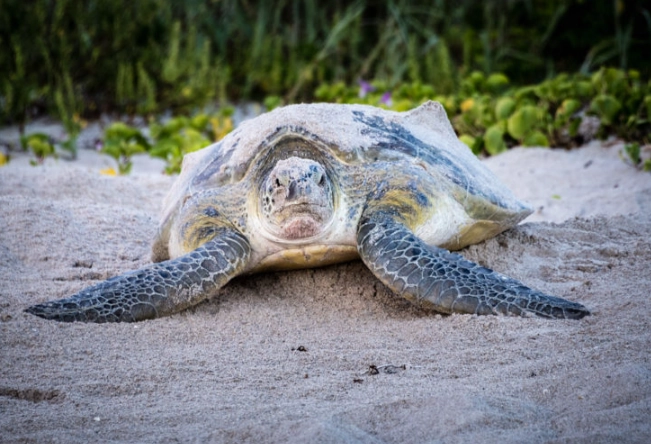
July: This is it. The answer most people give for the best month, and they're not wrong. Nesting is still heavy, and hatching events become a nightly occurrence on many beaches. The flip side? Everyone knows it. Guided tours book up weeks, sometimes months, in advance. Beaches can feel busy, especially around public access points. If you want guaranteed action and don't mind sharing it, July is your month. It's also hot. Really hot. And afternoon thunderstorms are almost a daily ritual.
August: Here's a pro tip a lot of people miss. If your heart is set on seeing hatchlings make their run, August is arguably better than July. The nesting numbers dip, sure, but all those nests laid in May and June are now "ripe" and hatching like clockwork. The focus completely shifts from mothers to babies. The crowds begin to thin slightly as back-to-school season approaches, especially after mid-month. The water is warm, the days are long, and the hatchling shows are frequent. For answering the question "what month is best to see sea turtles in Florida" specifically for hatchlings, I'd point to August.
Where to Go: Coast Matters (Atlantic vs. Gulf)
Florida isn't a monolith. The Atlantic coast (from the Keys up to Jacksonville) and the Gulf coast (from Naples to the Panhandle) have different rhythms.
Atlantic Coast Hotspots:
- Archie Carr National Wildlife Refuge (Melbourne Beach): This is arguably the most important sea turtle nesting beach in the Western Hemisphere. Density is insane. If you're on a guided walk here, your odds are top-tier.
- Juno Beach: Home to the Loggerhead Marinelife Center, which runs great educational programs and walks.
- Fort Lauderdale & Miami Beaches: Yes, even the busy urban beaches get turtles. Conservation groups work hard here.
- Canaveral National Seashore: A protected, less-developed area with strong nesting numbers.
Gulf Coast Hotspots:
- Siesta Key & Casey Key: Good loggerhead activity, with monitoring by Mote Marine Lab.
- Sanibel & Captiva Islands: Beautiful beaches with consistent nesting.
- St. George Island (Panhandle): A later-season spot, great for August/September viewing.
I've visited both coasts. The Atlantic feels more "serious" for turtle watching—more organized tours, more research presence. The Gulf feels a bit more relaxed, but you might have to work a little harder to find a guided opportunity.
How to Actually See Them: Tours vs. DIY
You can't just wander onto any beach at night and expect a show. There are rules, and for good reason.
Guided Walks/Tours: This is the most reliable and responsible method for most people. They are led by permitted guides who know the beaches, the rules, and how to minimize disturbance. They often work in partnership with research groups. Book these EARLY. Like, as soon as you know your dates. Popular ones sell out.
The DIY Approach (Proceed with Caution): It is possible to see turtles on your own, but you must be incredibly diligent. You need to:
- Choose a beach with public night access (many don't allow it during season).
- Use only a red LED flashlight (white light disorients turtles).
- Stay quiet, stay back, and never block a turtle's path to or from the ocean.
- Never, ever use flash photography.
Beyond the Month: Crucial Tips for Your Visit
Knowing the month is half the battle. Here's the other half.
- Time of Day: Turtles nest at NIGHT. Hatchlings usually emerge at night, though sometimes just after dusk. All serious viewing is after dark. There are no daytime turtle emergences (unless something is wrong).
- Weather Matters: Turtles prefer calm, dark nights. A bright full moon, strong winds, or heavy rain can reduce activity. Don't get discouraged if your tour gets "skunked"; it's nature.
- Patience is Non-Negotiable: Tours can involve a lot of walking and waiting. Bring water, wear comfortable shoes, and apply bug spray (away from the beach).
- Leave the Beach Flat and Dark: If you're staying beachfront, close your blinds at night! Interior lights can lure hatchlings inland to their deaths. Fill in holes and knock down sandcastles before you leave—they become deadly obstacles for both adults and hatchlings.
It sounds like a lot of rules. But when you see a turtle, you'll understand why every single one exists.
Your Burning Questions, Answered (FAQs)
Final Thoughts: It's About More Than a Photo Op
Chasing the answer to "what month is best to see sea turtles in Florida" is really the start of a deeper understanding. These animals are ancient mariners facing modern threats—coastal development, light pollution, plastic waste, climate change. When you go see them, you're not just a tourist; you're a witness to a fragile and incredible natural process.
So, to wrap it all up:
- For the highest overall chance of any turtle activity: July.
- For the best nesting viewing with slightly smaller crowds: June.
- For the most reliable hatchling viewing: August into September.
- For a quiet, low-odds gamble: May or October.
Pick your priority. Book your tour early. Follow the rules. And when you're standing there in the dark, listening to the waves, and you see that first dark shape emerge from the foam... you'll forget all about the planning. It's worth every bit of effort.
Good luck, and be a good guest on their beach.
Your comment