Quick Navigation
- Why Europe? The Mediterranean Turtle Hotspots
- Diving Deeper: What to Expect at Each Best Place to Swim with Sea Turtles in Europe
- How to Choose YOUR Best Place to Swim with Sea Turtles in Europe
- The Non-Negotiables: Responsible Turtle Swimming
- Practical FAQs: Everything Else You Need to Know
- Wrapping It Up: Making Your Decision
Let's be honest, the idea of gliding through clear blue water alongside a majestic sea turtle feels like something from a documentary. But here's the cool part – you don't need to fly halfway across the world to the Great Barrier Reef to do it. Right on Europe's doorstep, in the warm Mediterranean, there are spots where swimming with these ancient creatures isn't just possible, it's a regular occurrence. I remember the first time I saw one in the wild, just off a beach in Zakynthos. It wasn't on a fancy tour; I was just snorkeling, and there it was, cruising along the seabed like it owned the place. That moment of quiet awe, just you and this prehistoric animal going about its day, is hard to beat.
So, if you're dreaming of that experience and typing "best place to swim with sea turtles Europe" into Google, you've come to the right place. This isn't a generic listicle. We're going to dig into the where, the when, the how, and the crucial how to do it responsibly. We'll look at the top spots in Greece, Turkey, and Cyprus, compare what they offer, and tackle all those practical questions that pop up when you're planning. Is it better to go on a tour or try your luck alone? What time of year is actually good? And honestly, is it even ethical? Let's get into it.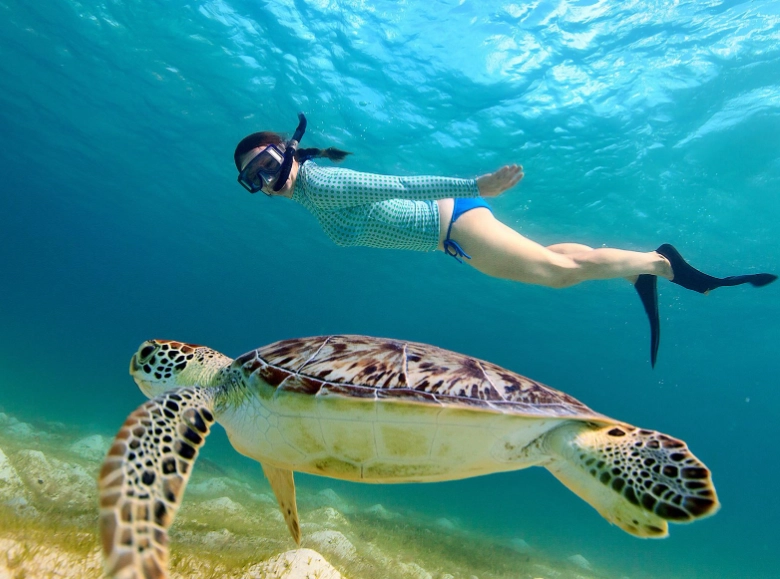
Quick Reality Check: Unlike tropical aquariums, these are wild animals. Seeing them is a privilege, not a guarantee. But by choosing the right location and time, you stack the odds hugely in your favor. The Mediterranean is home primarily to the Loggerhead turtle (Caretta caretta) and the rarer Green turtle (Chelonia mydas). Your quest for the best place to swim with sea turtles in Europe will almost always lead you to Loggerhead nesting and feeding grounds.
Why Europe? The Mediterranean Turtle Hotspots
You might not associate Europe with thriving sea turtle populations, but the Med is actually a critical habitat. Centuries of coexistence (and, sadly, conflict) with humans have shaped their presence here. Major nesting beaches are found in eastern Greece, Cyprus, and Turkey, while feeding grounds spread out across the basin. This creates specific, predictable locations where encounters are common – the foundation for any search for the best place to swim with sea turtles in Europe.
The key is understanding their lifecycle. From late May to August, females come ashore to lay eggs. That's a sensitive time, and you should never disturb a nesting turtle. But after hatching (late summer/early autumn) and outside the nesting season, turtles frequent specific bays and seagrass meadows to feed. These feeding areas are your golden ticket for a swim.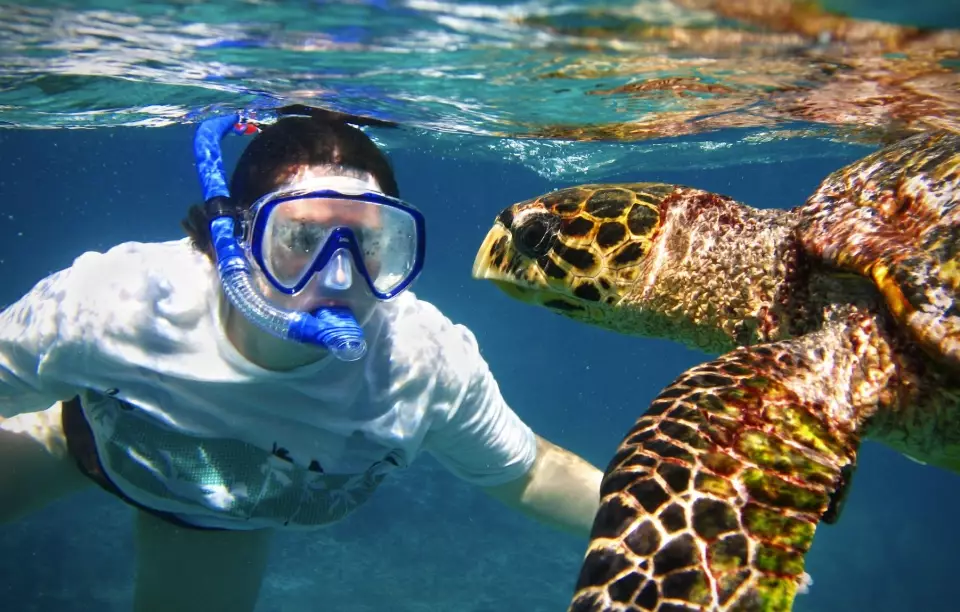
The Top Contenders: A Side-by-Side Look
Based on consistency of sightings, accessibility, and the overall experience, three main areas stand out. I've put them in a table because, honestly, it makes comparing the vibe and practicalities so much easier.
| Location & Core Area | Turtle Species & Vibe | Best Time to Swim | How to Experience It | Good to Know |
|---|---|---|---|---|
| Zakynthos (Zante), Greece Laganas Bay, Keri |
Loggerhead. The most famous spot. Can feel touristy in peak season, but the turtle density is high. | June - September. Mornings are calmer (fewer boats). | Organized boat/snorkel tours are prevalent. You can also snorkel from certain beaches (like Turtle Island) independently. | The marine park has strict rules (no-go zones, speed limits). Respect them. This is arguably the most popular answer to "best place to swim with sea turtles Europe." |
| Dalyan & Iztuzu Beach, Turkey | Loggerhead. A more serene, conservation-focused atmosphere. Iztuzu is a pristine, protected nesting beach. | May - October. Swimming near the beach river mouth can be productive. | Boat trips from Dalyan down the river to Iztuzu often include a swim stop in the bay. More low-key than Zakynthos. | Home to the renowned DEKAMER Sea Turtle Rescue Center. Your visit can support conservation. |
| Northern Cyprus (Alagadi Beach & Surrounds) | Loggerhead & Green turtles. The wildcard option. Less developed, with a strong university research presence. | July - September, especially late summer when hatchlings emerge and adults feed nearby. | Mostly independent snorkeling from beaches like Alagadi or taking small local boat trips. Fewer dedicated "turtle tour" operators. | Part of the island is under Turkish control, which has its political complexities for travel. Check entry requirements. The local environmental protection units are very active. |
See what I mean? Zakynthos is the busy classic, Dalyan is the eco-conscious choice, and North Cyprus is the off-the-beaten-path adventure. Your personality and travel style will pull you towards one.
My personal lean is towards the Turkish options. Zakynthos, while incredible, can sometimes feel like a turtle-themed conveyor belt in August. The sheer number of boats… it just feels a bit much. In Dalyan, the focus on the sanctuary and the stunning river journey to the beach makes the whole day feel more meaningful.
Diving Deeper: What to Expect at Each Best Place to Swim with Sea Turtles in Europe
Zakynthos, Greece: The Accessible Classic
Laganas Bay is a massive, shallow bay with lush seagrass beds – a turtle buffet. The establishment of the National Marine Park here in 1999 (official site here) helped regulate activity, though enforcement can feel spotty.
If you take a tour (and most people do), you'll likely be taken to "Turtle Island" (Marathonissi) or specific spots in the bay. The guides know the regulars. You'll get a briefing on not touching or chasing, and then you'll get in the water. The visibility isn't always perfect, but it's usually good enough.
Pro Tip for Zakynthos: Look for smaller, eco-certified tour operators who use electric motors or limit group sizes. Ask them directly about their code of conduct. Avoid the huge party boats that blast music – they're stressful for wildlife and ruin the ambiance.
Can you DIY it? Yes, but with caveats. You can kayak or take a water taxi to the edges of Marathonissi and snorkel. You might get lucky, but the tour boats do know the high-probability spots better. For a first-timer wanting a reliable sighting, a good tour is a solid bet.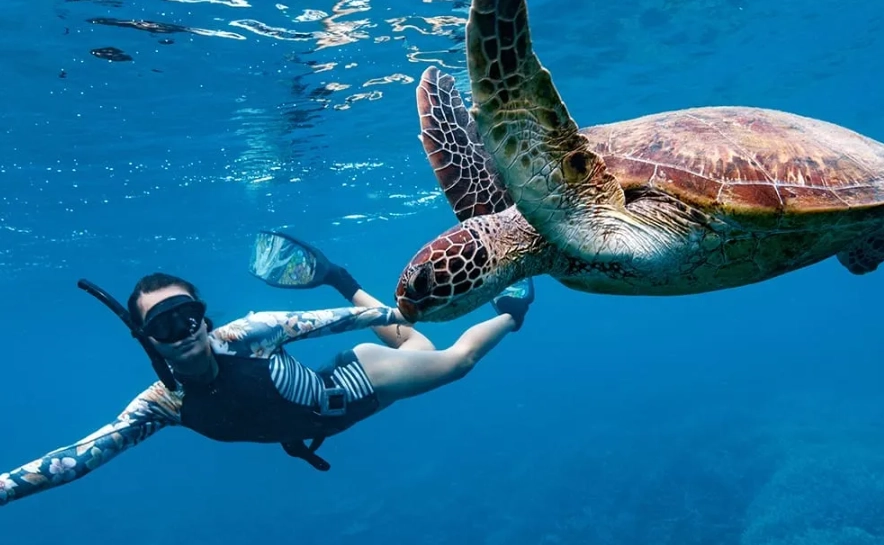
Dalyan / Iztuzu, Turkey: The Conservation Heart
This place operates on a different wavelength. The journey is half the experience: a slow boat trip down the reed-lined Dalyan River, past ancient rock tombs, before emerging at the glorious 4km stretch of Iztuzu Beach. This beach is closed from dusk till dawn during nesting season to protect the turtles.
Swimming here usually happens in the channel area where the river meets the sea, or in the bay just offshore. The turtles come here to feed and rest. The presence of DEKAMER (the Sea Turtle Research, Rescue and Rehabilitation Center) right on the beach sets the tone. You can often visit the center and see their work with injured turtles – a sobering and important reminder of the threats they face.
It feels less like a spectacle and more like a visit to their home where you're a respectful guest.
Northern Cyprus: The Under-the-Radar Gem
For those who hate crowds, this might be the true best place to swim with sea turtles in Europe. Beaches like Alagadi are major nesting sites monitored by universities and conservation groups like SPOT (Society for the Protection of Turtles).
The swimming experience is more serendipitous. You rent a car, drive to a quiet cove, and snorkel along the rocky outcrops and seagrass. There's no guide pointing them out. You might spend an hour seeing just fish, and then suddenly a turtle emerges from the haze, munching on seagrass. The sense of discovery is unparalleled.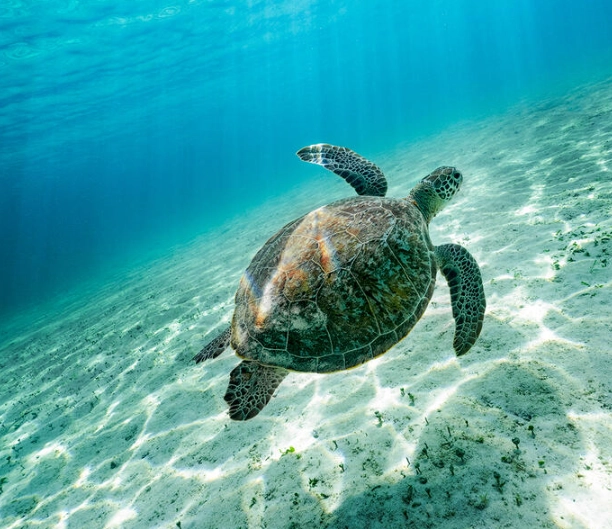
Heads Up: Infrastructure here is more basic. Don't expect fancy dive shops or a multitude of tour options. This is for the self-sufficient traveler who's comfortable with a bit of uncertainty. Also, politically, the northern part of Cyprus is only recognized by Turkey. Ensure your travel insurance covers you and be aware of the border crossing points if you're coming from the Greek Cypriot south.
How to Choose YOUR Best Place to Swim with Sea Turtles in Europe
Okay, so you've got the options. How do you pick? Ask yourself these questions:
- What's your travel style? Package holiday and convenience? Zakynthos. A more integrated cultural/nature trip? Dalyan. A road trip adventure off the tourist trail? North Cyprus.
- Who are you traveling with? Families with younger kids might appreciate the structured safety of a Zakynthos tour. Solo travelers or couples seeking tranquility might prefer Dalyan or Cyprus.
- What's your budget? Zakynthos tours are competitive but can add up. Dalyan boat trips are usually good value. North Cyprus is generally cheaper for accommodation and food, but you'll need to rent a car.
- How important is guaranteed seeing a turtle? If it's the absolute top priority, Zakynthos in peak season has the highest odds. If the experience of trying in a wilder setting is part of the fun, broaden your horizons.
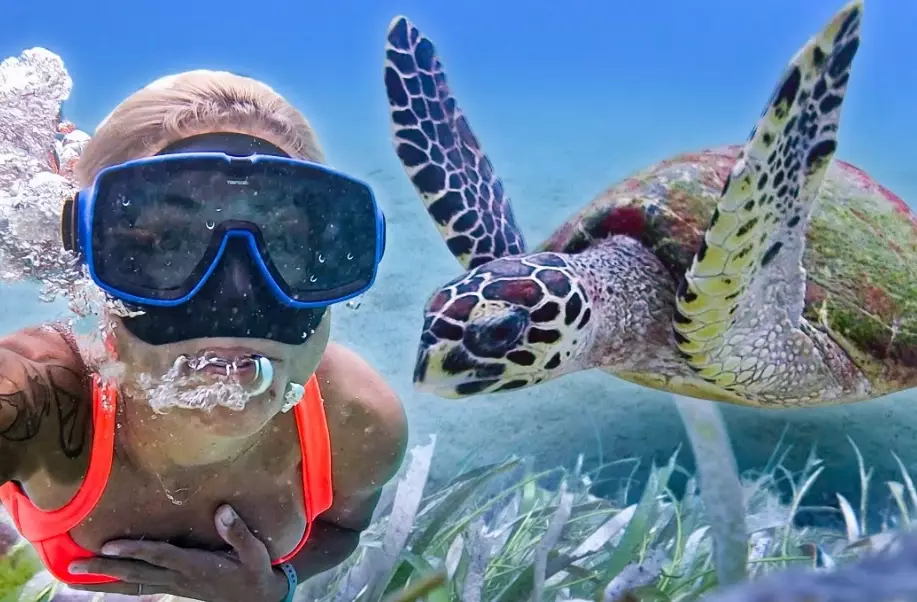
The Non-Negotiables: Responsible Turtle Swimming
This is the most important section. If you remember nothing else, remember this. Our desire to see these creatures cannot harm them. Here’s the golden rule list, endorsed by conservation bodies like the IUCN Marine Turtle Specialist Group:
- Never touch a turtle. Not even a little. The slimy coating on their shell is a protective biofilm. Your touch removes it and can cause stress.
- Maintain a respectful distance. At least 2-3 meters. If the turtle moves away, you're too close. Don't corner it.
- Do not chase or follow persistently. Swim parallel or observe from a distance. Let it control the interaction.
- Minimize your flash and bubbles. No flash photography. If you're scuba diving, control your buoyancy to avoid kicking up sand or crashing into the reef.
- Never feed them. It alters their natural behavior and diet.
- On land, give nesting beaches a wide berth at night. Use red-light torches if you're on a sanctioned monitoring tour. Never shine white light on a nesting turtle or hatchlings.
Choosing an operator that enforces these rules is part of being a responsible tourist. Your money is a vote.
Practical FAQs: Everything Else You Need to Know
Do I need to be a strong swimmer?
For snorkeling, you need to be comfortable in deep water and able to swim calmly. Tours usually provide buoyancy aids. It's not about speed; it's about relaxed control. If you're not confident, let the guide know.
What gear do I need?
A good-fitting mask and snorkel is essential. Freezing water isn't the issue (the Med is warm), but a leaky mask ruins everything. Consider bringing your own if you're picky. Fins are helpful for covering ground with less effort. An underwater camera or GoPro is great, but remember – no flash.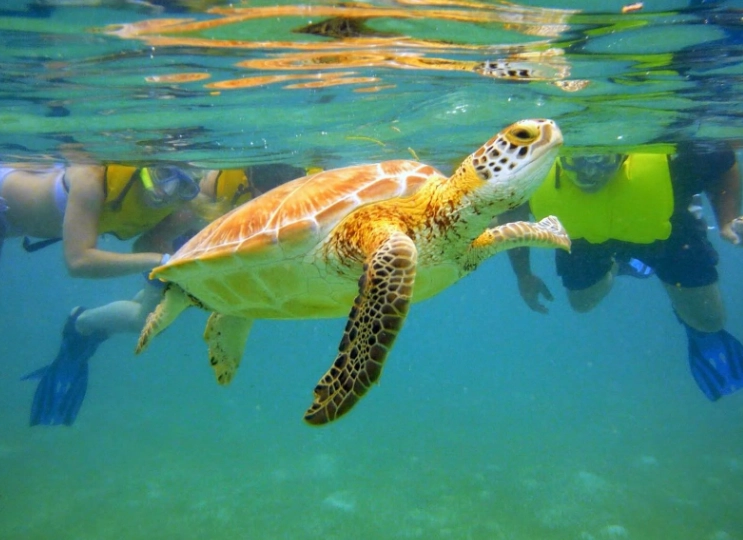
What about scuba diving with turtles in Europe?
Yes! While snorkeling is the primary mode, scuba diving offers longer, more serene observations. Areas around Zakynthos, parts of Crete (like Chania), and even Malta have dive sites where turtle encounters are possible, though less predictable than the surface hotspots. It's more of a wonderful bonus than the main event.
Is there a best time of day?
Early morning, before the wind and boat traffic pick up, is often ideal. The water is calmer and clearer. Turtles are also often active in the late afternoon. Midday can be busy and choppy.
What should I wear?
A rash guard or t-shirt is a must. Not just for sun protection (which is critical), but also because it provides a bit of warmth and prevents accidental scraping against rocks. The Mediterranean sun is brutal – reef-safe sunscreen is highly recommended.
Wrapping It Up: Making Your Decision
So, after all this, what's the final verdict on the best place to swim with sea turtles in Europe? There isn't one single answer. It's a trio of fantastic options, each with its own character.
- For reliable sightings and full tourist infrastructure, head to Zakynthos. Do your homework to pick an ethical operator.
- For an experience woven with conservation and stunning scenery, Dalyan and Iztuzu Beach in Turkey are magical.
- For the adventurous soul who wants to feel like a pioneer, the beaches of Northern Cyprus offer a raw and rewarding challenge.
The Mediterranean's turtles are a reminder of the wild beauty that persists alongside our holiday destinations. Finding the best place to swim with sea turtles in Europe is about more than a photo op; it's about connecting with a piece of ancient life in our own continent's sea. Plan wisely, act responsibly, and that moment when you lock eyes with a turtle underwater – it'll stay with you forever. Trust me on that.
Oh, and one last thing from my own blunder: if you're snorkeling from a beach, check the current before you swim out too far. I spent twenty minutes fighting a gentle current to get back to shore once, which is not the graceful exit you imagine. The turtle I saw was worth it, but my shoulders disagreed the next day.
Your comment