Your Quick Guide
- The Real Cost Breakdown: What Are You Actually Paying For?
- Top European Spots: A Cost & Experience Comparison
- Beyond the Tour: Your Total Trip Budget
- How to Save Money Without Ruining the Experience
- The Ethical Cost: Why the Cheapest Option Can Be the Most Expensive
- Your Questions, Answered (The Stuff You Actually Google)
- Wrapping It Up: Making Your Decision
It’s one of those bucket list moments, isn’t it? Gliding alongside a sea turtle in its own world. That serene, almost slow-motion grace. I remember my first time in Zakynthos, Greece – the mix of excitement and sheer awe. But before you pack your snorkel, there’s the practical side: figuring out the actual cost to swim with sea turtles in Europe.
It’s not just one price. The final number on your receipt depends on a crazy mix of things. Where you go, how you get there, the season, and what kind of experience you’re after. A budget-friendly group trip off Cyprus feels worlds apart from a private, guided eco-tour in the Azores. And honestly, some packages are worth every extra euro, while others… well, let’s just say you might feel a bit short-changed.
This guide is here to cut through the noise. We’ll break down the swim with sea turtles Europe cost from every angle, compare the top spots, and highlight the hidden fees nobody tells you about. My goal? To give you all the info you need to plan a trip that’s amazing for you and respectful to the turtles. Because a cheap trip that stresses the animals isn’t a good deal at all.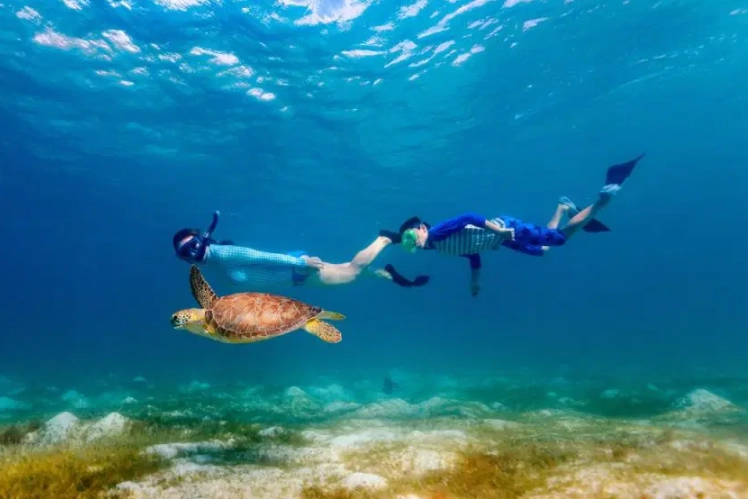
The Real Cost Breakdown: What Are You Actually Paying For?
Let’s get granular. When you see a price tag of "€65 to swim with turtles," what's inside that number? And what's sneakily left out?
The Activity Fee (The Big One)
This is the price for the boat trip or guided snorkel tour itself. It usually covers:
- Boat/Guide: The biggest chunk. Fuel, captain, and often a guide or marine biologist.
- Basic Gear: Snorkel, mask, fins. Pro tip: The quality varies wildly. If you're serious about snorkeling, bringing your own mask can be a game-changer for comfort.
- Briefing & Safety: A good operator will always give a talk on how to behave around turtles. If they don’t, that’s a red flag.
What it often does NOT include:
- Wetsuit Rental: Crucial in shoulder seasons (spring/autumn). Adds €5-€15.
- Underwater Camera Rental: Another €10-€30 per trip.
- National Park/Marine Reserve Fees: Places like Laganas Bay in Zakynthos have a mandatory environmental tax, sometimes €5-€10 paid separately.
- Transfers: Getting from your hotel to the marina. Can be €10-€20 extra.
See? That €65 can easily become €90+ before you know it. Always read the "inclusions" list on the booking website like a hawk.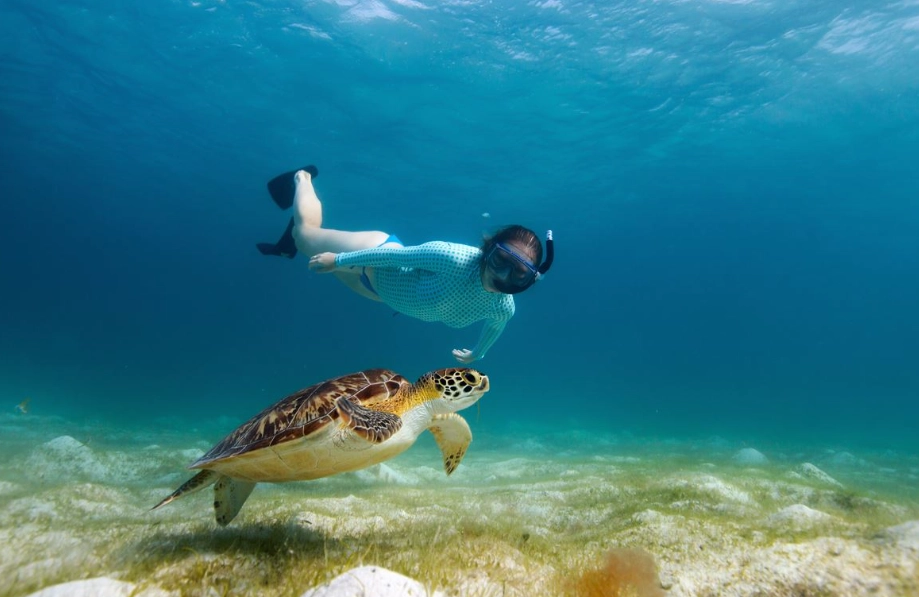
Top European Spots: A Cost & Experience Comparison
Europe isn't just the Mediterranean. You've got Atlantic islands and specific protected bays where turtles thrive. The cost to swim with sea turtles in Europe shifts dramatically with the location.
| Location & Country | Turtle Species | Peak Season (Best Chance) | Typical Tour Price Range (per person) | The Vibe & What You're Paying For |
|---|---|---|---|---|
| Zakynthos (Zante), Greece | Loggerhead (Caretta caretta) | June - September | €45 - €80 | The classic. High chance of sightings in Laganas Bay. Can be crowded with many boats. You're paying for accessibility and high probability. |
| Northern Cyprus (Alagadi Beach) | Loggerhead, Green Turtle | June - August | €50 - €90 | More rustic, conservation-focused. Often linked with university research projects (Society for the Protection of Turtles in Cyprus). Cost supports conservation. |
| Dalyan, Turkey | Loggerhead | May - October | €40 - €70 | Often combined with a boat trip to the ancient rock tombs. A more cultural/touristy combo deal. |
| Maltese Islands | Loggerhead | July - September | €55 - €100+ | Sightings are less guaranteed but magical when they happen. Tours often focus on specific known reefs. You're paying for a more exploratory, less crowded experience. |
| Azores, Portugal (esp. São Miguel) | Loggerhead, occasionally others | July - October | €70 - €120+ | The premium, wildcard option. Often part of a wider "marine wildlife" tour (dolphins, whales). Cost reflects smaller boats, expert guides, and Atlantic logistics. A fantastic, uncrowded choice if your budget allows. |
My personal take? Zakynthos is the surest bet for a first-timer on a moderate budget. But if you hate crowds and love the idea of your money aiding science, Northern Cyprus has a special feel. The Azores? That’s for when you want an adventure and don’t mind paying for higher-end guiding.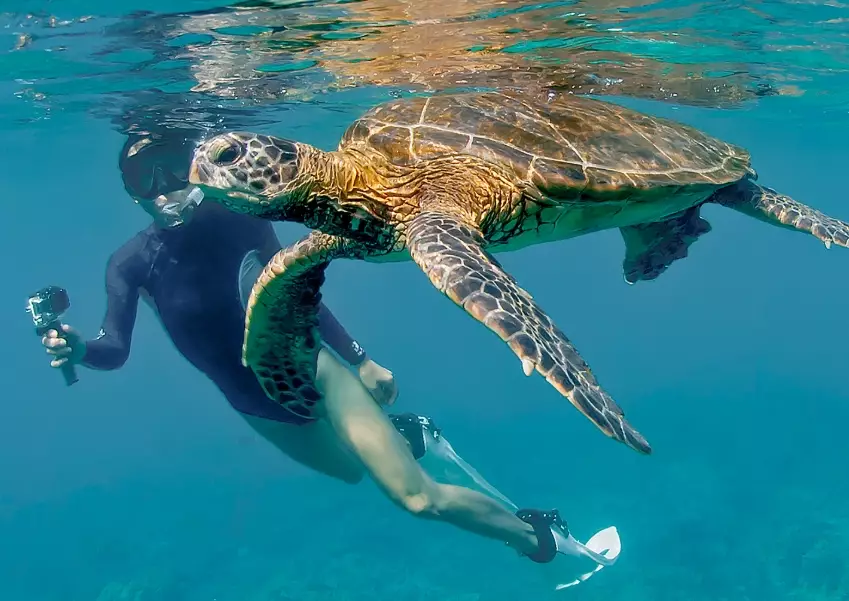
Beyond the Tour: Your Total Trip Budget
Focusing only on the tour cost is a rookie mistake. The real swim with sea turtles Europe cost is your entire trip expenditure. Let’s build a sample budget for a 5-day trip to Zakynthos for two people in mid-July.
Sample Mid-Range Budget for Two (Zakynthos, July)
- Flights (from a major EU hub): €250 - €400 per person. = €500 - €800 total.
- Accommodation (4 nights, mid-range hotel/Airbnb): €80 - €150 per night. = €320 - €600 total.
- Food & Drink (per day for two): €60 - €100. Over 5 days = €300 - €500.
- Turtle Swimming Tour (per person): €65. = €130 total.
- Local Transport (rental car/taxis): €150 - €250 for the stay.
- Incidentals (fees, souvenirs, extra snacks): €100.
Estimated Total Range: €1,500 - €2,380 for two.
So, per person, you’re looking at roughly €750 - €1,190 for a complete short trip. The actual activity is only about 5-10% of that total! This is why location choice is huge – flight costs to Cyprus vs. the Azores can double your budget before you even start.
How to Save Money Without Ruining the Experience
You don’t have to break the bank. Here are my tested tips for managing your sea turtle snorkeling Europe cost.
Book Directly (Sometimes). If you find a well-reviewed local operator online, email them directly. You might avoid the 15-30% commission taken by big booking platforms. But do your homework on them first.
Skip the "Guaranteed Sightings" Hype. Reputable operators won’t guarantee a turtle. Wildlife isn’t a theme park ride. Tours that promise it might cut corners or chase animals unethically. A good guide will know the likely spots and increase your chances, but nature has the final say.
Consider a Package… Carefully. Sometimes a week-long "Marine Life & Hiking" package in the Azores that includes a turtle tour can offer better overall value than booking everything separately. Crunch the numbers.
Stay Slightly Inland. A hotel a 15-minute drive from the main turtle beach can be half the price of one right on the sand. Rent a scooter or use local buses.
The Ethical Cost: Why the Cheapest Option Can Be the Most Expensive
This is the part that really matters. A super cheap tour might cram 30 people on a boat, use anchors that destroy seagrass (the turtles' food), and let people chase or touch the animals. The true cost of that "bargain" is paid by the turtles.
When researching your swim with sea turtles Europe cost, factor in the ethical price. Look for operators who:
- Clearly state a code of conduct (no touching, minimum distance, no flash photography).
- Use environmental moorings or drift/float instead of anchoring in sensitive areas.
- Employ trained naturalist guides, not just boat drivers.
- Limit group sizes.
- Are transparent about contributing to local conservation (e.g., a portion of fee goes to a turtle hospital).
Organizations like the International Union for Conservation of Nature (IUCN) have guidelines for marine wildlife tourism. A good operator will follow their spirit.
Paying €80 to a responsible company feels infinitely better than paying €40 to a cowboy operation. You’re voting with your wallet for the turtles’ future.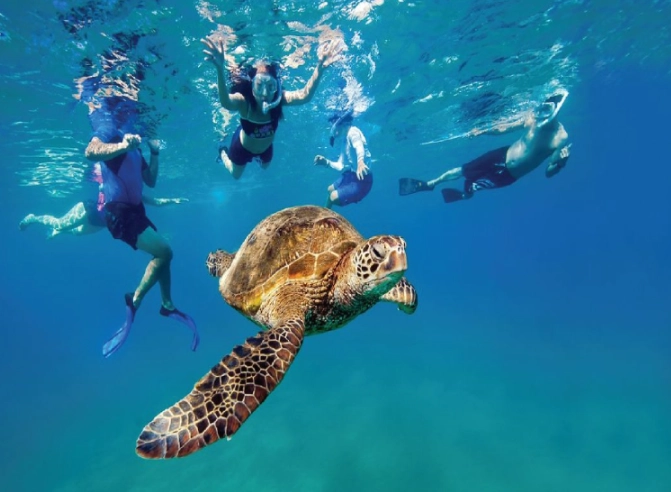
Your Questions, Answered (The Stuff You Actually Google)
It sounds like a lot, but planning this stuff is half the fun.
Wrapping It Up: Making Your Decision
So, what’s the final word on the cost to swim with sea turtles in Europe? It’s a spectrum. You can have a decent experience for around €50-€60 per person for the activity, or invest €100+ for a more exclusive, educational, and low-impact tour. Your total trip will cost anywhere from €700 to €1500+ per person depending on how you travel.
My advice? Start by picking your priority. Is it maximum chance of seeing a turtle (Zakynthos)? Is it combining it with conservation (Cyprus)? Or is it a wild, less-crowded Atlantic adventure (Azores)?
Then, budget for the whole trip, not just the tour. Save where you can on flights and hotels by traveling off-peak, but don’t scrimp on choosing an ethical operator. That extra €20 or €30 is the most important money you’ll spend.
Seeing a sea turtle underwater is pure magic. It’s quiet and humbling. With a bit of planning, you can make it happen without financial stress or ethical guilt. Do your research, ask the right questions, and get ready for one of the coolest experiences our European seas have to offer.
Now, go check those flight prices. September is calling.
Your comment