In This Guide
So you want to swim with sea turtles in the Caribbean. Let's be honest, it's a dream that sits on a lot of bucket lists. There's something almost magical about gliding through clear blue water and locking eyes with a creature that's been around since the dinosaurs. I remember my first time—it was off the coast of Barbados, and a huge hawksbill just materialized out of the blue. I froze, not out of fear, but pure wonder. It's an experience that sticks with you.
But here's the thing everyone asks: where can you swim with sea turtles in the Caribbean for the best, most reliable encounter? The answer isn't just one place. The Caribbean Sea is a vast playground for several species of turtles, like the green sea turtle, the hawksbill, and the loggerhead. They don't respect island borders, so your options are plentiful. However, some spots have earned a reputation for being consistently fantastic, while others offer a more wild, off-the-beaten-path vibe.
This isn't just a list of places. We're going to dig into the where, the when, and the crucial how—how to do it responsibly so these amazing animals stick around for generations to come. Because finding out where you can swim with sea turtles in the Caribbean is only half the battle. Doing it right is what makes the memory truly special.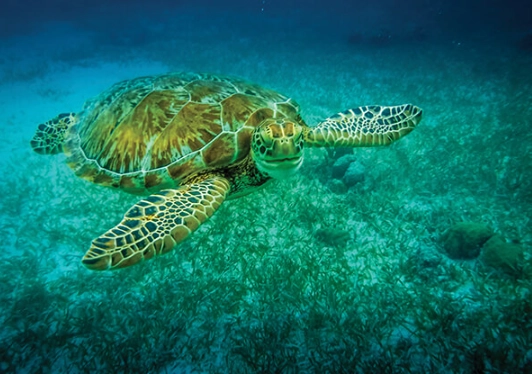
Quick Reality Check: Seeing a sea turtle is never 100% guaranteed. They're wild animals. Anyone who promises you a sighting is stretching the truth. But the locations below significantly stack the odds in your favor, often because of dedicated conservation efforts or unique geographical features that turtles love.
The Top Spots: Where Your Dreams Are Most Likely to Come True
Based on consistent traveler reports, guide recommendations, and my own messy, sunscreen-filled experiences, here are the top contenders. I've ranked them not just on likelihood of seeing turtles, but on the overall quality of the experience—accessibility, water conditions, and the general vibe.
The Unbeatable Top Tier
These places are famous for a reason. The turtle encounters here are so common they're almost routine (in the best way possible).
Barbados – The Turtle Coast. Specifically, the west coast around Holetown, Paynes Bay, and Mullins Bay. This is arguably the most accessible place on Earth to swim with wild sea turtles. Why? Local fishermen used to feed them fish scraps for generations. The turtles now associate boat engines with an easy meal. You can literally swim from the beach and see them, but the classic method is a boat tour or catamaran cruise that includes snorkeling. The turtles here are predominantly greens and hawksbills, and they are remarkably calm around people. It feels a bit like visiting old friends. Some might say it's too touristy, and they have a point—you'll share the water with others. But for a first-time, high-success-rate encounter, it's hard to beat Barbados when you're figuring out where to swim with sea turtles in the Caribbean.
The Cayman Islands – Stingray City and Beyond. Grand Cayman's North Sound is world-famous for Stingray City, but the turtle action is just as impressive. Boat operators often combine the two. The Cayman Turtle Centre, while controversial, has a conservation and release program. But for wild encounters, spots like Spotts Beach on the south coast or various dive sites around the island are phenomenal. The water is consistently crystal clear, and the turtles seem to be everywhere. It's a more structured, marine-park feel than Barbados, but the visuals are stunning.
The Consistent Performers
These islands offer fantastic odds, often with a slightly different backdrop or atmosphere.
Aruba. Don't let the arid landscape fool you. Aruba's southern coast, particularly around Mangel Halto and Boca Catalina, is a turtle hotspot. The seabed is covered in seagrass—the favorite salad bar for green sea turtles. I've had days here where I've seen half a dozen turtles calmly munching away, completely uninterested in the snorkelers floating above. It's less of a "fed" population and more of a natural foraging ground, which feels a bit more authentic to some.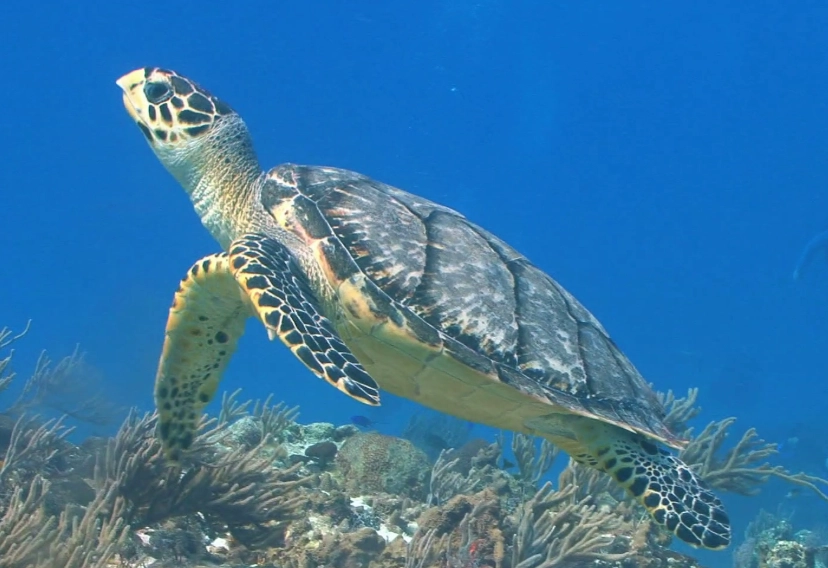
Turks and Caicos. Grace Bay in Providenciales is postcard-perfect, and the turtles know it. The extensive barrier reef and seagrass beds provide ideal habitat. While you can sometimes spot them from the beach, the best method is a guided kayak or snorkel tour to the reef. The water visibility is often over 100 feet, making every encounter a cinematic experience. It's a more upscale, serene turtle-swimming destination.
Puerto Rico. The crown jewel is Culebra Island, especially at Luis Peña Channel Natural Reserve. You need to take a ferry or small plane from the main island, but the effort is rewarded with some of the healthiest coral and most abundant marine life in the Caribbean, including frequent turtle sightings. On the main island, Escambrón Marine Park in San Juan is a surprising urban oasis where turtles are regularly seen. It's a great option if you're short on time.
The Adventurous Picks
For those who want to feel like a true explorer.
Dominica. The Nature Island. This is not a beach-and-snorkel-from-the-sand kind of place. Dominica's turtle encounters are primarily through scuba diving along its dramatic, volcanic walls and reefs. It's common to see huge hawksbills and greens on dives at sites like Champagne Reef or Scott's Head Pinnacle. The island is also a major nesting site, so the population is robust. This is for the diver or the serious snorkeler willing to take a boat to offshore sites.
Grenada. Underwater sculptures, vibrant reefs, and turtles. The Molinere Beauséjour Marine Protected Area is where you'll find the famous underwater sculpture park, which has become an artificial reef attracting loads of marine life, including turtles. Flamingo Bay is another great spot. The turtle population here feels less habituated to humans than in Barbados, offering a more "wild" interaction.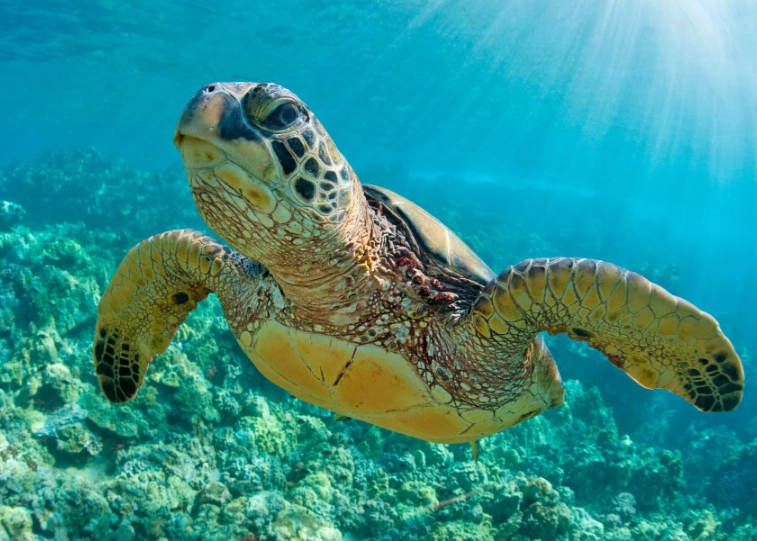
Caribbean Turtle Hotspots at a Glance
| Island/Location | Best For | Typical Species | Vibe & Notes |
|---|---|---|---|
| Barbados (West Coast) | First-timers, high success rate, beach access | Green, Hawksbill | Friendly, habituated turtles. Can be crowded. |
| Grand Cayman (North Sound) | Crystal clear water, combo tours (stingrays) | Green, Loggerhead | Well-organized tours, pristine conditions. |
| Aruba (South Coast) | Natural foraging grounds, easy shore snorkeling | Green | Authentic, less "showy," great for independent snorkelers. |
| Turks & Caicos (Grace Bay Reef) | Luxury vibe, incredible visibility | Green, Hawksbill | Requires a boat/kayak tour. Peaceful and stunning. |
| Puerto Rico (Culebra) | Pristine ecosystems, adventurous day trip | Green, Hawksbill | Protected reserve, feels untouched. |
| Dominica (Dive Sites) | Scuba divers, dramatic underwater landscapes | Hawksbill, Green | Not a casual snorkel spot. For serious underwater enthusiasts. |
| Grenada (Sculpture Park) | Unique artificial reef, good mix of life | Green, Hawksbill | Art meets nature. Interesting and reliable. |
Beyond the "Where": The Practical Guide to Making It Happen
Knowing where to go is step one. Here’s everything else you need to know to plan a successful trip.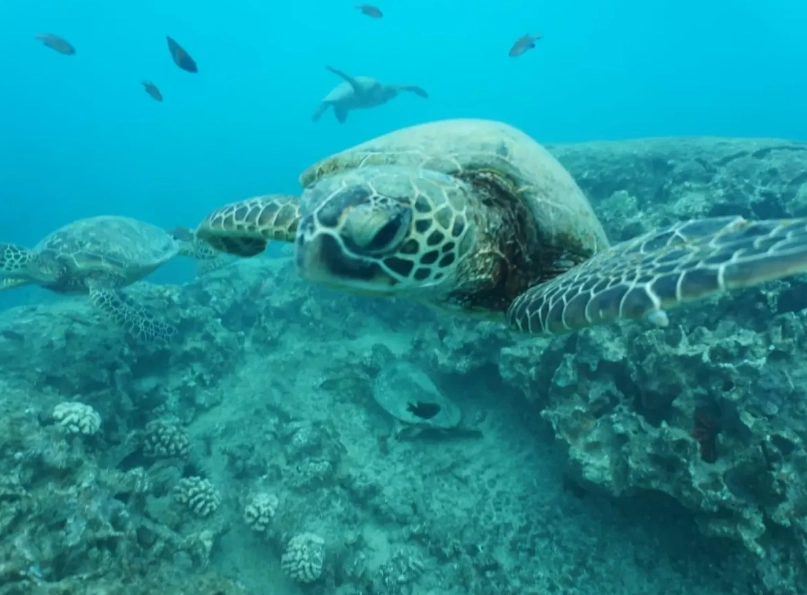
When is the Best Time to Go?
Turtles live in the Caribbean year-round, so technically, any time. But your experience changes with the seasons.
- For Calm Water & Reliability: Aim for the dry season, roughly December to April. The seas are flat, the sun is shining, and visibility is at its peak. This is also peak tourist season, so expect higher prices and more company in the water.
- For Fewer Crowds & Nesting Action: The summer and fall months (May to November) bring warmer water and the chance to witness nesting females on beaches at night (through a sanctioned tour, NEVER on your own). Be mindful that this is also hurricane season, so travel insurance is a must. Rain can affect water clarity, but turtles are still very much present.
I went in late May once, and while a brief afternoon storm stirred up the sand, the morning snorkel was incredible—and we had the site almost to ourselves.
Boat Tour vs. DIY Beach Snorkel: Which is Better?
This is a huge point of debate.
Boat Tours (especially in places like Barbados and Cayman) take you to specific, known hangouts. The guides often have permits to interact with (i.e., feed a bit) the turtles, which brings them close. It's a curated experience with a high success rate. The downside? You're on a schedule with a group.
DIY Snorkeling (great in Aruba, parts of Puerto Rico) is more of a treasure hunt. You rent gear, walk into the water from a recommended beach, and explore. The thrill of finding a turtle on your own is unmatched. But you need to be a confident swimmer/snorkeler, know how to read current conditions, and be prepared for the possibility of seeing nothing. Research specific beach entry points online—forums and recent blog reviews are gold for this.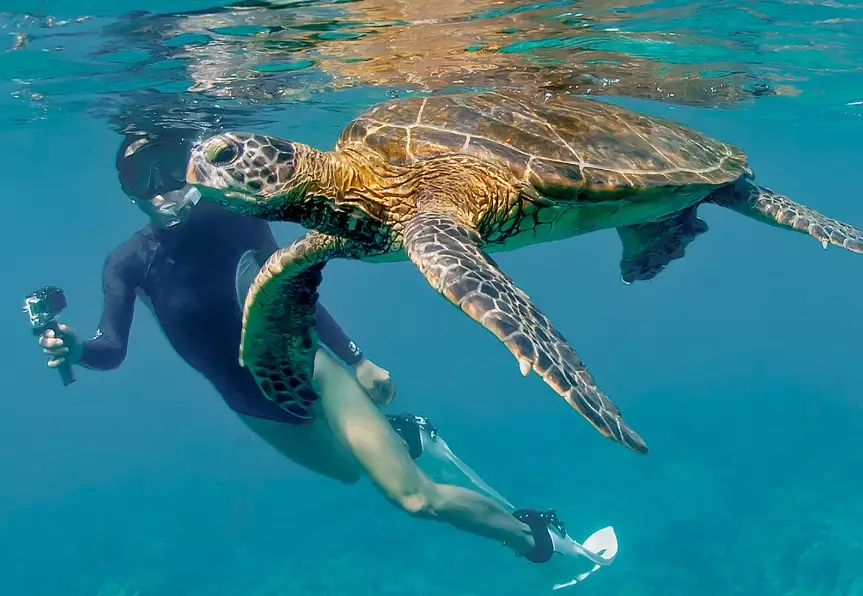
A Critical Word on Feeding: The practice of tour guides feeding turtles to attract them is widespread in places like Barbados. While it creates amazing close encounters, it's ecologically messy. It changes the turtles' natural behavior and can make them reliant on humans or vulnerable to boats. The most responsible operators use approved, limited amounts of appropriate food (like squid). If you see a guide using bread or something similar, that's a major red flag. I struggle with this aspect—the joy of the encounter versus the potential harm. Opting for tours that emphasize observation over interaction is a more ethical choice, even if the photos are less close-up.
How to Be a Good Guest in Their Home
This isn't optional. The difference between a magical moment and stressing an animal comes down to your behavior.
- Look, Don't Touch. Seriously. Don't try to ride them, grab their shell, or poke them. Their shells have a sensitive layer of living tissue, and touching can remove their protective biofilm, making them susceptible to infection. It's also illegal in most places.
- Keep Your Distance. Let the turtle control the encounter. If it swims away, let it go. Don't chase it. A good rule is to stay at least 10 feet away.
- Don't Block Their Path to the Surface. Turtles need to breathe air. If you're hovering directly above one, you're stressing it out. Observe from the side or below.
- Use Reef-Safe Sunscreen. Chemicals like oxybenzone and octinoxate bleach coral and harm marine life. Many Caribbean islands (like Aruba and Bonaire) have banned them. Use mineral-based sunscreens with zinc oxide or titanium dioxide. Your skin and the turtles will thank you.
- Fin Etiquette. Be aware of your fins! Kicking up sand smothers seagrass and coral, and a stray kick can injure a turtle or another snorkeler. Practice a slow, steady flutter kick.
I once saw a guy try to grab a turtle's flipper for a photo. The turtle bolted, and the entire group missed out on what could have been a prolonged, peaceful observation. Don't be that guy.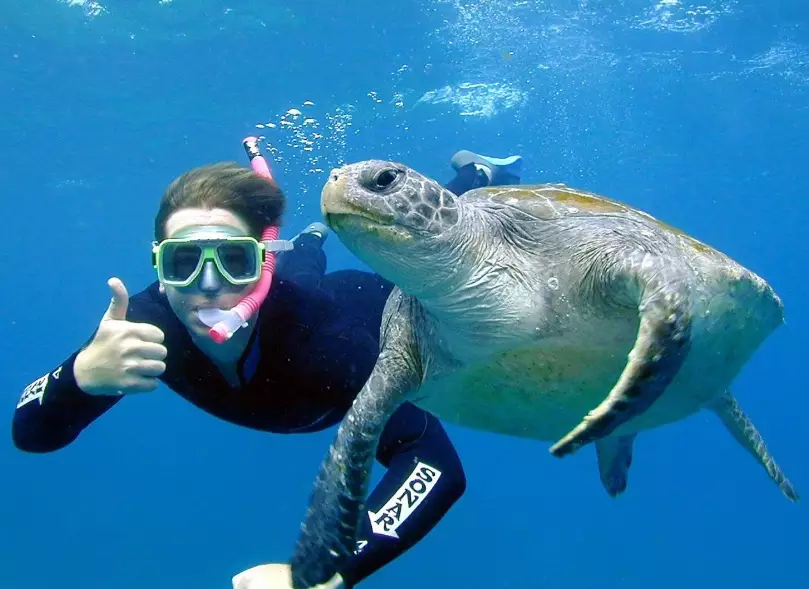
Answering Your Burning Questions (FAQ)
Is it safe to swim with sea turtles?
Absolutely. Sea turtles are not aggressive. They have no teeth designed for biting (though a hawksbill's beak is sharp for eating sponges, so still, keep your distance). The main risks are related to your own swimming ability, currents, and boat traffic. Always snorkel with a buddy, heed local warnings about conditions, and when on a boat tour, listen to the safety briefing.
What should I wear/bring?
A well-fitting mask and snorkel are key. Leaky gear ruins the experience. Consider a rash guard or wetsuit top for sun protection—it means less sunscreen needed. Water shoes are helpful for rocky entries. A waterproof camera or GoPro, but remember to experience the moment with your eyes, not just through a lens. And a reusable water bottle.
Are there specific laws I should know about?
Yes. All species of Caribbean sea turtles are protected under various international agreements and national laws. The U.S. National Oceanic and Atmospheric Administration (NOAA) has extensive resources on the Endangered Species Act protections for turtles. In the islands, harassment or touching turtles is generally prohibited. Fines can be steep. When in doubt, follow the lead of a licensed, reputable guide.
What's the difference between seeing turtles scuba diving vs. snorkeling?
Snorkeling is surface-based. You'll see turtles coming up for air, cruising over seagrass beds, or resting on the reef top. It's perfect for most encounters. Scuba diving lets you descend to their level on deeper reefs and walls. You might see larger turtles or different behaviors, like sleeping under ledges. You'll also see more of the overall ecosystem. Both are fantastic; snorkeling is far more accessible to most people.
How do I choose a responsible tour operator?
Do your homework. Look for operators that:
- Explicitly mention conservation or education in their marketing.
- Are affiliated with or contribute to local marine parks or NGOs, like the Sea Turtle Conservancy or the Wider Caribbean Sea Turtle Conservation Network (WIDECAST).
- Keep group sizes small.
- Give clear, strict briefings on how to behave around wildlife.
- Have positive, recent reviews that mention the crew's knowledge and respect for the environment.
Don't just pick the cheapest option. A few extra dollars often goes towards a better, more sustainable experience.
Wrapping It Up: Making Your Decision
So, where can you swim with sea turtles in the Caribbean? You've got a solid list now. The best choice for you depends on what else you want from your trip.
If you want a near-guaranteed, easy, and joyful first encounter, Barbados is your island. Book a reputable catamaran tour and enjoy.
If you prioritize crystal-clear water and a luxurious, organized feel, look at Grand Cayman or Turks and Caicos.
If you're an independent traveler who likes to explore at your own pace and hunt for turtles naturally, Aruba's southern coast or Puerto Rico's Escambrón park are fantastic.
And if you're a diver or want a truly wild, eco-adventure, Dominica is calling your name.
No matter which spot you pick to answer your question of where to swim with sea turtles in the Caribbean, go with patience, go with respect, and go with a sense of wonder. Turn the encounter into a memory, not just a photo. Watch how they move, how they breathe, how they glance at you with those ancient eyes.
That's the magic. And it's waiting for you in the warm, blue waters of the Caribbean.
One last thing—after your swim, consider donating to or learning about one of the many organizations working to protect these creatures. Their survival is what makes all of this possible. The Caribbean Sea Turtle Conservation Network is a great place to start. It connects the dots between all the local efforts across the region.
Happy swimming.
Your comment