Quick Guide
- The Stars of the Show: Which Turtles Call Europe Home?
- Top Destinations: Where to See Sea Turtles in Europe
- How to Be a Guest, Not a Pest: The Responsible Observer's Guide
- Beyond the Beach: Other Ways to Engage
- Your Questions, Answered (The Real Stuff People Worry About)
- Wrapping It Up: Making Your Dream Encounter a Reality
Let's be honest, when you think of sea turtles, your mind probably jumps to tropical paradises like the Caribbean or the Great Barrier Reef. Europe doesn't always get the credit it deserves. But guess what? The Mediterranean Sea is a crucial home for these ancient mariners. If you're planning a trip and wondering where to see sea turtles in Europe, you're in for a treat. The options are more diverse and accessible than you might think.
I remember my first time seeing a turtle in the wild. It was off a rocky coast, not some postcard-perfect white sand beach, and the sheer surprise of it made the moment magical. That's the thing about wildlife – it doesn't always follow the brochure. This guide is born from that experience and a lot of subsequent research and conversations with conservationists. We're going to cut through the generic lists and talk about the real deal: where you have a genuine chance of an encounter, how to do it without harming them, and what you need to know before you go.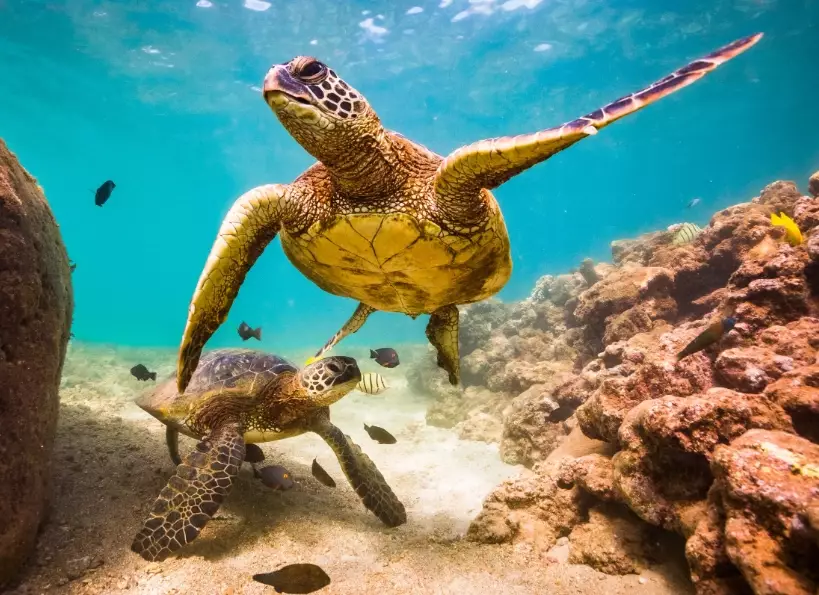
The Stars of the Show: Which Turtles Call Europe Home?
Before we dive into locations, let's meet the locals. You're primarily looking for two species in European waters, and knowing the difference makes the search more meaningful.
The Loggerhead Turtle (Caretta caretta) is the most common. They're the ones with the big, blocky heads and powerful jaws, perfect for crunching crabs and shellfish. Most of the major nesting beaches in Europe are loggerhead territory. Then there's the Green Turtle (Chelonia mydas). They're rarer in the Med, mostly hanging out in the eastern basin. They're herbivores as adults, munching on seagrass, and have a more elegant, rounded head. Spotting a green turtle feels like winning the wildlife lottery here.
A marine biologist once told me you can sometimes ID a loggerhead from a boat by its grumpy-looking profile. It's unscientific, but it stuck with me. They do look determined.
These turtles don't respect national borders. They travel thousands of miles. A turtle nesting in Greece might forage off the coast of Libya or Tunisia. That's why protecting them is a truly international effort. Organizations like the IUCN Marine Turtle Specialist Group coordinate this work globally, and their research underpins a lot of the conservation work at the sites we'll discuss.
Top Destinations: Where to See Sea Turtles in Europe
Okay, down to business. Where should you actually go? I've ranked these not just by popularity, but by the consistency of sightings, the quality of the conservation infrastructure (which often means better, ethical viewing opportunities), and the overall experience. Some are for nesting spectacle, others for in-water encounters.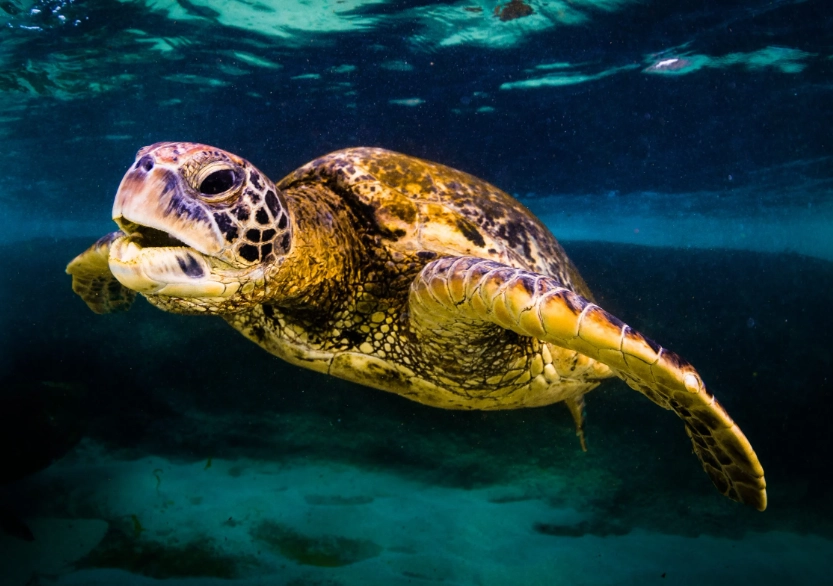
| Country | Top Location(s) | Best Time to Visit | What You'll See | Key Species |
|---|---|---|---|---|
| Greece | Zakynthos (Laganas Bay), Peloponnese (Kyparissia Bay), Crete | June to August (nesting), August-October (hatching) | Mass nesting beaches, organized night tours, volunteer programs. | Loggerhead |
| Turkey | Iztuzu Beach (Dalyan), Belek, Patara, Göksu Delta | May to September | Pristine, protected beaches with strict visitor management. Excellent for both nesting observation and potential in-water sightings. | Loggerhead |
| Italy | Lampedusa Island, Pozzolana di Ponente Beach | June to August | A small but significant nesting site. Great for snorkeling/diving encounters in surrounding waters. | Loggerhead |
| Cyprus | Lara Beach (Akamas Peninsula), Alagadi Beach | June to August (nesting), August-October (hatching) | Intensively monitored beaches with research stations. Public can often join night watches with guides. | Loggerhead, Green Turtle |
| Spain | Canary Islands (Tenerife, Gran Canaria), Balearic Islands (occasional) | Year-round (esp. summer) for in-water; limited nesting. | Primarily for snorkeling and diving with foraging turtles. Less about beaches, more about open water encounters. | Loggerhead |
Greece: The Loggerhead Heartland
Greece is arguably the heavyweight champion for where to see sea turtles in Europe, specifically for nesting. The island of Zakynthos is famous, maybe even too famous. Laganas Bay hosts one of the densest nesting populations in the Mediterranean. The upside? It's highly organized. The National Marine Park of Zakynthos manages access, and you can join authorized night tours to see females lumbering ashore. The downside? It can feel crowded. For a slightly less hectic experience, the long, wild stretches of Kyparissia Bay in the Peloponnese are breathtaking. It's a massive, protected area where nature feels more in charge.
My personal take? Zakynthos is incredible for a guaranteed educational experience, but if you want a sense of raw wonder, the mainland beaches are hard to beat. Always, always book a tour through an official park operator or a reputable eco-tour company. Rogue operators on the beach can cause real harm.
Turkey: A Model for Conservation
Turkey's approach is impressive. Places like Iztuzu Beach near Dalyan are run with military precision for turtle safety – and it works. The beach is closed from dusk till dawn during nesting season, and daytime access is controlled. You can visit during the day, swim in the stunning estuary, and learn at the conservation center. To see nesting, you must join a guided night tour. It's structured, but that structure is why the turtles are thriving there. The Dalyan Turtle Research and Rescue Center is a fantastic resource. Belek and Patara are similar – long, gorgeous beaches where human activity takes a back seat to turtle needs from May to October.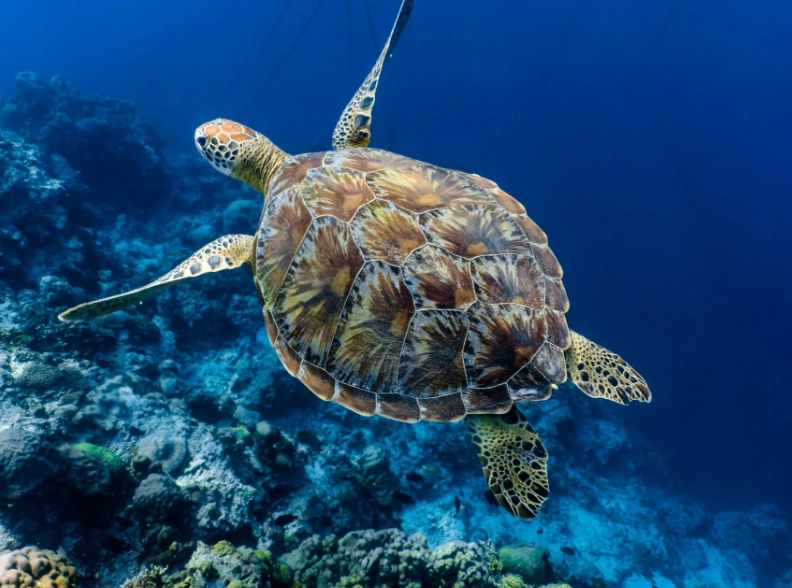
Italy, Cyprus, and Spain: The Specialists
Lampedusa, Italy's southernmost island, is a tiny speck with a big responsibility. Its Pozzolana beach is a vital nesting site. The island's isolation means encounters feel special. The water around Lampedusa is also phenomenally clear, making it a top spot for snorkelers hoping to see turtles swimming freely. The local Lampedusa Turtle Rescue Center does crucial rehabilitation work – worth a visit to understand the threats they face (like plastic ingestion and fishing gear entanglement).
Cyprus, particularly the Akamas Peninsula, is wild and rugged. Lara Beach is a protected cove where you're as likely to see goats as tourists. The University of Exeter runs a long-term project here, and volunteers are often on site. It's a more "scientific" vibe. On the east coast, Alagadi Beach is another key site managed by environmental groups.
Now, Spain is a different beast for where to see sea turtles in Europe. You're not going for nesting beaches (though very rare nesting occurs). You're going to the Canary Islands to get in the water. The Atlantic waters around Tenerife and Gran Canaria are feeding grounds for juvenile and adult loggerheads. Booking a responsible snorkeling or diving trip with a marine biologist guide gives you a good chance of an encounter. It's less predictable than a nesting beach tour, but swimming alongside a turtle is an utterly different, awe-inspiring experience.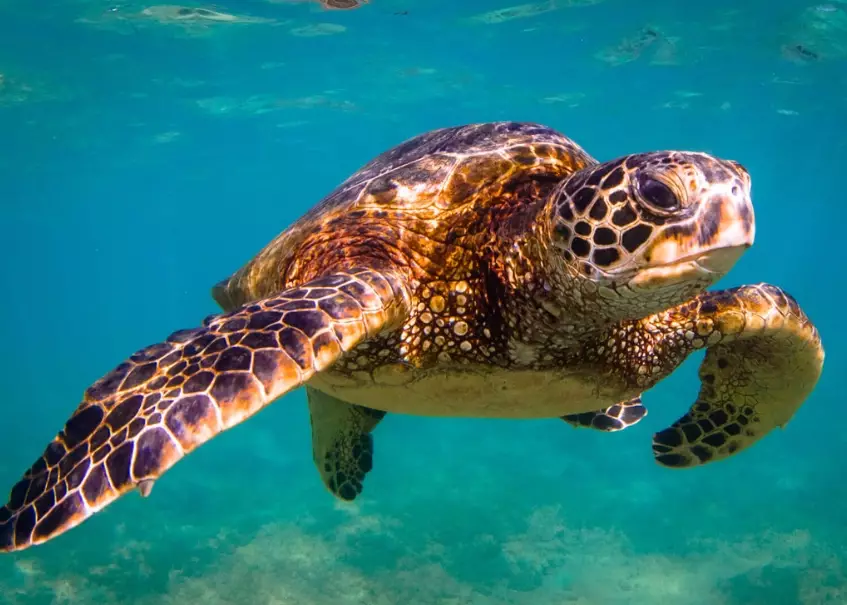
So, beach or boat? That's your first big choice.
How to Be a Guest, Not a Pest: The Responsible Observer's Guide
This is the most important section. Getting it wrong can mean the difference between a cool photo and a dead turtle or abandoned nest. I'm not being dramatic.
- On Nesting Beaches: Use only red-light torches (white light disorients turtles). No flash photography. Stay behind the guide, stay quiet, and keep a respectful distance (usually 5+ meters). If you're on a beach without a guide at night during nesting season – you shouldn't be. Leave immediately.
- In the Water: Do NOT chase, touch, or surround a turtle. Let it control the encounter. If it swims away, let it go. Snorkel calmly. Never try to ride one. Seriously, don't be that person.
- General Rules: Leave no trace. Plastic bags in the water look like jellyfish to turtles and kill them. Fill in holes on the beach (they can trap hatchlings). Remove your beach furniture every night.
I once saw a tourist on a Mediterranean beach (I won't say where) trying to take a selfie by sitting on a nesting turtle. The guide's reaction was swift and furious, and rightly so. That turtle likely aborted her nesting attempt. It's heartbreaking and completely avoidable.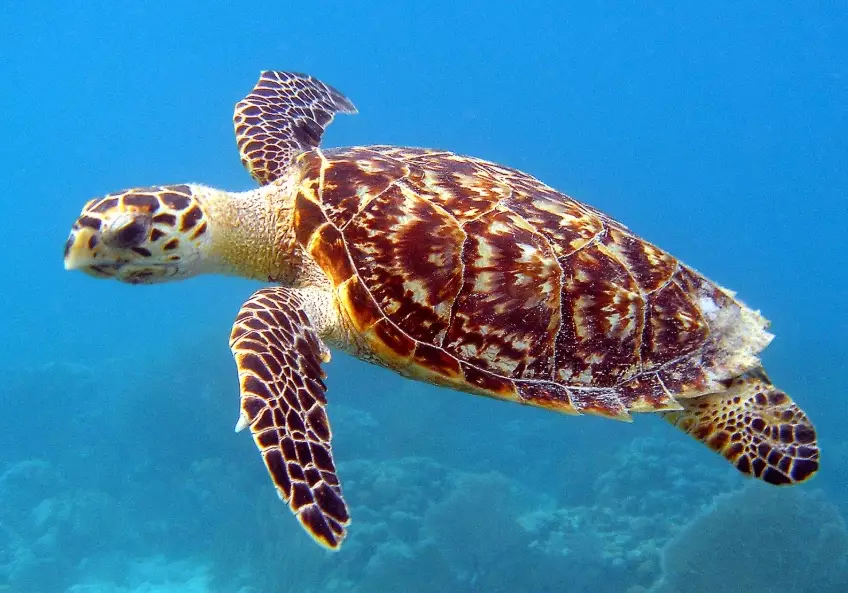
Beyond the Beach: Other Ways to Engage
Maybe you're not planning a trip right now, or you want to do more. Figuring out where to see sea turtles in Europe can also lead you to support them from home.
Consider volunteering. Many of the research stations in Greece, Cyprus, and Turkey accept volunteers for nest monitoring, beach patrols, and hatchery work. It's hard work (think long, hot nights), but unbelievably rewarding. You can also "adopt a nest" or a turtle through charities like the MEDASSET (Mediterranean Association to Save the Sea Turtles) or the Sea Turtle Protection Society of Greece (ARCHELON). Your adoption helps fund protection.
When you do travel, choose eco-certified hotels and tour operators. Ask questions: Do they support local conservation? Do they follow the light and noise pollution rules? Your money talks.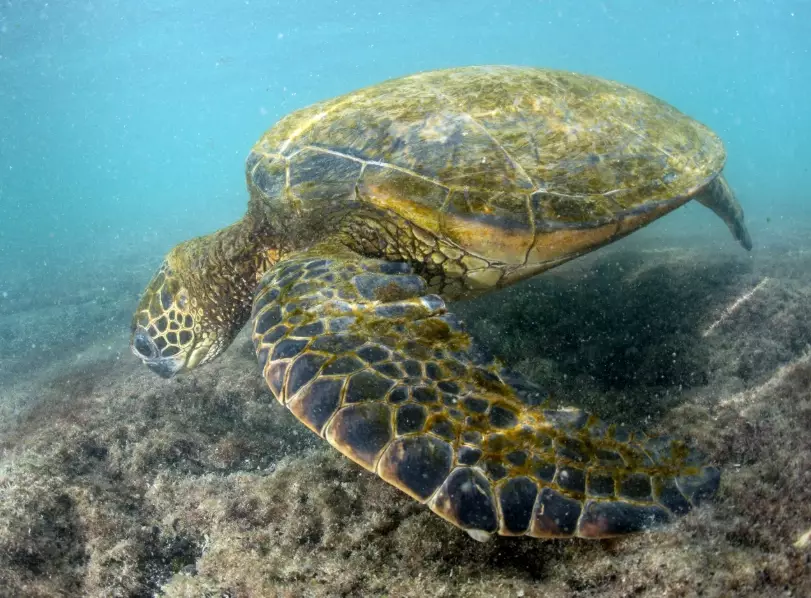
Your Questions, Answered (The Real Stuff People Worry About)
What is the absolute best month to see sea turtles in Europe?
For nesting, July. It's the peak. For hatchlings, late August through September. For in-water encounters in places like the Canaries, August and September offer the warmest, calmest water and highest chance of sightings.
Can I see them without joining a paid tour?
On major nesting beaches, no – and you shouldn't try. Access is legally restricted at night. For in-water sightings, it's theoretically possible if you're snorkeling in a known area, but a good guide knows the spots and the behavior, dramatically increasing your chances and ensuring you don't cause harm. I think it's worth the investment.
Is it safe to swim near them?
For you, completely. They are gentle and not aggressive. For them, it's only safe if you follow the rules above. Your sunscreen can also harm them – use reef-safe, mineral-based sunscreen.
What should I do if I find an injured turtle or a nest in danger?
Do not handle it yourself. Note the exact location. Call the local authorities or a marine rescue center immediately. Most regions have a hotline. Your hotel or a dive shop should have the number. The EuroTurtles consortium website is a good starting point for contacts across several Mediterranean countries.
Are these populations recovering or in decline?
It's a mixed picture. In well-protected, managed areas like Iztuzu or Zakynthos, nesting numbers are stable or even slowly increasing thanks to decades of hard work. That's the good news. But overall, they still face massive threats: climate change (affecting sand temperature and hatchling sex ratios), bycatch in fisheries, plastic pollution, and habitat loss. Your responsible visit directly funds the conservation that helps them recover.
Wrapping It Up: Making Your Dream Encounter a Reality
So, where to see sea turtles in Europe? You've got your map now. From the organized nesting spectacles of Greece and Turkey to the aquatic adventures in Spain's Canary Islands and Italy's Lampedusa, the choice is yours.
Plan around the season. Book with ethical, science-backed operators. Pack your patience and your respect. And manage your expectations – it's wildlife, not a zoo. You might have a quiet night on the beach, or you might witness a 100-kilogram creature heave herself out of the sea to continue a ritual 100 million years old.
That first turtle I saw? I didn't have a great camera, and the photo is blurry. But the memory is crystal clear. That's what you're going for. A story, not just a snapshot. Go out there, be curious, be careful, and you'll help ensure that travelers for generations to come can also wonder where to see sea turtles in Europe and find a thriving answer.
Got more questions? Drop a comment below – I'm happy to share more from my own bumps and lessons learned along the way.
Your comment