Quick Navigation
Let's be real. For a lot of folks planning a trip to Hawaii, checking "swim with a sea turtle" off the bucket list is right up there with seeing a volcano and drinking a mai tai. It's a huge draw. And why wouldn't it be? The idea is magical. Gliding through clear, blue water and locking eyes with a creature that's been around since the dinosaurs? That's the stuff of core memories.
But here's the thing they don't always tell you in the glossy brochures: not every beach in Hawaii is a guaranteed turtle hangout. You can't just plop into the ocean anywhere and expect a honu (that's the Hawaiian word for green sea turtle, by the way) to pop up and say aloha. It just doesn't work like that.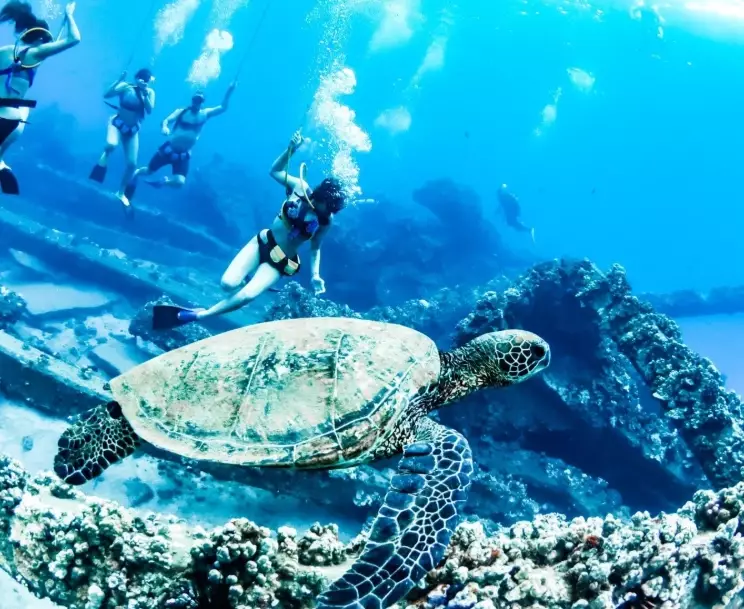
I learned this the hard way.
My first trip to Oahu, I spent a whole morning snorkeling at a popular, crowded beach because someone at my hotel said "sometimes you see them here." I saw a lot of fish. And a lot of other hopeful snorkelers. But zero turtles. I was bummed. It felt like I'd missed out on something essential.
So I started asking around. I talked to locals, chatted up dive shop owners, and basically became a bit of a turtle-spotting detective on my subsequent trips. What I found is that while luck always plays a part in wildlife encounters, geography and turtle behavior play a much bigger one. There are specific places, on specific islands, where your odds go from a maybe to a pretty-solid-probably.
This guide is the result of that obsession. We're going to cut through the noise and get straight to the good stuff. We'll break down the islands, pinpoint the actual beaches and coves that are known as turtle hotspots, and give you the real-talk on how to have an amazing experience that's also safe for you and, more importantly, for the turtles.
Because that's the ultimate goal, right? Finding that best place to swim with sea turtles in Hawaii for *you*, based on which island you're visiting, your comfort level in the water, and the kind of vibe you're looking for.
Quick Reality Check: Sea turtles are wild, protected animals. Every encounter is a privilege, not a right. There are federal and state laws (like the Endangered Species Act and Hawaii's own regulations) that make it illegal to harass, touch, ride, or feed them. Getting too close can stress them out, disrupt their natural behavior, and even get you a hefty fine. The magic happens when you observe quietly and let them come to you (or go about their business while you watch from a respectful distance). We'll get into the specifics of "turtle etiquette" later, but keep this in mind as the golden rule.
Which Hawaiian Island is Best for Swimming with Turtles?
This is the million-dollar question, and the answer isn't one-size-fits-all. All the main Hawaiian Islands have turtle populations, but their habits and the accessibility of their hangouts differ. Your choice might depend on whether you're a hardcore snorkeler, traveling with kids, or looking for a more secluded adventure.
Let me put it this way: if turtles had favorite neighborhoods, they'd be different on each island.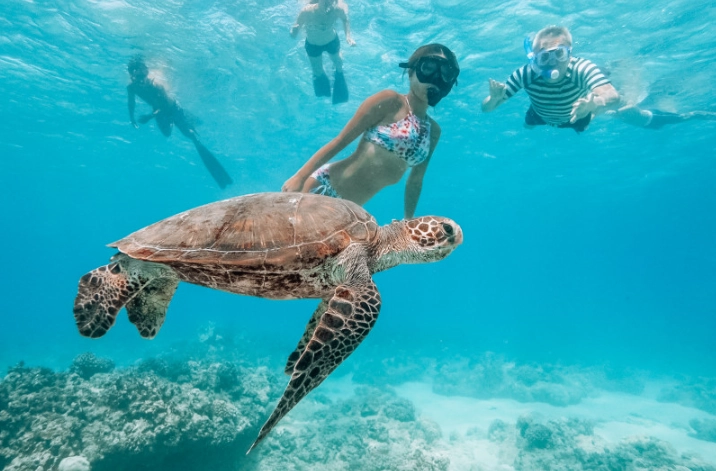
Oahu: The Convenient Choice (But Often Crowded)
Oahu, home to Honolulu and Waikiki, is where most visitors land. It's also home to what is arguably the most famous—and infamous—best place to swim with sea turtles in Hawaii: Laniakea Beach on the North Shore.
Nicknamed "Turtle Beach," Laniakea is unique. Turtles, often multiple at a time, haul out onto the sand here to bask in the sun. You don't even need to get wet to see them. Sounds perfect, right?
Well, here's my personal, slightly negative take: it can feel like a zoo. There are often crowds of people lined up behind ropes (volunteers put them up to protect the turtles), cameras clicking, and a general circus atmosphere. It's a guaranteed sighting, for sure, but it lacks the magic of a quiet, one-on-one encounter in the water. For swimming, the North Shore spots like nearby Shark's Cove (don't let the name scare you; it's a fantastic snorkeling spot in the summer) or Three Tables can be better bets, though conditions need to be calm.
On the west side, Electric Beach (Kahe Point) is a local favorite. The warm water outflow from the power plant attracts incredible marine life, including turtles. It's a more advanced spot with stronger currents, so it's not for beginners.
Maui: The All-Rounder with Iconic Spots
Maui is a strong contender for the top spot, and for good reason. It has a mix of easily accessible, beginner-friendly locations and more adventurous sites.
The crown jewel is Honolua Bay, part of the Mokuleʻia Bay Marine Life Conservation District. When the ocean is flat (usually in summer), this is a snorkeling paradise. The water is clear, the coral is healthy, and turtles are frequent visitors along the rocky edges on the left side of the bay. It's not a sandy beach entry—you enter from rocks—so water shoes are a must.
Then there's Maluaka Beach (often called "Turtle Town") near Makena. This isn't one specific spot but a stretch of coastline known for turtle activity. Snorkel tours love to come here, so you might share the water with boats. For a DIY approach, entering from the beach and swimming out towards the rocky/reefy areas can be productive.
My personal favorite on Maui, though, is a bit of a trek: the Olowalu Turtle Reef. It's just south of Lahaina. You park by the side of the highway and swim out from the beach over a vast, shallow reef. On a good day, you can see a dozen turtles grazing on the algae-covered rocks. It feels less commercial than some other spots. Just be super careful of the coral—it's very shallow in parts.
Big Island (Hawaii): The Volcanic & Varied Playground
The Big Island offers a different flavor. The water can be a bit cooler and rougher in places, but the volcanic geography creates amazing underwater landscapes.
Place of Refuge (Puʻuhonua o Hōnaunau National Historical Park) is legendary. The snorkeling in the adjacent Honaunau Bay is simply world-class. You enter via a ladder or jump from a lava rock shelf into crystal-clear water that drops into a stunning coral garden. Turtles are almost always present, often sleeping under ledges or cruising along the drop-off. It's a sacred place, so respectful behavior is non-negotiable. Get there early, as the small parking lot fills up fast.
Up north near Waikoloa, beaches like ʻAnaehoʻomalu Bay (A-Bay) and Kahaluʻu Beach Park are reliable for turtle sightings, especially for beginners and families. Kahaluʻu is super protected, shallow, and has lifeguards, making it a great first-time snorkel spot where turtles are common.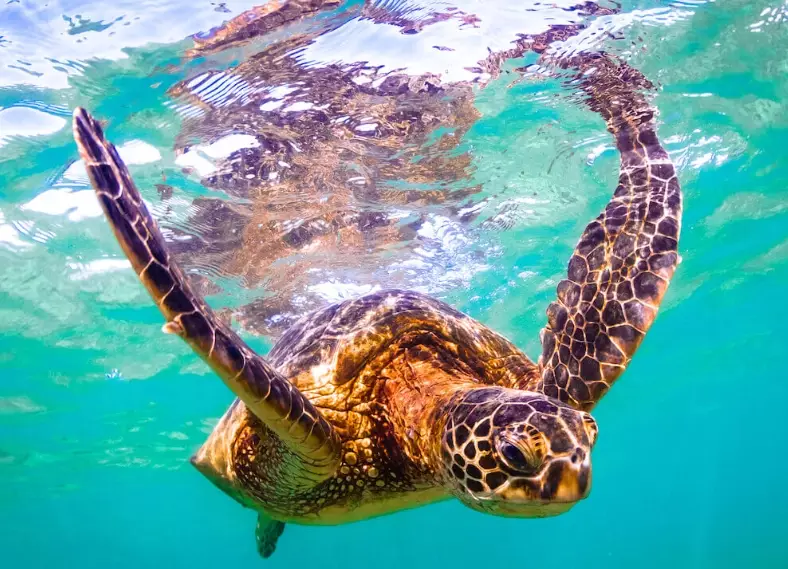
Kauai: The Lush & Laid-Back Option
Kauai, the Garden Isle, feels wilder. The best turtle encounters here often require a bit more effort—a hike, a kayak trip, or choosing the right season.
On the north shore, Tunnels Beach (Makua Beach) and Kee Beach (at the end of the road) have excellent snorkeling when the summer seas are calm. The reefs are expansive, and turtles are known to frequent the channels and coral heads. In winter, the north shore waves make snorkeling dangerous.
The south shore, around Poʻipū, is the year-round option. Lawaʻi Beach (next to the Beach House restaurant) is a tiny cove that's a known turtle cleaning station. It's small, so it can get crowded, but seeing turtles hover while fish clean them is a special sight. For an adventure, a kayak trip up the calm Huleʻia River to the coast can lead to less-visited areas where turtles feed.
So, which island is the best place to swim with sea turtles in Hawaii? If you want guaranteed sightings from shore, Oahu's North Shore. For a blend of easy access and great in-water chances, Maui. For incredible water clarity and a spiritual vibe, the Big Island's Place of Refuge. For a rugged, adventurous feel, Kauai.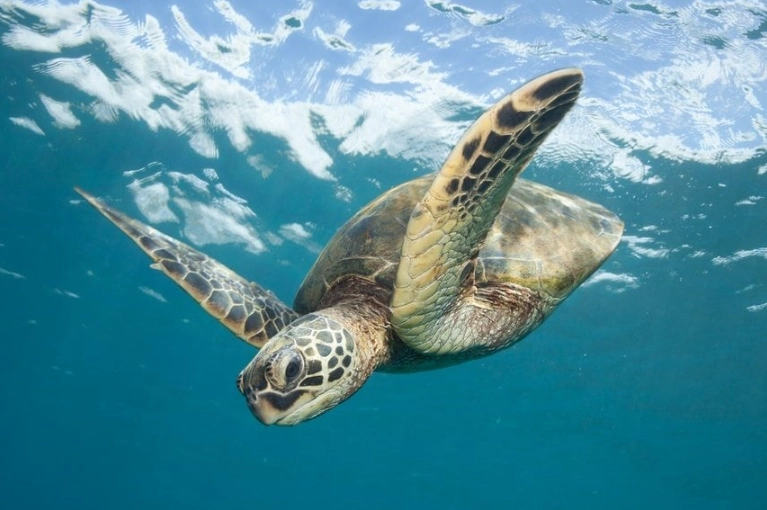
My own ranking? For a pure, magical in-water experience, I'd lean towards the Big Island's Honaunau Bay on a calm morning. There's something about the clarity of the water and the history of the place that makes it feel extra special. But I've had fantastic, unexpected encounters off quiet beaches on Maui and Kauai, too. Sometimes the best spot is the one you find when you're not looking too hard.
Top 5 Specific Beaches & Bays for Turtle Encounters
Alright, let's get hyper-specific. Based on consistency of sightings, accessibility, and overall experience, here are five spots that repeatedly come up in conversations as top-tier.
| Spot Name | Island | Best For | Key Notes & Tips |
|---|---|---|---|
| Honaunau Bay (Place of Refuge) | Big Island | Experienced snorkelers, clear water lovers, photographers. | Sacred site. Enter via ladder/jump. Amazing coral & fish life. Parking is VERY limited—arrive by 8 AM. Strong currents possible outside the bay. |
| Honolua Bay | Maui | Snorkelers of all levels (in calm conditions), eco-tourists. | Marine conservation district = no touching anything. Rock entry. Left side (facing ocean) is turtle alley. Summer months only; winter is for surf. |
| Laniakea Beach | Oahu | Guaranteed viewing (from land), families with small kids, those who can't snorkel. | This is for watching turtles on the sand, not swimming with them. Respect the volunteers and barriers. Parking is a nightmare on the highway. |
| Olowalu Turtle Reef | Maui | DIY snorkelers, shallow water explorers, avoiding big tours. | Enter from Olowalu Beach. Very shallow reef—be mindful of fins and coral. Often many turtles grazing. Can be windy in the afternoon. |
| Kahaluʻu Beach Park | Big Island | Beginners, families, first-time snorkelers, easy access. | Protected cove with lifeguards. Sandy entry. Turtles come close to shore. Can be crowded. Great place to learn and still have a good chance. |
See, it's not just about picking an island; it's about matching the specific beach to your skills. Taking a first-timer to Honaunau with its rock jump and potential current might be stressful. But Kahaluʻu? Perfect.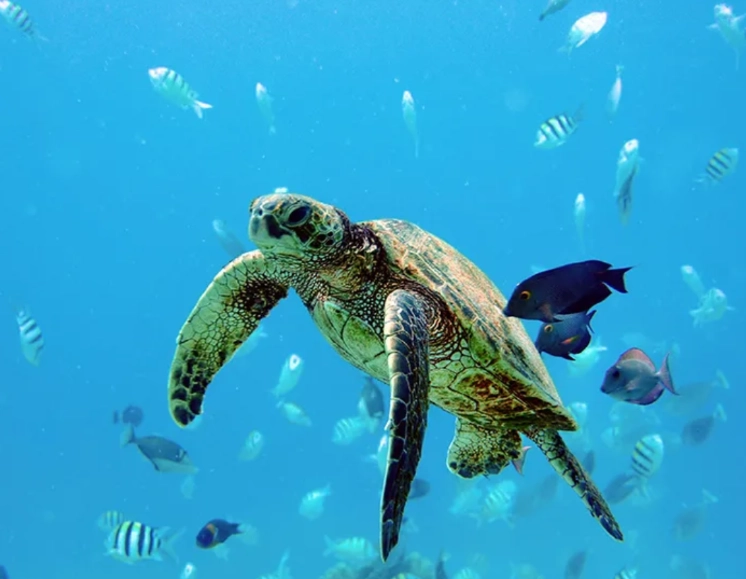
How to Have an Amazing (and Responsible) Experience
Finding the spot is half the battle. The other half is knowing what to do when you get there. This isn't a petting zoo. Here’s the unwritten rulebook, compiled from local guidelines and common sense.
Turtle Etiquette 101: The Non-Negotiables
- Give Space: Maintain a distance of at least 10 feet (3 meters) from all sea turtles. If you're kicking your fins and they're right there, you're too close. If they start swimming away from you, you've definitely stressed them out.
- Never Touch: This bears repeating. Don't touch, ride, poke, or attempt to feed a sea turtle. The oils and microbes on our skin can damage their shells and skin, and it's illegal.
- Don't Circle or Corner: Swim calmly and avoid surrounding a turtle. Always leave them a clear path to the surface to breathe.
- Look, Don't Chase: The best encounters happen when you float calmly and let the turtle approach you or go about its business. If you're chasing it for a photo, you're doing it wrong.
Beyond behavior, your gear matters. A good-fitting mask that doesn't fog or leak will make your search 100% more enjoyable. Spend time adjusting the strap. Snorkels with a splash guard or dry-top are nice for beginners. And fins—they're not just for speed. They give you propulsion with minimal leg movement, which helps you avoid accidentally kicking coral or stirring up sand.
Timing is everything. Early morning (7-10 AM) is almost always the best time to snorkel. The water is usually calmer, the wind hasn't picked up yet, and the sun is at a good angle for lighting up the reef without causing glare. It's also less crowded. Turtles are often more active in the mornings, grazing on algae.
Check ocean conditions before you go. Websites like the National Weather Service - Honolulu provide marine forecasts, and local dive shops have the best on-the-ground intel. If the waves are big or there's a high surf warning, choose a protected south shore beach instead of a north shore one.
Guided Tour vs. Going It Alone
This is a big decision. Is a tour worth it?
Going DIY: Pros? Freedom, flexibility, and cost-saving. You can go at your own pace, stay as long as you want, and avoid the group dynamic. Cons? You're responsible for your own safety, navigation, and finding the turtles. You need to research conditions, parking, and etiquette yourself.
Taking a Guided Snorkel Tour: Pros? Captains know the daily best spots based on weather and recent sightings. They provide gear, safety briefings, and often snacks. It's less stressful. Cons? It can be expensive. You're on their schedule, and you're with a group, which can detract from the serenity.
For first-timers or those visiting a tricky spot (like Molokini Crater off Maui), a reputable tour is a fantastic investment. Look for smaller, eco-focused operators who emphasize education and respectful practices. They'll often give a great briefing on turtle etiquette, which is valuable.
If you're confident in the water and have done your homework, the DIY route to a place like Kahaluʻu or Olowalu can be incredibly rewarding. It feels more like a personal discovery.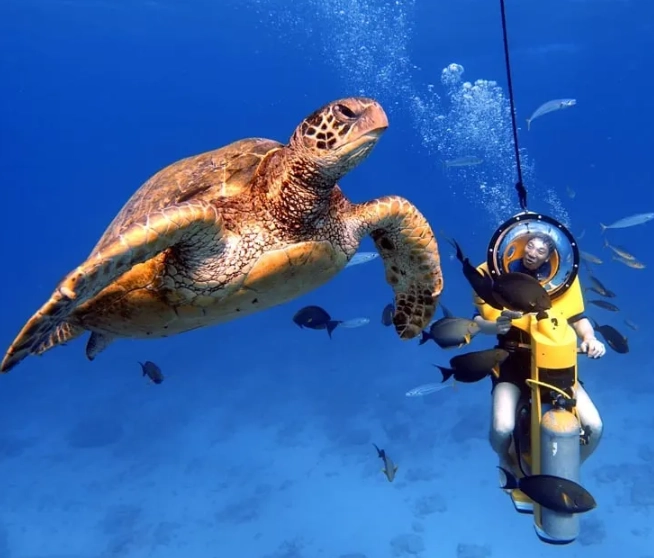
What to Bring & What to Wear
Forgetting something can ruin the day. Here's my tried-and-true packing list for a turtle snorkel mission:
- Rash Guard or UV Shirt: This is non-negotiable. It protects your back from sunburn without needing constant reapplication of sunscreen (which can harm coral). A lightweight, long-sleeve shirt is perfect.
- Reef-Safe Sunscreen: Look for mineral-based (zinc oxide, titanium dioxide) formulas that are labeled "Reef Safe" and are free of oxybenzone and octinoxate. Hawaii has banned these harmful chemicals. Apply it at least 15 minutes before getting in the water.
- Water Shoes or Tabis: For rocky entries (Honolua, Honaunau), these are essential. For sandy beaches, flip-flops are fine until you get to the water.
- Water, Snacks, & a Towel: Snorkeling is dehydrating. Bring more water than you think you need. A post-snorkel snack is a great reward.
- Waterproof Camera or Case: If you want photos. Remember, no flash photography on turtles.
- A Sense of Patience: Seriously. Wildlife doesn't perform on cue. Relax, float, and enjoy the whole underwater world. The turtle will come when it comes.
Answering Your Big Questions (FAQ)
Is it safe to swim with sea turtles?
Generally, yes. Green sea turtles are not aggressive. They are gentle giants focused on eating, resting, and swimming. The main risks are not from the turtles but from the ocean environment: currents, waves, sharp coral, and other water users (boats, surfers). Your safety is about reading ocean conditions, not fearing the animal.
What time of year is best?
You can see turtles year-round in Hawaii. However, your choice of best place to swim with sea turtles in Hawaii will change with the seasons due to surf. In winter (Oct-Apr), north and west shores get big, dangerous waves. Stick to south and east shore spots during these months. In summer (May-Sept), the north and west shores calm down and become snorkel havens. This is when spots like Shark's Cove (Oahu) and Honolua Bay (Maui) shine.
Can I touch a turtle if it swims up to me?
No. Absolutely not. Even if it seems curious and comes close, you must resist the urge. It is illegal under the Endangered Species Act. The law is for their protection, not to spoil your fun. A passive encounter where you float still and let it inspect you is the ultimate win.
What's the difference between a "cleaning station" and a "feeding ground"?
Great question! A cleaning station is a specific spot on the reef where small fish (like wrasses) will pick parasites and dead skin off the turtles. The turtles will hover motionless, often with their flippers spread, for a "spa treatment." Places like Lawaʻi Beach on Kauai are known for this. A feeding ground is simply an area rich in their food source (algae growing on rocks). Olowalu on Maui is a prime example. Turtles will be actively munching, moving along the bottom.
Are there any laws I should know about?
Yes. Beyond the federal Endangered Species Act, the State of Hawaii's Division of Aquatic Resources (DAR) has clear rules. Harassing marine life is prohibited. Fines can be severe. It's also crucial to follow any posted rules at Marine Life Conservation Districts (like Hanauma Bay or Honolua Bay), which may have additional restrictions.
Wrapping It Up: Finding Your Magic
So, after all this, what's the final word on the best place to swim with sea turtles in Hawaii?
It's the place that matches your ability, your itinerary, and your respect for the ocean.
For some, that's the easy-access, family-friendly calm of Kahaluʻu Beach Park on the Big Island. For others, it's the adventurous early morning pilgrimage to Honaunau Bay. Maybe it's kayaking to a secluded cove on Kauai, or patiently floating above the reef at Olowalu on Maui.
The common thread isn't the zip code; it's the approach. Go with patience. Go with the right gear. Go with respect burned into your mind. Do that, and you won't just be checking a box on a bucket list. You'll be having a genuine moment of connection with one of Hawaii's most beloved native creatures.
That's the real goal. Not just to find them, but to witness them thriving in their home, and to leave knowing you didn't harm a thing. That feeling lasts a lot longer than any photo.
Good luck out there. And say hello to the honu for me.
Your comment