Quick Highlights
So you're dreaming of gliding through clear blue water alongside a majestic sea turtle? That's not just a Caribbean daydream. Believe it or not, you can have that incredible wildlife encounter right here in Europe. The Mediterranean and its surrounding seas are home to thriving populations of loggerhead and green turtles, and there are specific, magical spots where swimming with them isn't just possible—it's a regular occurrence.
I remember my first time. Off the coast of Zakynthos, I was just floating there, mesmerized by the underwater world, when this ancient-looking creature, a loggerhead, casually swam right past me. It didn't rush. It just... cruised. It was one of those travel moments that sticks with you forever. But it's not as simple as just jumping in anywhere. You need to know the right places, the right times, and, crucially, the right way to do it.
That's what this guide is for. We're going to cut through the noise and tell you exactly where in Europe you can swim with turtles, based on local knowledge, conservation data, and real traveler experiences (including my own missteps). We'll cover everything from the sun-drenched beaches of Greece to the volcanic islands of Spain.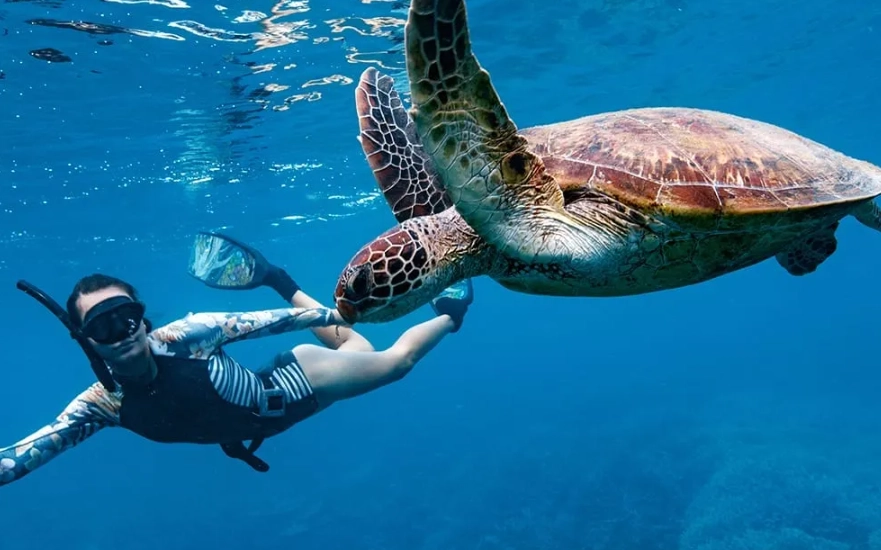
The Stars of the Show: Meet Europe's Sea Turtles
Before we dive into locations, let's meet the locals. You're mostly going to encounter two species when you swim with turtles in Europe.
The Loggerhead Turtle (Caretta caretta) is the most common. You'll recognize them by their large heads and powerful, reddish-brown jaws. They're the ones you'll most likely see on nesting beaches and foraging in seagrass meadows. Then there's the Green Turtle (Chelonia mydas), named for the greenish color of its fat, not its shell. They're more herbivorous and a bit less common for casual swimmers to encounter, but certain spots are known for them.
Top 5 European Destinations to Swim with Turtles
Alright, let's get to the heart of the question: where in Europe can you swim with turtles? Here’s a breakdown of the top spots, ranked not just by likelihood of sightings, but by the overall quality of the experience and its sustainability.
| Destination & Country | Turtle Species | Best Time to Visit | Type of Experience | Difficulty / Notes |
|---|---|---|---|---|
| Laganas Bay, Zakynthos (Greece) | Loggerhead | May - October (Peak: June-Aug) | Boat trip to Marine Park snorkeling spots; sightings from shore possible. | Easy. Very high success rate. Can be crowded. |
| Kaş & Kalkan (Türkiye) | Loggerhead, occasional Green | June - September | Guided snorkeling & diving tours to specific reefs and cleaning stations. | Moderate. Requires a boat trip. More "wild" feeling. |
| Akamas Peninsula & Lara Bay (Cyprus) | Loggerhead, Green | June - September (Nesting: June-July) | Boat tours from Paphos or Latchi; snorkeling in Blue Lagoon area. | Easy-Moderate. Strong conservation focus here. |
| Lampedusa (Italy) | Loggerhead | July - September | Snorkeling off Rabbit Beach (Isola dei Conigli), one of their key nesting sites. | Easy. The beach itself is stunning. Strict rules apply. |
| Canary Islands (Spain) | Loggerhead | Year-round (warmer water: June-Oct) | Mostly through organized diving trips, especially around Tenerife and Gran Canaria. | Moderate-Hard. Better for certified divers than casual snorkelers. |
Let's zoom in on each one.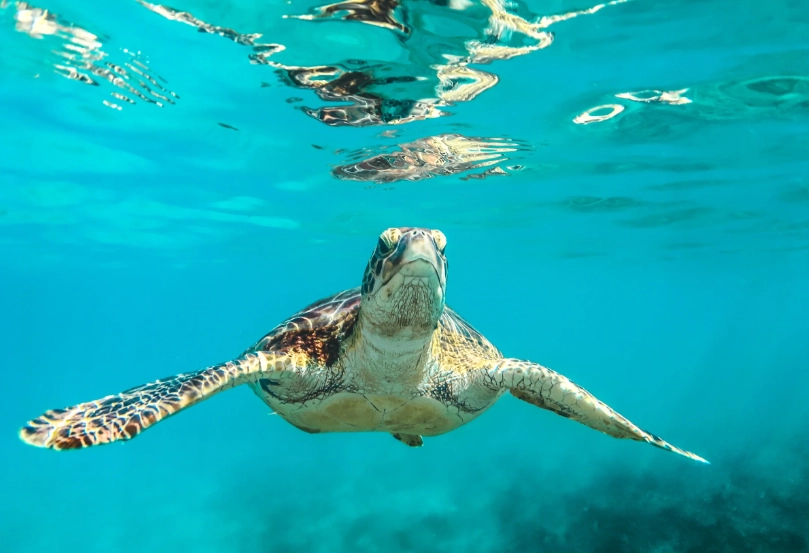
1. Zakynthos (Zante), Greece: The Turtle Swimming Capital
If you're asking where in Europe can you swim with turtles and want the highest odds, Zakynthos is your answer. Laganas Bay is a major nesting ground for loggerheads, and the waters are a protected National Marine Park. The turtles are so accustomed to regulated human presence that sightings are almost daily in season.
You have options here. You can join one of the many licensed glass-bottom boat tours that take you to designated snorkeling spots like Marathonissi islet. Or, if you're lucky and patient, you might spot them from beaches like Gerakas or Daphni (but remember, these are protected nesting areas—no sunbeds or umbrellas allowed, and definitely no nighttime disturbance).
My personal favorite spot was around Keri Caves, further south. The water is deeper and clearer, and it felt less like a turtle highway and more like a chance encounter.
2. Kaş and Kalkan, Türkiye: The Diver's Paradise
The Turquoise Coast of Türkiye is staggeringly beautiful above water, but it's underneath where the magic happens for turtle lovers. The area around Kaş and Kalkan has rocky reefs and underwater pinnacles that act as "cleaning stations." Fish gather here to clean parasites off larger animals, and turtles are regular clients.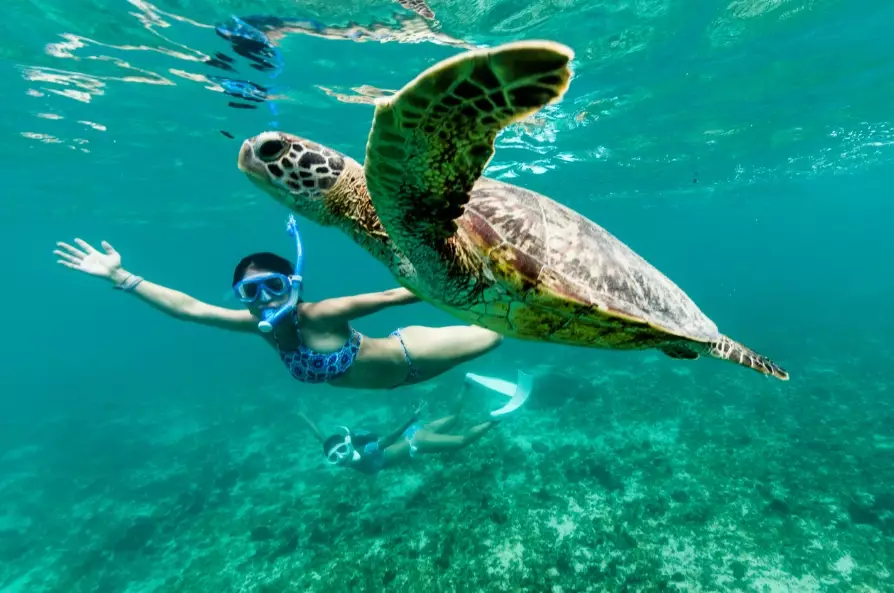
This isn't typically a "swim from the beach" scenario. You'll need to book a diving or snorkeling boat trip. The guides know the specific rocks where turtles hang out. I've spoken to divers who've had multiple turtles in a single dive here. It feels more adventurous and less scripted than some other places.
The local diving community is generally very respectful. You can check the environmental credentials of dive centers through the Turkish Underwater Sports Federation which promotes sustainable practices.
3. Cyprus, The Mediterranean's Turtle Nursery
Cyprus plays a critical role in Mediterranean turtle conservation, particularly for the green turtle. The Akamas Peninsula and Lara Bay on the west coast are heavily protected nesting areas. While you can't just wander onto these nesting beaches, boat tours from Paphos or the charming port of Latchi will take you to nearby snorkeling spots where turtles forage.
The water is crystal clear, and the backdrop of sea caves and cliffs is dramatic. The focus here is strongly on conservation. Organizations like SPOT (Society for the Protection of Turtles) do incredible work, and many tours support them. It’s a fantastic place to learn while you experience.
A friend spent a week volunteering on a nesting beach here and said it was life-changing—but even just a snorkeling trip feels meaningful.
4. Lampedusa, Italy: A Remote Island Gem
This little Italian island south of Sicily is home to one of the Mediterranean's most important loggerhead nesting beaches: Rabbit Beach (Spiaggia dei Conigli). It's consistently ranked among the world's best beaches, and for good reason.
You can snorkel right off this beach, and it's common to see turtles swimming in the bay, especially in the early morning before the day-trippers arrive. The island's protected area authority enforces strict rules—no touching, no feeding, stay on the paths—which keeps the experience high-quality for both turtles and people.
It's more of a trek to get to (usually a flight from mainland Italy), but that keeps the crowds somewhat in check. The vibe is rustic and authentic.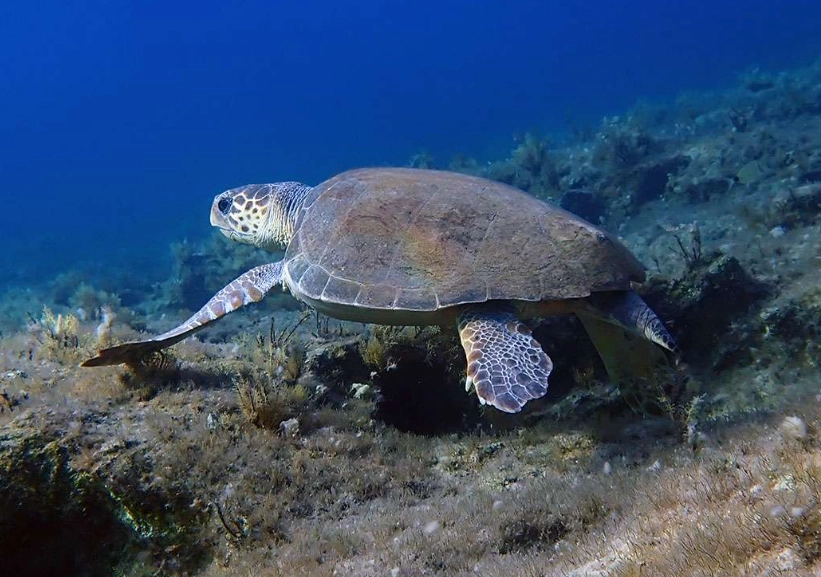
5. The Canary Islands, Spain: The Atlantic Outpost
This is the wildcard answer to "where in Europe can you swim with turtles?" The Canaries, off the coast of Africa, are technically part of Spain and the EU. While not in the Mediterranean, they host juvenile loggerhead turtles that drift across the Atlantic from the Americas.
The encounter here is different. It's less about shallow bays and more about open ocean diving. You're more likely to see them on dive sites around Tenerife, Gran Canaria, or La Gomera. It's not as predictable as Zakynthos, but for certified divers, it's an exciting possibility with stunning volcanic backdrops. Snorkelers have reported occasional sightings in sheltered bays, but it's far less common.
The Ultimate Guide to Swimming with Turtles Responsibly
This is the most important section. If you remember nothing else, remember this: our desire to see these animals shouldn't harm them. Here’s how to be a good guest in their home.
The Golden Rules: How to Behave in the Water
- Look, Don't Touch. I can't stress this enough. Their shells have a sensitive layer, and touching can remove protective mucus, making them vulnerable to infection. Just don't.
- Give Them Space. The general rule is 2-3 meters minimum. If the turtle starts swimming away rapidly, you're too close. You're blocking its path to the surface for air. Back off.
- Never, Ever Chase. This is the biggest mistake people make. Swim calmly and let the turtle approach you or go about its business. If you chase it, you're stressing it out and wasting its precious energy.
- No Feeding. Feeding turtles human food or trying to attract them with bait disrupts their natural foraging behavior and can make them sick.
- Be Sunscreen Smart. Before you get in, use a reef-safe, mineral-based sunscreen (zinc oxide/titanium dioxide). Chemicals in regular sunscreen (oxybenzone, octinoxate) can damage coral reefs and harm marine life. Let it absorb fully before entering the water.
- Control Your Fins. Be aware of your fins to avoid accidentally kicking the turtle or churning up sand onto seagrass beds.
Honestly, seeing someone grab a turtle for a selfie makes my blood boil. It's selfish, harmful, and often illegal. Be part of the solution, not the problem.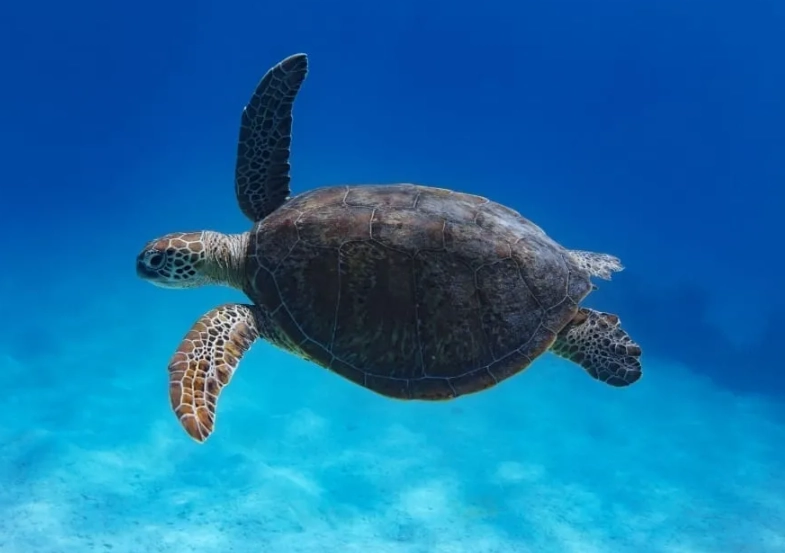
Choosing the Right Tour Operator
Your choice of who to go with makes a huge difference. Look for these green flags:
- They explicitly mention conservation, rules, and respectful behavior in their marketing.
- They are licensed by the local marine park or authority (ask to see the permit).
- They use smaller groups (less than 15 people in the water at a time is ideal).
- They have naturalist guides who educate guests.
- They avoid using anchors on sensitive seabeds, preferring mooring buoys.
A red flag? Any operator that guarantees sightings, talks about "playing with" turtles, or shows pictures of people touching them. Walk away.
Practicalities: When to Go, What to Bring, What to Expect
Best Time of Year: The European turtle "season" runs from late spring to early autumn, roughly May to October. Water is warmest (21-28°C / 70-82°F) and turtle activity is highest from June to September. July and August are peak for sightings but also for crowds and heat.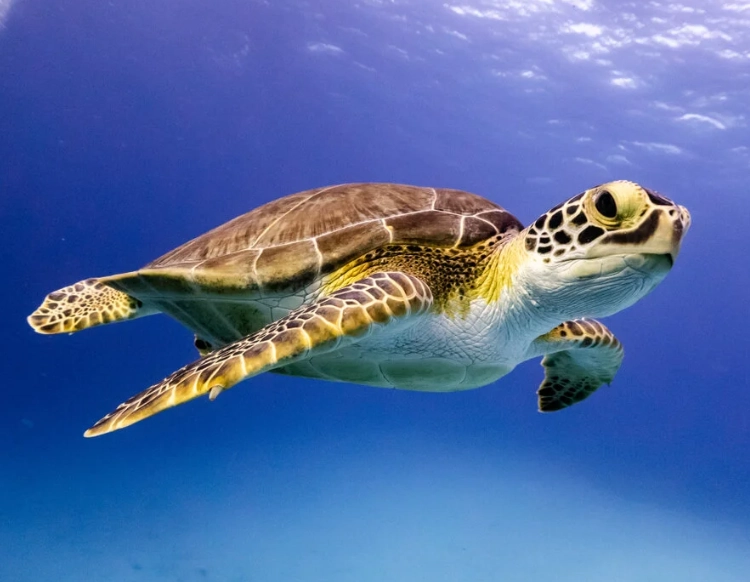
What to Pack:
- A good quality snorkel set (mask, snorkel, fins). Renting is fine, but a well-fitting mask makes all the difference.
- Reef-safe sunscreen and a rash guard/long-sleeved swim shirt. This protects you from the sun and means less sunscreen needed.
- An underwater camera or GoPro (but remember, no flash!).
- Sea sickness pills if you're prone to it and taking a boat tour.
- Patience and realistic expectations.
What to Expect: A typical boat-based snorkeling tour lasts 3-5 hours. You'll get a safety briefing (listen to it!), usually including the rules about turtles. The boat will moor at a known spot, and you'll get in the water. The guide might point out turtles. You'll have 30-60 minutes to snorkel freely. Sometimes you see one right away, sometimes you have to search a bit. The water visibility can vary.
Your Questions, Answered (The FAQ)
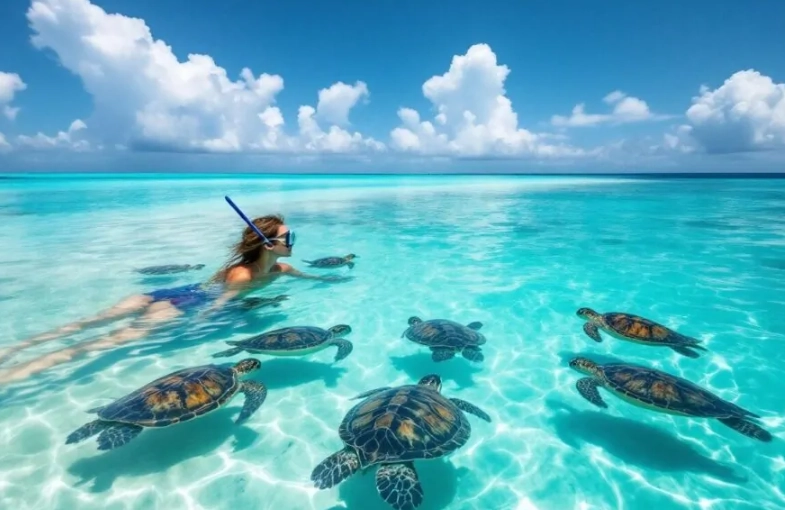
- Want a classic Greek island holiday with guaranteed turtle action? Zakynthos.
- Prefer a more adventurous, diving-focused trip on a stunning coast? Kaş, Türkiye.
- Want to combine history, great food, and a strong conservation story? Cyprus.
- Looking for a remote, beautiful island escape? Lampedusa.
- Already a diver exploring volcanic islands? The Canaries.
And that's the real secret. It's about the whole experience, not just a checkbox.
Final Thoughts Before You Go
Figuring out where in Europe you can swim with turtles is the easy part. The harder, more important part is committing to doing it right. These creatures have survived for millions of years, navigating vast oceans. In recent decades, they've faced plastic pollution, habitat loss, fishing nets, and climate change.
Responsible tourism can actually be a force for good. It provides an economic incentive for local communities to protect these animals and their habitats. Your choice to go with an ethical operator, to follow the rules, and to spread the word about conservation matters.
So pack your reef-safe sunscreen, practice your calm floating, and get ready for one of the most magical experiences Europe has to offer. There’s nothing quite like locking eyes with a turtle underwater—a moment of quiet connection with a ancient mariner in its own blue world. Do your research, choose wisely, and you'll have a story to tell for years to come.
Have an amazing trip.
Your comment