Quick Navigation
So you're dreaming of gliding through clear blue water beside a majestic sea turtle in Italy? You're not alone. It's one of those magical Mediterranean experiences that sticks with you. I remember the first time I saw one off the coast of Sicily – this ancient, graceful creature just going about its business, completely unconcerned by my presence. It felt like a privilege. But figuring out where you can actually swim with turtles in Italy isn't always straightforward. It's not like there's a specific "turtle beach" signposted everywhere.
The truth is, Italy is home to the loggerhead sea turtle (Caretta caretta), and they frequent certain coasts, especially for nesting. Your chance to swim with them depends heavily on location, season, and a bit of luck. This isn't a zoo experience; it's about encountering wild animals in their habitat. That means we have to be smart and respectful about it.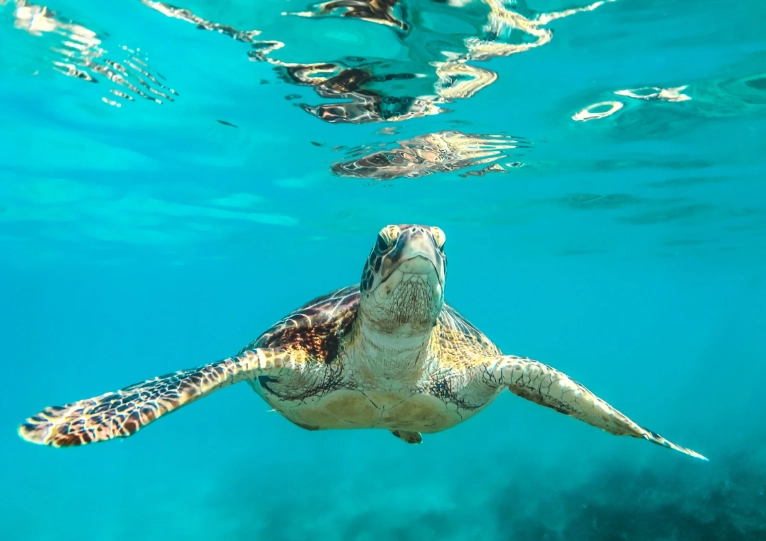
Top Italian Destinations to Swim Alongside Turtles
Forget the generic "Italian coast" advice. Turtles have their favorite hangouts, usually tied to food sources (like seagrass meadows) or nesting areas. Based on local guides, marine park data, and my own travels, these are the places where your odds are highest.
Lampedusa – The Turtle Hub of the Mediterranean
This tiny Pelagie Island, closer to Africa than to mainland Italy, is arguably the crown jewel for turtle encounters. The sea here is absurdly clear, and the Isola dei Conigli (Rabbit Island) beach is a famous nesting site. The water around the island, particularly on the southern and eastern coasts, is where turtles are often seen feeding. I've had friends go snorkeling off Cala Pulcino and literally have to stop to let a turtle pass by. It's that common in season.
But let's be real, Lampedusa gets busy. The secret is to go early in the morning on a boat tour that heads away from the most crowded snorkel spots. Many local operators are now very clued into responsible wildlife watching. The marine area is part of a protected reserve, which helps keep the environment healthy. You can find official information and guidelines for visiting the protected areas on the website of the Italian Ministry of the Environment, which oversees many of these marine zones.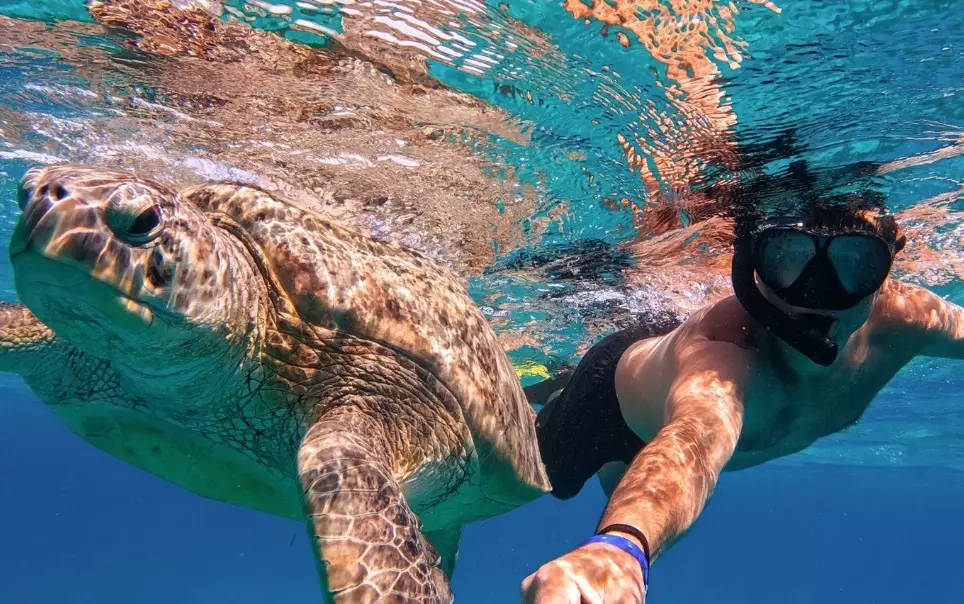
The Coast of Sicily – Beyond the Postcards
Sicily's coast is long and varied, but a few spots stand out. The Marine Protected Area of the Plemmirio, near Syracuse, is a fantastic spot. The rocky seabed and posidonia meadows are a turtle cafeteria. I've had less consistent sightings here than in Lampedusa, but when you see one, it's often a larger, older individual. The water visibility can be incredible.
Another Sicilian gem is the Stagnone Nature Reserve near Marsala. It's a lagoon system, shallower and warmer. While not the classic open-sea snorkel, turtles do come in here to feed. It's a more tranquil, unique setting. The northwest coast around San Vito Lo Capo and the Egadi Islands (Favignana, Levanzo) also report regular turtle activity, especially during summer boat trips that go further out.
Sardinia's Hidden Bays
Sardinia's northeastern coast, around the Marine Protected Area of Tavolara - Punta Coda Cavallo, is a turtle hotspot. The seagrass beds between Tavolara Island and Molara Island are known feeding grounds. The water is that signature Sardinian turquoise, making sightings easier. The La Maddalena Archipelago National Park is another excellent area. Turtles use these channels and sheltered bays. The key here is to be on a small, quiet boat – the big tourist ferries scare everything away.
Southern Sardinia, particularly around the islands of Sant'Antioco and San Pietro, and the coastline of Chia, also have healthy turtle populations. It's less organized for turtle-specific tours than the north, so you might need to ask local diving centers for the latest intel.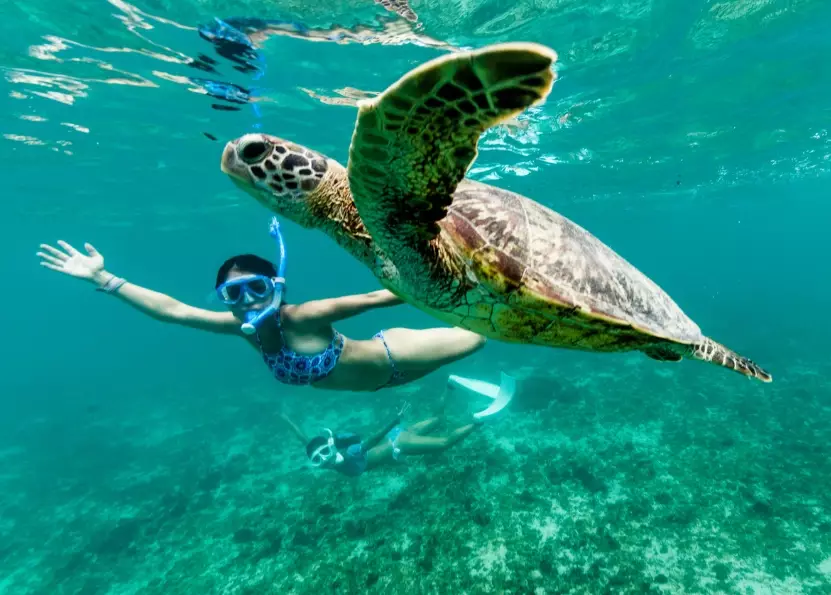
The Tyrrhenian Coast & Other Mentions
While less guaranteed, turtles do travel. The coast of Calabria, especially around Capo Rizzuto and the Isola di Dino marine area, sees them. The Marine Protected Area of Miramare near Trieste, in the north, is a rehabilitation and research center for turtles (the WWF Italy runs a center in Policoro, too), but swimming encounters in the chilly northern Adriatic are extremely rare. Stick to the southern and central Tyrrhenian Sea, the Strait of Sicily, and the Sardinian seas for your actual swim.
When to Go: It's All About the Season
Timing is everything. You can't just show up in November and expect a party.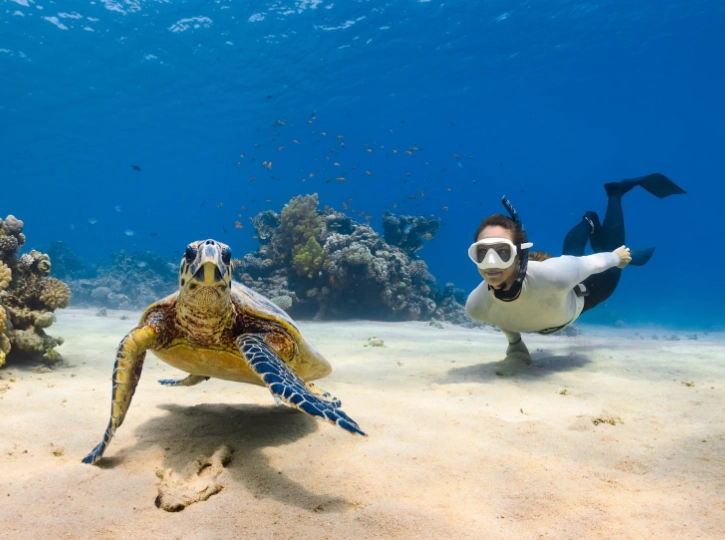
| Season | What's Happening | Swimming & Sighting Chance | Notes |
|---|---|---|---|
| Late Spring (May-June) | Water warming up. Turtles are actively feeding after winter. Start of the nesting season on beaches at night. | Good to Very Good. They're hungry and on the move. | Fewer tourists, pleasant water temps. My personal favorite time. |
| Peak Summer (July-August) | Peak tourist season. Peak turtle activity in warm waters. Busy nesting on beaches like Lampedusa. | Very Good. Highest number of turtles in coastal areas. | Also highest number of boats and people. Go early, book tours in advance. Sea can be choppy sometimes. |
| Early Autumn (September-October) | Tourist crowds thin. Water is still warm. Turtles feeding heavily before seasonal shifts. | Excellent. Often the best balance of good conditions and fewer people. | Weather is stable, sea is usually calm. A top contender for the best experience. |
| Winter & Early Spring (Nov-Apr) | Turtles migrate to deeper, warmer waters or are less active. Some juvenile turtles may remain. | Very Low to None. Not suitable for snorkeling encounters. | This is their off-season too. Don't plan your swim during this period. |
So, if you're asking yourself where can you swim with turtles in Italy and when, circle June, July, September, and early October on your calendar. August works too, but you'll need more patience to find a quiet moment.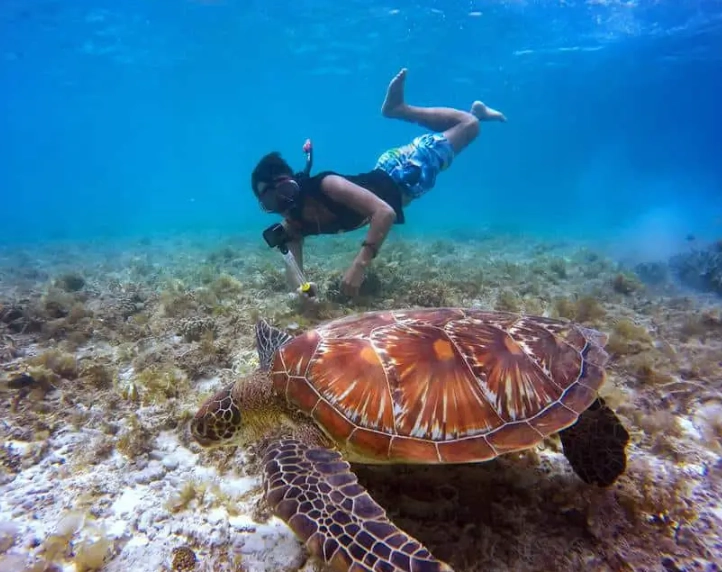
How to Do It Right: Tours, Ethics, and Your Safety
This is the most important part. We are visitors in their home.
Choosing a Responsible Tour Operator
Not all tours are created equal. A good operator will:
- Use small boats with small groups (less disturbance).
- Have a certified marine biologist or trained naturalist guide on board. This is a huge green flag.
- Provide clear briefings on how to behave in the water (no touching, no chasing, keep a safe distance).
- Operate in permitted zones within Marine Protected Areas (MPAs). You can check the official perimeters of Italian MPAs on the portal of the Ministero della Transizione Ecologica.
- Use a quiet electric motor or simply drift when approaching potential sighting areas.
Avoid operators that promise "guaranteed" sightings or talk about touching or feeding the turtles. That's a major red flag. Feeding wild turtles alters their natural behavior and can make them dependent or sick.
Your Behavior in the Water
This isn't a petting pool. Think of it like birdwatching, but underwater.
- DO NOT TOUCH. The stress can cause them to drown. You can also damage their protective biofilm or shell.
- DO NOT CHASE. Swim calmly and let them approach or go about their business. If they swim away, let them go.
- Keep a respectful distance. Several meters is ideal. Use your zoom lens, not your fins.
- Minimize your splashing and noise. Be a calm, quiet observer.
- Never block their path to the surface. They need to breathe air regularly.
I once saw a tourist try to grab a turtle's shell for a photo. The guide on that boat immediately ended the swim for everyone and gave a stern lecture. It was embarrassing for the offender but necessary. We all have a responsibility.
What About Going Without a Tour?
It's possible from shore in some places, like certain calm bays in Sardinia or Sicily where seagrass comes close to the beach. But it's far less likely. Turtles are wary of busy shoreline areas. Your odds increase exponentially by accessing their preferred feeding grounds, which usually requires a boat. A tour also gives you the local knowledge that answers the question where can you swim with turtles in Italy on that specific day.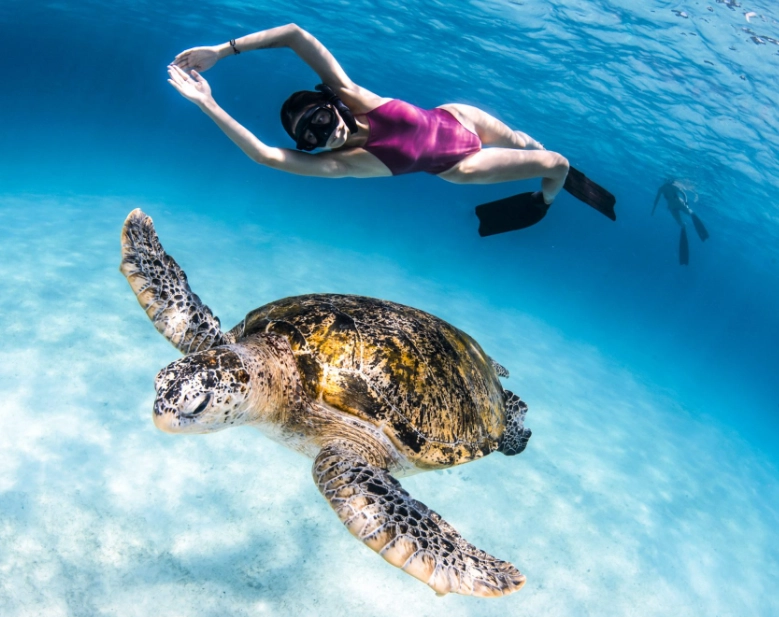
Your Questions Answered: Swimming with Turtles in Italy FAQ
Let's tackle the common stuff that pops into your head when planning this.
Beyond the Swim: Conservation and Respect
Seeing a turtle in the wild is a privilege that comes with a duty. The Caretta caretta faces threats: plastic pollution, boat strikes, habitat loss, and accidental capture in fishing gear (bycatch).
By choosing an ethical operator, you're supporting a business that values the turtles alive and well, not just as a tourist attraction. You can go further by learning about local conservation projects. Many marine parks and NGOs run turtle rescue and monitoring programs. The Sea Turtle Rescue Center (CRTM) in Lampedusa, for example, does incredible work rehabilitating injured turtles. While not a place to swim with them, visiting or supporting such centers adds depth to your understanding.
Your actions matter. Pick up any plastic you see in the water (carefully). Use reef-safe sunscreen. Be a vocal advocate for clean seas when you go home. The goal is to ensure that future generations can also wonder where can you swim with turtles in Italy and have the same amazing answer we do today.
Planning Your Turtle Adventure: A Practical Checklist
Let's wrap this up with a simple action plan.
- Pick Your Region & Season: Sicily (Plemmirio, Egadi), Lampedusa, or North/East Sardinia (Tavolara, Maddalena). Aim for June-July or September-October.
- Research & Book a Tour Early: Look for small-group, eco-focused operators with marine expert guides. Read recent reviews mentioning turtle encounters.
- Get Snorkel-Ready: Practice in a pool if you're rusty. Consider buying a comfortable mask.
- Pack Smart: Rash guard, reef-safe sunscreen, hat, towel, reusable water bottle, waterproof camera/GoPro.
- Manage Expectations: This is wildlife spotting. Sightings are likely but never 100% guaranteed. Embrace the whole experience – the boat ride, the clear water, the other marine life.
- Be a Perfect Guest: Listen to your guide, follow the rules in the water, and soak in the magic calmly.
Figuring out where you can swim with turtles in Italy is the first step of a fantastic journey. It leads you to some of Italy's most stunning coastal gems and connects you with one of the Mediterranean's most beloved creatures. Do your homework, choose responsibly, and get ready for one of the coolest things you'll ever do. The turtles are waiting – just remember to let them make the first move.
Have an incredible time. And maybe I'll see you out there, floating quietly, waiting for a shadow to become a turtle.
Your comment