Explore the Depths
- What Exactly IS an Ocean Tunnel Aquarium Experience?
- The Ultimate Planning Guide: Don't Just Show Up
- The World's Top Ocean Tunnel Aquarium Destinations Compared
- Making the Most of Your Visit: Beyond the Walkthrough
- Common Questions & Real Concerns (The FAQ You Actually Need)
- Final Thoughts: Is It Worth It?
Let's be honest. You've seen the pictures. Someone standing, seemingly magically, beneath a giant shark or a shimmering school of fish, with a perfect, distortion-free view all around them. That's the promise of an ocean tunnel aquarium. It's one of those travel experiences that looks incredible on Instagram, but you're probably wondering—is it worth the hype? Is it just a crowded photo op, or is it actually awe-inspiring? And more importantly, which one should you visit, and how do you do it right?
I've dragged my family to more of these underwater walkthroughs than I care to admit, from the mega-famous ones to smaller, hidden gems. I've been elbowed by tourists, mesmerized by whale sharks, and disappointed by overpriced, underwhelming tunnels. This guide is everything I wish I'd known before my first visit. We're going to strip away the marketing fluff and talk about what makes a great ocean tunnel aquarium experience, how to plan for it, and which destinations truly deliver.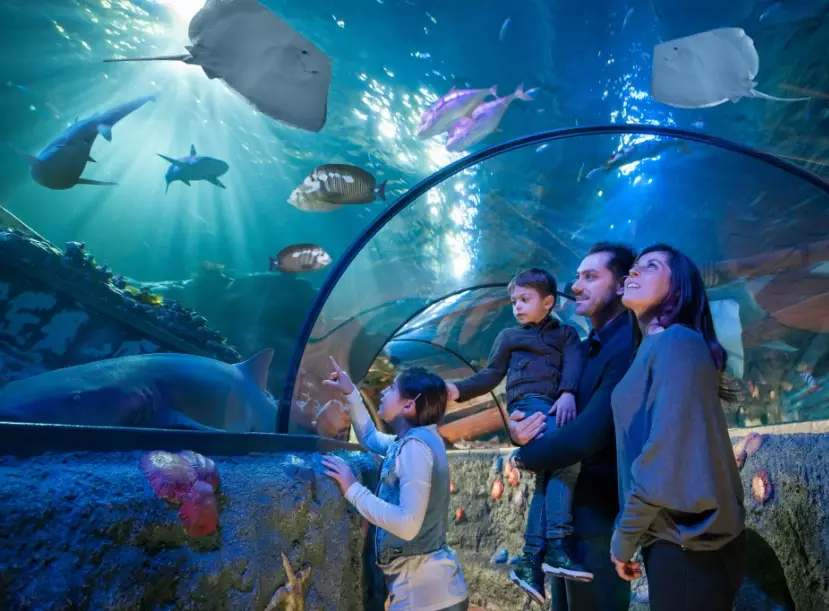
Quick Reality Check: An ocean tunnel aquarium (sometimes called an underwater tunnel, acrylic tunnel, or walkthrough aquarium) is a transparent tunnel that goes through a large tank, letting you walk surrounded by water and marine life. The engineering is mind-blowing. But not all tunnels are created equal.
What Exactly IS an Ocean Tunnel Aquarium Experience?
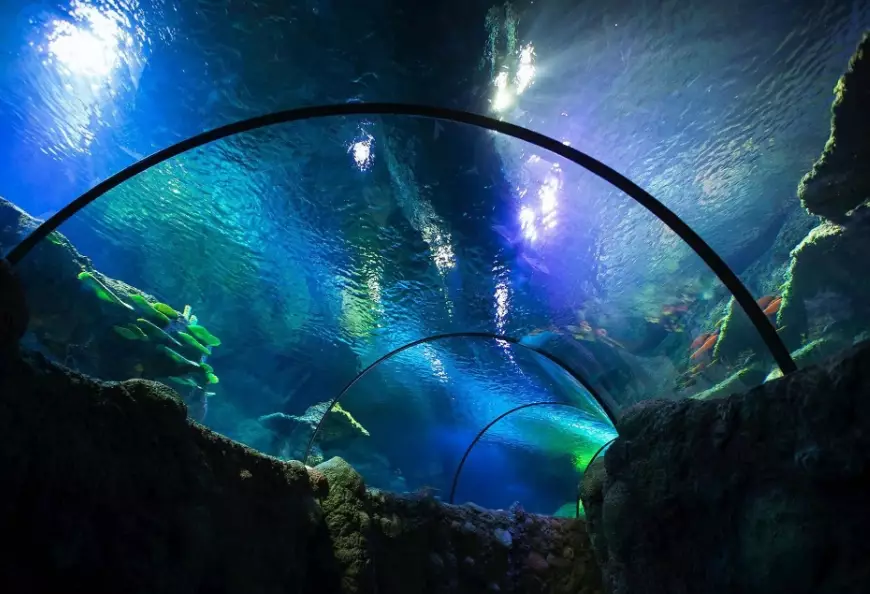
It's not just a big fish tank you walk past. The magic is in the immersion. You're not looking into an exhibit; you're inside it. The water is above you and on both sides. The effect can range from "pretty cool" to genuinely breathtaking, depending on a few key factors.
The tank volume matters (bigger usually means bigger animals). The clarity and thickness of the acrylic matters (scratches and green tint can ruin the view). The lighting matters (dramatic and natural is best). And, perhaps most importantly, the stocking matters. A tunnel with just a few small fish is boring. A tunnel with rays gliding over your head, sharks cruising past, and a thousand schooling fish creating a living wall of silver? That's the stuff memories are made of.
I remember the first time I visited a proper ocean tunnel aquarium as a kid. It was smaller than the famous ones today, but the sensation of seeing a turtle swim directly over me, looking down as if I were on the seafloor... it sparked a lifelong fascination with the ocean. That's the potential here. It's not just an attraction; it's a portal.
The Ultimate Planning Guide: Don't Just Show Up
This is where most people go wrong. They buy a ticket for a Saturday afternoon and then complain it was packed and rushed. A little strategy transforms the experience.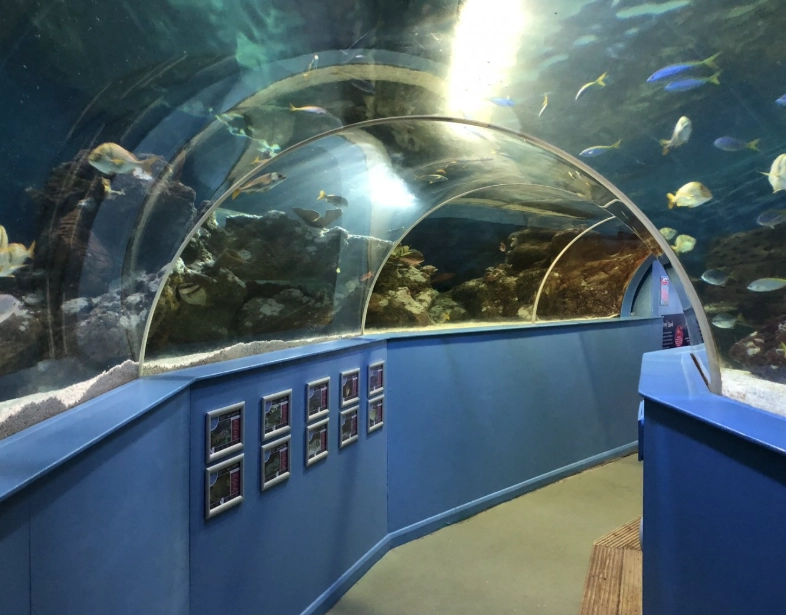
When to Go (The Timing is Everything)
If you want a peaceful, contemplative experience, you need to be tactical. Weekdays are always better than weekends. School holidays and local public holidays are the worst possible times. Aim for the first opening slot of the day. Yes, it means getting up early on vacation, but trust me, having a long ocean tunnel almost to yourself for 20 minutes is worth the lost sleep. The animals are often more active in the morning during feeding times, too.
My Biggest Mistake: I once visited a famous Asian ocean tunnel aquarium on a national holiday. The crowd was so thick you were carried through by the flow of people. You couldn't stop to look at anything. It was hot, loud, and utterly miserable. I learned my lesson the hard way.
The last entry of the day can also be good, but sometimes the animals are less active. Mid-week, late morning after the initial rush, can be a sweet spot. Always check the specific aquarium's website for seasonal hours and predicted busy times. Some, like the Ocean Park Hong Kong aquarium, have crowd calendars.
What to Bring & What to Wear
It sounds silly, but being comfortable makes a difference. The tunnels are often cool and humid.
- Layers: The temperature can vary between the tunnel (cool) and other exhibit areas.
- Non-slip shoes: The floors can be wet.
- A quality camera or phone: But please, for everyone's sake, don't use the flash. It reflects off the acrylic and stresses the animals. Crank up your ISO instead.
- Patience: For that perfect shot of a shark without 20 kids in the background.
Leave the giant backpack at home. Space is limited, and you don't want to be that person blocking the view.
Tickets and Behind-the-Scenes
Always, always book online in advance. You'll usually save money and guarantee entry, especially for top-tier spots. Look beyond the general admission ticket. Many ocean tunnel aquariums offer "behind-the-scenes" tours or animal encounters. These can be pricey, but if you're a true enthusiast, feeding a ray or learning how the life support system works for a 10-million-liter tank is unforgettable. The Association of Zoos and Aquariums (AZA) accreditation is a good sign an institution takes animal welfare and education seriously—look for it.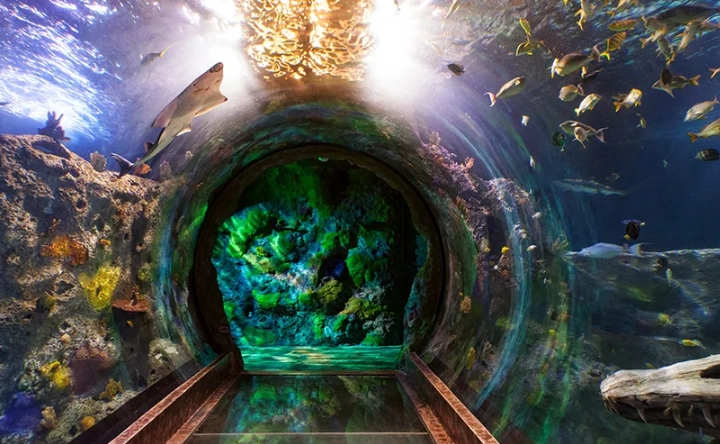
The World's Top Ocean Tunnel Aquarium Destinations Compared
Not all tunnels are created equal. Here’s a blunt, personal take on some of the heavy hitters. This isn't just a list; it's a comparison to help you match an aquarium to what you're looking for.
| Aquarium & Location | Tunnel Length & Vibe | Star Attractions | The Good & The Not-So-Good | Best For... |
|---|---|---|---|---|
| Okinawa Churaumi Aquarium, Japan | Massive. The Kuroshio Sea tank holds 7.5 million gallons. The tunnel is part of a huge viewing wall. | Multiple whale sharks, giant manta rays. It's the only place with reliably multiple whale sharks. | Good: Unmatched scale and animal collection. Feels epic. Not-So-Good: Can be extremely crowded. Remote location (Okinawa). | The ultimate bucket-list experience for sheer awe. You go here to see giants. |
| Dubai Aquarium & Underwater Zoo, UAE | A 48-meter long tunnel through a 10-million-liter tank in the middle of the Dubai Mall. | Huge sand tiger sharks, a massive variety of fish. The mall setting is surreal. | Good: Incredibly convenient. Jaw-dropping to find in a mall. Not-So-Good: Can feel commercial. Extra fees for many experiences. | Combining shopping with wonder. A great intro if you're new to ocean tunnels. |
| Georgia Aquarium (Ocean Voyager), USA | A 100-foot long tunnel with a moving walkway through 6.3 million gallons. | Whale sharks (though fewer than before), manta rays, giant groupers. | Good: Fantastic educational focus. AZA-accredited. Well-managed crowds. Not-So-Good: The moving walkway can make you feel rushed. | Families and anyone wanting a world-class, conservation-focused experience. |
| SEA LIFE Sydney Aquarium, Australia | Two long tunnels (including the world's first "Dugong Island") with a focus on Australian wildlife. | Dugongs (sea cows), sharks, rays, and incredible Great Barrier Reef sections. | Good: Unique Australian species. Great theming. Central location. Not-So-Good: The acrylic in older sections can show some wear. | Those wanting a unique regional focus beyond just sharks and rays. |
See what I mean? Okinawa is about raw power and scale. Dubai is about spectacle and convenience. Georgia is about education and conservation. Your choice depends on your travel goals. There are dozens of other fantastic ocean tunnel aquariums, like the National Aquarium in Baltimore or L'Oceanogràfic in Valencia, each with its own personality.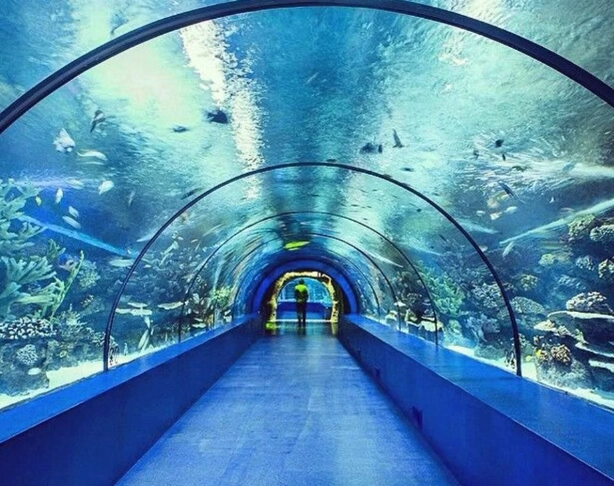
Personal opinion time: While the mega-aquariums get all the press, some of my favorite moments have been in smaller, thoughtfully designed ocean tunnel aquariums. They're less chaotic, and you can really connect with the environment. Don't automatically dismiss the smaller one in a city you're visiting—it might surprise you.
Making the Most of Your Visit: Beyond the Walkthrough
An ocean tunnel aquarium isn't just the tunnel. To get real value, you need to engage with the whole facility.
Talk to the Staff
The divers in the tank, the educators at the touch pools, the volunteers—talk to them. Ask questions. "What's that fish's name?" "What are you feeding them today?" "How do you care for the acrylic tunnel?" The stories they tell are the best part. You'll learn about animal personalities, conservation efforts, and crazy tank maintenance stories. This human element is what turns a visit from a sightseeing trip into a learning experience.
Slow Down and Look Up
Everyone stares straight ahead in the tunnel. Do yourself a favor: stop in the middle, lean against the railing (letting others pass), and just look directly up. Watch the patterns of light on the water's surface filter down. See how a ray's belly looks from below. It's a completely different perspective. Spend at least 15-20 minutes in the tunnel if you can, not just 5 minutes walking through.
Check the Feeding Schedules
This is non-negotiable. The tunnel is static. The feeding times are dynamic theater. Seeing the sharks or rays get fed, watching the frantic activity of the fish—it brings the whole tank to life. Schedule your visit around a main tank feeding if possible. The aquarium's daily schedule is your bible.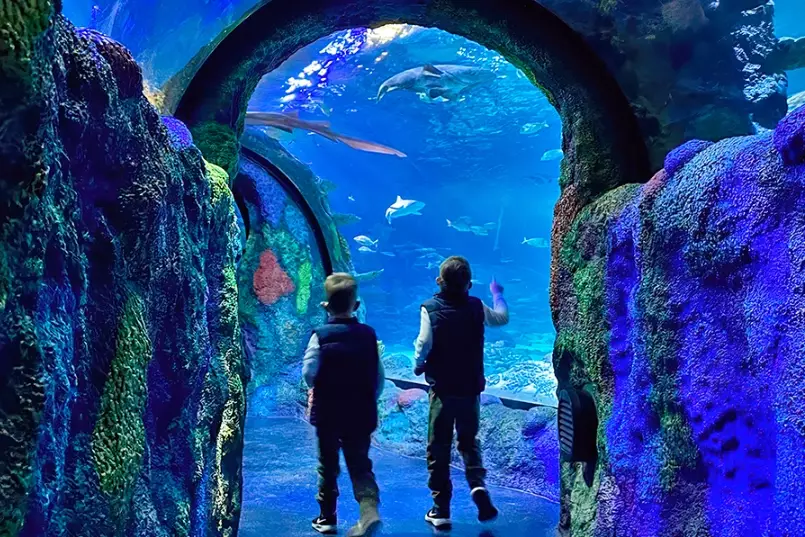
Common Questions & Real Concerns (The FAQ You Actually Need)
Final Thoughts: Is It Worth It?
An ocean tunnel aquarium visit, done right, is absolutely worth it. It's not just an attraction; it's a powerful reminder of the scale, beauty, and fragility of our oceans. It can inspire kids (and adults) to care about marine conservation in a way a documentary never could.
But you have to be a smart visitor. Choose your destination based on what you value—scale, conservation, unique animals, or convenience. Plan your timing like a military operation to avoid the worst crowds. Engage with the place beyond the glass. Slow down.
The goal isn't just to see an ocean tunnel aquarium. The goal is to feel like you've had a glimpse into another world, even for just a few minutes. When it works, it's a feeling that stays with you long after you've left the gift shop.
So pick one, plan your trip, and go get amazed. Just maybe don't go on a Saturday.
Your comment