What’s Inside
Let's be honest. That question—"Where can I dive with sea turtles?"—is what brought you here. It's a simple question with a surprisingly deep answer. It's not just about finding a spot on a map. It's about finding the right spot for you, the turtles, and the kind of experience you're dreaming of. Is it a guaranteed green turtle parade in warm, clear water? A chance to spot a rare hawksbill on a vibrant reef? Or maybe swimming alongside a massive leatherback in the open blue?
I've asked myself the same thing before trips, scrolling through forums and dive shop blogs. The info is often repetitive. "Go here, turtles are great!" But they don't tell you about the crowds, the seasonality, or how the experience actually feels. That's what we're fixing today.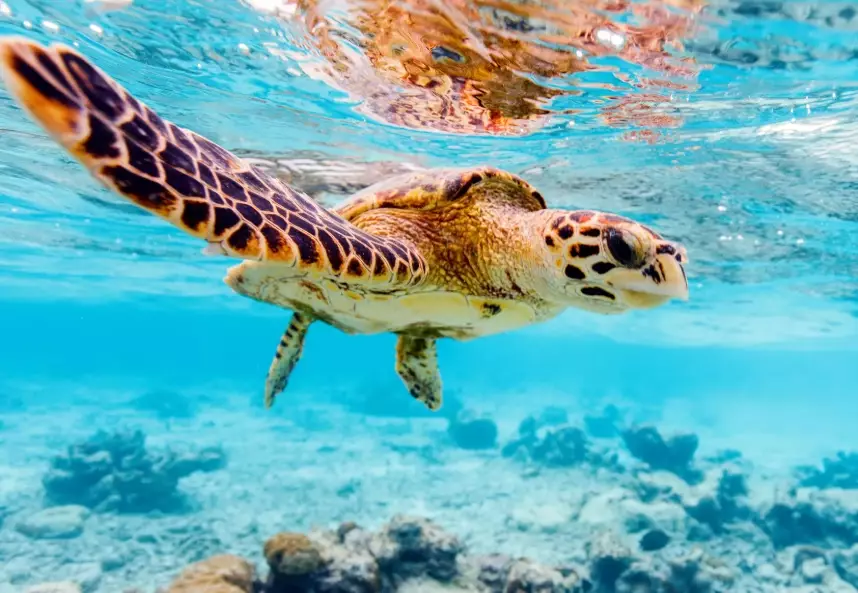
The Big Hitters: World-Famous Sea Turtle Dive Destinations
These places are famous for a reason. They usually have healthy turtle populations, reliable sightings, and infrastructure for divers. But fame has a downside—other divers. Let's break them down honestly.
The Coral Triangle Powerhouses
This region is the epicenter of marine biodiversity. If reefs are turtle restaurants, this is a global buffet.
Indonesia (Raja Ampat & Komodo): Pristine, wild, and less crowded than you'd think (outside the main liveaboard routes). In Komodo, you're as likely to see a turtle riding a current as you are on a cleaning station. Raja Ampat feels more remote. The turtles here seem… calmer, maybe because human traffic is still relatively low. I remember a dive in Misool where a green turtle just let me hover nearby for minutes while it nibbled on sponge. No rush. The downside? It's a trek to get there and not cheap.
The Philippines (Apo Island & Tubbataha Reefs): Apo Island is a conservation success story. The turtle population is dense. You'll see them. A lot. Sometimes it feels almost too easy, like they're part of the furniture. But it's a fantastic place for new divers or underwater photographers to get their fill. Tubbataha, accessible only by liveaboard, is a different beast. It's open ocean atolls. The turtles here are big, healthy, and part of a stunningly intact ecosystem. It's a commitment, but arguably one of the best answers to "where can I dive with sea turtles" if you seek wilderness.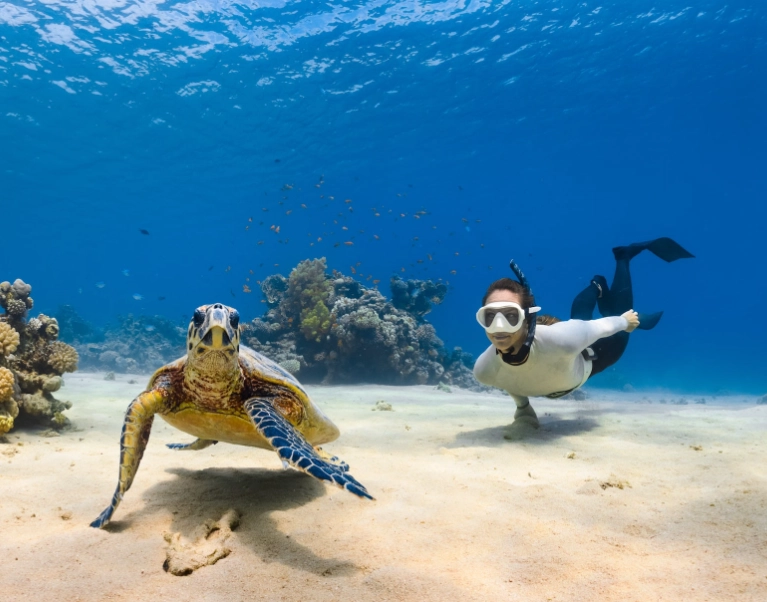
Malaysia (Sipadan): The turtle tornado. It's legendary. You'll see dozens, maybe hundreds, of green and hawksbill turtles on a single dive, especially at sites like Barracuda Point. It's insane and absolutely lives up to the hype. But here's the real talk: getting a permit is a pain (they limit daily divers), it's expensive, and the sheer number of divers on the limited sites can feel hectic. It's a spectacle, not a serene communion with nature. Worth it? For the spectacle, yes. But manage your expectations.
The Caribbean & Atlantic Classics
Easier access for many, warmer water, and generally calmer conditions.
Hawaii (Big Island & Oahu): The green turtles, or honu, in Hawaii are local celebrities. Sites like Turtle Pinnacle on the Kona Coast or Turtle Canyon off Waikiki are almost guaranteed sightings. The unique part? They often haul out on beaches to bask, which is rare for sea turtles. You can see them underwater and on land. The culture here reveres them, which shows in how divers behave. Water can be cooler and visibility variable, but the vibe is respectful.
Costa Rica (Cocos Island): Forget reefs. This is about pelagic giants. Cocos is about hammerheads and mantas, but it's also one of the few places you might dive with the magnificent, deep-diving leatherback turtle. It's a lottery win—rare and incredible. The diving is advanced, in blue water with strong currents. Not a turtle-dedicated trip, but if you score a sighting, it's the story of a lifetime.
Bonaire: The shore-diving capital. This is where you can answer "where can I dive with sea turtles" on your own schedule. From the house reef of resorts like Buddy Dive, you can swim out and consistently find turtles munching on seagrass. It's relaxed, accessible, and perfect for building confidence. They're not always huge numbers, but the reliability and ease are unmatched.
The Middle East & Africa Gems
The Egyptian Red Sea (Marsa Alam): Sites like Abu Dabbab are famous for dugongs, but they're also shallow, seagrass-filled bays where green turtles are regular residents. It's often a gentle, sandy-bottom dive—great for beginners or snorkelers. Further south, the reefs of St. John's or Fury Shoals have healthy hawksbill populations. The Red Sea offers a combo of reliable, easy turtle encounters and more adventurous reef diving.
Mozambique & South Africa: For something totally different. Places like Tofo Beach are known for manta rays and whale sharks, but loggerhead and leatherback turtles nest on these beaches. Diving encounters can be sporadic, but the context—seeing their nesting grounds—makes it profound. It's a seasonal, ecosystem-based experience rather than a guaranteed underwater show.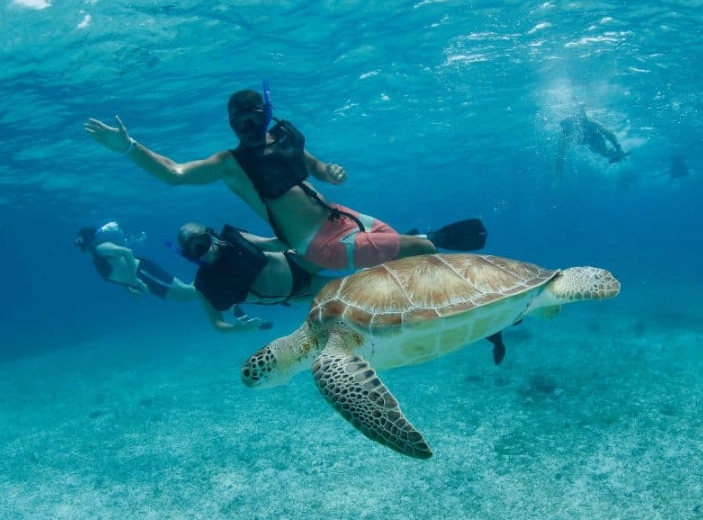
Beyond the Map: How to Choose YOUR Turtle Dive Spot
Picking a dot on the map is the easy part. The real trick is matching that dot to what you want. Let's get practical.
First, species matter. That picture in your head—what does the turtle look like?
- Green Turtles: The classic. Herbivores, often found over seagrass beds or resting on reefs. Common in Hawaii, Caribbean, Indo-Pacific.
- Hawksbill Turtles: Smaller, with a beautiful patterned shell. Sponge-eaters, so they stick close to rich coral reefs. Think Coral Triangle, Caribbean reefs.
- Loggerhead Turtles: Big heads, powerful jaws. More carnivorous. Often seen in warmer temperate zones, like Florida, Oman, or South Africa.
- Leatherback Turtles: The giants. Pelagic, rarely seen on reefs. Encounters are rare and special (Cocos Island, open ocean off Costa Rica, nesting beaches).
Second, season is everything. A place might be incredible in July and dead in January. Turtles migrate, nest, and feed on schedules. For example, in the Caribbean, turtle sightings are often more reliable in warmer summer/fall months. In Southeast Asia, monsoon seasons can affect visibility and site access. Always, always check the specific seasonality for the exact location.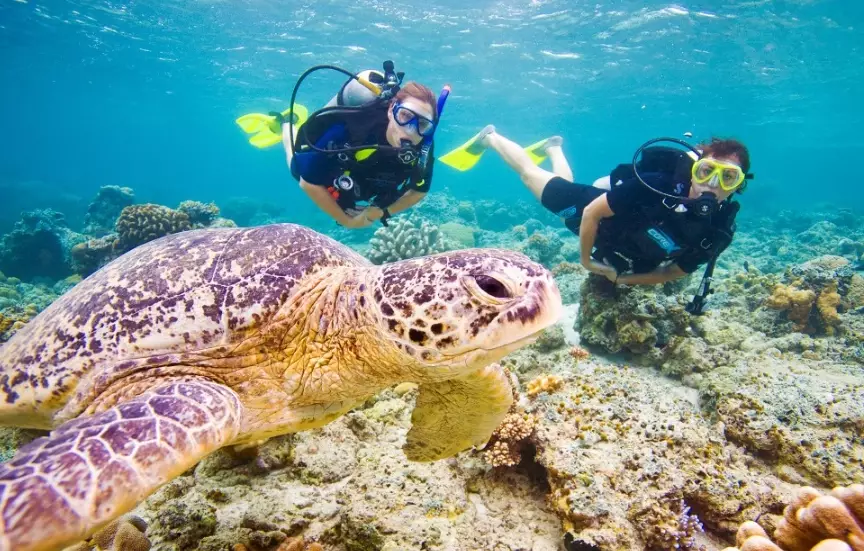
Third, consider the type of dive.
| Dive Type | Best For | Example Destinations | The Vibe |
|---|---|---|---|
| Reef Cleaning Stations | Seeing turtles "parked" while fish clean them. Great for photos. | Sipadan (MY), Apo Island (PH) | Often busy with other divers waiting their turn. Can feel staged. |
| Seagrass Meadow Dives | Watching greens feed peacefully. Often shallow, calm. | Bonaire, Marsa Alam (EG), Maui (HI) | Chill, relaxed, good for beginners. Less dramatic scenery. |
| Current-Swept Points | Seeing turtles "fly" in currents. Pelagic action. | Komodo (ID), Cocos Island (CR) | Exciting, advanced diving. Turtles are moving, not stationary. |
| Muck/Macro Sites | Surprise encounters. Not turtle-focused but a bonus. | Lembeh Strait (ID), Anilao (PH) | You're looking for critters, and a turtle becomes a wonderful sideshow. |
See? "Where can I dive with sea turtles" leads to "What kind of turtle diving do I want?"
Your Underwater Manners: How to Be a Good Guest
This is the most important part of the guide. A bad encounter stresses the animal and ruins it for others. I've seen divers chase, touch, and crowd turtles. It's awful.
Here’s the non-negotiable etiquette:
- No Touch. Ever. Not the shell, not the flipper. Touching removes their protective slime coat, can spread disease, and is hugely stressful. Just don't.
- Keep Your Distance. Use your zoom lens, not your fins. If the turtle moves away, you're too close. Let it control the interaction.
- Minimize Your Bubbles. A calm, steady breathing pattern is less alarming. Don't exhate a huge blast of bubbles right above one.
- Watch Your Finning. Stay off the bottom! Kicking up sand smothers seagrass and coral. Practice good buoyancy before your turtle trip.
- Never Block Their Path to the Surface. Turtles need to breathe. Always give them a clear, unobstructed route to the surface.
Good dive operators will brief you on this. If they don't, it's a red flag. Organizations like PADI have strong guidelines for responsible marine life interactions that many operators follow.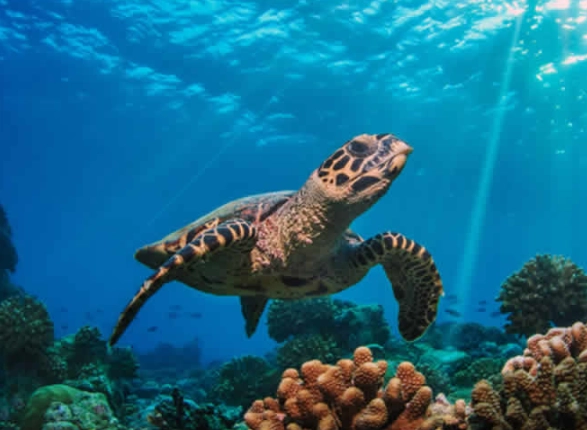
Answers to Questions You're Probably Asking (The FAQ)
It's hyper-local. In general, warmer months often correlate with more active turtles and calmer seas. But you must research your specific target. For instance, in the Great Barrier Reef, turtle activity is year-round, but water visibility is best during the Australian winter (June-Oct). The Great Barrier Reef Marine Park Authority has seasonal guides. In the Caribbean, summer and fall are often peak. There's no global rule.
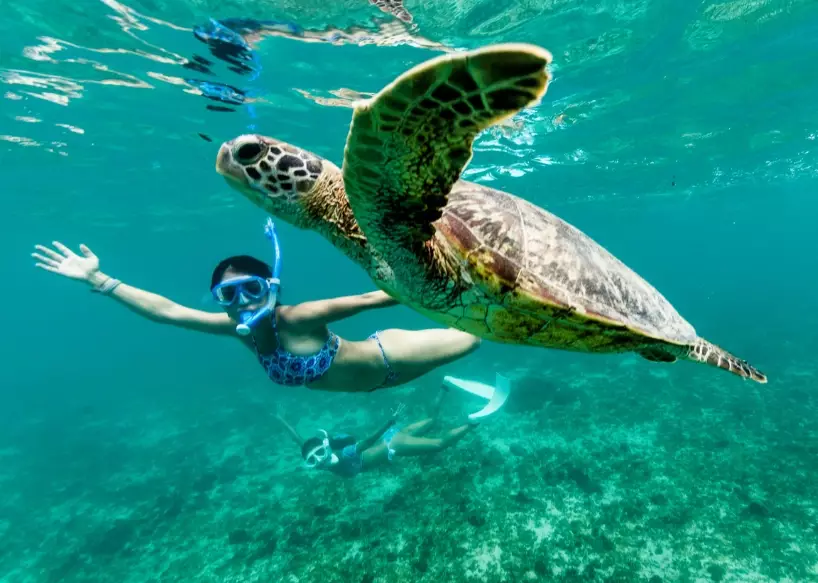
Absolutely! Many of the best encounters are in shallow water (seagrass beds, reef edges). Places like Oahu's Turtle Canyon, Apo Island in the Philippines, or Akumal in Mexico are famous for snorkeling with turtles. Often, it's cheaper, requires less training, and can be just as rewarding. The rules of etiquette are the same.
Not at all. They are gentle, curious, but ultimately wild animals. They have strong jaws for eating sponges or jellyfish, but they have zero interest in biting you. The danger is entirely from you stressing them or from you damaging your own surroundings (e.g., crashing into coral).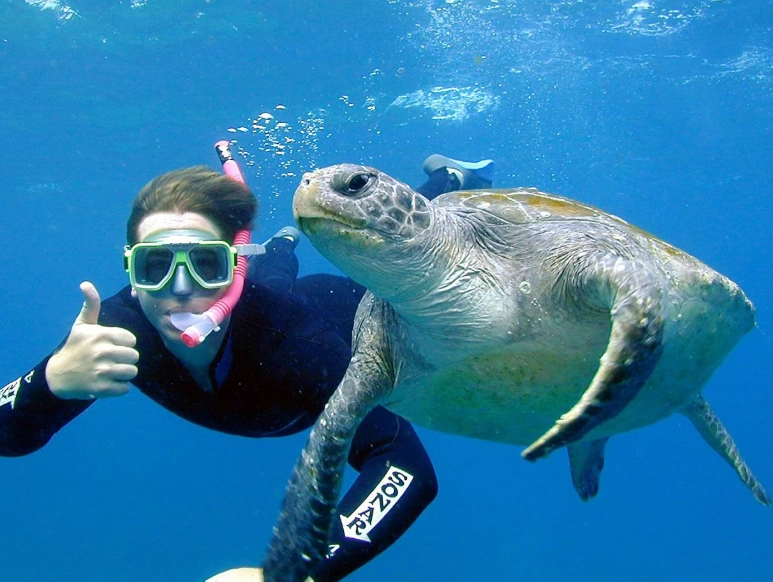
It takes practice, but start with two common ones:
- Green Turtle: Single pair of scales in front of its eyes (prefrontal scales). Smooth, heart-shaped shell. Herbivore mouth (serrated beak).
- Hawksbill Turtle: Two pairs of prefrontal scales. Jagged, overlapping shell plates (like a hawk's beak). Pointed mouth for getting into reef crevices.
Resources like the IUCN Red List have detailed species profiles with identification keys.
This is crucial. All seven species face threats. Tourism, when done poorly, is a threat. When done right, it provides economic value that incentivizes protection. The key is choosing operators who are part of the solution. Look for operators supporting local conservation NGOs, adhering to strict codes of conduct, and perhaps even contributing to citizen science (like turtle ID photo databases). Your tourist dollars should help protect them, not harass them.
The NOAA Fisheries site has excellent info on the protected status of turtles like the green turtle and the threats they face globally.
Making It Happen: Your Pre-Trip Checklist
You've picked a spot. Here's how to lock in a good experience.
- Research Dive Operators. Don't just pick the cheapest. Read reviews specifically mentioning turtle encounters and guide behavior. Email them. Ask: "What is your policy for interacting with sea turtles?" A good answer talks about distance, no touching, and small groups.
- Check Your Gear. Especially your buoyancy. Consider a buoyancy control specialty course if you're rusty. A well-trimmed diver is a safe diver for the reef.
- Get the Right Insurance. Make sure your dive travel insurance covers the depth and type of diving you'll do. It's a non-negotiable safety net.
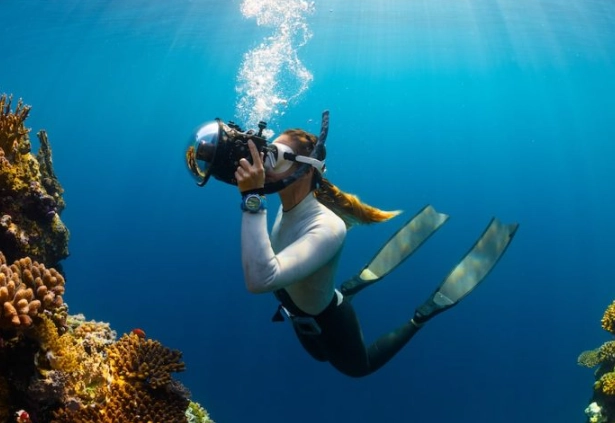
- Pack a Good Camera (or GoPro). But decide if you'll spend the whole dive behind a viewfinder. Sometimes, the best memory is just watching.
- Manage Expectations. Wildlife is wild. There are no guarantees. A good dive is about the whole ecosystem, not just a single animal. A dive with no turtles can still be amazing.
The Real Reward
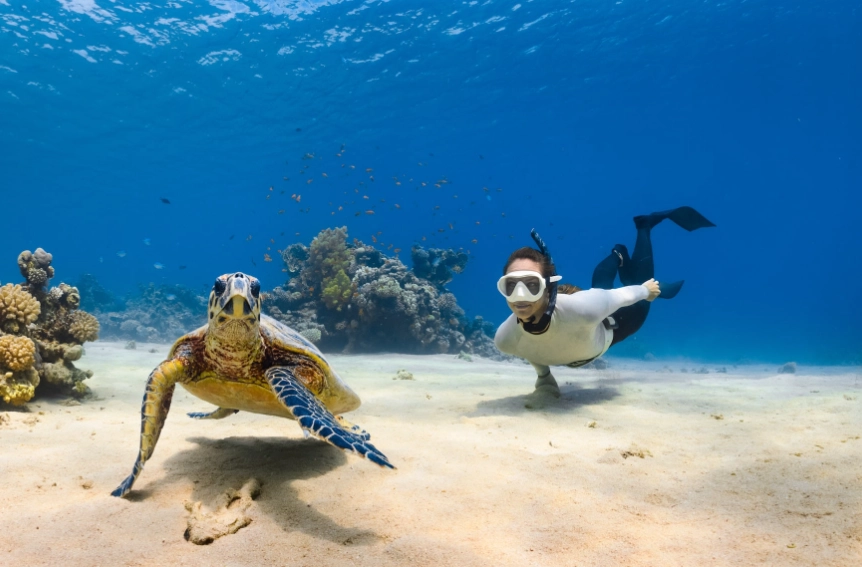
Figuring out where you can dive with sea turtles is the logistical puzzle. The magic happens when you stop searching and start observing. When you're hovering weightless, watching an ancient creature go about its business, completely indifferent to your presence. That's the connection. That quiet moment of co-existence is what you're really after.
So pick a destination that speaks to you, choose an operator that respects the ocean, and go in with open eyes and calm fins. The turtles are out there. Now you know how to find them—and how to be a welcome visitor when you do.
And honestly? Sometimes the best answer to "where can I dive with sea turtles" is simply: wherever you can dive with a respectful heart and a sense of wonder. The rest tends to follow.
Comments