In This Guide
You're staring out at the vast, sun-baked Sonoran Desert, cactus standing sentinel under a relentless blue sky, and the question pops into your head: is there scuba diving in Arizona? It sounds like the setup for a joke, right? Diving in a landlocked state famous for its arid landscapes. I had the same exact thought before I moved here. I figured my diving days were on hold unless I drove to California. Boy, was I wrong.
The short, and utterly surprising answer, is a resounding yes. There is absolutely scuba diving in Arizona. It's not tropical, it's not the ocean, and you won't see any coral reefs. But what you will find is a unique, challenging, and incredibly rewarding freshwater diving scene that turns the concept of a desert adventure completely on its head. We're talking about massive reservoirs, deep, clear lakes tucked into mountains, and even sections of the mighty Colorado River. The vibe is different, the community is tight-knit, and the experience is something you just can't get anywhere else.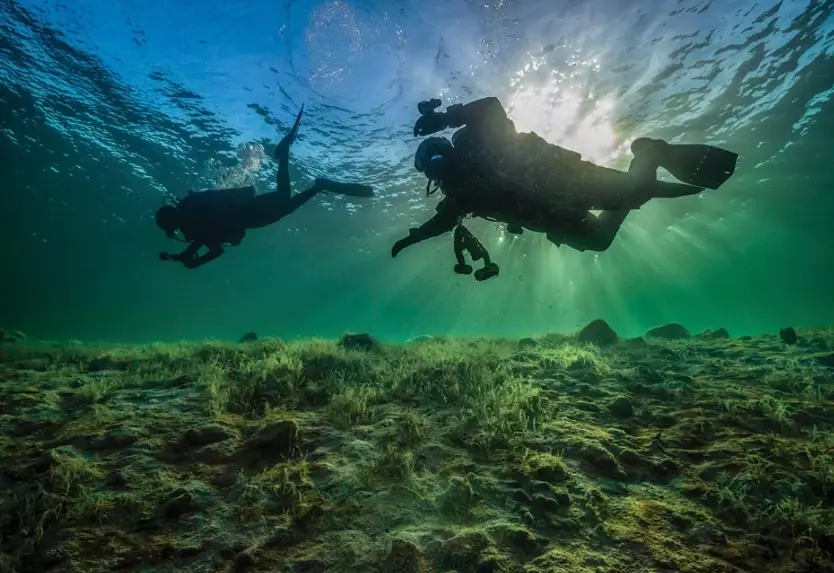
Where on Earth Can You Dive in a Desert?
This is the core of the question "is there scuba diving in Arizona?" The locations are the proof. They're scattered across the state, each with its own personality and draw. From popular training grounds to deep, cold alpine lakes, Arizona's underwater sites are as diverse as its above-ground terrain.
I remember my first dive here was at Lake Pleasant. I was skeptical. A lake? In the desert? But pulling up to the marina, seeing the boats and the dive flags, it hit me—this is a real thing. The community was out in force, from new students doing their checkout dives to seasoned tech divers prepping for deeper exploration.
The Major Dive Hubs: Lakes and Reservoirs
Most of the scuba diving in Arizona happens in its man-made and natural lakes. These are the accessible spots, often with facilities nearby.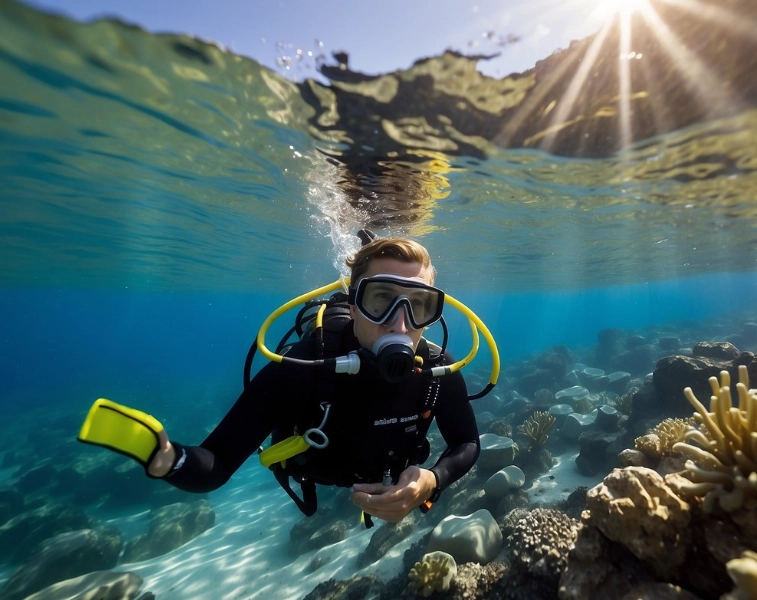
| Dive Site | Location (Region) | Key Features & Attractions | Best For | Notes & Considerations |
|---|---|---|---|---|
| Lake Pleasant | North of Phoenix | Submerged forests, old roads, buoyancy control platforms, frequent fish populations (bass, carp). The most popular training site in the state. | Training, buoyancy practice, open water certifications, recreational diving. | Visibility varies wildly (5-25 ft). Can get very busy with boats on weekends. Entry from the Scuba Point or 10-Lane area. A Maricopa County Parks pass is required for entry. |
| Canyon Lake | Tonto National Forest, East of Phoenix | Steep canyon walls that continue underwater, unique rock formations, generally clearer water than Pleasant. | More scenic recreational dives, underwater photography (when vis is good). | Smaller and more scenic than Pleasant. Water can be cooler. Managed by the Salt River Project (SRP). Check their recreation page for details. |
| Lake Powell | Northern AZ / Utah Border | Stunning red rock canyon walls, submerged canyons, unique geological formations. A truly world-class freshwater diving destination. | Advanced recreational divers, underwater photography, unique geological exploration. | This is a commitment. It's remote, best accessed by boat. Water is VERY cold below the thermocline. Permits and knowledge of the lake are essential. Part of the Glen Canyon National Recreation Area (NPS). |
| Lake Mohave | Western AZ / Nevada Border | Clearer water than most AZ lakes, submerged mining equipment, old settlements, diverse fish life. | Divers seeking better visibility, wreck-like structures, multi-day dive trips. | Part of the Lake Mead National Recreation Area. Often combined with Nevada-side diving. Strong currents can occur. |
Lake Pleasant is the workhorse. It's where probably 80% of new Arizona divers get certified. The underwater "forest" of drowned trees is eerie and cool, perfect for practicing navigation. The visibility can be terrible, though. I've had days where my dive buddy vanished if they were more than five feet away. It teaches you to rely on your gauges and touch, not just sight.
The Hidden Gems and Advanced Spots
Beyond the big lakes, there are spots that answer "is there scuba diving in Arizona?" with a more adventurous twist.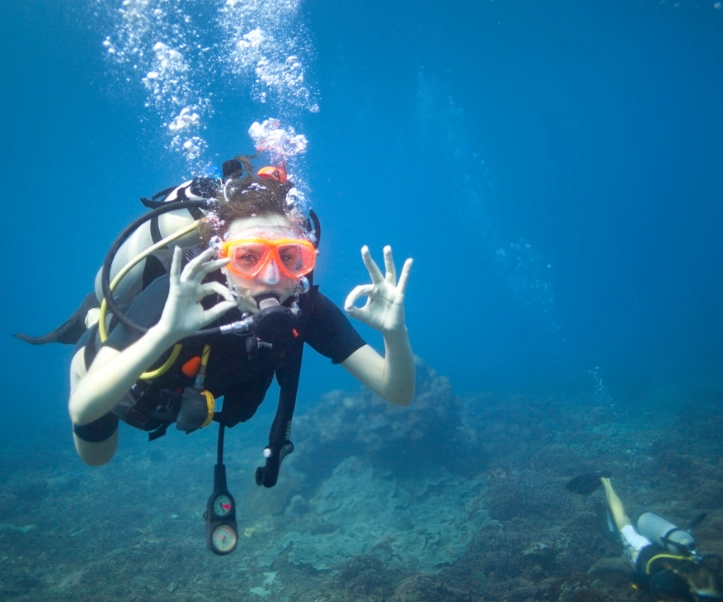
- The Colorado River (Below Dams): Areas below the Parker Dam or near Topock Gorge offer river diving. This is serious current diving and should only be attempted by trained, experienced divers with proper local guidance. The Arizona Game and Fish Department monitors fish populations here, and you can see some massive specimens in the constant, cool, oxygen-rich flow.
- High Country Lakes: Think Willow Springs Lake or Woods Canyon Lake up on the Mogollon Rim. The water is cold, often very clear, and the setting is beautiful pine forest. Diving here is seasonal (late spring to early fall) and feels more like diving in Colorado than Arizona. Altitude diving procedures are a must.
- Quarry Dives: There are a few flooded quarries used for training. They're private, often require affiliation with a dive shop, and are purpose-built with sunk platforms, vehicles, and structures for skill practice.
So, when someone asks if scuba diving exists in Arizona, you can tell them it's not just a few spots—it's a whole network of diverse freshwater environments.
What's It Actually Like to Dive Here? (The Real Talk)
Okay, so we've established there is scuba diving in Arizona. But what's the experience *really* like? It's not for everyone, and being honest about that is important.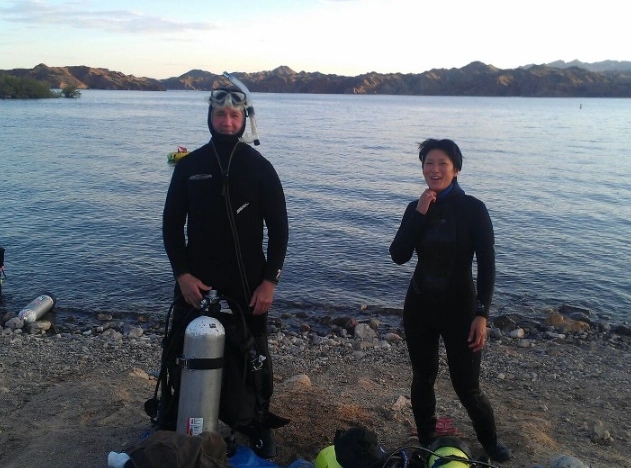
My first dive after getting certified in Arizona was in Cozumel. The dive guide was impressed with my buoyancy control and air consumption. I told him I learned in an Arizona lake with 10-foot visibility where you can't waste air or movement. He laughed and said, "Ah, so you learned in hard mode." That's kinda true. Diving here makes you sharp.
How to Get Started with Scuba Diving in Arizona
Maybe you're convinced. You want to answer the "is there scuba diving in Arizona" question for yourself, underwater. Here's the practical path.
Getting Certified or Taking a Refresher
If you're new, you'll need an Open Water Diver certification. Luckily, because there is scuba diving in Arizona, there are plenty of dive shops. Look for a shop that's affiliated with a major agency like PADI or SSI. The process is standard:
- Knowledge Development: Online or in-classroom learning.
- Confined Water Dives: Usually done in a pool to learn basic skills.
- Open Water Dives: This is where you hit the lakes—typically Lake Pleasant or a similar site—to perform four dives under instructor supervision.
Shop around. Visit a few stores, feel out the instructors. Their passion for local diving is a huge plus.
If you're certified but haven't dived in years (DAN recommends a refresher after 6-12 months of inactivity), most shops offer Re-Activate or Refresher programs. These are invaluable for getting your comfort back before jumping in a lake.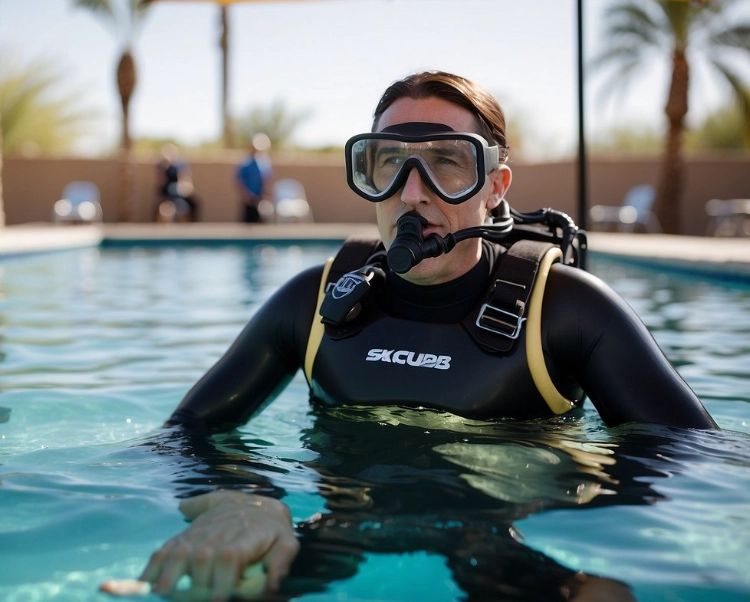
Gearing Up for Desert Dives
Your tropical 3mm wetsuit probably won't cut it. Here’s a quick list of what’s different or essential:
- Exposure Protection: A 5mm to 7mm wetsuit is standard year-round for most depths. Many divers use drysuits, especially in winter or for deep/long dives. Hoods and gloves are highly recommended.
- Lights: Even on day dives, a light is crucial for peering into structure and cutting through particulate matter in the water.
- Surface Marker Buoy (SMB) / Safety Sausage: Non-negotiable. Boat traffic is real on lakes like Pleasant. You must be able to signal your position during ascent.
- Dive Computer: Essential for managing depth, time, and safety stops, especially when dealing with thermoclines and potential altitude adjustments.
Beyond the Basics: Advanced Adventures and Community
Once you've got your sea legs—or lake legs—the world of scuba diving in Arizona opens up. This isn't just a novelty; it's a legitimate diving destination with a progression path.
Local dive shops offer advanced courses like Advanced Open Water, Nitrox, Dry Suit Diver, and even technical diving courses. Why Nitrox in a lake? It can extend your bottom time on deeper dives, like exploring the walls of Canyon Lake or specific deep areas of Powell.
The community is the secret sauce. Facebook groups like "Arizona Scuba Divers" are active. People post dive plans, look for buddies, share conditions, and sell gear. Joining a club or just connecting online is the best way to find buddies and learn about new sites. I've met some of my closest friends through this community.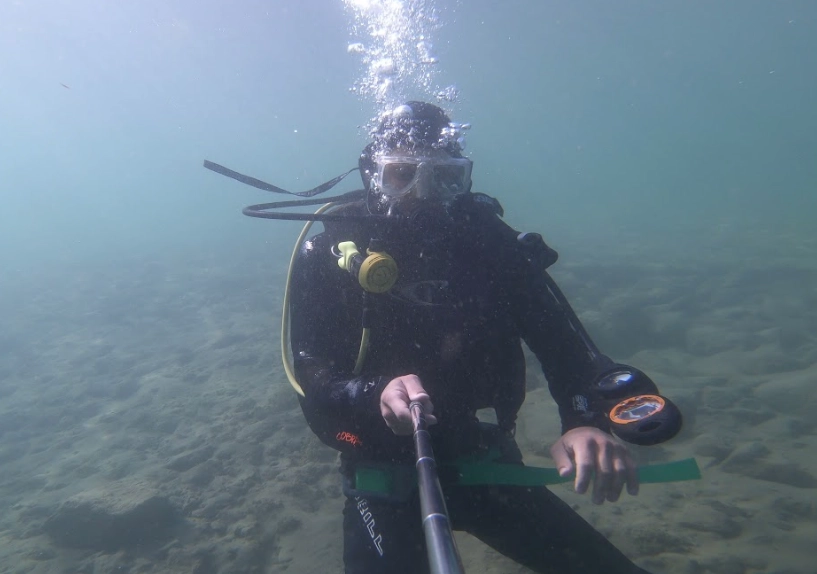
Frequently Asked Questions (What You're Really Wondering)
Is the water in Arizona lakes clean/safe to dive in?
Generally, yes. The major reservoirs are sources for municipal water and recreation. However, as with any freshwater body, there can be algae blooms (like cyanobacteria) occasionally. Always check for posted advisories from the Arizona Department of Health Services or the managing agency (like Maricopa County Parks for Lake Pleasant) before you go. A good rinse of gear after diving is standard practice.
Do I need a dive flag in Arizona lakes?
Yes, 100%. Arizona state boating laws require divers to display a diver-down flag (red with a white diagonal stripe) on the surface. This is critical for safety. Boaters are supposed to stay at least 150 feet away from a displayed flag. Using a float with a flag attached to your SMB line is the most common and effective method.
What's the best time of year for scuba diving in Arizona?
It depends on the site and your tolerance. For the Phoenix-area lakes (Pleasant, Canyon):
- Fall, Winter, Spring (Oct-May): Arguably the best. Air temps are pleasant (60s-80s F), water is cooler but more consistent. Visibility is often better as there's less recreational boating stirring up silt.
- Summer (Jun-Sep): It's blazing hot on the surface (100+ F), but the water is warm on top. The thermocline is severe. Dives require planning for the temperature shock. Afternoon monsoon storms can also roll in quickly.
Are there any underwater wrecks to explore?
Not historic shipwrecks like in the ocean. However, there are purposely sunk objects for divers. At Lake Pleasant, there are small planes, buses, and various structures placed over the years (their condition and location change). Lake Mohave has genuine historic mining equipment. Always get a local briefing on the condition and location of any "wreck"—they can be delicate and sometimes hazardous.
Can I go scuba diving in Arizona if I'm just visiting?
Absolutely! Many dive shops welcome visiting divers. You'll need to show your certification card and logbook. They can often rent you a full set of appropriate gear (thicker wetsuit, etc.) and might be able to connect you with a dive guide or a group going out. Planning ahead is key—call a shop before you arrive.
So, is there scuba diving in Arizona?
The answer is a definitive, adventurous, and refreshing yes. It shatters the stereotype of the desert state. It's a testament to the fact that the call to explore doesn't care about geography. The scuba diving in Arizona scene is alive, well, and waiting for anyone with a sense of adventure and a willingness to look beneath the surface—literally. It might not be the diving you see in magazines, but it's real, it's challenging, and it builds a skillset and a community that are second to none. Grab your gear, adjust your weights for freshwater, and come see what the desert is hiding.
Your comment