In This Article: A Quick Guide
- The Native Turtles of Arizona: Who Actually Lives Here?
- Where Exactly Can You Find Turtles in Arizona? (A Realistic Guide)
- Why Are Arizona's Turtles in Trouble? The Major Threats
- What To Do (And NOT Do) If You See a Turtle in Arizona
- Common Questions About Turtles in Arizona (FAQs)
- Final Thoughts: More Than Just a Yes or No
So you're looking at a map of Arizona, all that rust-colored desert and rugged mountains, and the question pops into your head: are there any turtles in Arizona? It seems like a fair question. When most people picture Arizona wildlife, they think of rattlesnakes, scorpions, coyotes, and maybe a roadrunner if they're lucky. Turtles? They seem like creatures belonging to green, watery places, not the arid Southwest.
I had the same thought years ago when I first moved here. I was used to seeing painted turtles basking on logs back East. The idea of a turtle surviving in what looks like a giant, sun-baked rock garden seemed far-fetched. But let me tell you, the answer is a resounding yes. And it's more fascinating than you might think.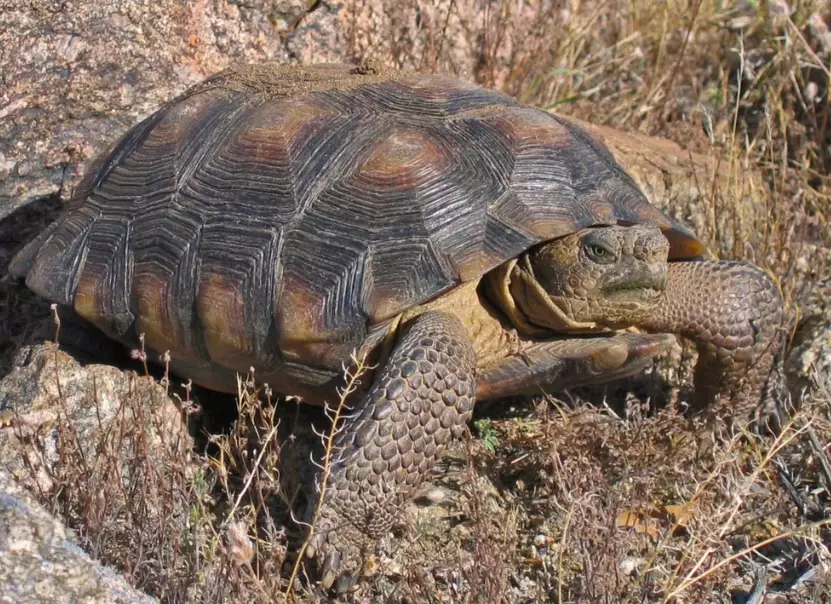
Arizona is home to several native turtle species, each a master of survival in a challenging environment. Their story isn't just about biology; it's about adaptation, resilience, and a quiet struggle for existence that often goes unnoticed. This isn't just a simple list of names. We're going to dig into where they live, how they survive, why some are incredibly rare, and what you should (and absolutely should not) do if you're lucky enough to encounter one.
The Native Turtles of Arizona: Who Actually Lives Here?
Let's cut to the chase. You didn't come here for maybes. You want to know exactly what kinds of turtles call Arizona home. The lineup is smaller than in wetter states, but each species is a specialist. Forget the idea of turtles needing a giant lake. These reptiles have figured out how to make do with what Arizona offers, which often isn't much.
The most famous, without a doubt, is the Desert Tortoise. But it's not the only one. We also have a couple of aquatic species that cling to life in Arizona's permanent rivers and a few others that might surprise you. I've put together a table below because seeing them side-by-side helps make sense of it all. This isn't just dry data; it's the starting point for understanding their world.
| Common Name | Scientific Name | Type (Aquatic/Terrestrial) | Primary Habitat in AZ | Conservation Status in AZ |
|---|---|---|---|---|
| Desert Tortoise | Gopherus agassizii | Terrestrial | Sonoran & Mojave Desert scrub, rocky slopes | Threatened (Federal), Protected (State) |
| Sonoran Mud Turtle | Kinosternon sonoriense | Semi-Aquatic | Permanent streams, cattle tanks, springs | Species of Greatest Conservation Need |
| Western Box Turtle | Terrapene ornata | Terrestrial | Grasslands, riparian areas in SE Arizona | Protected (State), Rare |
| Painted Turtle (Introduced) | Chrysemys picta | Aquatic | Park ponds, lakes (non-native populations) | Not Native - Introduced |
| Spiny Softshell Turtle | Apalone spinifera | Aquatic | Colorado River and its backwaters | Uncommon, Limited Range |
Looking at that table, the first thing that stands out is the Desert Tortoise's "Threatened" status. That's a big deal. It means there are legal protections in place, and for good reason. Their numbers have been dropping. The Sonoran Mud Turtle is also in trouble, clinging to the few reliable water sources left. The Western Box Turtle is like a ghost in the grasslands—some folks who've lived here for decades have never seen one.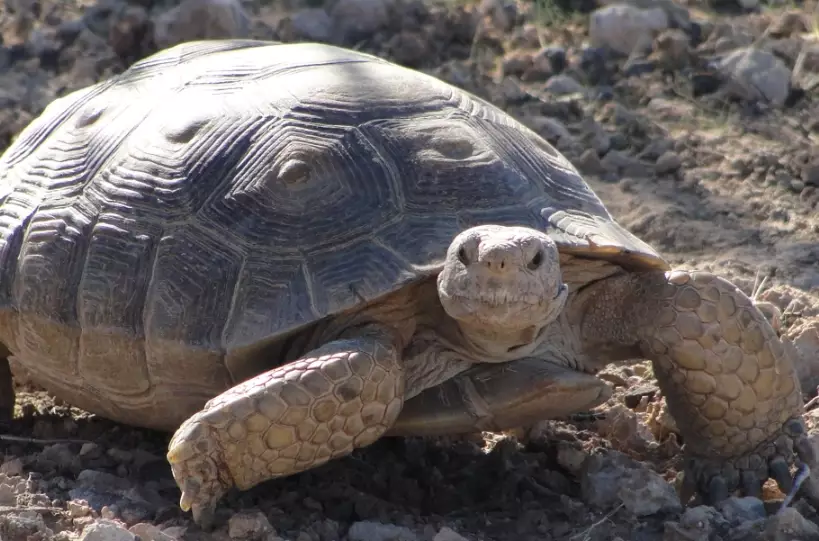
The Painted Turtle is the odd one out. You might see one sunning itself in a city park pond in Phoenix or Tucson. But here's the catch: those turtles likely didn't get there on their own. They're often released pets or descendants of released pets. They can survive, but they're not originally from here and can sometimes cause issues for native ecosystems. It's a weird quirk—the most commonly "seen" turtle in Arizona isn't even supposed to be here.
The Desert Tortoise: Arizona's Most Famous Shelled Resident
If any turtle defines the answer to "are there any turtles in Arizona," it's the Desert Tortoise. This isn't a water turtle. It's a land-dwelling, burrow-digging survivor of the hottest, driest places. I remember my first encounter wasn't in the deep wilderness but surprisingly near a suburban area during a hike. It was just sitting there, still as a stone, and I almost missed it. Their camouflage is incredible.
They spend up to 95% of their lives in burrows they dig themselves. This is their escape from the brutal summer heat and the winter cold. They come out during the milder months of spring and fall to feed on wildflowers, grasses, and cacti (yes, they eat prickly pear pads, spines and all!). They can store water in their bladders for months, which is a neat trick when it might not rain for half a year.
Their biggest threats aren't predators, but us. Habitat loss from development and solar farms is huge. Off-road vehicles crushing their burrows is another. Then there's upper respiratory tract disease, which can spread from sick tortoises to healthy ones. It's a tough life for an animal that can live 50-80 years.
The Arizona Game and Fish Department (AZGFD) is the main agency working on their conservation. They have detailed programs focused on habitat management and public education. You can learn more about their efforts directly on the AZGFD Desert Tortoise page, which is an absolute authority on the subject.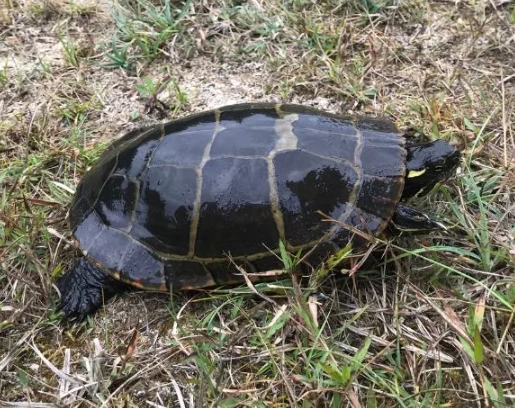
The Aquatic and Semi-Aquatic Turtles: Finding Water in the Desert
This is the part that really surprises people. How do water turtles live in a desert? The key is that Arizona isn't all dry sand dunes. We have the Colorado River forming our western border, the Gila River system (though often dammed and diverted), and precious perennial springs and cienegas (desert wetlands). These are the lifelines.
The Sonoran Mud Turtle is a true Arizona native aquatic turtle. It's small, dark, and unassuming. It lives in places like Sabino Canyon near Tucson or certain spring-fed pools. They're secretive. You're more likely to see evidence of them than the turtles themselves. Their populations are fragmented and isolated, which makes them vulnerable. If one spring dries up or gets polluted, that entire local population could be wiped out.
The Spiny Softshell Turtle is a real character. It looks like a pancake with a long snorkel nose. It lives in the Colorado River and its slower backwaters. They're fast swimmers and carnivorous, eating fish and insects. Seeing one always feels like spotting a living fossil.
And then there's the Western Box Turtle. It's terrestrial, but it needs more moisture than the desert tortoise. You'll only find it in the southeastern corner of the state, in the higher, grassier counties like Cochise or Santa Cruz. It has a beautiful, high-domed shell with yellow radiating patterns. They're incredibly rare now due to habitat loss and, sadly, people collecting them for the pet trade (which is illegal).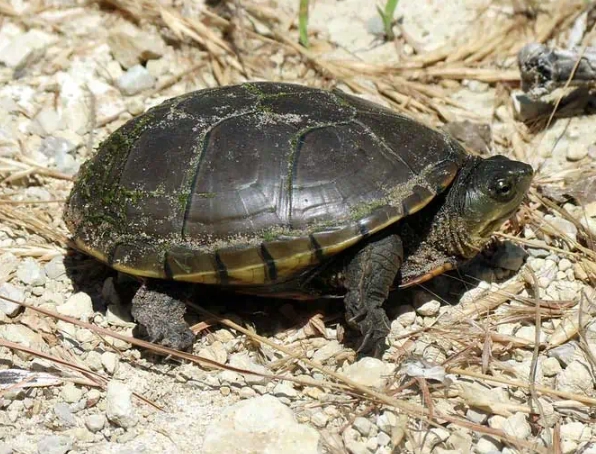
Where Exactly Can You Find Turtles in Arizona? (A Realistic Guide)
Okay, so we know they exist. The next natural question is, where? If I wanted to see one of these elusive creatures, where should I look? I need to manage expectations right away. You are not going to drive down any random highway and see turtles crossing the road like you might in Florida. Spotting a wild turtle in Arizona is a special event, a bit of luck mixed with knowing where to be.
For Desert Tortoises, your best bet is public lands in the Sonoran Desert northwest of Phoenix (like the Hassayampa River area) or in the Mojave Desert portion of northwestern Arizona. Think areas around Lake Mead or the Arizona Strip. Look for them in the morning or late afternoon during spring and fall. Focus on washes (dry riverbeds) and lower rocky slopes where they dig their burrows. Remember, they are masters of disguise.
For aquatic turtles like the Sonoran Mud Turtle, you need to find permanent water. This is tough. Some reliable spots include:
- Sabino Canyon Recreation Area (near Tucson): The stream here can hold mud turtles.
- San Pedro Riparian National Conservation Area: This is a ribbon of green in the desert and one of the most important wildlife corridors in the Southwest. It's a key area for several species.
- Along the Colorado River: From Lake Mead southwards, especially in backwater sloughs and quiet coves, for Spiny Softshells.
- Certain spring-fed pools on the Mogollon Rim: These are often on sensitive land, so access may be restricted.
The Western Box Turtle is the hardest. Your chance is basically zero unless you're on private land or very remote, protected grassland in the far southeast. Even biologists have a hard time tracking them.
And a word on those park pond Painted Turtles. Yes, you can see them easily at places like "The Lakes" in Chandler or Encanto Park in Phoenix. But it feels... different. It's like seeing a lion in a zoo versus one on the savanna. It's neat, but it doesn't answer the true spirit of "are there any turtles in Arizona" in the wild, native sense.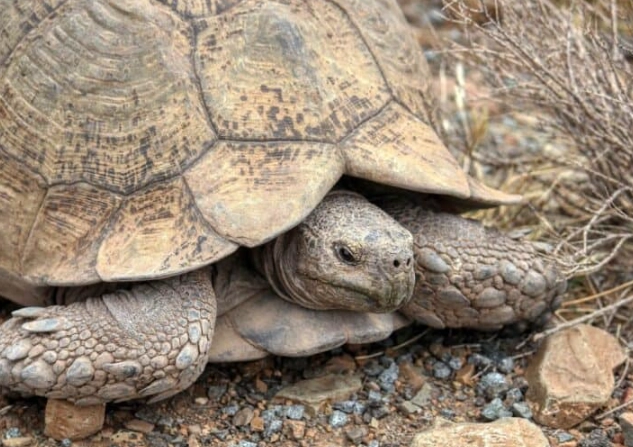
Why Are Arizona's Turtles in Trouble? The Major Threats
It's not enough to just know they're here. To understand their situation, you have to know what they're up against. Their struggles explain why seeing one is rare and why protection is so critical.
- Habitat Loss and Fragmentation: This is the giant one. Cities expand, roads get built, rivers get dammed, and groundwater is pumped for agriculture. A turtle's world is small. A new highway can cut off a population from its feeding grounds or breeding sites. A housing development can pave over a critical nesting area. For aquatic turtles, when a spring dries up because the water table drops, that's it. Game over for that group.
- Illegal Collection: This makes me angry. People still take turtles from the wild for pets, especially the striking Desert Tortoise and ornate Box Turtle. This is not a harmless act. Removing even a few adults from a small, struggling population can push it toward extinction. It's selfish, it's illegal, and it's devastating.
- Disease: The Upper Respiratory Tract Disease (URTD) in Desert Tortoises is a serious wildlife epidemic. It causes runny noses, lethargy, and death. It spreads when tortoises are in close contact, which can happen at unnatural densities or when sick captive tortoises are illegally released back into the wild.
- Climate Change and Drought: This is the slow-motion threat. Longer, hotter droughts mean fewer of the spring wildflowers tortoises eat. It means shallower, warmer water for aquatic turtles, which stresses them and reduces food. It changes the very fabric of their already harsh environment.
- Predation and Competition: Raven populations have boomed (often thanks to human garbage and landfills), and they are expert predators on tortoise hatchlings. Introduced species like bullfrogs and certain fish eat turtle eggs and compete with native aquatic turtles for food.
So when someone asks, "are there any turtles in Arizona," the full answer is: "Yes, but they're hanging on by a thread in many places, and they need our understanding more than our curiosity."
What To Do (And NOT Do) If You See a Turtle in Arizona
Let's say you get lucky. You're out hiking and you spot a tortoise lumbering across the trail, or you see a turtle slip into a pond. What now? This is where human behavior matters most.
- Observe, don't disturb. Use binoculars or a zoom lens. Keep a respectful distance.
- Never pick up a wild turtle unless it is in immediate, life-threatening danger (e.g., in the middle of a busy road). If you must move one for safety, move it in the direction it was heading, and place it well off the road. Wash your hands afterwards.
- Do not offer food or water. You can do more harm than good. Their digestive systems are specialized.
- Never take a turtle home. It is illegal for nearly all native species and often a death sentence for the turtle.
- Leave the habitat as you found it. Don't trample vegetation near burrows or water sources.
For Desert Tortoises specifically, there's an extra layer. You should not handle them at all. They can void their precious stored water bladder when frightened, which can lead to fatal dehydration later. Your selfie is not worth its life.
If you find a sick, injured, or clearly distressed turtle (especially one with a runny nose or kept in a backyard), you should report it. Don't try to be a wildlife rehabber yourself. Contact the Arizona Game and Fish Department. They have the permits, expertise, and facilities to handle it. Their website and regional offices are the official channel.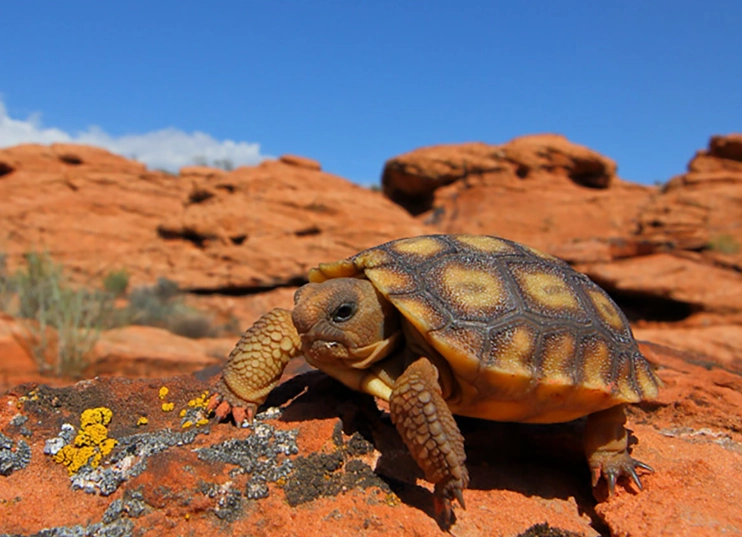
Common Questions About Turtles in Arizona (FAQs)
I get a lot of the same questions from friends and fellow hikers. Here are the straight answers.
Can I have a Desert Tortoise as a pet in Arizona?
You cannot legally take one from the wild. Full stop. There is, however, a legal and ethical alternative. The Arizona Game and Fish Department runs a "Adopt-a-Tortoise" program for captive-born tortoises that cannot be released into the wild (often former illegal pets). This is a serious, long-term commitment (they live longer than most dogs!), and you must have a secure, appropriate outdoor enclosure. It's not like getting a hamster. You can find all the strict requirements on their tortoise adoption page.
Why are turtles so rare in Arizona compared to other states?
Water. Or the lack of it. Turtles, even desert tortoises, need more moisture than, say, a lizard. Arizona's ecosystem is water-limited. Permanent, clean water sources are few and far between, which limits the food, nesting sites, and overall carrying capacity for turtle populations. They exist at much lower densities here.
I saw a turtle in my Phoenix/Tucson suburb backyard. What was it?
It was almost certainly a released or escaped pet, most likely a Red-eared Slider or a Painted Turtle. These are not native to the Arizona desert but are the most common turtles in the pet trade. They can survive in canals and backyard ponds but are not part of the natural ecosystem. Please do not release pet turtles into the wild—it's bad for them and for native wildlife.
What's being done to protect them?
A lot, but it's a constant effort. The AZGFD and federal agencies like the U.S. Fish and Wildlife Service monitor populations, protect critical habitat, work to reduce road mortality (sometimes with special "tortoise crossing" signs and fences), and run public education campaigns. Research on disease and habitat needs is ongoing. Conservation is a marathon, not a sprint.
Are there any sea turtles in Arizona?
No. This one makes me laugh, but I've been asked! Arizona has been landlocked for a very, very long time. No sea turtles. The closest you'll get is the aquatic Spiny Softshell in the Colorado River, which is about 300 miles from the ocean.
Final Thoughts: More Than Just a Yes or No
So, are there any turtles in Arizona? We've gone far beyond a simple yes. We've met the resilient Desert Tortoise, the secretive Sonoran Mud Turtle, the elusive Box Turtle, and the hardy survivors in the Colorado River. Their existence here is a testament to adaptation.
But their presence is fragile. Asking "are there any turtles in Arizona" today might get a different answer in 50 years if current threats aren't mitigated. That's the sobering part. They aren't just curiosities; they are indicators of the health of Arizona's fragile desert and riparian ecosystems.
The best thing you can do after reading this is be an informed advocate. Share what you know. Respect their space when you're outdoors. Support conservation organizations and the work of the Arizona Game and Fish Department. The goal isn't just to have turtles in Arizona, but to have thriving populations that are part of the landscape for generations to come. That's a future worth shell-ebrating. (Sorry, I had to end with one turtle pun. It's a rule somewhere.)
Comments