Your Quick Guide to Swimming with Sea Turtles
- Why the Florida Keys Are a Sea Turtle Haven
- Top Spots to Swim with Sea Turtles in the Florida Keys
- How to Have an Ethical & Safe Encounter
- Planning Your Trip: Guided Tour vs. DIY
- What to Bring & How to Prepare
- Answering Your Questions (The Real Stuff People Worry About)
- Beyond the Swim: Supporting Sea Turtles
- Final Thoughts Before You Go
Let's be honest. You're not just looking for another snorkeling trip. You're dreaming of that moment—gliding through clear, warm water, sunlight dancing on the sand below, and then seeing it. A shape, graceful and ancient, moving with a calm that feels otherworldly. A sea turtle. Maybe a Green Turtle methodically munching on seagrass, or a Hawksbill darting around a coral head. The Florida Keys offer some of the most accessible and reliable chances in the world to turn that dream into a memory you'll carry forever. But where do you even start? How do you make sure it's ethical, safe, and actually worth the hype?
I've been lucky enough to have dozens of these encounters over the years, from accidental run-ins while kayaking to planned trips with guides who know the turtles by name (seriously). Some days are pure magic. Others... well, you might see a lot of other people's fins. It's not always a solitary David Attenborough scene. That's why this guide exists. I want to cut through the Instagram perfection and give you the real, practical, and deeply exciting lowdown on how to successfully swim with sea turtles in the Florida Keys.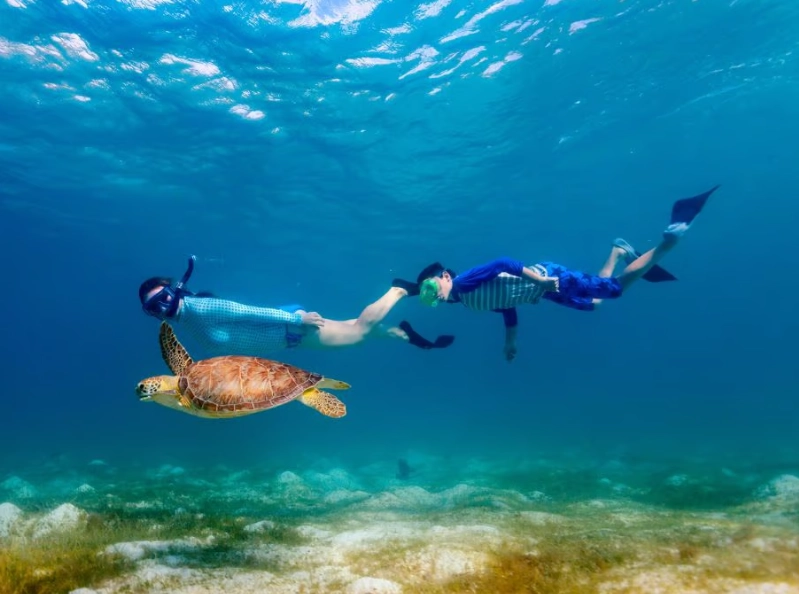
Why the Florida Keys Are a Sea Turtle Haven
It's not an accident that these waters are turtle central. The whole archipelago sits in a sweet spot. The water is shallow over vast areas, allowing sunlight to reach the seafloor and grow lush seagrass meadows—the favorite salad bar for Green Turtles. The living coral reefs provide structure, food, and cleaning stations for Hawksbills. And the sandy beaches of the lower Keys, while less developed for humans, are critical nesting grounds. Several species you might encounter are threatened or endangered, which makes seeing them a special privilege, not a given right. Organizations like the Florida Fish and Wildlife Conservation Commission (FWC) and the NOAA Fisheries work tirelessly on their conservation, which is something to keep in mind before you even get in the water.
Top Spots to Swim with Sea Turtles in the Florida Keys
You can find turtles all over, but some places are just more consistent. Here’s a breakdown of the top spots, from the famous to the slightly more secretive.
| Location | What You'll Likely See | Best For | Access & Notes |
|---|---|---|---|
| Sombrero Reef (Marathon) | Green Turtles, Hawksbill Turtles | Boat-based snorkeling; vibrant coral backdrop | Requires a charter or private boat. A protected marine sanctuary, so rules are strict. |
| Indian Key & Lignumvitae Key | Green Turtles (especially juveniles) | Calm, shallow seagrass beds; great for beginners | Accessible by kayak, paddleboard, or shallow-draft boat from Islamorada. |
| Looe Key Reef (Big Pine Key area) | Hawksbill, Green, occasional Loggerhead | Advanced snorkelers; dramatic coral formations | Boat access only. Stronger currents sometimes. Part of the Florida Keys National Marine Sanctuary. |
| The Waters around Bahia Honda State Park | Green Turtles | Combining a beach day with snorkeling | Can snorkel from shore near the old bridge pilings or take a short kayak trip. |
| Key West National Wildlife Refuge | Various species in natural, low-traffic settings | Adventurous types seeking solitude | Remote. Requires a knowledgeable guide or boat with permits. Not for casual trips. |
Sombrero Reef is probably the most famous spot to swim with sea turtles in the Florida Keys, and for good reason. The reef is healthy, the water is usually clear, and the turtles are accustomed to non-threatening visitors. But don't overlook the backcountry. The seagrass flats around the middle keys are where I've had some of my most peaceful, one-on-one encounters with younger Green Turtles. They're just going about their business, and if you float quietly, they often let you watch for ages.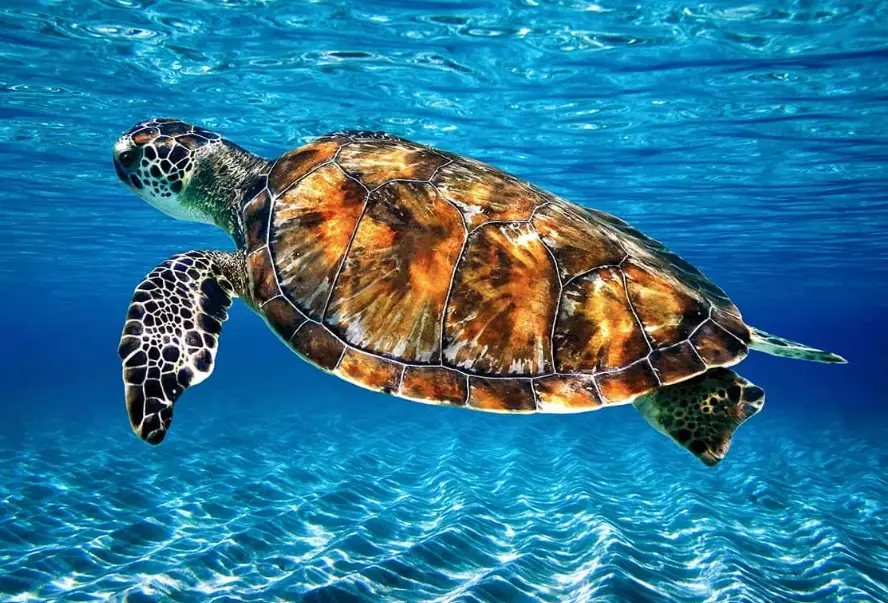
How to Have an Ethical & Safe Encounter
This is the most important section. Swimming with these ancient creatures is a gift. Acting like a jerk can stress them, disrupt their feeding, and get you (rightfully) yelled at by guides and other snorkelers. The Florida Keys National Marine Sanctuary has clear guidelines, and they're worth internalizing.
The Golden Rules of Turtle Etiquette
- Look, Don't Touch. I don't care how gentle you think you're being. Don't touch the shell, don't touch the flippers, don't try to ride it (yes, I've heard stories). Their shells have a sensitive layer, and human hands can remove protective mucus or spread bacteria.
- Give Them Space. Aim to stay at least 10 feet away. If the turtle moves away from you, you're too close. Full stop. The best encounters happen when the turtle approaches you out of curiosity, which does happen if you're calm.
- Move Slowly and Calmly. No frantic kicking or splashing. Use slow, gentle fin strokes. Imagine you're trying to be part of the scenery.
- Never Corner Them. Always leave them a clear path to the surface for air. Turtles can hold their breath a long time, but they shouldn't have to because you're blocking their way up.
- Respect the Habitat. Don't stand on coral or stir up sediment in seagrass beds. You're destroying their home and making the water murky for everyone.
It's simple: be a respectful guest.
What About Sunscreen?
This is a big one. Chemicals in many sunscreens (like oxybenzone and octinoxate) are proven to harm coral reefs and marine life. The Keys have even banned the sale of non-reef-safe sunscreens. Before you even think about swimming with sea turtles in the Florida Keys, get a mineral-based sunscreen with zinc oxide or titanium dioxide as the active ingredient. Apply it at least 15 minutes before you get in the water. Better yet, wear a rash guard or long-sleeved swim shirt. You'll use less sunscreen and get better sun protection.
Planning Your Trip: Guided Tour vs. DIY
This is the big decision. There's no single right answer, but your experience level and goals matter.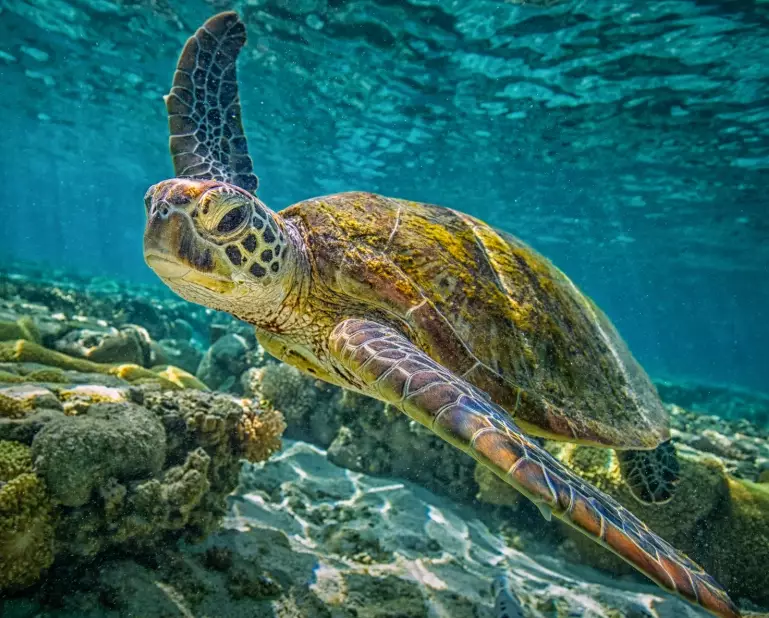
Going with a Guide (My Recommendation for First-Timers)
Pros: They know the exact spots where turtles are active that day. They provide gear, safety briefings, and will (hopefully) enforce good etiquette among the group. They handle the boat and logistics. Many are passionate naturalists who share fascinating facts.
Cons: Cost. You're with a group, which can feel less personal. Schedule is fixed.
How to Choose: Look for small group operators with explicit eco-friendly policies. Read reviews specifically mentioning turtle encounters, not just generic snorkeling. Ask them directly about their approach to turtle interactions.
The DIY Adventure
Pros: Freedom, solitude, and the thrill of discovery. It can be cheaper if you have your own gear and boat/kayak access.
Cons: You need solid navigation skills, knowledge of currents and weather, and your own equipment. Finding turtles is less guaranteed. You're solely responsible for your safety and ethics.
What You Need: A reliable vessel or kayak, snorkel gear, nautical charts or GPS, VHF radio, and a sharp eye for weather changes. Always file a float plan.
For your first time aiming to swim with sea turtles in the Florida Keys, I'd strongly lean towards a guide. They maximize your chances and minimize your headaches. I've done both, and the DIY days where I found nothing but jellyfish were... less magical.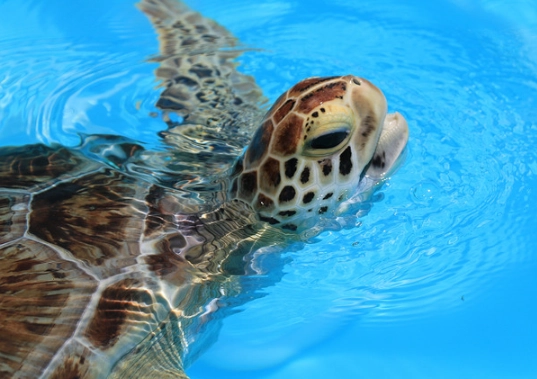
What to Bring & How to Prepare
Forgetting something can ruin the day. Here's your checklist:
- Reef-Safe Sunscreen & Lip Balm: Already mentioned, but it's that important.
- Swimwear/Rash Guard: A long-sleeved rash guard is the best purchase you'll make. It protects from sun and occasional jellyfish stings.
- Snorkel Gear: If you have your own well-fitting mask and snorkel, bring it. A leaky rental mask is misery. Fins are essential for moving efficiently without tiring yourself out.
- Waterproof Bag/Dry Bag: For your keys, phone, towel, and a dry shirt.
- Hydration & Snacks: Snorkeling is dehydrating. Bring more water than you think you need. Simple snacks like fruit or granola bars help replenish energy.
- Sea Sickness Remedy: Even if you think you're immune, a choppy ride out to the reef can change your mind. Take non-drowsy meds before you get on the boat, as directed.
- Waterproof Camera or GoPro: With a floaty handle! So many cameras end up on the ocean floor. Remember, no flash photography.
- Cash for Tips: If you're on a charter, tip your crew. They work hard.
Answering Your Questions (The Real Stuff People Worry About)
Generally, very safe for you. Sea turtles are not aggressive toward humans. They are wild animals, however. A bite is extremely unlikely but theoretically possible if you were, say, trying to hand-feed one (which you should NEVER do). The real danger is to the turtle from our actions. The main safety concerns for you are typical ocean risks: boat traffic, currents, sunburn, and dehydration. Always snorkel with a buddy, use a dive flag if from a private vessel, and be aware of your surroundings.
You can see them year-round because the water stays warm. However, late spring through early fall (May to October) often offers the calmest seas and clearest visibility, which makes finding them easier. Summer is also nesting season, so you might see larger females near shorelines. Winter can be windy, making some offshore spots rougher to access, but the water is still swimable.
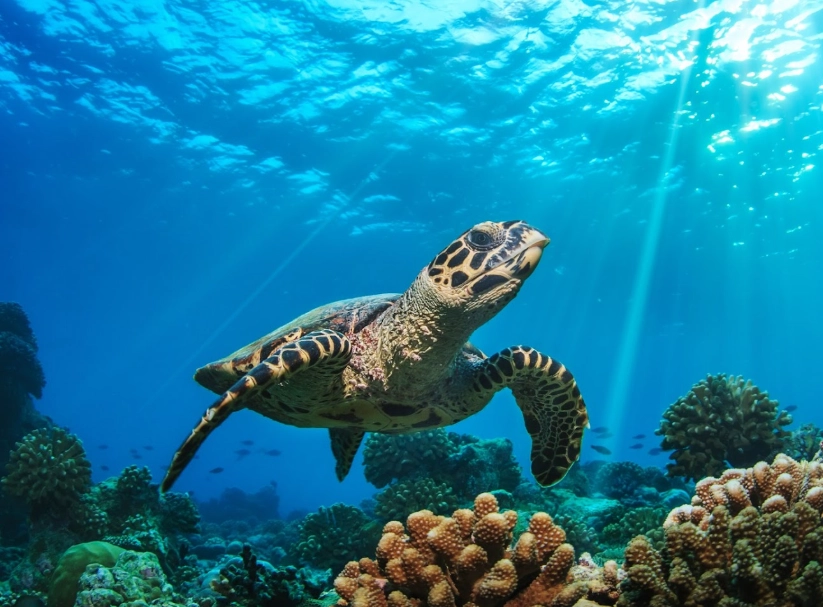
Primarily Greens and Hawksbills. Greens have a rounder, smoother shell and are often found over seagrass. Hawksbills have a distinctive overlapping shell pattern (like hawk's beak) and hang around coral reefs. You might also spot a Loggerhead (big head, powerful jaws) or, very rarely, a Kemp's Ridley. The Sea Turtle Conservancy has excellent species profiles to help you identify them.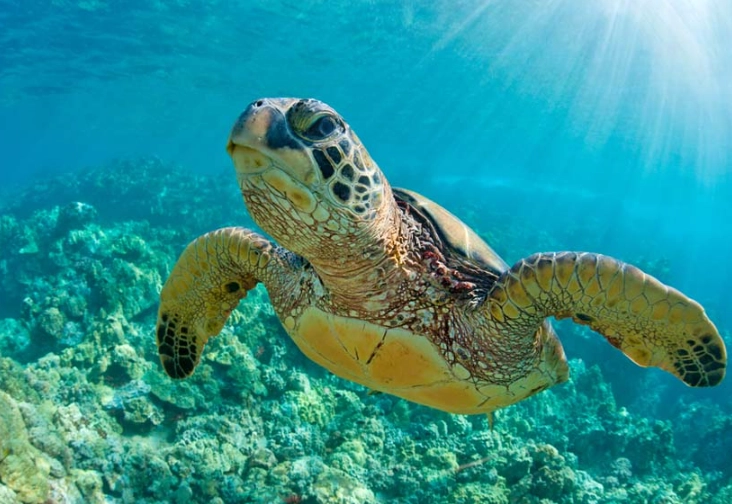
You can still do this! Many guided tours go to shallow, protected areas. Wear a snorkel vest (most tours provide them)—it helps you float effortlessly. Use fins to propel yourself with less effort. And communicate with your guide. They can suggest the best spots within the site for calmer water. The goal is to float and observe, not swim laps.
Beyond the Swim: Supporting Sea Turtles
The experience shouldn't end when you get back on the boat. Seeing these creatures creates a connection. Here’s how to make it matter:
- Choose Responsible Operators: Your wallet votes. Support businesses that prioritize animal welfare and habitat protection.
- Reduce Plastic Use: Plastic bags in the ocean look like jellyfish to turtles. They eat them and can die. Use reusable bags, bottles, and containers.
- Lights Out for Turtles: If you're visiting during nesting season (April-Oct), especially in the Lower Keys, close your blinds at night. Beachfront lighting disorients hatchlings trying to find the sea.
- Report Issues: See an injured turtle, poaching, or harassment? Call the FWC's Wildlife Alert Hotline: 1-888-404-FWCC (3922).
- Consider Donating: Groups like the Turtle Hospital in Marathon do incredible rescue and rehabilitation work. A visit or donation goes a long way.
It's about being a steward, not just a tourist.
Final Thoughts Before You Go
The dream of swimming with sea turtles in the Florida Keys is absolutely achievable. It's one of those rare travel experiences that lives up to the expectation, maybe even exceeds it. The key is to manage your own expectations. You're entering their world. Some days they're everywhere; other days they're shy. That's the nature of wildlife.
Plan well, choose your approach (guided vs. DIY) wisely, and pack your patience and respect along with your snorkel. When you finally see that turtle—its wise eyes, the effortless stroke of its flippers, the bubbles rising from its nose as it surfaces—you'll understand why people become so passionate about protecting them. It’s a glimpse into an older, slower, and more graceful world.
So go ahead. Book that trip. Get your reef-safe sunscreen. Practice floating calmly in a pool if you need to. The warm, turquoise waters of the Keys and its ancient, shelled residents are waiting. Just remember to look, wonder, and leave nothing behind but bubbles.
Your comment