Let's get the big one out of the way first: you cannot swim with wild sea turtles in Orlando. Orlando is inland. But that's the trick, and where most generic articles fail you. The magic happens on Florida's Space Coast and Atlantic shores, an easy day trip away. As someone who's logged hundreds of dives along this coastline, I can tell you that swimming with a sea turtle here isn't just a tick on a bucket list—it's a quiet, profound moment that stays with you. This guide cuts through the hype. We'll cover exactly where to go (with addresses and prices), how to pick a tour that doesn't stress the animals, what you'll actually experience in the water, and the subtle mistakes most first-timers make.
What's Inside This Guide
Where Exactly Can You Swim with Sea Turtles Near Orlando?
You have three main avenues, each with a totally different vibe and price tag. Think of it as a spectrum from "guaranteed and cushy" to "wild and wonderful."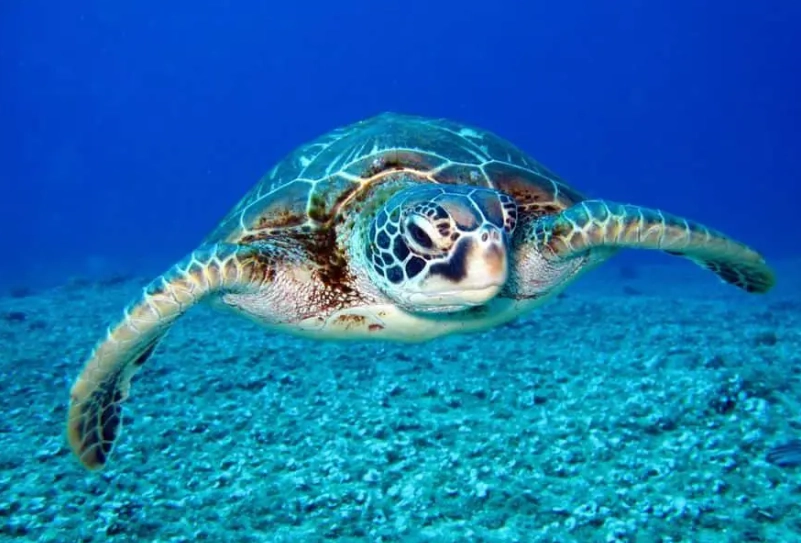
| Location | Drive from Orlando | Experience Type | Best For | Key Details |
|---|---|---|---|---|
| Discovery Cove (Orlando) | On-site | Controlled Lagoon | Families, non-swimmers, guaranteed sightings | All-inclusive resort. Pricey (~$200-$350). Reservations essential. Address: 6000 Discovery Cove Way, Orlando. |
| Cocoa Beach / Cape Canaveral | ~1 hour | Nearshore Reef & Jetty | Beginner snorkelers, shorter trips, lower cost | Multiple tour operators. Water can be murky. Turtles often near the Cocoa Beach Pier and protected jetties. Tours from ~$60-$90. |
| Daytona Beach / New Smyrna | ~1 hour 15 min | Open Ocean Reefs | Stronger swimmers, more "wild" feel, better visibility | Boats go to deeper reefs like "The Monster." More marine life diversity. Tours from ~$80-$120. Check seas before booking. |
Local's Tip: The "best" spot isn't about geography; it's about conditions. I always check two things the morning of a trip: 1) The NOAA buoy report for wave height and wind, and 2) Instagram geotags from recent tour operators. If the water looks green and choppy in Cocoa, I'll drive the extra 20 minutes to New Smyrna. That extra bit of homework is the difference between a mediocre float and an epic encounter.
Discovery Cove: The Guaranteed Encounter
This is the zero-stress option. You're swimming in a massive, meticulously maintained saltwater lagoon where turtles are residents. You will see them, often up close. The experience is incredible for kids or anyone anxious about open water. But it's not "wild." It feels more like a magical, interactive aquarium. The all-inclusive price covers gear, food, and even access to their free-flight aviary. It's a full-day resort experience, not just a snorkel trip.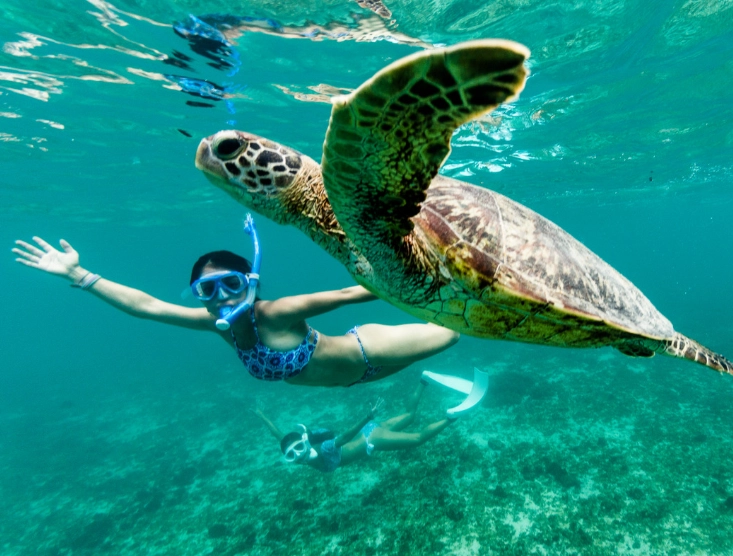
The Space Coast (Cocoa Beach): The Accessible Wild
This is where most guided tours operate. The turtles here are 100% wild, feeding on the sea grass beds and hanging around the rocky jetties that create calm water. Companies like Cocoa Beach Scuba or Sea Turtle Surf Shop run these trips. Visibility is the big variable—after rain or with onshore winds, it can drop to 5 feet. The secret? Go on a calm, sunny morning after a few dry days. The turtles are used to snorkelers here, so they're often relaxed if you are.
The Daytona Area: For the Adventurous Snorkeler
Heading north puts you near the deeper, clearer reef systems. Operators like Ponce Inlet Watersports will take you out to sites known for turtle traffic. The water is usually bluer here, and you might see other pelagics. This is a better choice if you have some snorkeling experience and don't mind a boat ride. The turtles feel more... serendipitous here. You're visiting their home, on their terms.
How to Choose a Sea Turtle Snorkeling Tour (The Right Way)
Not all tours are created equal. The wrong one can mean herded groups, stressed animals, and a disappointing day. Here’s what to look for, beyond the price.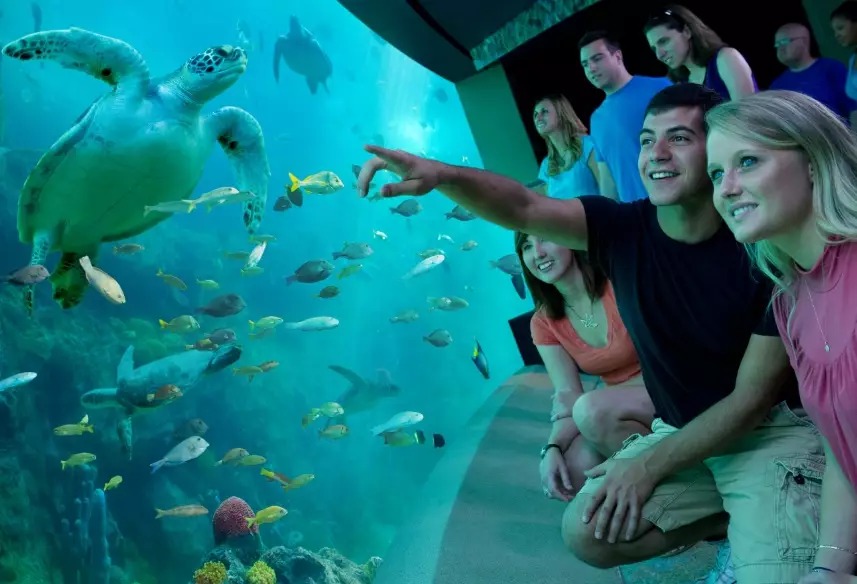
The Non-Consensus Rule: Avoid any tour that says "we guarantee you'll touch a turtle" or "they eat out of our hands." That's not ecotourism; it's harassment disguised as fun. A good guide's priority is the turtle's wellbeing, not your Instagram shot.
Group Size Matters More Than You Think. I've been on "cattle boat" tours with 30 people splashing into one spot. The turtles vanish. Look for operators that cap groups at 6-10 people per guide. It's quieter, more personal, and less invasive. It often costs a bit more, but the quality of the encounter skyrockets.
The Briefing is a Tell. A responsible operator will spend 10-15 minutes on land going over the rules: No touching. No chasing. No standing on the reef. Maintain a 10-foot distance. Use reef-safe sunscreen only. If they gloss over this, it's a red flag.
Ask About Their Conservation Tie. Do they partner with the Sea Turtle Conservancy (headquartered in Florida) or a local marine science center? Do they participate in beach cleanups? A company invested in the ecosystem is more likely to follow best practices.
What to Expect During Your Sea Turtle Swim Experience
Let's walk through a typical day with a good, ethical tour operator on the Space Coast.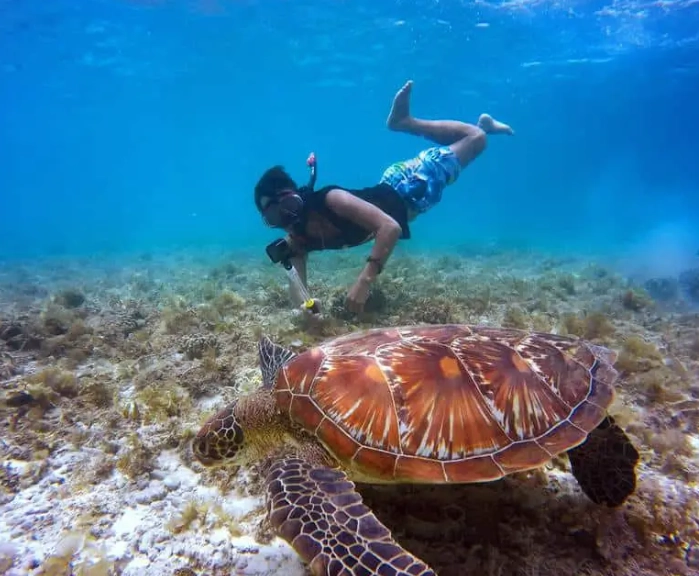
Morning Check-in (8:00 AM): You'll meet at a dive shop or a designated beach access point. They'll fit you for gear—mask, snorkel, fins, and a snorkel vest (non-negotiable for safety). This is when you should mention if you're not a strong swimmer. They might give you a foam noodle or extra float.
The Briefing (8:15 AM): The guide will explain the plan, the safety signals (like raising a hand if you need help), and the all-important turtle etiquette. Listen closely. They'll also point out other wildlife you might see: stingrays, sheepshead fish, maybe a small nurse shark.
Getting In (8:30 AM): You'll walk or take a short van ride to the entry point, often a calm beach area near a jetty. Everyone enters the water together, then the guide will lead the group slowly over the seagrass beds.
The Moment. You're floating face-down, breathing through the snorkel. The seagrass sways beneath you. Then, movement. A dark, graceful shape emerges from the green. It's a green sea turtle, maybe a loggerhead. It's methodically munching on grass. You freeze. It glances at you, one ancient eye taking you in, then goes back to eating. You slowly, slowly fin to keep a parallel course, never directly approaching. It allows you to drift alongside for a minute, two minutes, before with a powerful stroke of its flippers, it glides off into the haze. Your heart is pounding. That's it. That's the magic. It's not a petting zoo; it's a brief, respectful audience with a wild creature.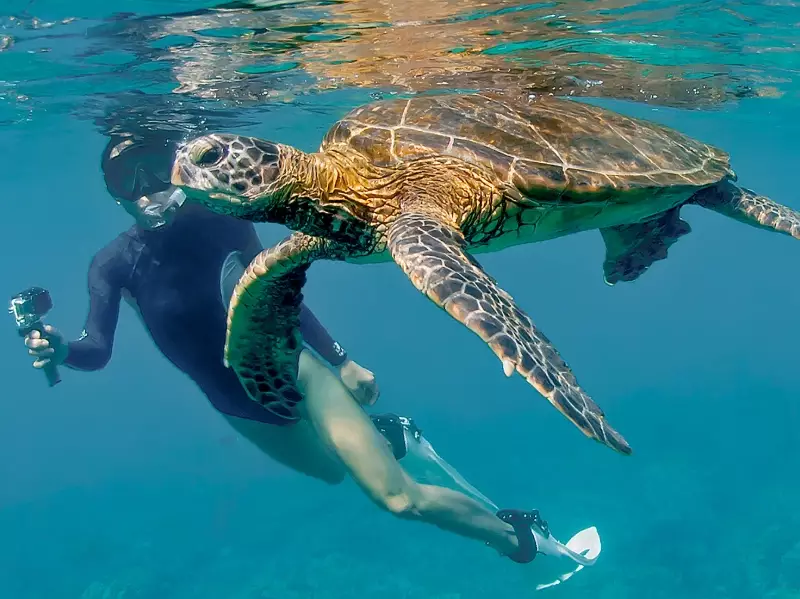
After the Swim: Back on shore, the guide will often talk about local conservation efforts and how you can help, like reducing plastic use or supporting nesting beach protections.
What to Pack (Beyond the Obvious)
- Reef-Safe Sunscreen: This is non-negotiable. Chemicals in regular sunscreen harm coral and turtles. Brands like Stream2Sea or Badger are great. Apply it 15 minutes before you get wet.
- A Rash Guard or Long-Sleeve Swim Shirt: Less sunscreen needed, and it protects from jellyfish larvae ("sea lice") common in summer.
- Water Shoes: The walk from the beach to the entry point can have hot sand or sharp shells.
- A Waterproof Camera or GoPro: But remember, experience first, photos second. Don't get so focused on the screen you miss the moment.
- Cash for Tip: If you had a great guide, tip them. They're your window to this world.
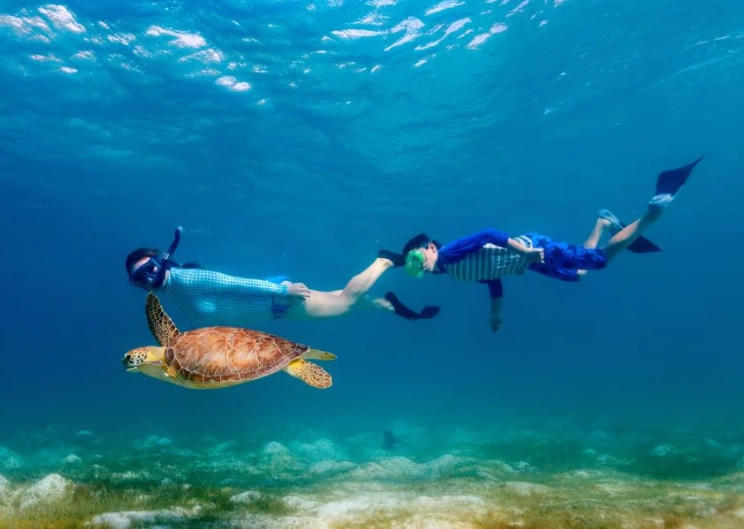
Your Sea Turtle Adventure Questions, Answered
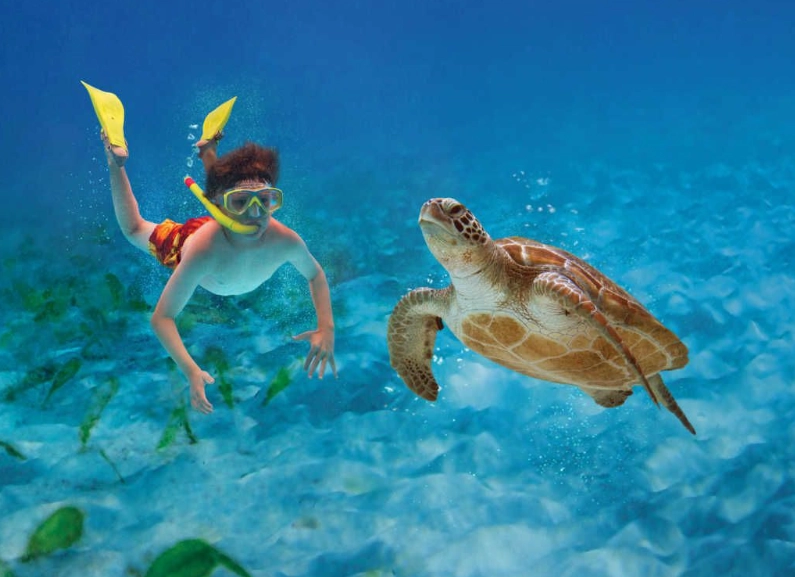
Swimming with sea turtles near Orlando is more than an activity; it's a privilege. By choosing the right location and a responsible operator, you're not just buying a ticket to a cool experience—you're voting for a kind of tourism that values the animal's peace over a photo op. That's how we ensure these ancient mariners are still gliding through the seagrass for generations to come. Now you're ready to plan a trip that's good for you, and good for the turtles.
Your comment