Quick Guide to the Content
- Where to Find Sea Turtles in Miami: Spots You Should Know
- The When and How: Timing Your Encounter for Success
- The Golden Rules: How to Swim with Sea Turtles Ethically & Responsibly
- Gearing Up: What You Actually Need to Bring
- Your Questions, Answered (The Real Stuff People Worry About)
- Beyond the Swim: How You Can Help Sea Turtles Thrive
Let's be real for a second. You've seen the pictures. Someone floating effortlessly in crystal-clear water, a giant, graceful sea turtle gliding right beside them, looking like something straight out of a nature documentary. And you thought, "I need to do that." If Miami is your destination of choice for this dream, you've landed in the right spot. This isn't just another listicle. This is the deep dive, the honest chat, the everything-you-could-possibly-need-to-know guide about how to actually make that dream of a Miami sea turtle encounter a reality—and do it right.
I remember my first time. It was off a quiet beach, not even on a formal tour. I was just snorkeling, minding my own business, when a shadow larger than my torso moved below me. My heart skipped. A huge green sea turtle, its shell dappled with sunlight, was chewing on seagrass, completely unfazed by my presence. That moment of quiet coexistence, of being a guest in its world, stuck with me more than any theme park ride ever could. That's the magic you're after. But between that magic and you stands a bunch of practical questions. Where do you even go? Is it ethical? What if you're not a strong swimmer?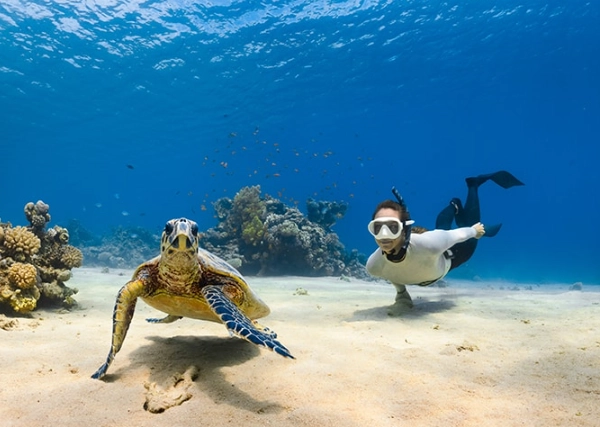
Bottom Line Up Front: Yes, you can absolutely swim with sea turtles in Miami. But it's not like swimming with dolphins in a cage. It's a wild encounter, which means it's unpredictable, requires respect, and happens on their terms. The key is knowing where, when, and how to maximize your chances while being a responsible visitor.
Where to Find Sea Turtles in Miami: Spots You Should Know
Miami's coastline and nearby reefs are part of a vital ecosystem for several sea turtle species. You're most likely to encounter Green Turtles, Hawksbills, and the occasional Loggerhead. Leatherbacks are rarer inshore. They don't hang out at the crowded South Beach shorebreak. You need to go where their food is: seagrass beds and healthy coral reefs.
Top Locations for Snorkeling & Swimming Encounters
Forget the idea of one secret spot. It's about habitat. Here’s a breakdown of the most reliable areas, from the well-known to the local favorites.
| Location | Type of Spot | What You'll Likely See | Skill Level Needed | Notes & Real Talk |
|---|---|---|---|---|
| Crandon Park & Key Biscayne | Protected Marine Zone | Green Turtles, rays, tropical fish | Beginner to Intermediate | The north end, near the sandbar, is famous. Calm, shallow waters make it a family-friendly option. Can get busy on weekends. |
| John Pennekamp Coral Reef State Park (Key Largo) | Underwater State Park (a drive from Miami) | Hawksbills, Reef Fish, Coral Formations | All Levels (via tour boats) | Yes, it's in the Keys, but it's the crown jewel for a reason. Book a snorkel tour—they know the cleaning stations turtles visit. |
| Haulover Sandbar & Nearby Reefs | Sandbar & Offshore Reefs | Green Turtles, occasional Loggerheads | Intermediate (boat access needed) | Best accessed by private boat or water taxi. The sandbar is a social scene, but swim towards the channel edges for wildlife. |
| Biscayne National Park (Homestead) | Vast National Park (95% water) | All local species, depends on site | Beginner to Advanced (boat required) | This is the wild card. Massive area. Joining a guided snorkel trip with the official concessionaire or a park-authorized operator is highly recommended to hit the right spots. |
| Quiet Beaches of Sunny Isles or Bal Harbour | Nearshore Reefs | Seasonal, more hit-or-miss | Intermediate | Early morning snorkel from the beach near reef lines can yield surprises. Lower probability but zero cost. |
See, it's not just one place. Your choice depends on your adventure style. Want a guaranteed, curated experience? A tour in Pennekamp or Biscayne National Park is your best bet. Prefer a more DIY, cost-effective day? Crandon Park is your spot, but go on a weekday morning.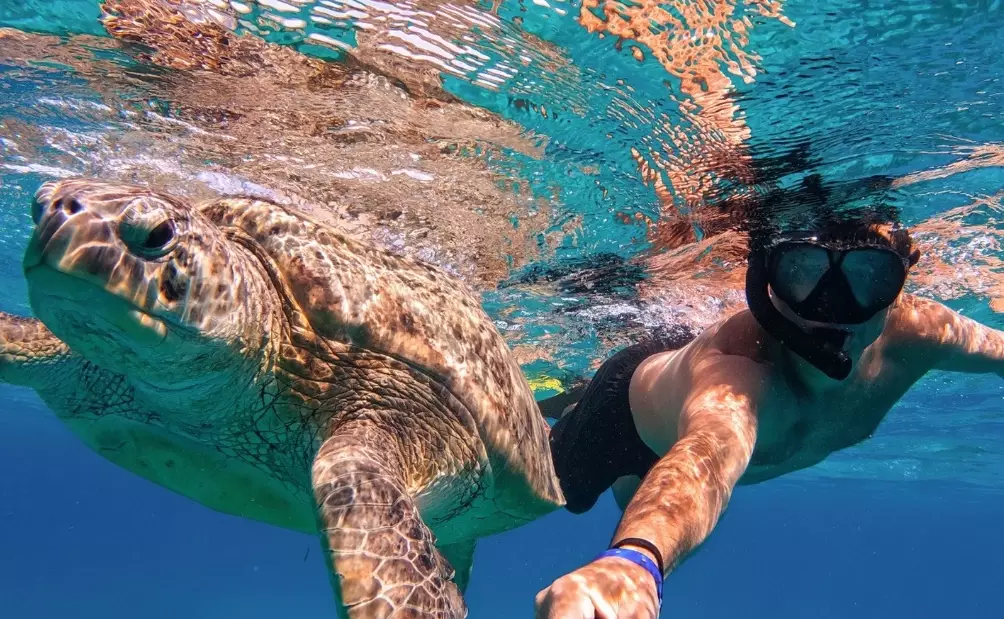
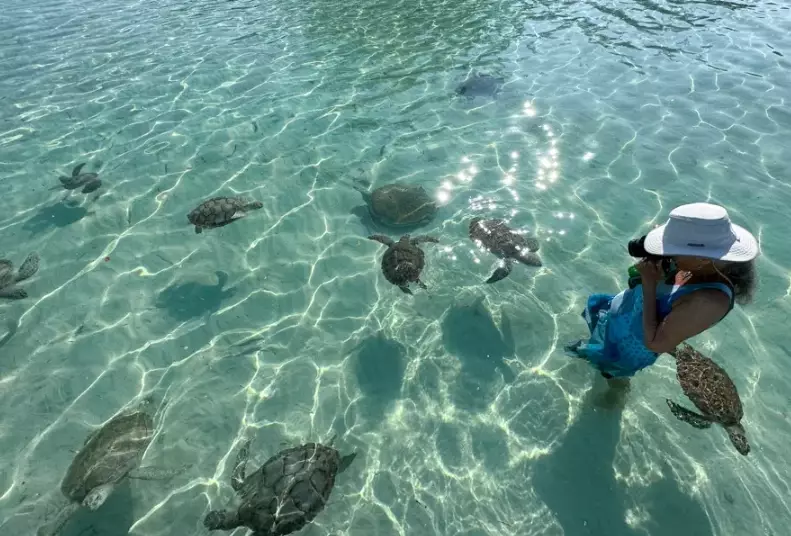
A word on Crandon Park: I've had days there where I saw three turtles in an hour, and other days where I just saw a lot of sand. It's nature, not a zoo. Patience is part of the deal. The turtles are often busy eating, so you observe from a distance. Chasing them is a surefire way to scare them off and be "that person" everyone glares at.
What About Boat Tours?
This is a huge question. The short answer: yes, there are specific tours that will take you to swim with sea turtles in Miami. But you have to choose wisely. Some are fantastic, eco-conscious operations. Others... feel a bit like wildlife conveyor belts.
A good tour operator will:
- Give a thorough briefing on how to interact with marine life (i.e., don't touch!).
- Use a spotter to locate turtles without harassing them.
- Limit group size.
- Support conservation efforts (ask them about it!).
- Have knowledgeable guides who can tell you about the turtle's behavior, not just point at it.
I'm hesitant to name specific companies because operations change, but look for ones affiliated with Florida Fish and Wildlife Conservation Commission (FWC) education programs or that are official concessionaires for state/national parks. Read recent reviews and look for keywords like "respectful," "educational," and "not crowded." If the ad is all about "guaranteed turtle selfies," run.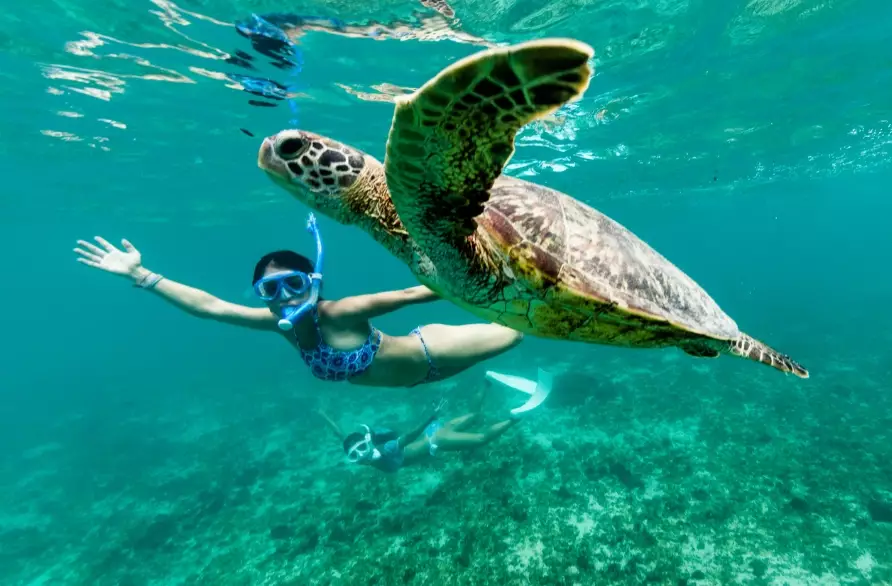
The When and How: Timing Your Encounter for Success
You can't just show up at midnight and expect a turtle parade. Timing matters, both for your success and for the turtles' well-being.
Best Time of Year
Sea turtles are present year-round in South Florida waters. However, your odds and the conditions change.
- Spring (April-June) & Fall (September-November): Arguably the sweet spot. Water is warm, visibility is usually good, and turtle activity is high.
- Summer (July-August): Peak sea turtle nesting season on beaches. While you'll see them in the water, be extra mindful. This is a critical, exhausting time for females. Also, afternoon thunderstorms and more boat traffic can be a hassle.
- Winter (December-March): Water can get cooler (by Florida standards—maybe low 70s°F). Some turtles may move to slightly deeper, warmer areas. It's less predictable for snorkeling, but still possible on warm, sunny days.
Best Time of Day
This is non-negotiable if you're going DIY: GO EARLY.
I mean, be in the water by 8:30 or 9:00 AM at the latest. Why?
- The water is typically calmer and clearer.
- Boat traffic is minimal, which means less noise and disturbance for the turtles (and you).
- Turtles are often more active in the morning, foraging for breakfast.
- You get the place (mostly) to yourself. By 11 AM, popular spots like Crandon can get crowded, and stressed turtles are shy turtles.
The Golden Rules: How to Swim with Sea Turtles Ethically & Responsibly
This is the most important section. Getting this wrong ruins the experience for everyone, especially the turtle. Interacting with protected marine life is a privilege, not a right.
DO NOT TOUCH THE TURTLES. EVER. I don't care how close it swims. I don't care how much you want that photo. Touching them removes a protective mucous layer from their skin and shell, making them vulnerable to infection. It's also illegal under the Endangered Species Act. You can be fined. More importantly, it's just a terrible thing to do to a wild animal.
Here’s your responsible interaction checklist:
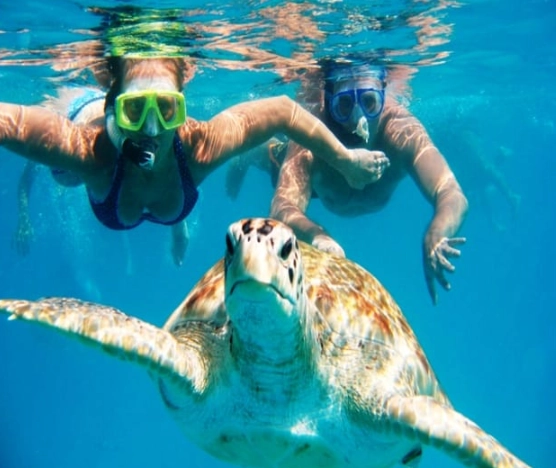
- Observe, Don't Pursue: Let the turtle control the encounter. If it swims away, let it go. Do not chase it. Your frantic kicking stresses it out and wastes its precious energy.
- Maintain a Safe Distance: A good rule is at least 6-10 feet. If the turtle changes its behavior because of you (stops eating, changes direction, swims faster), you're too close.
- No Flash Photography: Underwater camera flashes can disorient and scare turtles. Use natural light or video lights designed for marine life.
- Be Buoyant Aware: If you're snorkeling over seagrass or coral, master your buoyancy. Kicking up sand smothers the grass. Standing on or touching coral kills it. It's like bulldozing their supermarket and home. If you're not a confident floater, practice in a pool first or wear a snorkel vest.
- Leave No Trace: This includes your sunscreen. Use ONLY reef-safe, mineral-based sunscreen (zinc oxide/titanium dioxide). Chemical sunscreens (oxybenzone, octinoxate) bleach and kill coral, destroying the ecosystem that supports the turtles. Brands like Badger, Raw Elements, or ThinkSport are great. Apply it 15 minutes before getting in the water.
It sounds like a lot of rules, but it boils down to one thing: be a polite guest. You wouldn't run into someone's house, shout, and try to grab them. Don't do it in the ocean either.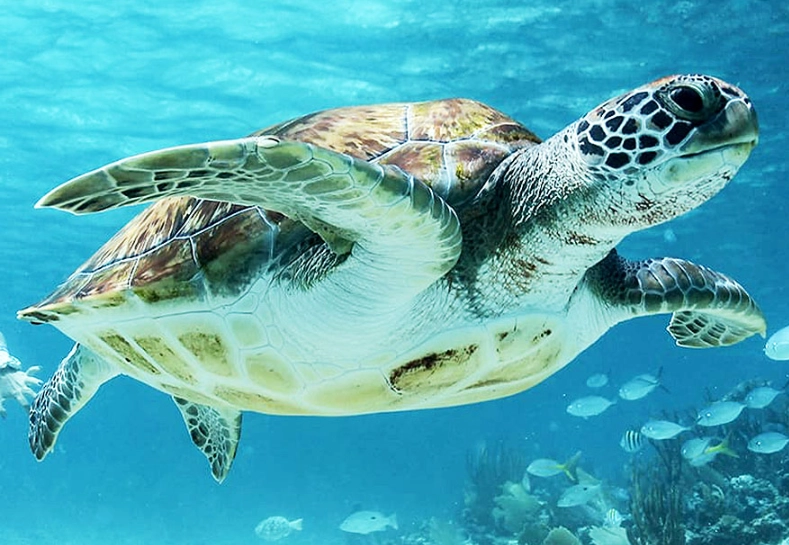
Gearing Up: What You Actually Need to Bring
You don't need a ton of fancy gear, but the right basics make all the difference between a magical hour and a miserable, foggy, sunburned ordeal.
The Non-Negotiable Packing List:
- Mask, Snorkel, & Fins: A good-fitting mask is #1. Nothing ruins a trip faster than a leaky mask. If you're serious, buy your own. Rental masks are often scratched and leaky. Fins help you move efficiently without kicking like a tornado.
- Reef-Safe Sunscreen: Already said it, saying it again. It's a must.
- Rash Guard or Wetsuit Top: A long-sleeve rash guard is the best invention ever. It protects your back from sunburn, prevents chafing from snorkel vests, and offers a bit of warmth. A 1-2mm top is perfect for year-round use in Miami.
- Water & Snacks: Snorkeling is dehydrating. Have water on the boat or beach. A post-snorkel snack is a great reward.
- Waterproof Bag: For your keys, phone, wallet. A simple dry bag is cheap insurance.
Nice-to-Haves:
- Underwater Camera: A GoPro or similar on a floaty handle. Remember: no flash, no chasing for the shot.
- Snorkel Vest: Even strong swimmers appreciate the extra restful buoyancy. It helps you float calmly and watch without treading water.
- Defogger: Baby shampoo in a tiny bottle works miracles. Spit works in a pinch, but it's less reliable.
Your Questions, Answered (The Real Stuff People Worry About)
Beyond the Swim: How You Can Help Sea Turtles Thrive
This experience often sparks a desire to help. Here are tangible ways to make a difference, long after your tan fades.
- Support Local Conservation: Organizations like the Nova Southeastern University Sea Turtle Conservation program do critical research. Donate or follow their work.
- Be Beach Smart During Nesting Season (May-Oct): If you're on a Miami beach at night, use only red-filtered flashlights (white light disorients hatchlings). Fill in sandcastles and holes that can trap turtles. Never approach a nesting female or hatchlings.
- Reduce Plastic Use: Sea turtles often mistake plastic bags for jellyfish. Using reusable bags and bottles directly reduces this threat.
- Choose Sustainable Seafood: Turtles get caught in fishing gear. Look for seafood certified by the Marine Stewardship Council.
- Spread the Word: Talk about what you learned. Tell people why they shouldn't touch turtles or use chemical sunscreen. Education is powerful.
Look, swimming with sea turtles in Miami isn't just an activity. When done right, it's a connection. It's a reminder that we share this planet with ancient, magnificent creatures. It's humbling. The goal isn't just to get a photo; it's to have a moment where you forget about your phone, your to-do list, everything, and just watch this prehistoric animal go about its day.
So plan your trip, pack your reef-safe sunscreen, manage your expectations, and go into the water with respect. The turtles are waiting. Hopefully, you'll get that moment of magic, that quiet glide alongside you, that you'll remember forever. Just remember to let them lead the dance.
Your comment