Let’s be honest. You’re not here for a poetic waxing about the majesty of sea turtles. You want to know where to go, when to go, and how to actually make it happen without stressing out. Maybe you’ve seen those perfect Instagram videos—someone floating effortlessly as a green turtle glides past—and you want that moment for yourself. I get it. I’ve been guiding snorkelers in Florida for over a decade, and I’ve seen the magic happen. I’ve also seen the disappointment when expectations don’t meet reality.
This guide cuts through the fluff. We’ll cover the top spots, from the famous Keys to a surprising little beach town where turtles are almost a guarantee. We’ll talk timing, gear, and the one critical mistake almost every first-timer makes. (Hint: It’s not about your swimming ability).
What’s Inside This Guide
The Top 5 Spots to Snorkel with Turtles in Florida
Not all turtle habitats are created equal. Some require a boat, others you can wade into from shore. Here’s the breakdown, based on accessibility, turtle likelihood, and overall experience.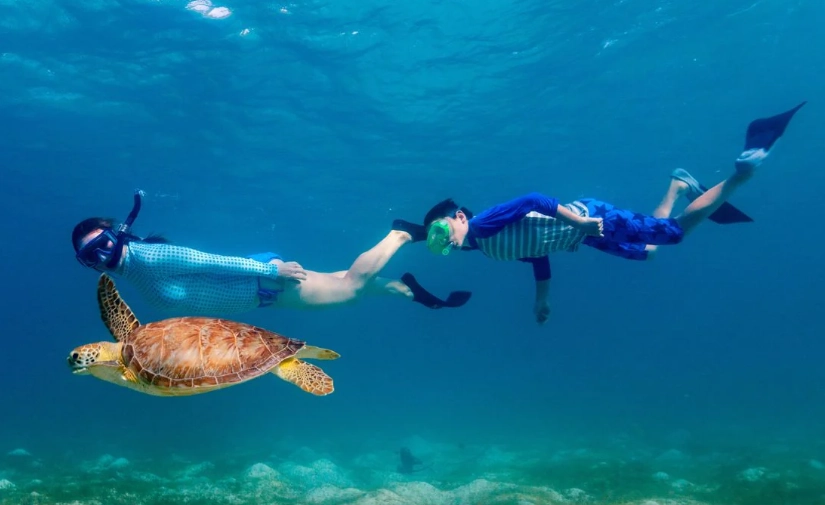
1. John Pennekamp Coral Reef State Park (Key Largo)
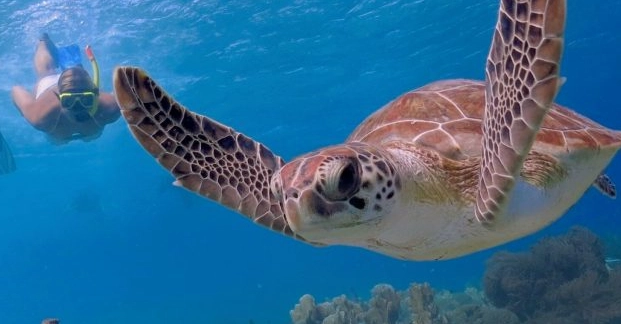
This is the granddaddy of Florida snorkeling. It’s a protected marine park, which means the ecosystem is healthier. You must go with an authorized tour operator—you can’t just swim out yourself. Trips go to offshore reefs like Molasses Reef or French Reef, which are cleaning stations for turtles. They come to have fish pick parasites off their shells.
The reality: You’re not guaranteed a turtle on every trip, but the chances are good. Even if you don’t see one, the coral formations and fish life are spectacular. It’s a full-day commitment. Tours run about 3-4 hours and cost $45-$60 per person, plus gear rental.
2. Crystal River & King’s Bay (West Coast)
This is a completely different ball game. Crystal River is about manatees in the winter, but in the summer? It becomes a haven for loggerhead and green sea turtles. The magic here is the water clarity from the natural springs and the sheer number of turtles. I’ve counted over a dozen on a single snorkel here.
You can snorkel from shore at Hunter Springs Park or Three Sisters Springs (when open), but the best action is often a bit further out. A local guide with a small boat can take you to turtle hotspots without the big tour crowds.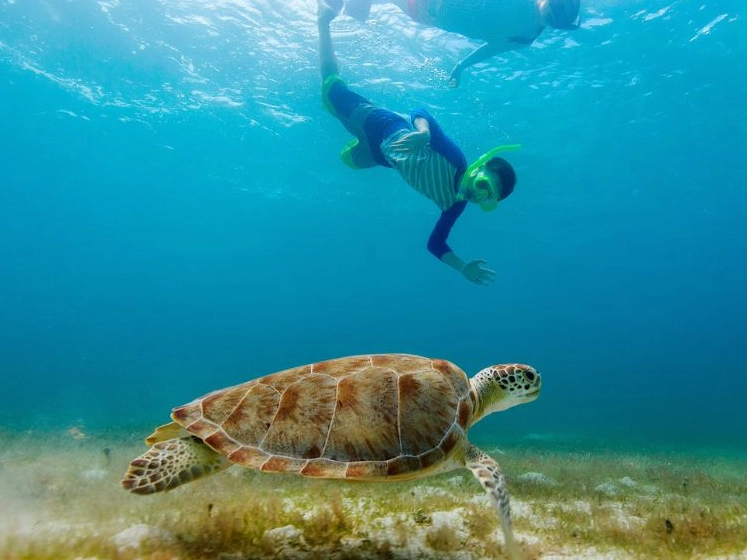
3. Lauderdale-By-The-Sea (Fort Lauderdale Area)
This is the secret weapon for easy, shore-based turtle snorkeling. Forget needing a boat. You park, walk across the beach, and wade in. The town has created a network of artificial reef modules and protected a natural coral stone reef very close to shore. It’s a buffet for green turtles.
I’ve been here dozens of times, and I’ve seen turtles on probably 80% of my visits. The best spots are around the Main Pier (Anglin’s Pier) and just north of it. Go at high tide for the best water clarity.
4. Bathtub Reef Beach (Stuart)
Another gem for shore snorkelers. A natural rock reef (the “bathtub”) creates a calm lagoon perfect for beginners. It’s a known grazing area for green turtles. The water is often clearer here than in Lauderdale-By-The-Sea, but it’s a smaller area. It gets busy, so again, early arrival is key.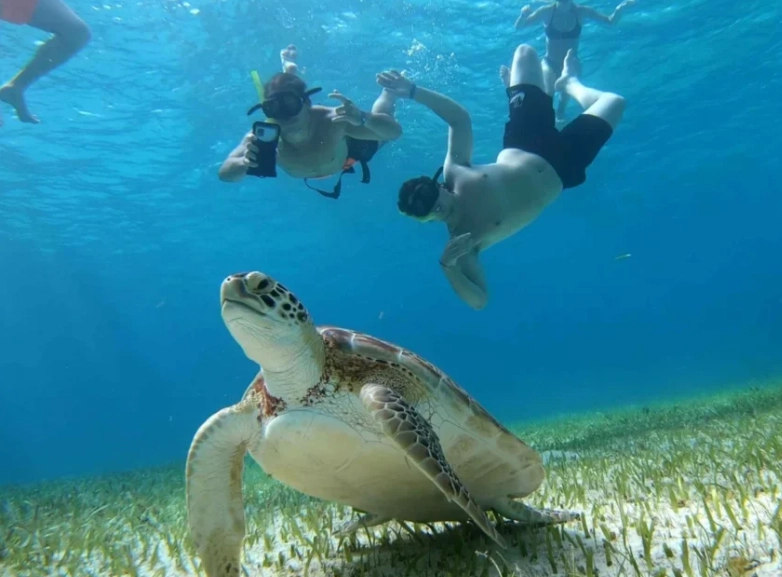
5. Looe Key Reef (Lower Keys)
If you’re up for a boat ride and want world-class reef snorkeling, Looe Key is hard to beat. It’s a marine sanctuary further offshore than Pennekamp. The reef is vibrant, and it attracts larger marine life, including turtles. You’ll need to book a specific trip from Big Pine Key or Marathon. It’s less crowded than the Key Largo sites but also more weather-dependent.
When to Go: Timing Your Turtle Adventure
Timing is everything, and it’s not just about summer vs. winter.
- Best Months: May through October is prime. Water temperatures are warm (above 80°F/27°C), which means turtles are more active and widespread. Summer also coincides with jellyfish season—a wetsuit or rash guard isn’t just for warmth, it’s for protection.
- Time of Day: Early morning (8-10 AM) is golden. The wind is usually down, making the water calmer and clearer. Afternoon winds can chop up the surface and reduce visibility. Turtles also tend to be more active in the morning.
- Tide: This is a local trick. Inshore spots like Lauderdale-By-The-Sea are best at high tide. More water over the reef means better swimming and often clearer water.
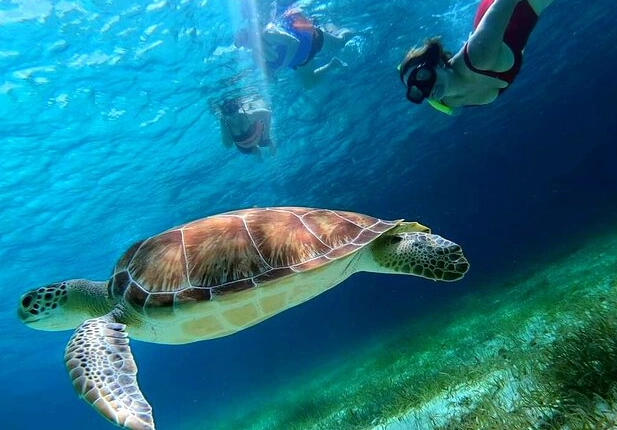
Gear Guide: What You Actually Need
You don’t need top-of-the-line everything, but getting the right basics makes a huge difference.
The Non-Negotiables:
- A Well-Fitting Mask: This is the #1 thing that ruins people’s days. If your mask leaks, you’re miserable. Test it in a pool or even the bathtub before your trip. It should suction to your face without the strap, just by breathing in slightly. Don’t just rent any random mask; if it leaks, ask for a different one.
- Fins: They give you propulsion and help you conserve energy. Open-heel fins with booties are more comfortable for shore snorkeling over rocks.
- Snorkel: A simple J-shaped snorkel is fine. Purge valves are nice but not essential.
Highly Recommended:
- A Rash Guard or Wetsuit Top: Sun protection is critical. A long-sleeved rash guard protects your back from sunburn and from accidental scrapes on coral or rock. In summer, a 1mm or 2mm top is perfect.
- Water Shoes or Booties: For getting in and out from shore. Florida beaches can have sea urchins, sharp rocks, or broken shells.
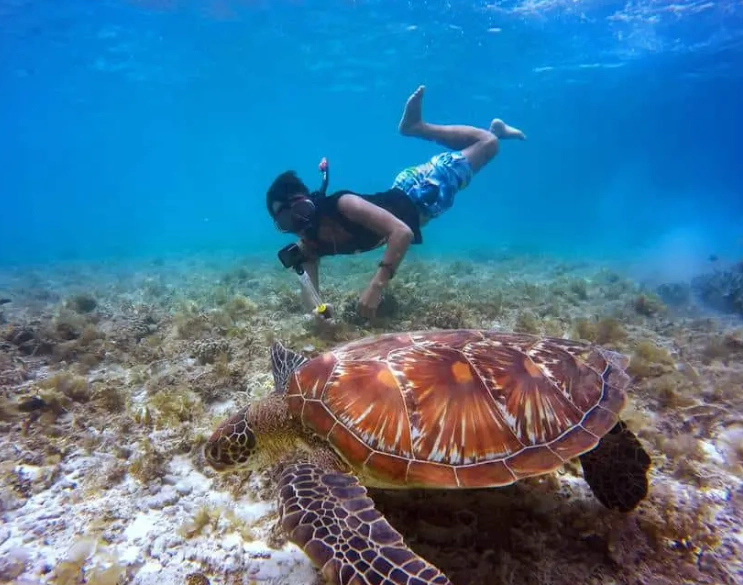
Turtle Etiquette 101: How Not to Be *That* Person
This is the most important part of the guide. I’ve seen people get so excited they chase turtles, trying to touch them or ride them. It’s awful, it’s illegal, and it stresses the animal.
The Golden Rule: You are a visitor in their home. Act like a polite guest.
- No Touching. Ever. Oils on our skin can damage their shells and skin.
- Maintain Distance. The rule is 10 feet (3 meters), but honestly, aim for more. If a turtle chooses to swim close to you, stay still and let it. Don’t paddle towards it.
- Never Chase. If a turtle swims away, let it go. You will never out-swim a sea turtle.
- Look, Don’t Touch Coral. Coral is a living animal. Touching it can kill it. Also, some fire coral can give you a nasty sting. Practice good buoyancy—don’t kick up sand with your fins.
- No Flash Photography. It can startle and disorient turtles and fish.
The best encounters happen when you find a good spot, relax, and just observe. Let the wildlife come to you. It’s a far more rewarding experience than any frantic chase could ever be.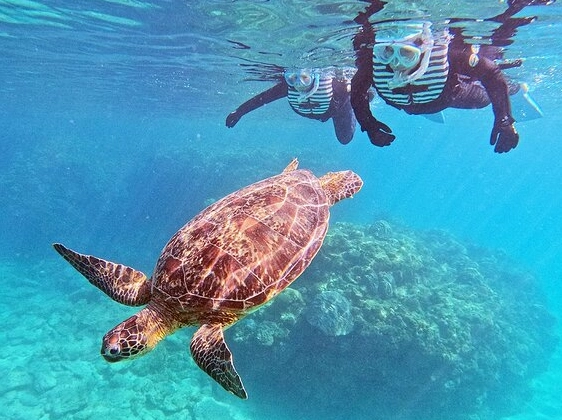
Your comment