Quick Guide
- The Rules of the Game: Is It Even Legal?
- Where to Find Them: Florida's Sea Turtle Hotspots
- Timing is Everything: When Can I Swim with Sea Turtles in Florida?
- Guided Tour vs. Going It Alone
- Gearing Up: What You Need for a Responsible Encounter
- The Moment of Truth: Your In-Water Turtle Etiquette Checklist
- Answering Your Burning Questions (FAQs)
- Beyond the Swim: Supporting Sea Turtles in Florida
Let’s cut right to the chase. That image in your head—gliding alongside a graceful sea turtle in clear, warm water—isn’t just a dream. It’s a real possibility in Florida. The short answer is a resounding yes, you can swim with sea turtles in Florida. But (and this is a huge but) it’s not as simple as jumping into any ocean and expecting a turtle buddy. It’s wrapped up in a bunch of rules, the right locations, a hefty dose of respect for the animals, and a bit of luck.
I remember my first time. I was snorkeling off the Florida Keys, just floating along, not expecting much. Then, out of the blue haze, this huge loggerhead turtle just materialized. It wasn’t scared. It just gave me a slow, curious blink and went about its business, munching on some seagrass. I froze, trying not to breathe too loudly through my snorkel. It was pure magic. But I also saw another snorkeler that day who chased after a turtle, trying to touch it. That moment of magic turned into a moment of frustration real quick. It taught me that the experience hinges entirely on how we approach it.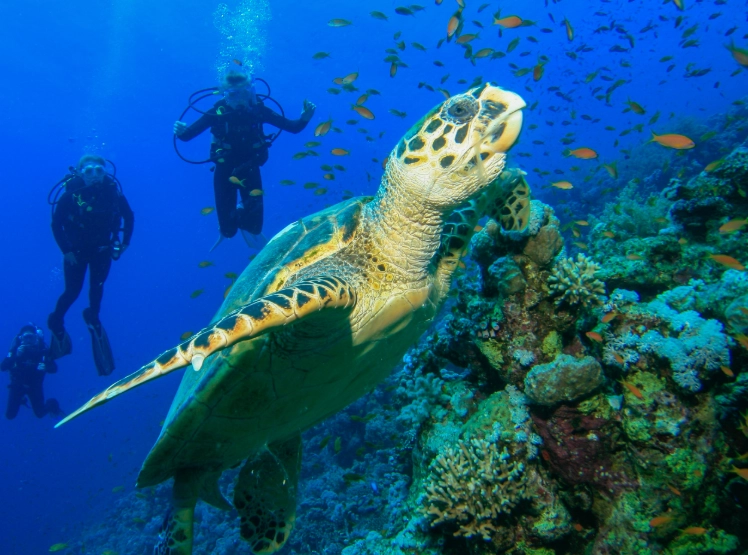
This guide is here to walk you through everything—the legal stuff, the best spots, the right season, and the unwritten rules of turtle etiquette. We’re going to answer that core question, can I swim with sea turtles in Florida, from every angle.
Key Takeaway First: Swimming with sea turtles in Florida is a privilege, not a right. These creatures are protected by state and federal laws. Touching, chasing, or harassing them is illegal. The goal is a passive, observational encounter where the turtle chooses to be near you.
The Rules of the Game: Is It Even Legal?
Before we get to the fun parts, we have to talk law. This is the most important section. Ignorance isn’t an excuse, and breaking these rules carries serious fines (we’re talking thousands of dollars) and is just plain bad for the turtles.
All species of sea turtles found in Florida are either threatened or endangered. They are protected by:
- The Endangered Species Act (Federal)
- The Florida Marine Turtle Protection Act (State)
What does this mean for you, the swimmer? It translates to some very clear DO NOTs:
- DO NOT touch them. Not even a little pat. Human hands have oils and microbes that can damage their shells and skin.
- DO NOT chase or circle them. You are in their home. Imagine a giant alien chasing you around your living room.
- DO NOT feed them. It alters their natural behavior and diet.
- DO NOT use flash photography. It can disorient them, especially at night.
- DO NOT get too close. A good rule is to stay at least 10-15 feet away. If the turtle starts swimming away, you’re too close.
The Florida Fish and Wildlife Conservation Commission (FWC) is the main authority here. Their website is a treasure trove of official info. I strongly recommend glancing at their marine turtle guidelines to hear it straight from the source. It boils down to this: observe, don’t disturb.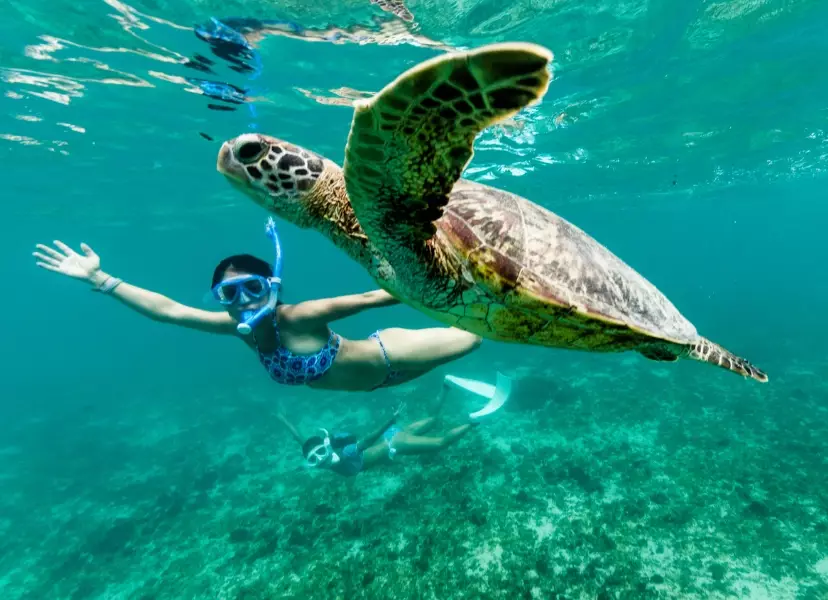
So, when people ask can I swim with sea turtles in Florida, the legal answer is “Yes, but only if you do it without interfering with them.”
Where to Find Them: Florida's Sea Turtle Hotspots
Not every beach in Florida is a turtle highway. These creatures are picky about their habitats—clean water, healthy seagrass beds or coral reefs, and quiet areas. Based on years of reports, local guide chatter, and my own travels, here are the top places where your chances of swimming with sea turtles in Florida are highest.
Personal Aside: I’ve had luck in the Keys and Palm Beach, but I’ve also had trips to supposedly “guaranteed” spots where we saw nothing but fish. It’s wild animals, not a zoo exhibit. Manage those expectations!
The Florida Keys: The Snorkeler's Paradise
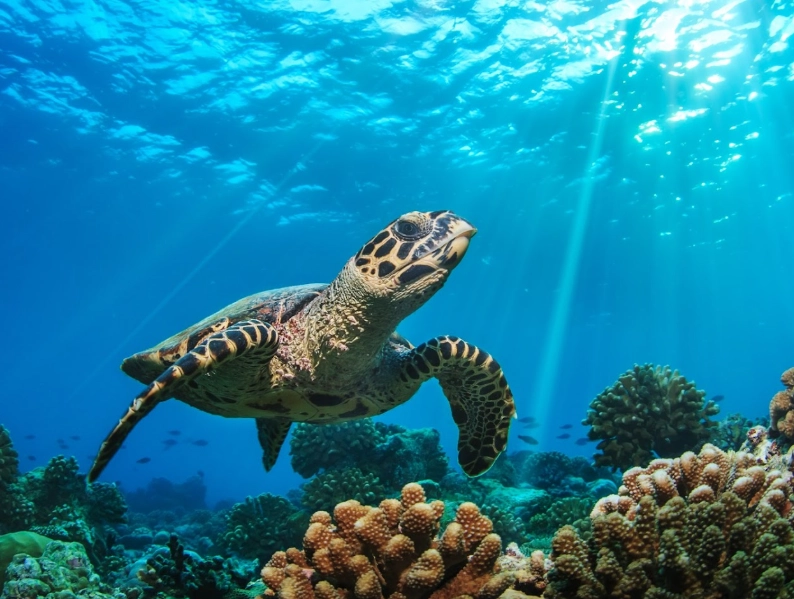
This is arguably the most famous region for consistent turtle encounters. The clear, shallow waters over coral reefs and seagrass meadows are a turtle buffet.
- John Pennekamp Coral Reef State Park (Key Largo): America’s first underwater park. Book a snorkel tour with one of their authorized operators. The reefs here, like the famous Christ of the Abyss area, are frequented by greens and hawksbills. It’s organized, which is great for beginners.
- Sombrero Reef (Marathon): Accessed by boat, this is a vibrant reef system. The mooring buoys help protect the coral, and turtles are often seen cruising along the reef drop-offs.
- Looe Key Reef (Lower Keys): A protected sanctuary with spectacular coral formations. The water clarity is often exceptional, making it easier to spot turtles from a distance. I’ve seen more turtles here per trip than anywhere else.
Southeast Coast: The Gulf Stream's Gift
The warm Gulf Stream flows close to shore here, bringing in nutrients and marine life. The reefs are a bit further offshore, so you’ll need a boat.
- West Palm Beach / Riviera Beach: Don’t let the city backdrop fool you. The reefs off these coasts, like Breakers Reef and Phil Foster Park (a snorkeling trail under a bridge!), are surprisingly teeming with life. Loggerheads are common here.
- Fort Lauderdale: Several artificial reefs and natural ledges attract turtles. Operators here know the specific “cleaning stations” where fish clean parasites off turtles—a phenomenal sight.
- Pompano Beach: Similar to its neighbors, with a variety of reef sites known for turtle activity.
Southwest Coast & The Gulf
The water is generally calmer and less clear than the Atlantic side, but opportunities exist, especially around natural and artificial structures.
- Naples & Marco Island: The artificial reefs and ledges here can be productive. It’s less crowded than the east coast, which can mean a more peaceful experience.
- Egmont Key (Tampa Bay Area): A state park island accessible by ferry. The seagrass beds around the island attract foraging turtles. It’s more of a “see them while you’re swimming” than a dedicated turtle dive site.
To make this easier to digest, here’s a quick comparison of the top spots:
| Location | Typical Turtle Species | Best For | Water Clarity | Need a Boat Tour? |
|---|---|---|---|---|
| Florida Keys Reefs | Green, Hawksbill, Loggerhead | Consistent sightings, organized tours | Excellent | Usually Yes |
| SE Florida (Palm Beach) | Loggerhead, Green | Larger turtles, drift dives | Very Good | Yes |
| SW Florida (Naples) | Loggerhead | Less crowded, calmer waters | Good (can vary) | Yes |
Timing is Everything: When Can I Swim with Sea Turtles in Florida?
You can’t just show up in January and expect the same odds as in July. Turtle activity follows nature’s calendar.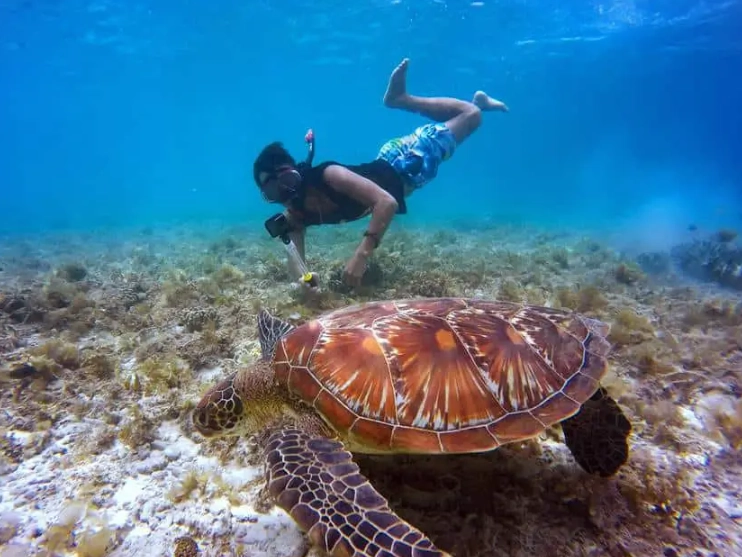
Best Season (Water Visibility & Activity): Late spring through early fall (May – September). This is the sweet spot. The water is warm, storms are less frequent (calmer seas mean clearer water), and turtle activity is high. Summer is peak season for visitors and turtles alike.
Turtle Nesting Season (A Special Consideration): This runs from March 1st to October 31st on Florida’s Atlantic coast and from May 1st to October 31st on the Gulf coast. This is when females come ashore at night to lay eggs. Do not interfere with nesting turtles or hatchlings. If you’re on the beach at night, use only red-filtered flashlights (no white light) and avoid marked nests. This period doesn’t hinder swimming with them offshore; in fact, it means there are more turtles around!
Worst Time: Winter (December – February). Water temperatures can drop, making some turtles less active or prompting them to move to slightly warmer areas. The weather is also more unpredictable, leading to choppier seas and poorer visibility. It’s not impossible, but your chances are significantly lower.
So, if you’re planning a trip specifically to swim with sea turtles in Florida, target the summer months.
Guided Tour vs. Going It Alone
This is a big decision. Here’s my blunt breakdown.
Going with a Reputable Guide
Pros:
- They know the spots. Local captains have years of knowledge about where turtles are hanging out that day, based on currents, water temp, and recent sightings.
- They handle logistics. Boat, gear, safety briefing—it’s all done for you.
- They enforce (or should enforce) good ethics. A good guide will brief you thoroughly on how to behave and will call out anyone harassing wildlife.
- Access. The best reefs are almost always only accessible by boat.
Cons:
- Cost. It’s obviously more expensive than walking into the ocean.
- Group dynamics. You’re with other people. A bad apple can spoil the vibe.
- Schedule. You’re on their timetable.
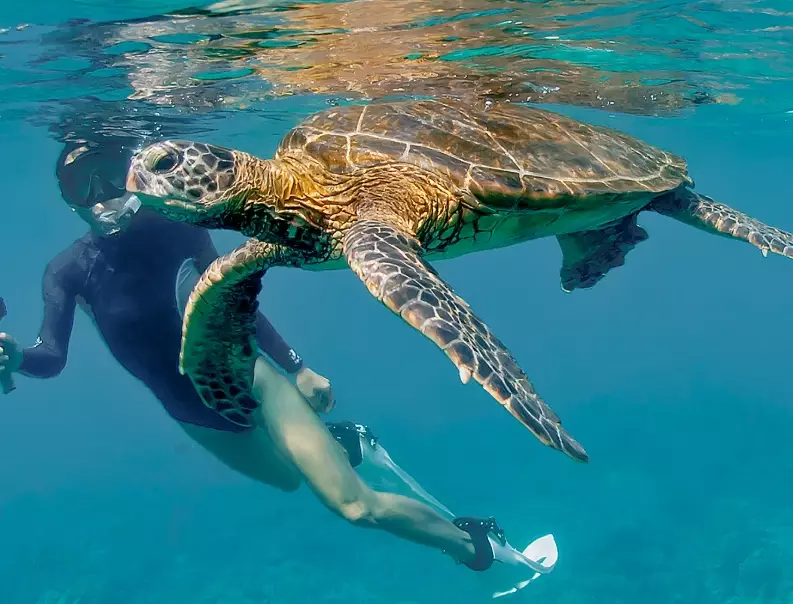
Trying Your Luck on Your Own
Pros:
- Free (or very cheap).
- Freedom and solitude. It can be a more personal experience.
Cons:
- Limited access. You’re restricted to shore-accessible areas, which are fewer.
- Lower odds. Without local knowledge, you’re hoping for luck.
- Safety. You need to be a confident swimmer/snorkeler and aware of currents.
- Ethical risks. No one is there to guide your behavior.
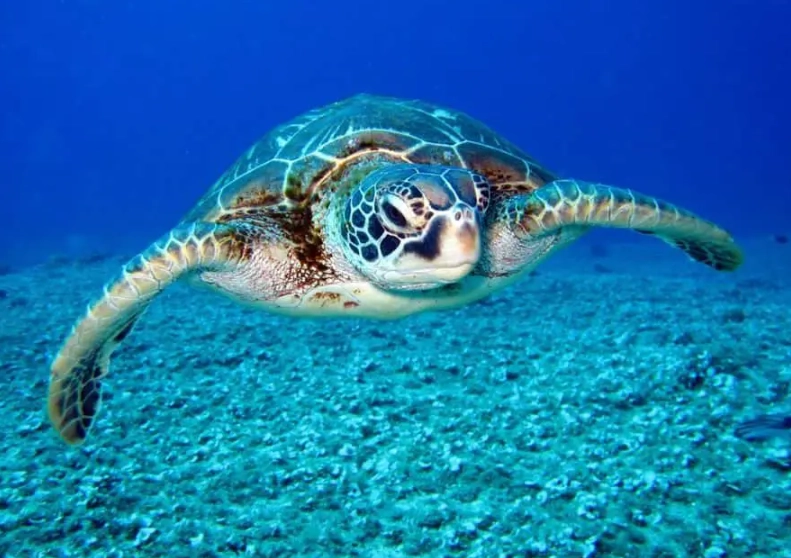
My Take: For your first time, or if this is a bucket-list item, go with a guide. I’ve done both, and the guided trips have a near-100% success rate for sightings because they know what they’re doing. The DIY approach is for when you’re already at a good beach (like some areas in the Keys) and just want to snorkel for fun—if you see a turtle, it’s a fantastic bonus. Research operators carefully. Look for ones that emphasize eco-friendly practices and give a thorough pre-snorkel briefing on turtle etiquette.
Gearing Up: What You Need for a Responsible Encounter
Your gear choices can actually impact the turtles and your experience.
- Mask, Snorkel, Fins: A good-fitting mask is non-negotiable. Foggy, leaking masks ruin everything. Practice in a pool first if you’re new. Fins help you move efficiently without flailing your arms (which can scare turtles).
- Rash Guard or Wetsuit: Even in summer, a thin rash guard protects you from sunburn and jellyfish stings. It also means you skip sunscreen on your torso, which is better for the reef.
- REEF-SAFE Sunscreen: This is critical. Chemicals like oxybenzone and octinoxate in regular sunscreen bleach and kill coral, destroying turtle habitat. Florida law even bans the sale of non-mineral sunscreens in some counties. Look for “mineral-based” or “reef-safe” labels with zinc oxide or titanium dioxide as the active ingredients. Apply it at least 15 minutes before entering the water. The National Oceanic and Atmospheric Administration (NOAA) has a great article on sunscreen and coral reefs that explains the science.
- Underwater Camera (Optional): GoPros or similar are perfect. Set it to video and just let it roll—you’ll be less tempted to chase for the perfect shot. Remember: NO FLASH.
- Floatation Device: If you’re not a strong swimmer, a snorkeling vest is a smart safety choice. It helps you stay relaxed and buoyant without kicking up sand.
The Moment of Truth: Your In-Water Turtle Etiquette Checklist
You’re in the water. You see a turtle. Your heart races. Now what? Follow this mental checklist.
- Freeze. Stop kicking. Let your momentum carry you. Sudden movements are alarming.
- Observe. Enjoy the moment with your eyes first. What is it doing? Eating? Swimming? Resting?
- Maintain Distance. That 10-15 foot rule. Use your fins to gently back up if you drift closer.
- Let It Control the Encounter. If it swims toward you, stay calm and still. It might pass right by. If it swims away, let it go. Do not follow.
- Breathe Quietly. Try to control noisy snorkel breathing. It sounds silly, but it helps.
- Never Block Its Path to the Surface. Turtles are air-breathing reptiles. They need to surface regularly. Never position yourself above them.
If you can tick these boxes, you’ve answered can I swim with sea turtles in Florida in the best way possible—with a yes that respects the animal.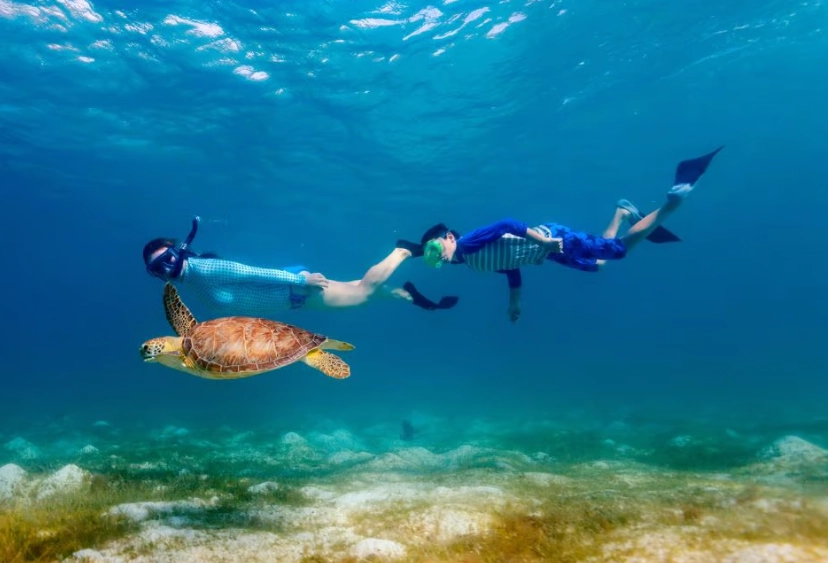
Answering Your Burning Questions (FAQs)
Let’s tackle some specifics that pop up all the time.
Beyond the Swim: Supporting Sea Turtles in Florida
If this experience moves you, there are ways to help ensure future generations can also ask, can I swim with sea turtles in Florida.
- Support Conservation Organizations: Places like the Loggerhead Marinelife Center in Juno Beach do incredible rehabilitation, research, and education work. Visiting or donating makes a difference.
- Make Beach-Friendly Choices: Fill in holes on the beach (they can trap hatchlings), remove your trash and beach gear at night (obstacles for nesting females), and turn off lights visible from the beach (lights disorient hatchlings).
- Choose Sustainable Seafood: Sea turtles often die as bycatch in fishing gear. Look for seafood certified by organizations like the Marine Stewardship Council.
- Spread the Word: Share what you’ve learned about ethical encounters with other travelers.
So, there you have it. The full, detailed, no-nonsense answer.
Can you swim with sea turtles in Florida? You absolutely can. It’s an unforgettable experience that connects you with one of the ocean’s most ancient creatures. But the real question is, can you do it responsibly? I hope this guide convinces you that the responsible way is the only way—and it’s also the way that leads to the most genuine, magical moments. The turtles aren’t there for our entertainment; we’re lucky guests in their world. Act like a good guest, and you might just have an encounter you’ll remember for a lifetime.
Now go plan that trip. The turtles are waiting.

Comments