Your Snorkeling Blueprint
Let's be honest, one of the biggest dreams for anyone hitting the water in Florida is to share a moment with a sea turtle. There's something magical about it. You're floating there, and this ancient, graceful creature just glides by, totally unfazed by your presence. It's not like seeing one in an aquarium – it's a real, wild encounter. And guess what? Florida is one of the absolute best places on the planet to make that happen. The trick is knowing where to go.
Figuring out where to snorkel with sea turtles in Florida can feel a bit overwhelming if you're just starting out. The state has over 1,300 miles of coastline, after all. Do you need a boat? Is it seasonal? Will you actually see one, or is it just luck? I've had trips where I saw a dozen turtles and others where I saw none, and the difference usually came down to location and timing.
This guide isn't just a list of spots. It's everything I've learned from years of chasing (figuratively, of course – never literally chase a turtle!) these animals around Florida's waters. We'll cover the top spots, the hidden gems, the best times, how to behave, and even what to do if you don't see one. Because let's face it, nature doesn't work on a schedule.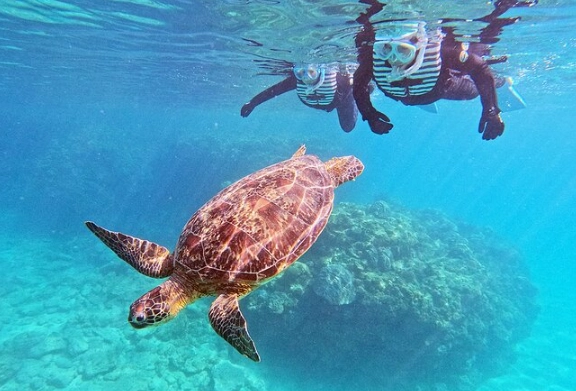
Top Spots to Snorkel with Sea Turtles in Florida
Not all snorkeling spots are created equal when it comes to turtle encounters. Some are reliable, almost guaranteed sighting areas. Others are more of a pleasant surprise. I've broken down the best places based on consistency, accessibility, and the overall experience.
The Big Three: Most Relable Destinations
If your primary goal is to answer the question "where to snorkel with sea turtles in Florida?" with a high chance of success, these three areas are your best bets.
John Pennekamp Coral Reef State Park & Key Largo. This is ground zero for many Florida snorkelers, and for good reason. The reefs here, especially around Molasses Reef and French Reef, are turtle magnets. The water is usually clear, and the park's protected status means a healthy environment. I've had some of my most consistent sightings here. You'll almost always need to take a boat tour to reach the best reefs. The turtles here seem relatively accustomed to polite snorkelers, often going about their business munching on sponges or cruising along the reef wall. It's not unusual to see several on a single trip.
Dry Tortugas National Park. This is the holy grail, but it's also the most logistically challenging. 70 miles west of Key West, it's a journey by ferry or seaplane. But oh boy, is it worth it. The water clarity is often stunning, and the remote location means incredibly pristine reefs. Turtle density here can feel higher. I remember snorkeling near the moat wall of Fort Jefferson and having a large loggerhead surface for air right next to me – a heart-stopping (and amazing) moment. It's a full-day commitment and can be pricey, but for a guaranteed incredible snorkeling and wildlife experience, it's unmatched. The National Park Service website has essential info for planning this trip.
Bahia Honda State Park (Florida Keys). This is a fantastic option if you're nervous about deep water or boat trips. The snorkeling here is right off the sandbar near the old bridge pilings! The seagrass beds attract juvenile green turtles. The water is shallow, calm, and clear – perfect for beginners or families. You might not see massive adults, but watching a smaller turtle paddling around in waist-deep water is incredibly special. Just be careful of boat traffic in the channels.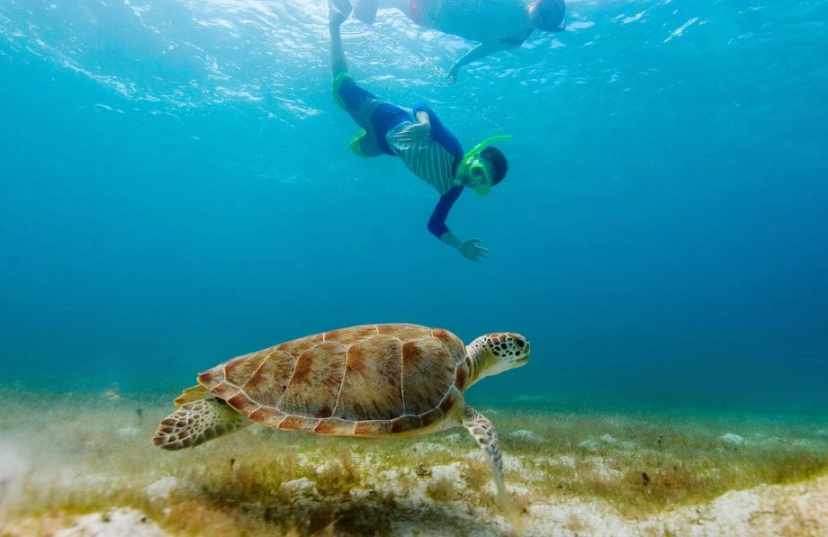
Strong Contenders & Pleasant Surprises
These spots might not have the same fame, but they can offer fantastic, and sometimes less crowded, encounters.
St. Lucie Inlet Preserve State Park (Peck Lake). This is a bit of a local secret on the Atlantic coast. You paddle or take a short boat ride to a sandbar where you can snorkel over seagrass beds. It's a major feeding area for green turtles. It's not a colorful reef, but it's a true wildlife experience. I've gone here and seen multiple turtles in one afternoon, just methodically grazing. The water isn't always crystal clear like the Keys, but it's usually good enough.
Bunche Beach Preserve (Fort Myers). Another excellent seagrass meadow location on the Gulf Coast. It's very shallow, making it great for kids and novice snorkelers. You wade in from the beach. Sightings aren't daily, but they are common, especially in the summer months. It feels more like a lucky find than a guaranteed show, which makes it exciting.
Looe Key Reef (Lower Keys). Part of the Florida Keys National Marine Sanctuary, Looe Key is a spectacular spur-and-groove reef system. The biodiversity is insane, and turtles are a regular part of the show. It's a boat ride out from Big Pine Key or nearby islands. The current can be stronger here, so it's better for confident swimmers. Seeing a turtle silhouetted against the deep blue drop-off at Looe Key is an image you won't forget.
| Location | Region | Best For | Turtle Likelihood | Access |
|---|---|---|---|---|
| John Pennekamp Reefs | Florida Keys | Reliable reef sightings, boat tours | Very High | Boat Tour Required |
| Dry Tortugas NP | Remote Keys | Pristine, unforgettable adventure | Extremely High | Ferry/Seaplane |
| Bahia Honda State Park | Florida Keys | Beginners, families, shallow water | High (Juveniles) | Beach/Swim |
| St. Lucie Inlet (Peck Lake) | Atlantic Coast | Seagrass feeding, peaceful | Moderate-High | Kayak/Short Boat |
| Bunche Beach Preserve | Gulf Coast | Easy wade-in, casual snorkeling | Moderate | Beach/Wade-in |
| Looe Key Reef | Lower Keys | Advanced snorkelers, biodiversity | High | Boat Tour Required |
When to Go: Timing Your Turtle Snorkel Perfectly
You can't just show up anytime and expect a parade. Well, sometimes you get lucky, but timing matters.
Season (The Biggest Factor). The warm months, roughly May through October, are prime time. The water is warm, the sun is out, and turtle activity is at its peak. This overlaps with nesting season (April-Oct), so adults are inshore and active. Summer also means calmer seas generally, which improves water clarity for snorkeling. Winter snorkeling is still possible in South Florida, but turtle sightings become less frequent as some animals move to slightly warmer or deeper waters, and cold fronts can churn up the water.
Time of Day. This is huge. Late morning through mid-afternoon is usually best. The sun is high, lighting up the underwater world, and turtles are often out feeding. Early morning can be good too, but sometimes the water hasn't "cleared up" yet from any overnight activity. I've had very few sightings on late afternoon trips when the light starts to fade.
Tide & Weather. A rising or high tide often brings clearer water into coastal areas like seagrass beds. After heavy rain or strong winds, the water can be murky for days, making spotting anything difficult. Always check the marine forecast – calm winds are your friend.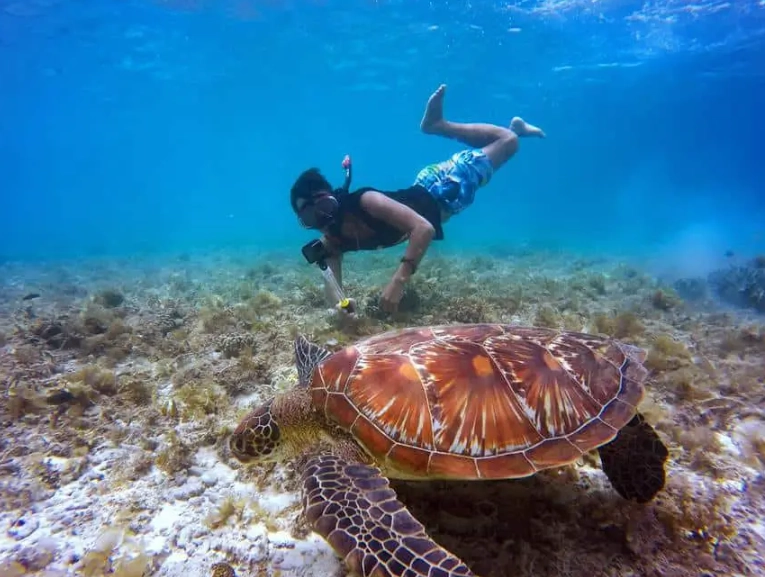
How to Be a Responsible Turtle Snorkeler
This is the most important part of the guide. Seeing a sea turtle is a privilege, not a right. These are threatened or endangered animals, and harassing them is not only awful but also illegal under laws like the Endangered Species Act. The Florida Fish and Wildlife Conservation Commission (FWC) has strict guidelines.
Here’s the golden rule: Let the turtle control the encounter.
- DO NOT TOUCH THEM. Ever. I don't care how close they come. Touching can remove their protective slime coat, spread disease, or simply stress them out. Keep your hands to yourself.
- Give them space. A good rule is to stay at least 10-15 feet away. If the turtle starts swimming away from you, you're too close. Back off.
- Never chase or corner them. Your goal is to observe natural behavior. If you're swimming frantically after one, you're doing it wrong. Float calmly.
- Avoid loud noises and splashing. Be a calm, quiet presence in the water.
- Never feed them. It alters their natural behavior and can make them sick.
Think of it this way: a positive, non-invasive encounter means that turtle will be less stressed and more likely to stick around for the next snorkeler to enjoy. You're part of protecting them just by being cool.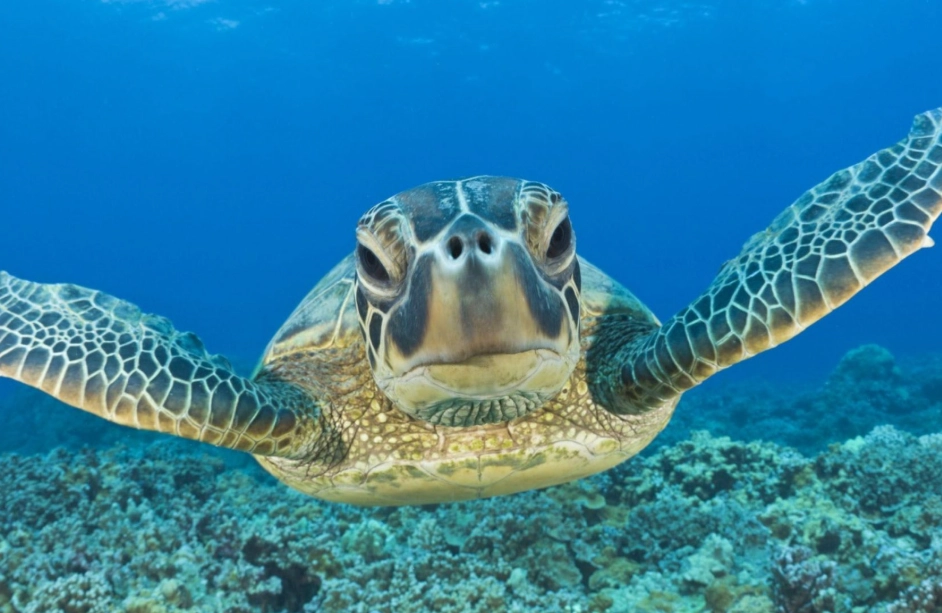
Gearing Up for Your Adventure
You don't need fancy gear, but the right stuff makes a world of difference.
Mask, Snorkel & Fins: A well-fitting mask is everything. If it leaks, your trip is ruined. Test it in a pool or the bathtub first. Fins help you move efficiently without kicking up sand (which reduces visibility) and are essential if there's any current.
Rash Guard or Wetsuit: Even in summer, a thin rash guard protects you from the sun and potential jellyfish stings. In cooler months, a 2-3mm wetsuit top will extend your time in the water comfortably. Sunscreen is a must, but make sure it's reef-safe and mineral-based (zinc oxide/titanium dioxide). Chemicals in regular sunscreen can harm coral and other marine life. Many parks in Florida now require reef-safe sunscreen.
Other Essentials: A waterproof bag for your keys and phone. A floatation vest if you're not a strong swimmer – many tour boats require them anyway. And a cheap underwater camera or GoPro. Just set it to video and let it roll – you'll capture more than trying to snap photos.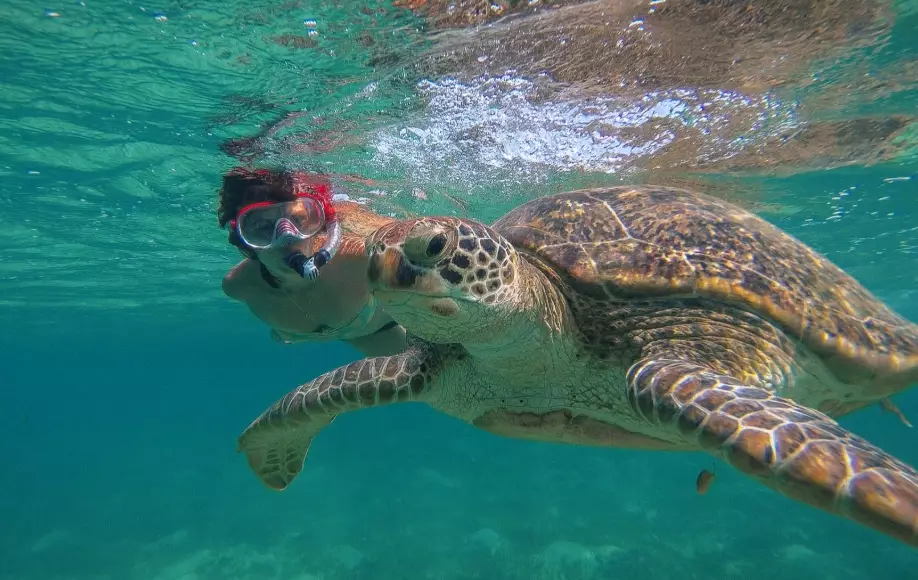
My Personal Snorkel Bag Checklist:
- Well-fitted mask & snorkel (I always carry a spare strap)
- Fins (open-heel with booties are my preference)
- Full-length rash guard (SPF 50 built-in!)
- Reef-safe sunscreen for face/ears/hands
- Large mesh gear bag
- Reef-safe defogger for mask (spit works in a pinch)
- Water, water, and more water
- Waterproof case for phone
- Small dry towel
What If You Don't See a Turtle?
It happens. I've been on trips where everyone else saw one and I missed it because I was looking the wrong way. It's wildlife, not a zoo.
Don't let it ruin your day.
Florida's snorkeling is about so much more than just turtles. You'll see stunning coral formations, schools of colorful fish like parrotfish and angelfish, maybe an eagle ray gliding by, curious barracuda, or even a harmless nurse shark sleeping under a ledge. The reef itself is a living, breathing metropolis. Focus on the whole experience. Every time you're in the water, you're seeing something most people never do.
If you're really set on seeing a turtle and strike out on a snorkel trip, many coastal nature centers or aquariums (like The Turtle Hospital in Marathon or the Loggerhead Marinelife Center in Juno Beach) have rescue turtles you can see up close and learn about conservation. It's a different, but still valuable, experience.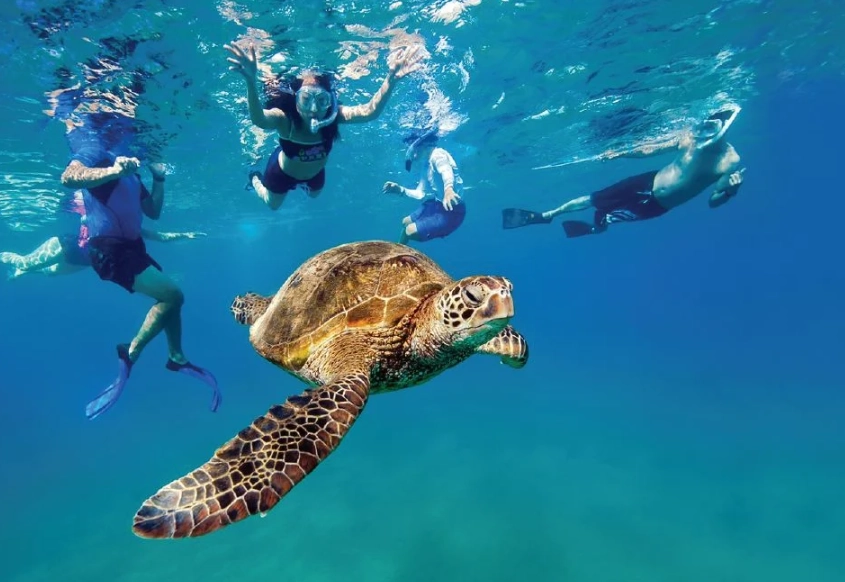
Frequently Asked Questions (FAQs)
Making Your Decision and Final Tips
So, you're ready to choose your adventure. Here’s a final flow of thought to help.
If you want the highest probability and a classic Florida Keys reef experience, book a reef snorkel tour in Key Largo. It's the workhorse answer to "where to snorkel with sea turtles in Florida?".
If you have kids, are a beginner, or hate the idea of a boat, head to the shallow, calm waters of Bahia Honda.
If you want an epic, bucket-list adventure and have the time/money, journey to the Dry Tortugas.
If you're on the Gulf Coast and want a low-key chance, give Bunche Beach a try on a calm summer morning.
Your comment