So you're in Arizona, dreaming of swimming with sea turtles. It sounds wild, right? Arizona is desert landlocked, but that doesn't mean it's impossible. I've been exploring marine life in the region for over a decade, and let me tell you, the closest spots are a drive or short flight away—think Mexico's Sea of Cortez or California's coast. This guide cuts through the hype and gives you the straight facts on where to go, how to do it safely, and why ethics matter more than you think.
Jump Straight to What Matters
Where Can You Actually Find Sea Turtles Near Arizona?
Arizona itself has no coastline, but within a half-day's travel, you can reach rich marine habitats. The Sea of Cortez (Gulf of California) in Mexico is the top choice—it's a UNESCO World Heritage site teeming with life. From Phoenix, it's about a 6-hour drive to the border, then another few hours to key spots like La Paz or Cabo San Lucas. Pacific coast destinations in California, such as San Diego or La Jolla, are further but offer seasonal sightings.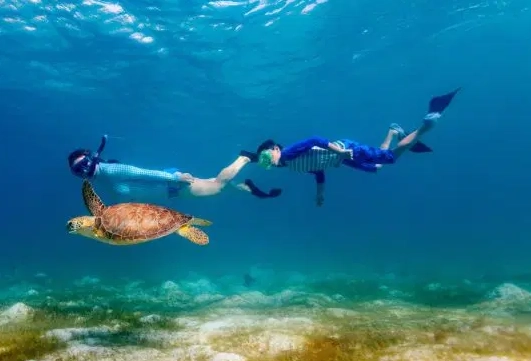
Here’s a quick comparison of the most accessible locations:
| Location | Distance from Phoenix | Best Time to Visit | Sea Turtle Species | Approx. Cost for Tours |
|---|---|---|---|---|
| La Paz, Mexico | ~8 hours drive | Year-round (peak May-Oct) | Green, Hawksbill | $80-$150 per person |
| Cabo San Lucas, Mexico | ~10 hours drive | Late spring to fall | Green, Olive Ridley | $100-$200 per person |
| San Diego, CA | ~6 hours drive | Summer months | Green, Loggerhead | $50-$120 per person |
I prefer La Paz for consistency—the waters around Espíritu Santo Island are crystal clear, and turtles there seem less skittish. But Cabo has more tourist infrastructure if you want convenience. Remember, these are wild animals, so sightings aren't guaranteed, but guides know the hotspots.
Getting There: Practical Routes
From Tucson or Phoenix, I usually drive to Nogales, cross into Mexico, and take Federal Highway 15 south. It's scenic but pack snacks—gas stations can be sparse. Alternatively, fly into Los Cabos International Airport (SJD) from Phoenix Sky Harbor; flights take about 2 hours and cost $200-$400 roundtrip. For California options, Interstate 8 west from Arizona gets you to San Diego in under 6 hours if traffic's light.
Is Swimming with Sea Turtles Safe and Ethical?
Safety first. Sea turtles are generally docile, but they're wild animals—they can bite if provoked, and their shells are hard. The real risk is to them, not you. I've seen tourists chase turtles until the animals are exhausted, which is heartbreaking. Ethically, it's a gray area if you're not careful.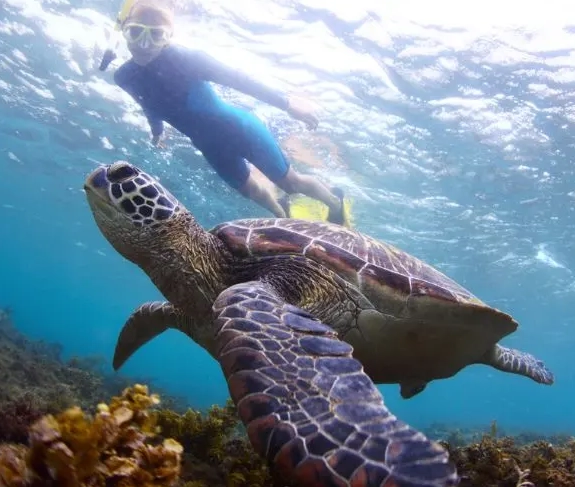
Follow these non-negotiable rules:
- Keep your distance: Stay at least 10 feet away. No touching, ever—it can damage their slime coat and spread disease.
- Move slowly: Sudden movements scare them. Let them approach you, if they want.
- Use reef-safe sunscreen: Chemicals in regular sunscreen harm coral reefs and turtle health. Brands like Badger or Raw Elements work well.
- Avoid flash photography: It can disorient them.
Many operators claim to be "eco-friendly," but dig deeper. Look for certifications from the Marine Stewardship Council or local partnerships with conservation groups like the Sea Turtle Conservancy. In Mexico, check if guides have permits from SEMARNAT (the environmental agency). A good guide will brief you on behavior before you hit the water.
Pro tip from experience: If a tour promises "guaranteed turtle touches" or lets you feed them, walk away. That's a red flag for unethical practices. I once joined a tour in Cabo that fed turtles to attract them—it alters their natural foraging and can make them dependent on humans.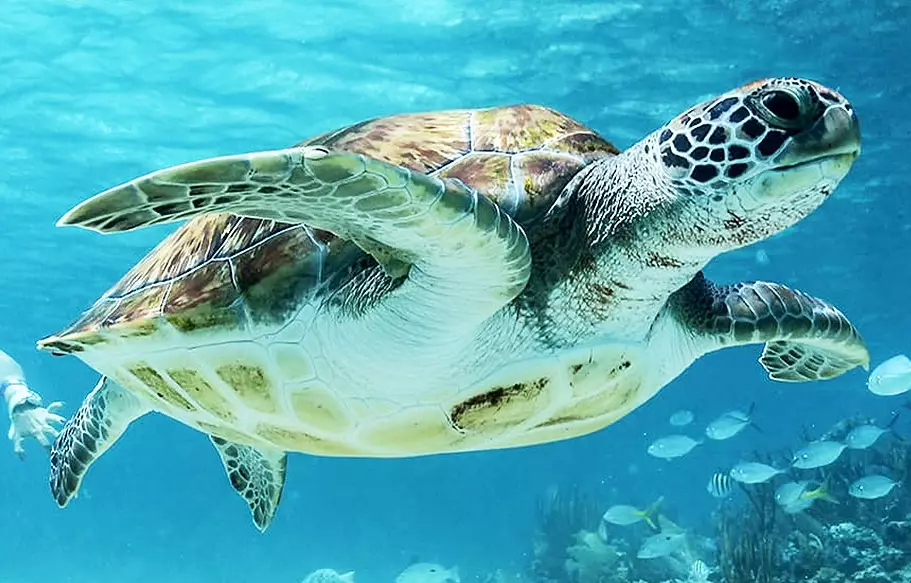
Hands-On Tips for a Great Sea Turtle Swim
Okay, so you've picked a spot and booked a responsible tour. Now, how do you make the most of it? Start with gear. You don't need fancy equipment—a mask, snorkel, and fins are enough. I recommend a full-face snorkel mask for beginners; it reduces fogging and lets you breathe naturally. Rentals are available on-site for $20-$30, but bring your own if you're particular.
In the water, patience is everything. Don't chase the turtles. Instead, float calmly near seagrass beds or coral reefs where they feed. They might ignore you or curiously circle back. I've had moments where a green sea turtle swam right under me—magical, but it happened because I stayed still.
Photography? Use a GoPro or waterproof phone case. Set it to video mode and let it roll; you can grab stills later. Avoid using selfie sticks aggressively—I've seen people accidentally hit turtles, which is a big no-no.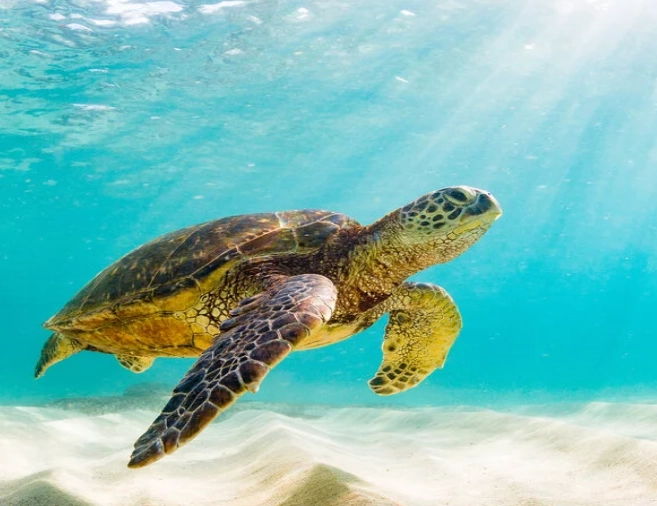
What to Wear and Bring
Wear a rash guard or wetsuit for sun protection, even in warm water. The sun in these regions is intense. Bring water, a hat, and a towel. Most tours provide life jackets, but if you're a strong swimmer, you might not need one. Check weather conditions beforehand; summer afternoons can get windy, reducing visibility.
Planning Your Trip: Logistics from Arizona
Let's get practical. If you're based in Arizona, here's how to plan a 3-day trip to swim with sea turtles in La Paz, Mexico—my personal favorite.
Day 1: Drive from Phoenix to Puerto Peñasco (about 4 hours), cross the border, and continue to La Paz (another 4 hours). Stay at Hotel Catedral (address: Calle 5 de Mayo, La Paz; rates around $80/night). It's central and has parking.
Day 2: Book a morning snorkeling tour with Baja Adventures (they're licensed and eco-certified). The tour starts at 8 AM from Marina de La Paz, costs $120 per person, and includes gear and lunch. You'll visit Espíritu Santo Island, where turtle sightings are common. Afternoon free to explore the malecón (boardwalk).
Day 3: Optional second snorkel or visit the Sea Turtle Conservation Center in La Paz (free entry, donations appreciated). Drive back to Arizona, aiming to cross the border before dusk to avoid lines.
For a budget option, consider camping at Bahía de los Ángeles in Baja California—it's more remote but cheaper. Permits required; check CONANP's website for details.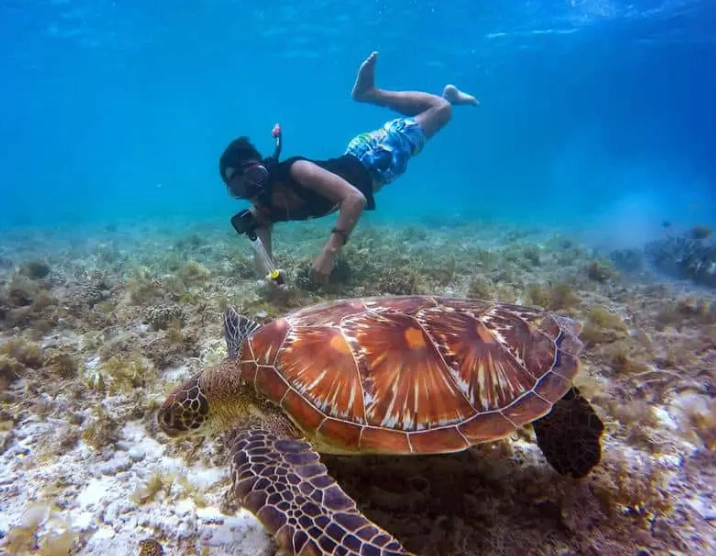
Accommodation Recommendations
- La Paz: Hotel Catedral ($80-$120/night), Airbnb near the beach ($50-$100/night).
- Cabo San Lucas: Bahia Hotel & Beach House (address: Blvd. Paseo de la Marina, Cabo; $150-$250/night).
- San Diego: La Jolla Cove Suites (address: 1155 Coast Blvd, San Diego; $200-$300/night)—pricey but close to snorkeling spots.
Transportation: Renting a car in Arizona and driving is cost-effective ($50/day). For flights, Southwest Airlines often has deals from Phoenix to Los Cabos.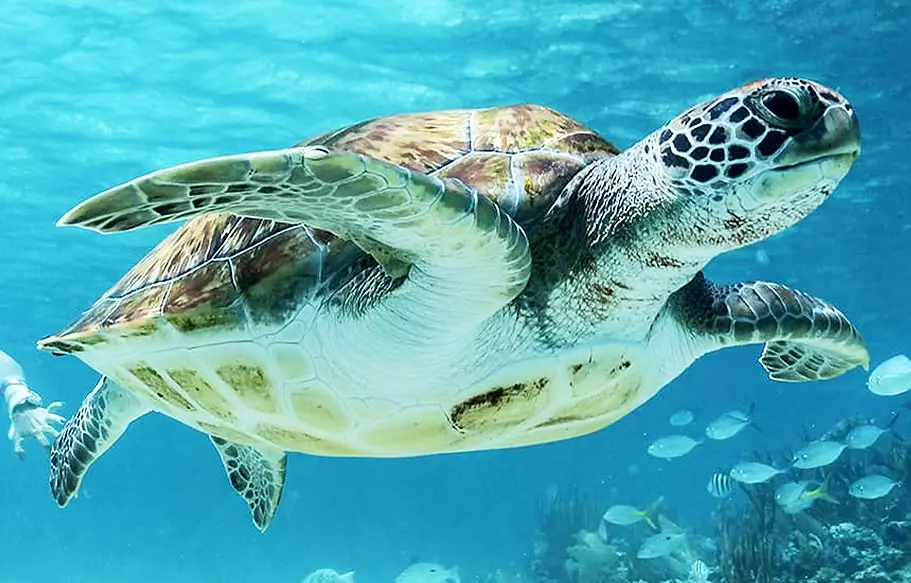
Your Burning Questions Answered
Swimming with sea turtles near Arizona is an adventure worth taking, but it requires respect for the animals and the environment. Do your homework, choose responsibly, and you'll have a story to tell for years. Got more questions? Drop a comment—I've been doing this for years and love sharing insights.
Your comment