Your Quick Guide
Let's be honest. The idea of gliding through crystal-clear water alongside a serene, ancient sea turtle is the stuff of vacation dreams. It's on a lot of bucket lists. And the good news? You don't need a passport to make it happen. The United States has some absolutely incredible, and sometimes surprisingly accessible, spots where you can share the water with these gentle giants. I've been lucky enough to snorkel with them in a few different places, and each time it feels just as magical as the first.
But here's the thing nobody tells you upfront: not every "turtle beach" is created equal. Some spots are a guarantee, others are a lucky bonus. Some require a boat trip, others you can just walk in from the shore. And doing it responsibly is non-negotiable. This isn't a petting zoo; it's their home. So, let's cut through the hype and get into the real, practical details of where to swim with sea turtles in the US, how to do it right, and what you can actually expect.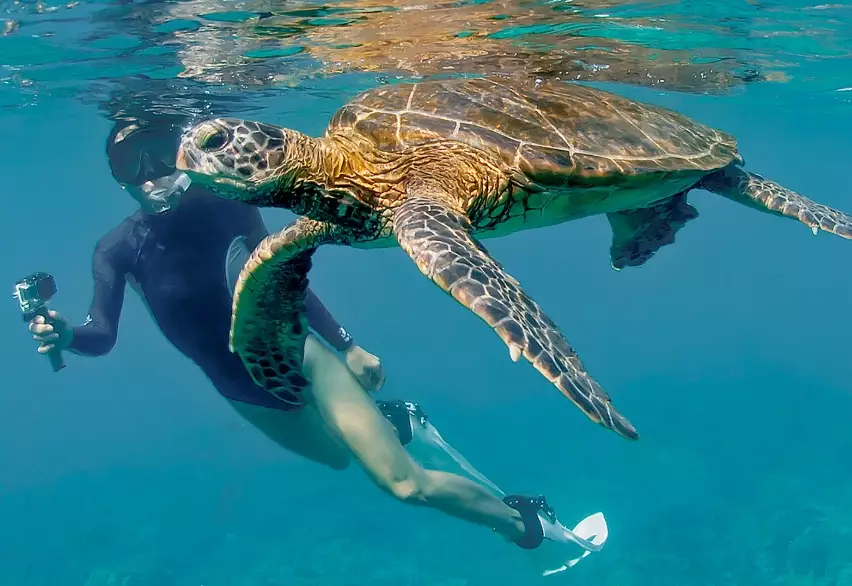
The Top US Hotspots for Swimming with Sea Turtles
We'll break this down by region, because your decision on where to swim with sea turtles in the US might depend on what other vacation plans you have. Are you doing a Florida family trip? A Hawaiian adventure? Let's dive in.
Florida: The Most Accessible Turtle Snorkeling
Florida is, hands down, the easiest place for most Americans to have this experience. The Gulf Stream brings warm water and marine life right to its shores, particularly along the Atlantic coast and the Keys. The main species you'll encounter are Green Turtles and Loggerheads, with the occasional Hawksbill.
The Florida Keys are ground zero. The clear, shallow waters over seagrass beds are like a turtle salad bar. I had my first-ever turtle encounter off Sombrero Reef near Marathon, and I remember just freezing in the water, completely stunned. You'll need a boat to get to the best reef sites, but operators in Key Largo, Islamorada, and Marathon know exactly where to go. For a more DIY (and cheaper) approach, Bahia Honda State Park has a sandbar where turtles are often spotted snorkeling near the old bridge pilings. It's hit or miss, but when it hits, it's glorious.
On the East Coast, Ginnie Springs isn't for sea turtles, but it's worth a mention for the ridiculous number of freshwater turtles you'll see—it's a completely different, but fun, experience. For true ocean turtles, head south to Fort Lauderdale or Palm Beach. The reefs there, like the ones accessed from Lauderdale-by-the-Sea, are reliable. A local captain once told me, "If we don't see a turtle, the trip's on me." That's how confident they are.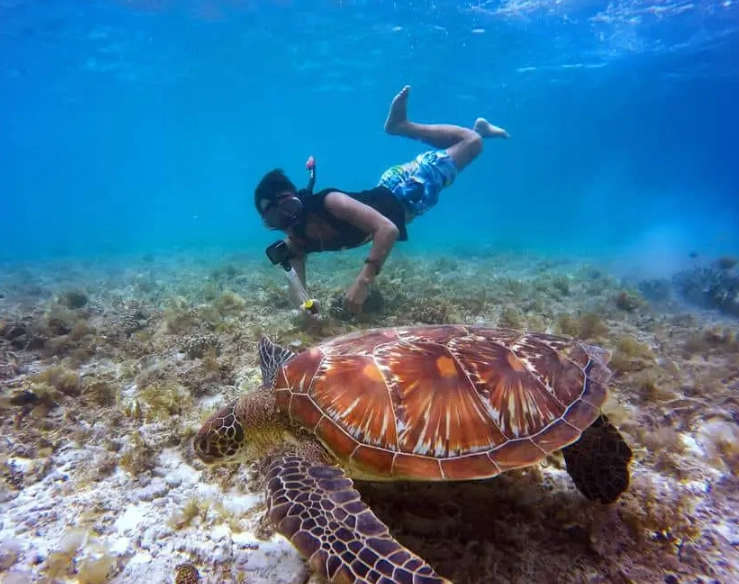
Hawaii: The Pacific Paradise for Turtle Encounters
If Florida is accessible, Hawaii is iconic. The Hawaiian Green Sea Turtle, or 'Honu,' is culturally revered and incredibly common around the islands. The water is clear, the scenery is unbeatable, and the chances of an encounter are extremely high at the right spots.
Oahu's North Shore (in the summer when the waves are calm) has a famous spot called Laniakea Beach, nicknamed "Turtle Beach." Important distinction: you often see them basking on the sand here, but swimming with them is best done just offshore. The rocks and reefs nearby are where they feed. Please, for the love of all that is good, do not crowd the turtles on the beach. There are volunteers for a reason.
Maui is arguably the top island for consistently finding where to swim with sea turtles in the US Pacific. The road to Hana leads to Ho'okipa Beach (more basking), but for snorkeling, Honolua Bay (when accessible) and the area around Black Rock (Pu'u Keka'a) in Ka'anapali are legendary. My best Maui turtle encounter was actually at a less-crowded cove near Makena Landing—just me, a friend, and a turtle that circled us curiously for a good ten minutes.
The Big Island offers a unique two-for-one: sea turtles and manta rays on the same night sometimes! Places like Kahalu'u Beach Park in Kona are shallow, protected, and turtle-filled. It's a great beginner spot.
Other Notable US Locations
While Florida and Hawaii get all the press, there are a few other places where swimming with sea turtles in the US is possible, though often with more caveats.
US Virgin Islands (St. Croix, St. John, St. Thomas): Technically US territory! Buck Island Reef National Monument off St. Croix is a protected marine sanctuary with an underwater trail and tons of turtles. It's pristine and requires a charter boat, but it's world-class. Trunk Bay in St. John is another famous spot.
Southern California: This is a rare and special event. Juvenile Green Sea turtles have taken up residence in the warm water outflow of a power plant in San Diego Bay. It's a unique conservation story. You can sometimes see them on a guided kayak tour, but it's not a traditional open-ocean snorkel. More of a "see them from the surface" situation, but fascinating nonetheless.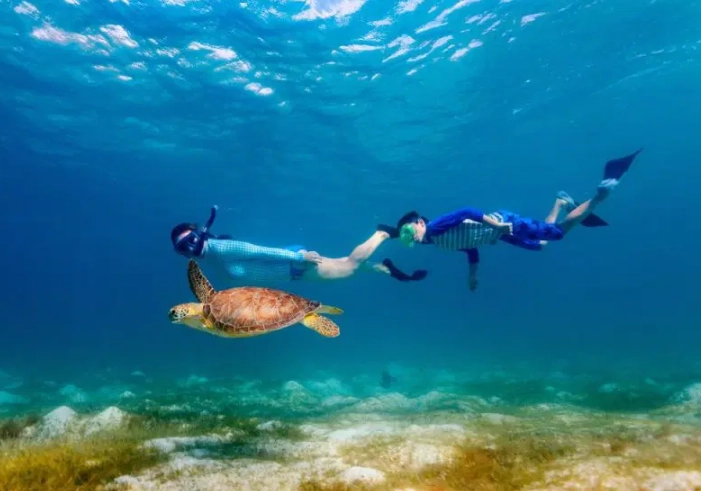
Let's compare the big two to help you decide:
| Factor | Florida (Atlantic/Keys) | Hawaii (Various Islands) |
|---|---|---|
| Most Common Turtle | Green, Loggerhead | Hawaiian Green ('Honu') |
| Water Temp & Visibility | Warm, Good to Very Good (best in Keys) | Warm, Excellent |
| Typical Access | Boat tours to reefs, some shore access | Mix of easy shore access & boat tours |
| "Guarantee" Factor | High on reef tours, variable from shore | Very High at known beaches & bays |
| Other Marine Life | Colorful tropical fish, rays, occasional reef sharks | Tropical fish, dolphins, Monk seals (rare), Manta rays (Big Island) |
| Best For | Combining with a Florida vacation, reef snorkeling lovers | Iconic Pacific experience, combining beach & culture |
Your Practical Guide to the Perfect Turtle Swim
Knowing where to go is half the battle. The other half is knowing how to do it. This section is all about turning your dream into a safe, successful, and sustainable reality.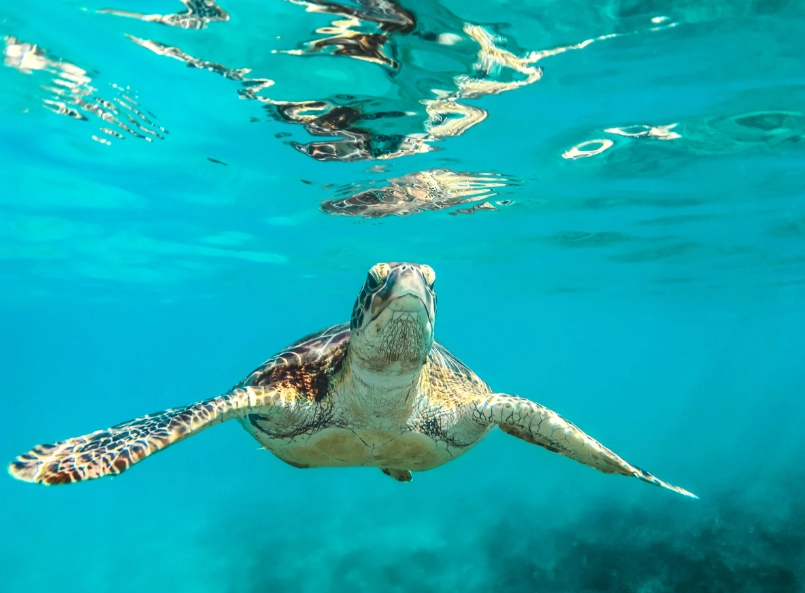
When to Go: Timing is (Almost) Everything
Turtles are there year-round, but your experience changes with the seasons.
- Florida: Late spring through early fall (May-October) offers the calmest seas, warmest water, and best visibility. Summer can have afternoon thunderstorms. Winter snorkeling is possible, especially in the Keys, but you'll want a wetsuit.
- Hawaii: Year-round paradise. Water temps are consistent. Winter months (Nov-Feb) can bring bigger surf to north and west shores, affecting shore access at some spots (like Laniakea). South shores remain calm. Summer is generally calm everywhere.
- General Rule: Go in the morning. Seas are calmer, winds are lighter, and the turtles are often more active. Afternoon trips can be choppier and visibility can drop.
Tour vs. DIY: How to Choose
This is a major decision point. I've done both, and there are pros and cons.
Going with a Reputable Tour:
- Pros: They know the exact spots. They provide gear. They give safety and etiquette briefings. The best guides are educators who share amazing facts. Liability is covered. For first-timers or weaker swimmers, this is the safest bet.
- Cons: Cost. You're on their schedule. You might be with a group. Some can feel rushed.
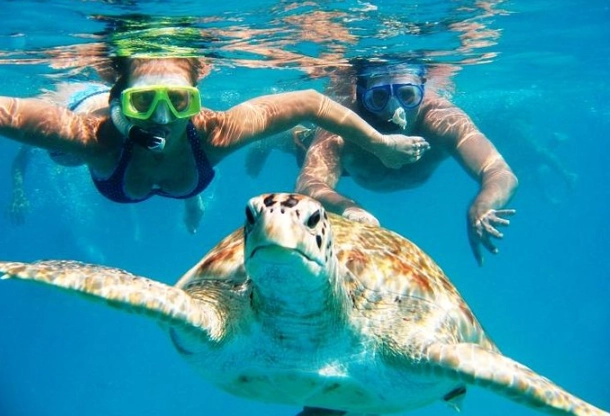
Going on Your Own (DIY):
- Pros: Freedom, flexibility, and low cost. It can feel more personal and adventurous.
- Cons: You need your own gear. You need to research entry/exit points, currents, and hazards. You are 100% responsible for your safety and for following the rules. Encounters are less guaranteed.
If it's your first time trying to figure out where to swim with sea turtles in the US, I strongly recommend a small-group tour. The local knowledge is invaluable.
Essential Gear & Skills
You don't need to be an Olympian, but you do need to be comfortable in the ocean.
Gear Checklist:
- A well-fitting mask and snorkel: Leaky masks ruin everything. Consider buying your own rather than using worn-out rental gear.
- Fins: They give you power and help you glide without kicking up sand (which stresses turtles).
- Rash guard or wetsuit top: Sun protection is critical. A rash guard also prevents chafing from the snorkel vest or life jacket.
- Reef-safe sunscreen: Apply at least 30 minutes BEFORE you get in the water. Chemicals in regular sunscreen harm coral and turtles. This isn't a suggestion; it's a requirement in many places like Hawaii. Look for zinc oxide or titanium dioxide-based formulas.
- Waterproof camera or GoPro: Set it up before you get in. You want to be ready, not fumbling with buttons.
The Golden Rules: How to Be a Responsible Guest
This is the most important part of the entire article. Sea turtles are protected under the US Endangered Species Act. Harassing them is illegal, but more than that, it's just wrong. Following these rules ensures they—and this amazing opportunity—are around for future generations.
- LOOK, DON'T TOUCH. Never, ever touch a sea turtle. Their shells have a sensitive layer of living tissue. Your touch can remove their protective mucus, making them vulnerable to infection. It's also incredibly stressful for them.
- Give Them Space. Maintain a distance of at least 10 feet (3 meters). If the turtle starts swimming away, you are too close. Don't chase it. Let it come to you. The best encounters happen when you float calmly.
- Never Corner Them. Always leave them a clear path to the surface to breathe. Turtles are air-breathing reptiles; they must surface regularly.
- Avoid Flash Photography. It can startle and disorient them. Use natural light or video lights designed for underwater use.
- Don't Feed Them. It alters their natural behavior and diet.
- Respect the Habitat. Don't stand on or touch the coral. It's a living animal that takes centuries to grow. Kick up sand and you'll smother it.
For specific state guidelines, resources like the Florida Fish and Wildlife Conservation Commission (FWC) have excellent guidelines. In Hawaii, showing respect for the 'Honu' is part of the cultural experience.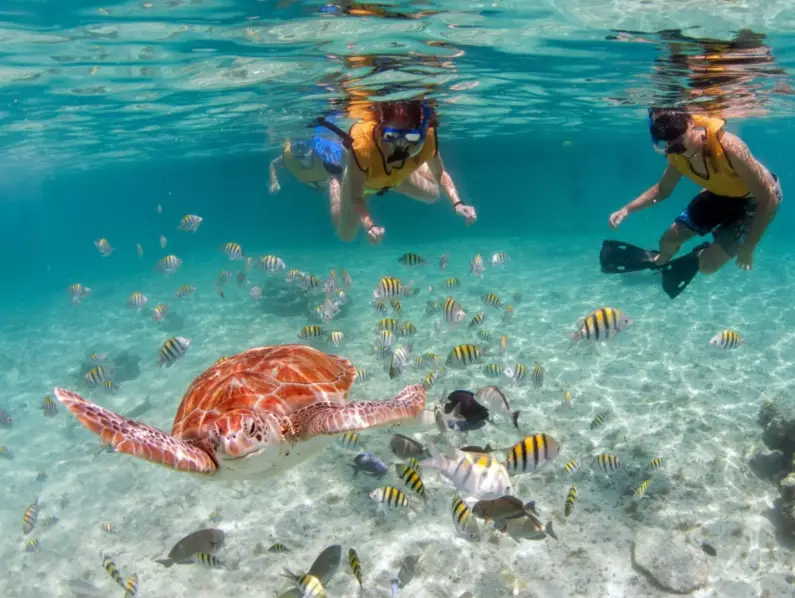
Answers to Your Burning Questions (FAQ)
Let's tackle some of the specific things people worry about when planning where to swim with sea turtles in the US.
Is it safe to swim with sea turtles?
Absolutely. Sea turtles are not aggressive. They have no interest in biting or attacking humans. The main risks are not from the turtles, but from the ocean environment: currents, boat traffic, sunburn, and dehydration. Always snorkel with a buddy, heed local warnings, and be aware of your surroundings. Respect the turtle, and it will simply go about its business.
What if I'm not a strong swimmer?
Many tour operators provide floatation devices (snorkel vests or noodles) and stay in very shallow, protected areas. Be upfront with your guide about your comfort level. Some locations, like Kahalu'u Beach Park in Hawaii or parts of the Florida Keys (like John Pennekamp Park), have calm, lagoon-like areas perfect for beginners. Do NOT venture into open water or areas with strong currents if you're not confident.
Can children swim with sea turtles?
Yes, but with major caveats. Children must be strong swimmers, good listeners, and able to understand the "no touch" rule. Choose a family-friendly tour operator that caters to kids. The excitement can lead to quick movements and loud noises, which scare turtles away. A calm, well-supervised child can have an unforgettable experience. A frantic one will spoil it for everyone.
What's the best way to get a good photo?
Patience. Let the turtle be the director. Have your camera ready, set to video or burst-photo mode. Instead of swimming at it, position yourself slightly ahead of its path and let it swim into your frame. Get low and shoot upwards towards the surface for that classic silhouette shot. And remember, sometimes the best memory is just in your head, not on your SD card.
Are there certain times of day that are better?
Morning, morning, morning. The water is usually calmer and clearer. Turtles are often more active in the morning as they forage for breakfast. Afternoon winds can chop up the surface and stir up sand, reducing visibility. Some locations also offer sunset snorkels which can be magical, but morning is the most reliable bet for your quest on where to swim with sea turtles in the US.
Making Your Choice and Final Thoughts
So, you've got the map and the manual. How do you pick your spot?
Ask yourself: What kind of trip is this? A relaxed Florida Keys holiday where you can mix turtle snorkeling with key lime pie and sunsets? Or an adventurous Hawaiian journey with volcanoes and waterfalls as a backdrop? Your answer might point you in the right direction.
Budget is a factor too. Hawaii is generally more expensive to get to and stay in. Florida might be a more affordable flight for those on the East Coast or Midwest.
Ultimately, whether you choose the coral reefs of Key Largo, the lava rock coasts of Maui, or the protected bays of St. Croix, the goal is the same: a moment of quiet wonder with one of the ocean's most beloved creatures.
Do your homework, book with a responsible operator, pack your reef-safe sunscreen and your patience, and go create that memory. The turtles are waiting. Just remember, you're visiting their home. Act like a good guest, and you'll be welcomed back by the ocean, time and time again.
The search for where to swim with sea turtles in the US ends with you in the water, respectful and awestruck. That's the only destination that really matters.
Your comment