Quick Guide
You've seen the pictures. Someone gliding peacefully in crystal-clear water, a majestic sea turtle right beside them. It looks like a dream, right? The first question that pops into anyone's head is a simple one: is it safe to swim with sea turtles?
Let me cut to the chase. The short answer is yes, it's generally very safe. For you. But that's only half the story, and frankly, it's the less important half. The real question should be: is it safe for them? And how can I make sure my dream encounter doesn't turn into a nightmare for the turtle?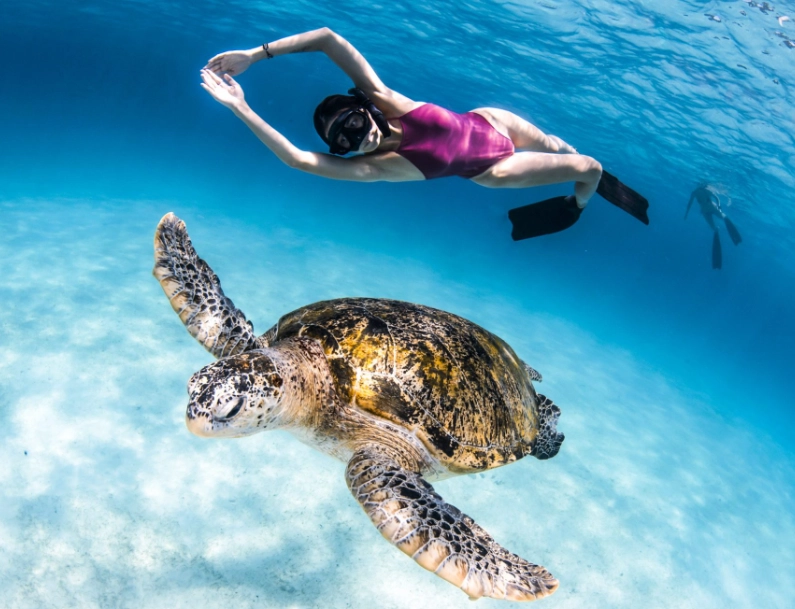
I've been lucky enough to snorkel with turtles in a few places, from the crowded bays of Hawaii to more remote spots. I've also seen some pretty cringe-worthy behavior from tourists who just didn't know any better. That's why I wanted to write this. Not just to list rules, but to explain the why behind them. Because when you understand why the rules exist, you're way more likely to follow them, even when no one's watching.
The Core Truth: Swimming with sea turtles is safe when done responsibly. The risk isn't from the turtle attacking you—it's from you accidentally harming the turtle or disrupting its natural behavior. Your safety is in your own hands; their safety is in yours too.
Why It's Safe (And Why That's Not a License to Be Stupid)
Let's tackle the fear factor first. Sea turtles are not predators. They don't see you as food. They're reptiles that spend most of their time munching on sea grass, jellyfish, or sponges. They are, by nature, gentle and non-aggressive. An adult green sea turtle is a powerful animal, but it has zero interest in using that power on you.
I remember my first time. I was nervous. What if it charges? What if it bites? All that vanished the moment I saw one. It was just... going about its business. It glanced at me with this ancient, calm look and went back to eating. The vibe was pure indifference, not hostility.
So, is it safe to swim with sea turtles in terms of physical attack? Overwhelmingly yes. But here's where people get it wrong. Safety isn't just about not getting bitten. It's about not creating a dangerous situation.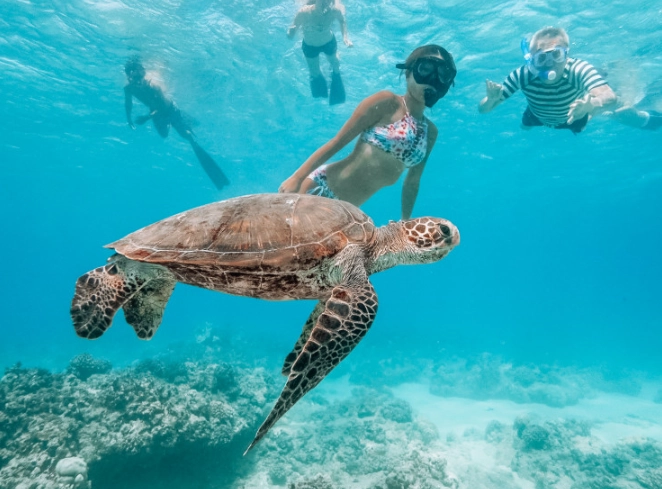
The Real Danger Zone: A turtle will only become defensive if it feels trapped, harassed, or threatened. If you corner it, touch it, or ride it, you're forcing it into a fight-or-flight response. That's when accidents could happen. You're stressing an animal that's already facing enough threats. Don't be that person.
The Golden Rules: How to Guarantee a Safe Swim
These aren't just suggestions. Think of them as the universal code of conduct for sharing the ocean with these ancient mariners. Following them is the absolute best way to ensure that your answer to "is it safe to swim with sea turtles?" is a resounding yes.
- Look, Don't Touch. Ever. This is rule number one for a million reasons. Your hands have oils, sunscreen, and bacteria that can damage a turtle's shell and skin. Touching can also freak them out and disrupt essential activities like feeding, breathing, or resting. Just keep your hands to yourself.
- Give Them Space. Lots of It. Imagine a giant alien hovering right above you while you're trying to eat lunch. Uncomfortable? That's the turtle's perspective. Maintain a respectful distance of at least 3-5 feet (1-1.5 meters). Use your zoom lens, not your proximity.
- Never, Ever Block Their Path to the Surface. Turtles are air-breathing reptiles. They must surface to breathe. If you are directly above them, you are blocking their lifeline. This causes them immense stress and is incredibly dangerous. Always approach from the side or below, and never hover over them.
- Move Slowly and Calmly. Sudden, jerky movements are alarming. Use gentle fin kicks, not frantic splashing. Be a calm, predictable presence in the water. Let the turtle approach you if it wants to. Often, if you stay still and calm, they'll come closer out of curiosity.
- Absolutely No Chasing or Circling. This is harassment, pure and simple. If the turtle swims away, let it go. Your encounter is over. Chasing it exhausts the animal and induces tremendous stress. It's selfish and harmful.
Stick to these, and you're 99% of the way there. It's really that simple.
Choosing the Right Place for Your Encounter
Where you go plays a huge role in the quality and ethics of the experience. Some spots are famous for turtle encounters, but that fame can come with crowds and pressured animals. Doing a bit of research upfront makes all the difference.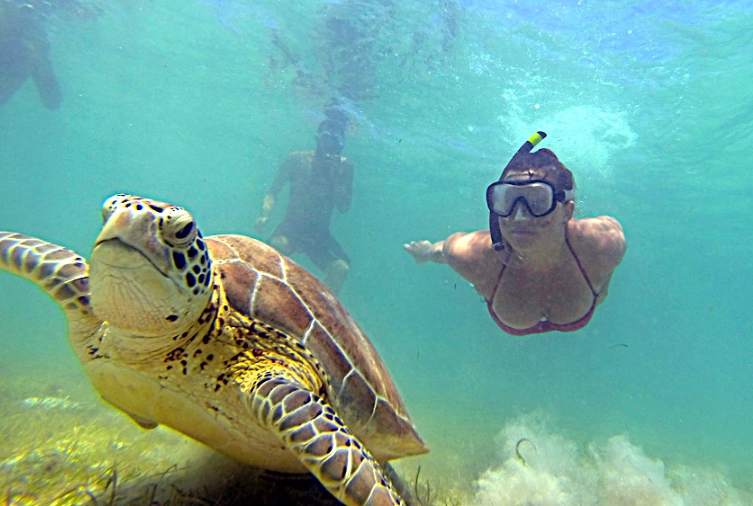
Here’s a quick comparison of some well-known spots to help you gauge what to expect:
| Location | Typical Experience | Key Considerations |
|---|---|---|
| Hawaii (Oahu's North Shore, Big Island) | Often reliable sightings, especially at cleaning stations. Can be crowded. | Strict state laws (Hawaii Revised Statutes §195D) protect turtles. Fines for harassment are severe and seriously enforced. Best to go early in the morning. |
| Great Barrier Reef, Australia | Incredible biodiversity, chance to see multiple species (Green, Loggerhead). | Vast area, so encounters can feel more natural. Choose eco-certified tour operators. Follow the Great Barrier Reef Marine Park Authority guidelines. |
| Akumal, Mexico | Very high probability of seeing turtles feeding on sea grass in bay areas. | Has faced over-tourism issues. Now often requires a guided snorkel with certified guides to manage crowds—this can actually be a good thing for enforcing rules. |
| Gili Islands, Indonesia | Famous turtle populations, especially around Gili Trawangan. Often very accessible. | Can suffer from too many free-diving tourists. Be extra vigilant about your own behavior and choose operators who brief guests properly. |
| Lesser-known Islands (e.g., Seychelles, remote Philippines) | Potentially more pristine, less crowded encounters. | May have fewer formal protections. The onus is entirely on you to be a perfect ambassador. Research local conservation projects. |
My personal take? The places with slightly stricter rules (like requiring guides) often end up providing a better, less chaotic experience. The guides keep the crowds in check, which is better for everyone, especially the turtles.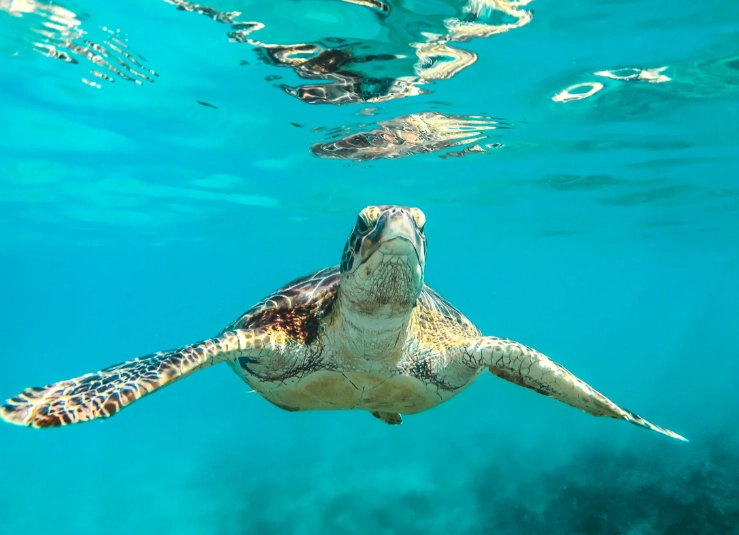
Going With a Tour vs. Going Solo
This is a big one. If you're new to snorkeling or unfamiliar with the area, a reputable eco-tour can be worth it. A good guide knows the spots, the turtle behavior, and will give a proper safety and ethics briefing. They can also handle navigation and currents, letting you focus on the experience.
But not all tours are created equal. Do your homework. Look for small group sizes, explicit conservation messaging, and operators who are locally owned or contribute to conservation. Avoid the big, impersonal boats that cram 50 people into the water.
Going solo gives you freedom, but also all the responsibility. You need to be a confident swimmer, understand currents, and have the discipline to follow the rules without anyone watching. If you choose this route, please internalize everything in this guide.
I once went on a "tour" that was basically a cattle boat. The briefing was a rushed, mumbled sentence. In the water, it was a free-for-all. People were chasing a poor turtle, and the "guide" did nothing. I cut my trip short and complained. It ruined the vibe completely. Now I research operators like a detective—reading reviews for mentions of ethics, not just sightings.
The Unseen Threats: Sunscreen and Your Gear
Here's something most people don't think about until it's too late: your sunscreen can poison the reef and harm turtles. Chemicals like oxybenzone and octinoxate are catastrophic for coral reefs (which turtles rely on) and can cause health issues in marine life.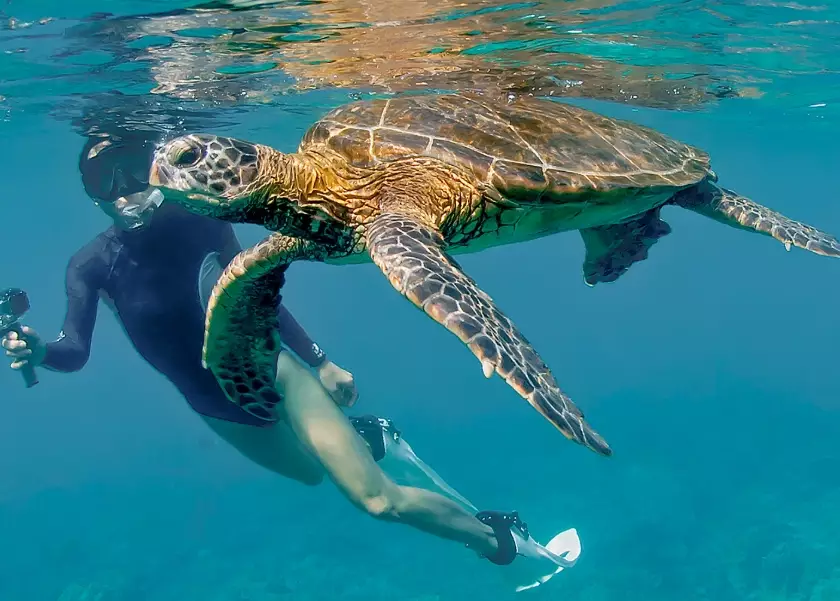
Before you even ask is it safe to swim with sea turtles, ask if your sunscreen is safe for their home.
The fix is easy. Use only "Reef Safe" sunscreen. But beware—that term isn't well-regulated. Look for mineral-based sunscreens with non-nano zinc oxide or titanium dioxide as the active ingredients. Better yet, wear a rash guard or long-sleeved swim shirt. You'll use less sunscreen and protect your skin better anyway.
As for gear, make sure everything is secure. A loose snorkel or a dangling GoPro mount can drag across the reef or, heaven forbid, hit a turtle. Do a gear check on the beach. Secure all straps. If you're using fins, practice your flutter kick in shallow water first to make sure you're not kicking up sand (which smothers sea grass) or hitting coral.
Pro Tip: Consider a simple "PADI AWARE" or other eco-briefing online before you go. A little knowledge goes a long way in making you a better, safer snorkeler, not just for turtles but for the whole ecosystem.
What About Different Turtle Species?
Most encounters are with Green or Hawksbill turtles, but you might get lucky with a Loggerhead or an Olive Ridley. The core safety rules apply to all, but a little species knowledge enriches the experience.
- Green Turtles: Often found munching on sea grass in bays and lagoons. They can be quite mellow when feeding. This is where you must be extra careful not to block their path to the surface.
- Hawksbill Turtles: Hang around coral reefs, as they eat sponges. They might be a bit more skittish and dart into reef crevices if startled.
- Loggerheads: Bigger, with massive heads. They have a powerful bite (for crushing shellfish), so giving them extra space is a no-brainer. They're less common in shallow snorkeling spots.
The key takeaway? Observe, don't interfere. Let their behavior guide you.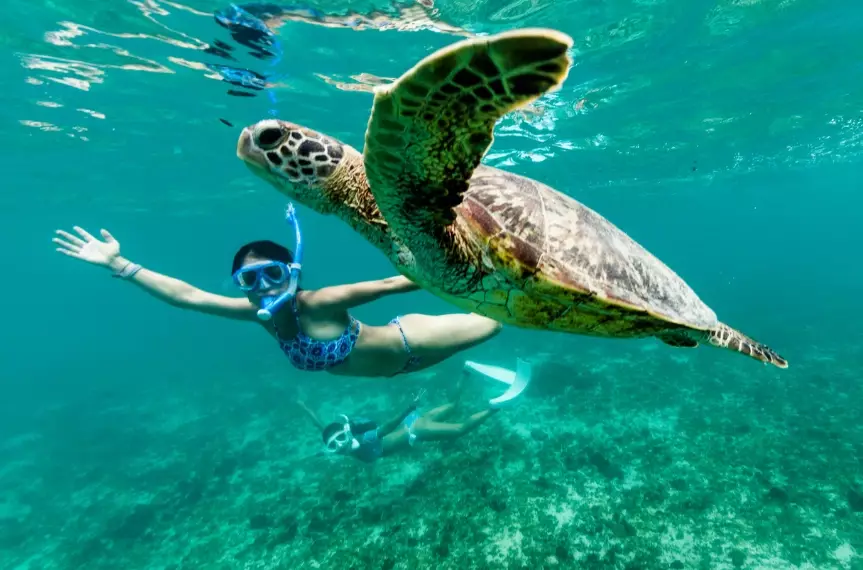
Answering Your Burning Questions (The FAQ)
Let's tackle some of the specific questions people have. These are the things you might be too embarrassed to ask a guide, or the worries that keep you up the night before your swim.
See? Most of these questions stem from good intentions. The desire to connect is human. We just have to channel it the right way.
The Bigger Picture: Your Role in Conservation
Every time you enter the ocean, you're a guest. When you seek out wildlife, you take on a responsibility. Asking "is it safe to swim with sea turtles?" is the first step. Committing to being a responsible visitor is the real journey.
These animals are facing extinction due to habitat loss, plastic pollution, fishing nets, and climate change. A respectful snorkeling encounter should be the least of their worries. In fact, when done right, eco-tourism provides a powerful economic incentive for local communities to protect turtles and their habitats.
You can take that a step further. Choose operators who donate to conservation. Support organizations like the Sea Turtle Conservancy or the NOAA Fisheries Sea Turtle page. Reduce your plastic use. Every little bit helps.
It's not just about a photo. It's about a moment of mutual respect.
So, is it safe to swim with sea turtles? I'll leave you with this final thought.
The physical safety is straightforward: respect the animal, and you'll be fine. The ecological and ethical safety is a conscious choice you make. It's the choice to be quiet, calm, and observant. It's the choice to prioritize the turtle's well-being over your perfect Instagram shot.
Make that choice, and you'll have an experience that's not only safe but profoundly meaningful. You'll leave the water knowing you shared a moment with a dinosaur on its own terms, and that you helped ensure it will be there for others to wonder at long after you're gone.
Now go get your gear ready. And remember: look, don't touch.
Your comment