Quick Guide
- It's Not About You: The Direct Harm to the Turtle
- Okay, But What If I Just Touch the Shell Gently?
- It's the Law, and the Fines Are No Joke
- Wait, Can't They Just Bite Me?
- How to Snorkel With Turtles the RIGHT Way (The Magic is in the Watching)
- Answering Your Burning Questions (The FAQ Section)
- Beyond the Touch: Other Ways We Unknowingly Harm Them
- Wrapping It Up: The Mindset Shift
I remember my first time snorkeling in Hawaii like it was yesterday. The water was crystal clear, the sun was streaming down, and then I saw it—a massive, graceful green sea turtle gliding right below me. My heart skipped a beat. Instinctively, my hand reached out. I just wanted to feel its shell, to connect with this ancient creature. Luckily, my guide was right there, gently pulling my arm back and shaking his head. I felt a mix of embarrassment and confusion. Why can't you touch sea turtles when snorkeling? It seemed so harmless. I was just one person, right?
Turns out, I was wrong. And that single question sent me down a rabbit hole of research that completely changed how I view wildlife encounters. It's not about being a killjoy or having arbitrary rules. It's about survival. Theirs, and in a way, the health of our oceans too. So let's break it down, without the jargon, because this is one of those things every snorkeler and ocean lover needs to understand in their bones.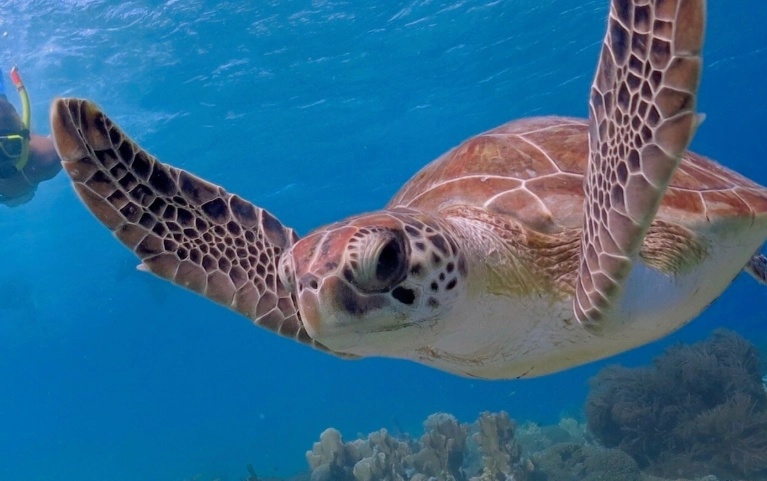
The Bottom Line Up Front: Touching a sea turtle is illegal in most parts of the world, stressful and harmful to the turtle, and can even be risky for you. The best encounter is a passive, observational one where the turtle chooses to be near you (or, more likely, completely ignores you while it goes about its business).
It's Not About You: The Direct Harm to the Turtle
This is the core of it. When we ask "why can't you touch sea turtles when snorkeling?", we're often thinking from our own perspective. Flip the script. Imagine you're a turtle.
You're going about your day—foraging on algae, taking a breath at the surface, maybe looking for a mate. You're not a petting zoo animal. You're a wild reptile with a finely tuned stress response. A human hand suddenly grabbing or petting you isn't a friendly gesture. It's a predator-like attack. This triggers a massive stress response, causing the turtle to flee suddenly and burn through precious energy reserves it needs for migration, finding food, and evading real predators.
But the harm goes way deeper than just a scare.
The Unseen Damage: Stress, Biofilm, and Disease
Sea turtles have a delicate ecosystem living on their shells and skin. It's not just dirt; it's a complex community of algae, barnacles, and other microorganisms called a biofilm. This biofilm actually provides some camouflage and protection. Our hands are covered in oils, sunscreen residues (even "reef-safe" lotions can have an impact), bacteria, and chemicals foreign to the marine environment. Smearing that on a turtle's shell or skin can:
- Disrupt their protective biofilm, making them more susceptible to infection or making it harder for them to regulate things on their shell.
- Introduce pathogens. We can give them germs they have no immunity against. Think of it like someone with a cold sneezing right in your face, but for a turtle, it could be way worse.
- Damage their skin. Their skin might look tough, but it's actually quite sensitive. Scratches from fingernails or jewelry can become sites for infection.
And here's a big one that most people don't consider: it messes with their natural behavior. Turtles that are constantly harassed by snorkelers and boats in popular areas may start to avoid crucial feeding grounds or resting spots. They get stressed out in their own home. That's just not fair.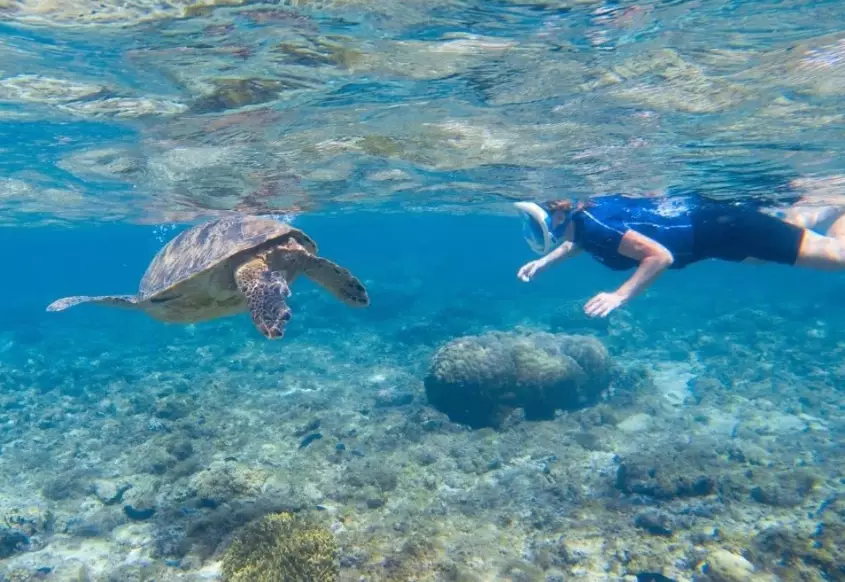
I spoke to a marine biologist in Florida who told me about a study where they monitored turtles' heart rates when approached by humans. Even a seemingly calm, slow approach caused their heart rate to spike significantly. They're not okay with it, even if they look calm. That stuck with me.
Okay, But What If I Just Touch the Shell Gently?
Nope. Doesn't matter. The shell (carapace) is living bone covered by keratin scutes (those plate-like sections). It has a blood supply and nerve endings. It's not an inert helmet. They can feel pressure and touch through it. So petting the shell is still an intrusion. The fundamental answer to "why can't you touch sea turtles when snorkeling?" applies to every part of them.
Let's put the specific impacts into a clearer view.
| What You Might Do | Direct Impact on the Turtle | Long-Term Consequence |
|---|---|---|
| Touch or pet the shell | Stress response, disruption of protective biofilm, potential for shell damage. | Turtle may abandon important habitat; increased vulnerability to disease. |
| Attempt to ride or grab them | Extreme panic, forced submersion (they need to breathe!), potential for physical injury. | Energy depletion, increased risk of boat strike while fleeing, possible drowning. |
| Surround/corner them for photos | Feeling trapped, blocking access to the surface for air. | Chronic stress, avoidance of area, failed foraging attempts. |
| Use flash photography | Can disorient and temporarily blind them, especially at night. | Disorientation can lead to strandings or failed nesting attempts. |
It's the Law, and the Fines Are No Joke
This isn't just good advice; it's legally enforced. In the United States, all sea turtles are protected under the Endangered Species Act (ESA). Harassing, harming, or touching them is a federal violation. Who enforces this? Agencies like the National Oceanic and Atmospheric Administration (NOAA) Fisheries and the U.S. Fish and Wildlife Service (FWS).
I've seen the fines firsthand. In Hawaii, where I had my first encounter, the state's Division of Aquatic Resources (DAR) is dead serious. Violators can face penalties of up to $1,500 per touch. Not per incident, per touch. A video of you petting a turtle three times? That could be a $4,500 fine. In Florida, federal fines can soar into the tens of thousands of dollars and even include jail time for egregious cases.
Reality Check: I've read comment sections where people brag about "getting away with it" because no one was watching. That's like bragging about speeding past a police car that didn't chase you. It's still illegal, you just didn't get caught. And social media is making it easier for authorities to find violators. That vacation video could become very expensive evidence.
This legal protection is global. In many Caribbean nations, Australia (where the Great Barrier Reef Marine Park Authority has strict rules), the Maldives, and Costa Rica, touching marine turtles is explicitly prohibited. These laws exist for a reason—these animals are struggling. Six out of the seven sea turtle species are classified as threatened or endangered by the International Union for Conservation of Nature (IUCN). They face enough threats from plastic pollution, fishing gear, habitat loss, and climate change without us adding direct harassment to the list.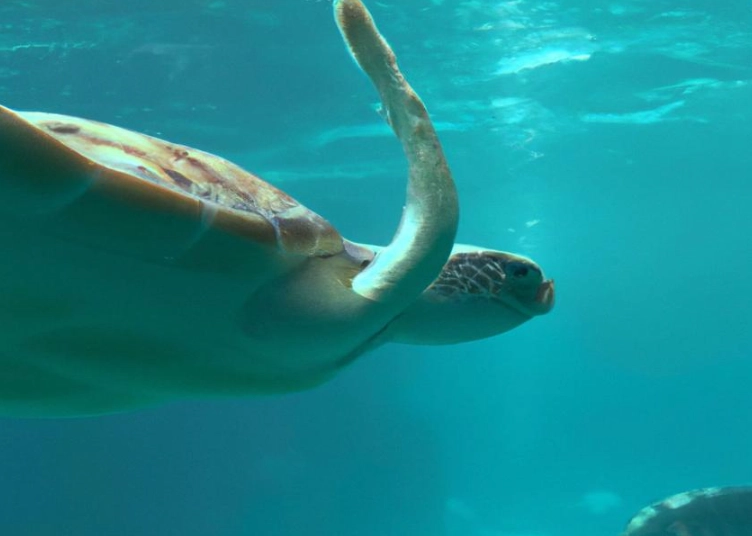
Wait, Can't They Just Bite Me?
Ah, the risk to *you*. It's a fair question. While they are generally docile, a sea turtle is a powerful wild animal. If it feels threatened or cornered, it may defend itself.
- Green and Loggerhead turtles have incredibly strong jaws designed for crushing shellfish and jellyfish. A defensive bite could easily break skin or cause a serious bruise.
- Even a flipper slap from a large turtle has significant force behind it.
But more than an attack, think about disease transmission. Turtles can carry bacteria like Salmonella on their skin and shells. Getting that in an open cut or near your mouth is a surefire way to ruin your vacation. So when you're figuring out why can't you touch sea turtles when snorkeling, add "to avoid a nasty infection or a painful bite" to your list of personal reasons.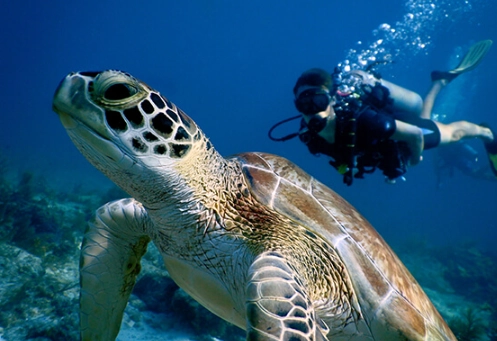
How to Snorkel With Turtles the RIGHT Way (The Magic is in the Watching)
Now for the good part. Having an amazing, ethical encounter with a sea turtle is one of the most magical experiences on the planet. It's better when you know you're not harming them. Here's how to be a good guest in their home.
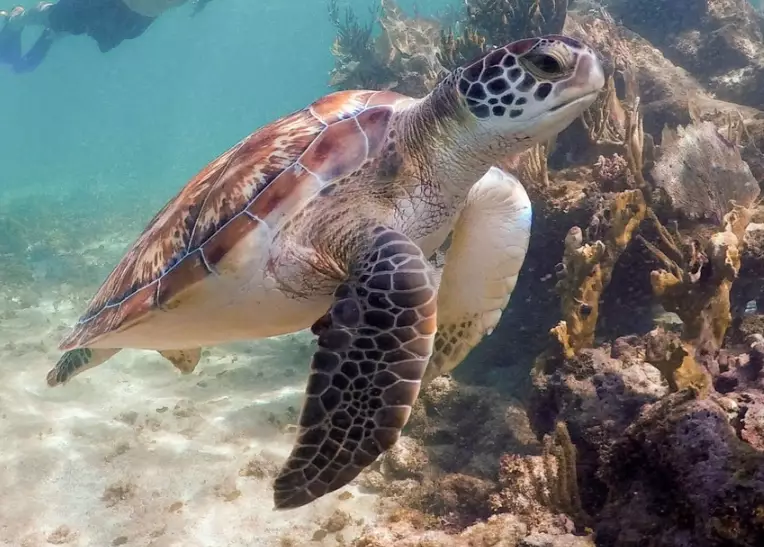
The Golden Rule of Turtle Snorkeling: Let the turtle control the encounter. If it wants to approach you, great. If it's going about its business, observe from a respectful distance. If it swims away, let it go. Never chase.
Your Pre-Snorkel Checklist
- Use Reef-Safe Sunscreen. And I mean the mineral-based, non-nano zinc oxide or titanium dioxide kind. Apply it at least 15 minutes before you get in the water so it binds to your skin. Even better, wear a rash guard and leggings to minimize sunscreen use altogether. Hawaii and parts of Florida have banned harmful sunscreens for a reason.
- Streamline Your Gear. Secure your snorkel, mask, and fins. Dangling gauges or a loose snorkel can drag and bump into coral or, you guessed it, a turtle.
- Mental Prep. Remind yourself and your group: we are observers, not interactors.
In-Water Etiquette: The Do's and Don'ts
DO:
- Maintain a distance of at least 10 feet (3 meters). More is better. Use your zoom lens, not your body.
- Swim calmly and parallel to the turtle, not directly at it. Sudden movements are scary.
- Keep your hands to yourself and your fins down. Fluttering fins right above them kicks sand and debris onto them and is intimidating.
- Give them a clear path to the surface to breathe. Never position yourself above a turtle that's rising for air.
DON'T:
- Don't touch, ride, chase, or corner them. Ever.
- Don't try to feed them. It's illegal and teaches them to associate humans with food, which leads to dangerous behavior.
- Dont use flash photography. It's disorienting.
- Don't make loud noises or blow bubbles aggressively in their direction.
Honestly, when you follow these rules, something cool happens. The turtles often become more relaxed. I've had turtles continue munching on sea grass or sleeping on the reef bottom completely unbothered by my presence because I wasn't acting like a threat. That's the real win. That peaceful coexistence.
It's their ocean. We're just visiting.
Answering Your Burning Questions (The FAQ Section)
I get it. Rules can feel abstract. Let's tackle some of the specific, nitty-gritty questions people have when they search for "why can't you touch sea turtles when snorkeling?".
What if the turtle swims right up to me and touches ME?
This happens! Turtles are curious. If one brushes past you or investigates your camera, that's on them. Just stay still and enjoy the moment. Don't reach out in response. The key is you initiating the contact. If they choose to come close, it's a gift. Don't ruin it by grabbing.
What if I see someone else touching or harassing a turtle?
This is tough. If you feel safe doing so, you can calmly inform them it's illegal and harmful. Something like, "Hey, just so you know, touching them is actually a huge fine and really stressful for them." Most people genuinely don't know. If they're hostile or it's a serious case (like someone trying to ride one), note the location, time, and if possible, take a photo/video (of the people, not the harassment, to avoid spreading that imagery). Report it to the local authorities, a park ranger, or the boat crew immediately. Many places have hotlines. For example, in Florida, you can call the FWC Wildlife Alert Hotline.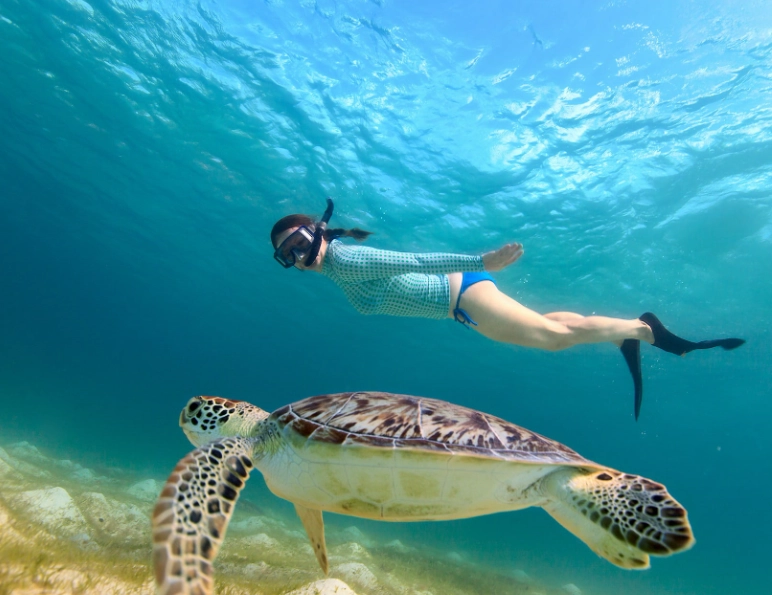
Are the rules different for baby turtles?
They are even MORE strict. Hatchlings are incredibly vulnerable. Never touch a hatchling on the beach or in the water. Their journey from nest to ocean is critical for imprinting on their natal beach. Interfering can disorient them permanently. Observe from a distance with minimal light.
What about touching a turtle in a rehabilitation center or aquarium?
That's a completely different, controlled context. If a facility like the Marine Life Center in Florida or the Sea Turtle Inc. facility in Texas allows a supervised encounter with a turtle that cannot be released back into the wild, that's fine. They have trained staff and the turtle's welfare is the top priority. This is not the same as touching a wild turtle.
I touched one before I knew. Did I cause major harm?
Don't spiral into guilt. The goal is to learn and do better. A single, brief touch by one person is unlikely to cause catastrophic harm to that individual turtle (though it's still stressful). The real problem is the cumulative effect. If every one of the thousands of snorkelers who see that turtle each year touches it once, that turtle lives in a state of perpetual harassment. So now that you know, you can be part of the solution. Spread the word gently.
Beyond the Touch: Other Ways We Unknowingly Harm Them
While the "no touch" rule is paramount, being a responsible snorkeler means being aware of your entire footprint.
- Standing on or touching coral: This kills the living polyps. Coral reefs are critical turtle habitat and food sources. Always maintain proper buoyancy.
- Leaving trash behind: Plastic bags look like jellyfish to a leatherback. Straws get stuck in nostrils. Take everything out that you brought in.
- Choosing irresponsible tour operators: Do your research. A good operator will give a thorough briefing on wildlife etiquette, limits group size, and anchors in sandy areas away from reef. Avoid operators that chase wildlife or promise "up-close" interactions.
Wrapping It Up: The Mindset Shift
So, why can't you touch sea turtles when snorkeling? I hope by now it's clear. It's not a rule to limit your fun. It's a rule born from necessity to protect creatures that have been swimming our oceans since the time of the dinosaurs.
The desire to touch comes from a place of awe and connection. I felt it. But true connection with wildlife isn't physical. It's the shared moment. It's the memory of watching a turtle breathe at the surface, the sound of its exhalation, the sight of it methodically cleaning its shell on a coral head. It's knowing you witnessed something truly wild on its own terms, and you left it exactly as you found it.
That's a better story to tell. Not "I touched a turtle," but "I watched a turtle, and it was perfect." Pass it on.
After learning all this, my snorkeling trips changed. They became less about getting the perfect selfie and more about quietly observing. And you know what? I see more wildlife, behave more, and feel a deeper sense of peace. It's a trade-up, not a trade-off.
Your comment