Imagine you're snorkeling in crystal-clear water, and a sea turtle glides toward you. Your heart skips a beat—what now? Most people panic or make mistakes that harm the turtle. Here's the truth: if a sea turtle approaches you, stay calm, keep your distance, and let it lead the interaction. This guide dives into the why and how, based on marine biology research and my own decade of diving experience.
What You'll Learn in This Guide
Why Sea Turtles Approach Humans
Sea turtles don't seek us out for friendship. They're curious, sometimes mistaking us for food sources or just exploring. In areas with high human activity, like popular dive sites in the Caribbean or Southeast Asia, turtles may become habituated. I've seen green turtles in Hawaii swim near snorkelers because they associate people with easy snacks—a bad habit from illegal feeding.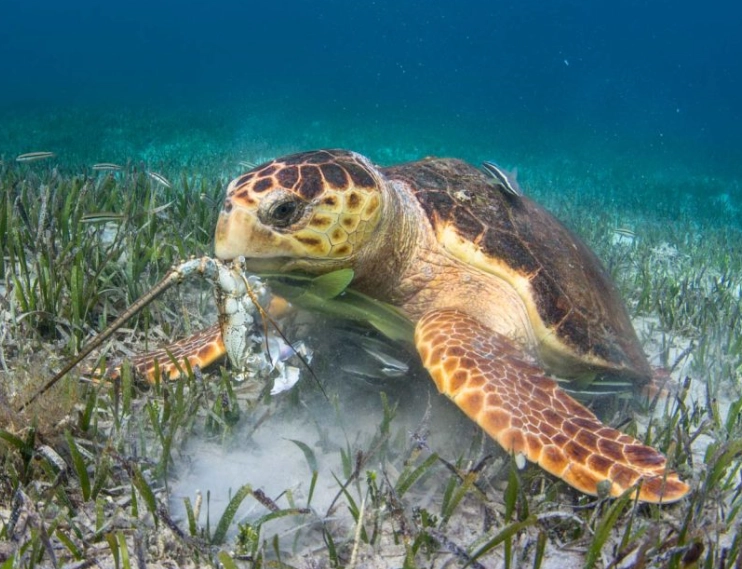
Another reason: turtles are reptiles with limited vision. They might not see you clearly until they're close. According to the NOAA Fisheries, sea turtles rely on instinct and environmental cues; sudden movements can trigger a flight response. So, if one approaches, it's likely accidental or curiosity-driven, not aggression.
Immediate Steps to Take When a Sea Turtle Approaches
When a turtle heads your way, your actions matter. Here's a breakdown.
Do Not Touch or Chase the Turtle
This is non-negotiable. Touching removes their protective slime layer, exposing them to bacteria. Chasing stresses them out—turtles need energy for migration and breeding. I once saw a tourist in Mexico try to ride a turtle; it fled and later washed up exhausted. Don't be that person.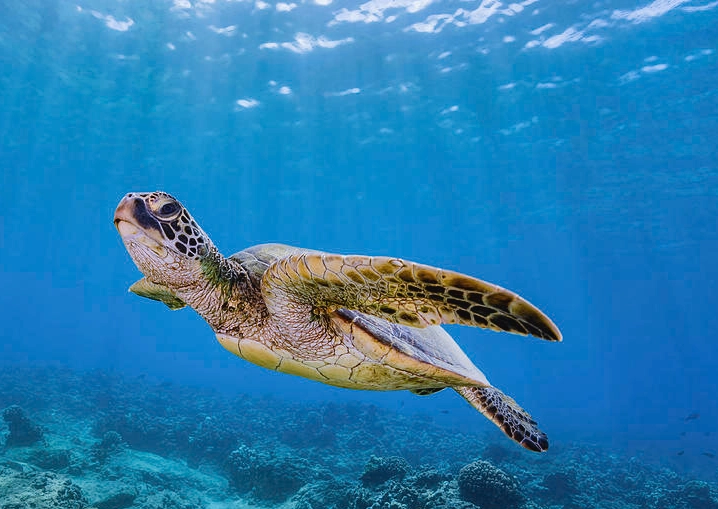
Maintain a Safe Distance
Aim for 10 feet (3 meters) minimum. If the turtle closes in, hold still. Let it decide the proximity. Back up slowly if it gets too close. Use your fins gently to avoid stirring up sediment, which can irritate its eyes.
Observe Calmly and Avoid Sudden Movements
Keep your breathing steady. Rapid arm swings or kicks can startle the turtle. I've found that turtles often linger if you mimic their slow, graceful pace. It's like a dance—let them lead.
Key Point: Your goal is to minimize impact. Sea turtles are endangered; every encounter should prioritize their safety over your excitement.
Common Scenarios and How to Handle Them
Different settings require tweaks. Let's walk through real-life situations.
While Snorkeling
You're floating on the surface, and a turtle pops up for air. Freeze. Don't splash or reach out. If it surfaces near you, slowly paddle away to give it space. In places like the Great Barrier Reef, I've seen snorkelers block turtles from breathing—they need air every few minutes, so stay clear of their path.
While Diving
Underwater, turtles might inspect your gear. Keep your buoyancy controlled; crashing into coral hurts them and the ecosystem. If a turtle approaches your camera, resist the urge to zoom in. Flash photography can disorient them. A pro tip: use natural light and let the turtle come into frame.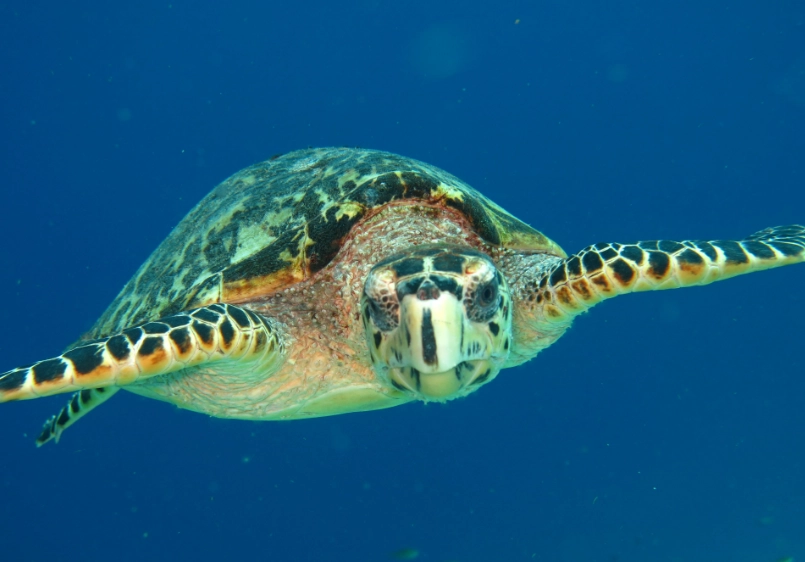
On the Beach
If you see a nesting turtle, stay at least 30 feet away. Use red-light flashlights at night (white light distracts them). Report sightings to local conservation groups. In Florida, organizations like the Sea Turtle Conservancy track nests—your observation can help.
The Do's and Don'ts of Sea Turtle Encounters
This table sums up the essentials. Print it out for your next trip.
| Do's | Don'ts |
|---|---|
| Stay calm and move slowly | Touch or chase the turtle |
| Maintain a 10-foot distance | Use flash photography |
| Observe from a side angle | Feed or offer food |
| Report injured turtles to authorities |
Many dive shops hand out similar lists, but they often miss the nuance. For instance, "observe from a side angle" helps avoid direct eye contact, which turtles might perceive as threatening.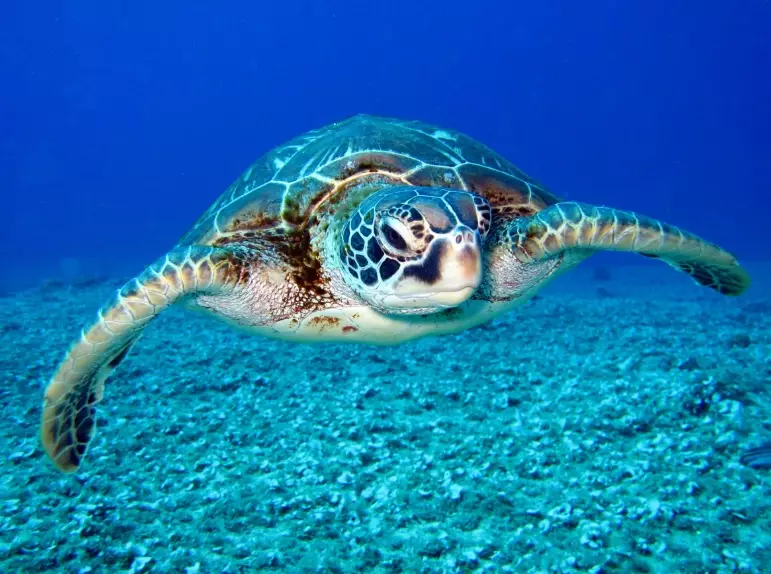
Expert Tips from Marine Biologists
I spoke with Dr. Lena Torres, a marine biologist with 15 years in turtle conservation. She shared insights most guides omit.
"People think turtles are slow and docile, but they're strategic. If a turtle approaches, it might be assessing you as a threat. Sudden noises from dive computers or tank clanks can spook them. Keep gear quiet."
She also noted that in breeding seasons, males can be more curious. In the Mediterranean, loggerheads often investigate divers during summer months. Her advice: time your dives for early morning when turtles are less active.
Another tip from the WWF reports: avoid wearing shiny jewelry—it can look like fish scales and attract unwanted attention.
Personal Experience: My Close Encounter
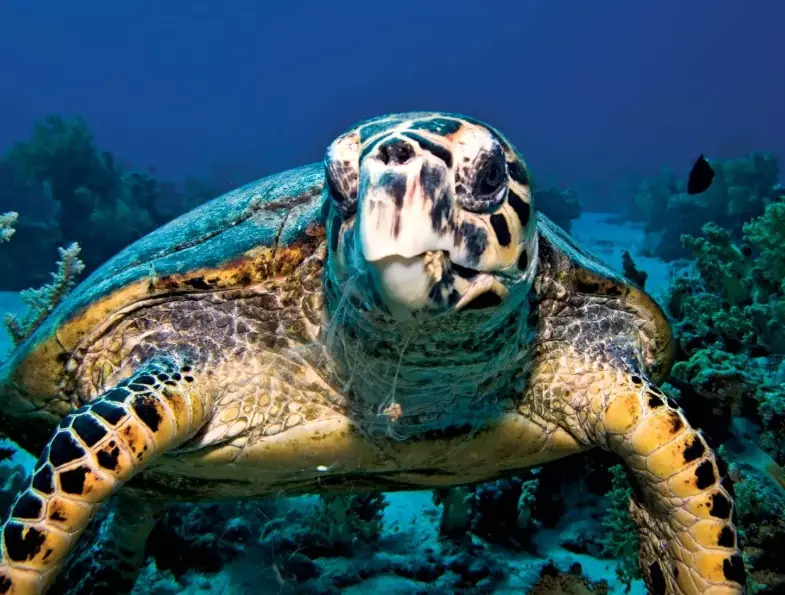
Last year in the Philippines, a hawksbill turtle swam right up to my mask. I froze, remembering all the rules. It circled me twice, then nibbled at my dive light—probably mistaking it for a jellyfish. I held my breath and slowly sank lower. After a minute, it lost interest and glided away.
That moment taught me patience. Most online guides say 'back away immediately,' but sometimes holding still works better. It's about reading the turtle's body language. If it's relaxed, with slow flipper movements, you're fine. If it speeds up or changes direction abruptly, you've overstayed.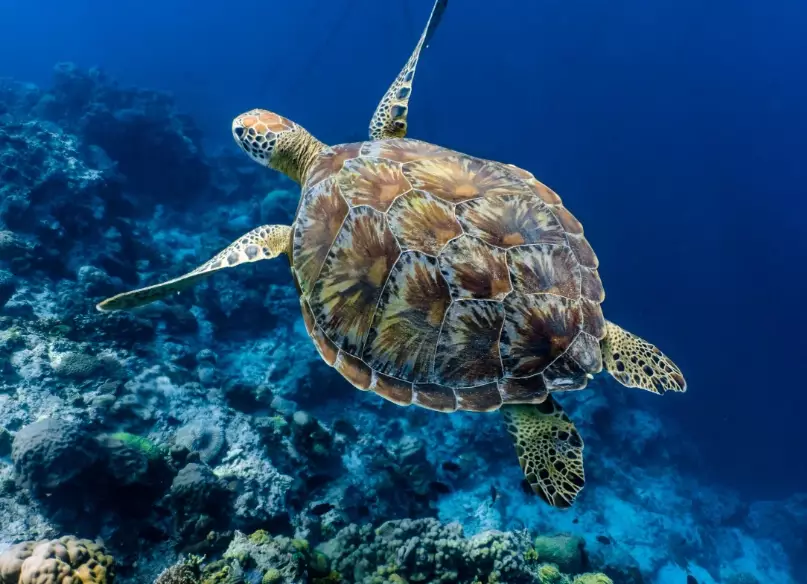
Frequently Asked Questions
Wrap it up: if a sea turtle approaches you, see it as a privilege. Your calm response protects a species fighting extinction. Share this guide with fellow ocean lovers—every informed action counts.
Your comment