Quick Guide
- Meet the Locals: Which Sea Turtles Will You See in Florida?
- When and Where: Planning Your Florida Sea Turtle Encounter
- The Golden Rules: How to Have an Ethical Encounter
- What to Expect on a Guided Turtle Walk
- Beyond the Nest: Other Ways to Experience Sea Turtles in Florida
- Your Burning Questions Answered (FAQ)
- Making a Difference: How to Be a Sea Turtle Ally
So you're thinking about seeing sea turtles in Florida? Good call. It's one of those experiences that sticks with you, way more than just another day at a crowded theme park. But here's the thing – it's not as simple as just showing up at a beach and hoping for the best. I learned that the hard way on my first trip, wandering around in the dark with a weak flashlight, probably disturbing more ghost crabs than turtles.
Florida is incredibly lucky. It's a major hotspot for sea turtles in the entire United States, with hundreds of miles of coastline that serve as critical nesting grounds. We're talking about loggerheads, greens, leatherbacks, and even the occasional Kemp's ridley. But with that privilege comes a big responsibility to do it right. A poorly planned sea turtle encounter in Florida can stress the animals or even harm their nests.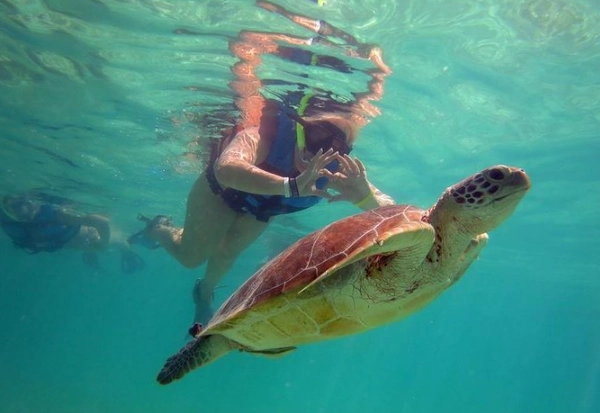
This guide is what I wish I'd had before my first trip. We're going to ditch the vague advice and get into the real, practical details. Where exactly should you go? When should you be there? What are the rules, and why do they matter? I'll share some of my own blunders and successes, and point you to the official resources that actually have the correct, up-to-date information. Let's make sure your sea turtle encounter is magical for you and safe for them.
Meet the Locals: Which Sea Turtles Will You See in Florida?
Not all sea turtles are the same, and knowing who's who makes the experience ten times richer. Florida's beaches are like a turtle metropolis during nesting season. Here’s a quick rundown of the usual suspects you might encounter.
| Turtle Species | Nesting Season in Florida | Key Identifying Features & Fun Facts | Best Chance to See Them |
|---|---|---|---|
| Loggerhead | April - September (Peak: June-July) | Large, blocky head. Heart-shaped shell (carapace). They are Florida's most common nester by a huge margin. | Very high. The workhorse of Florida nesting beaches on both coasts. |
| Green Turtle | June - September (Peak: Late summer) | Smooth, oval shell. Named for greenish fat, not shell color. Herbivores as adults, munching on seagrass. | High, especially in South Florida and the Archie Carr Refuge. |
| Leatherback | March - July | Massive! No hard shell – rubbery, ridged skin. Deep divers. The giants of the sea turtle world. | Low to Moderate. They nest in lower numbers but are unforgettable if seen. |
| Kemp's Ridley | April - August | The smallest and most endangered. Often nest during the day. Primarily in the Panhandle. | Rare. Your best bet is the Panhandle, but sightings are a special treat. |
Seeing a leatherback drag its enormous, dinosaur-like body up the sand is a heart-stopping sight. They're so much bigger in person than you can imagine. Loggerheads, on the other hand, feel more common, but watching one meticulously dig her nest with her back flippers is no less amazing. It's a slow, deliberate process that really makes you appreciate the effort involved.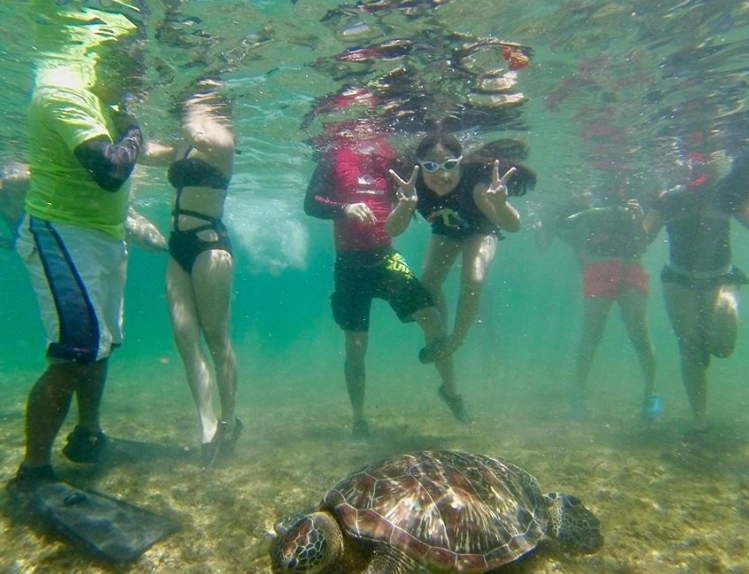
When and Where: Planning Your Florida Sea Turtle Encounter
Timing is absolutely everything. You can't just show up in December and expect a show. The nesting and hatching seasons are your windows of opportunity, and they vary a bit depending on where you are in the state.
The Best Time to See Sea Turtles in Florida
Think of the season in two acts: Nesting and Hatching.
Nesting Season (Act I): This generally runs from March through October, with a peak in the hot summer months of June and July. Turtles come ashore almost exclusively at night to lay their eggs. Why at night? It's cooler, the sand holds moisture better for egg-laying, and there are fewer predators (including us) around. So, if you want to see a 300-pound turtle laboriously crawl up the beach, dig a hole, lay 100+ eggs, and then camouflage the nest, you'll be doing a night tour.
Hatching Season (Act II): This happens roughly 45 to 70 days after the eggs are laid. So, if nests are made in June, you can expect a frenzy of hatching from late July through September, and even into October. Hatchlings usually emerge at night, instinctively scrambling toward the brightest horizon – which should be the moon and stars over the ocean, not the streetlights or condo windows behind the beach.
Pro Tip: The Moon Phase Matters
New moon nights are often considered prime time for turtle walks. It's darker, which the turtles prefer, and the lack of moonlight means hatchlings are less confused by competing light sources. That said, I've had incredible tours on nights with a half-moon. Don't cancel your plans just because the moon isn't new.
Top Locations for a Sea Turtle Encounter in Florida
While turtles nest on many beaches, some places are legendary for their density and organized viewing programs. Here's my breakdown, from the well-known to the slightly more off-the-beaten-path.
The Atlantic Coast (East): This is the heavyweight champion for nesting density.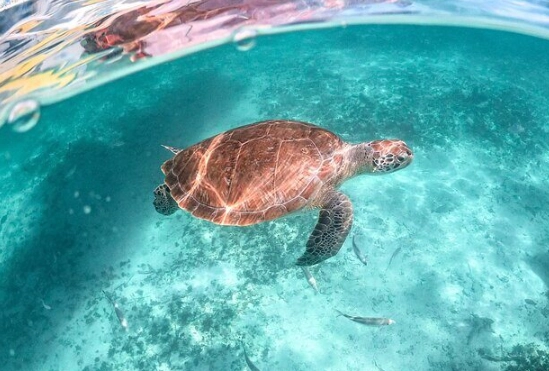
- Archie Carr National Wildlife Refuge (between Melbourne and Vero Beach): This is the single most important nesting beach for loggerheads in the Western Hemisphere and a major site for greens. It's a sanctuary, so access is often through guided tours only. The Sea Turtle Conservancy is based nearby and is an incredible resource.
- Juno Beach / Loggerhead Marinelife Center: A fantastic combination. You can join guided night walks (booked months in advance, honestly) and visit the center's hospital during the day. They do great work in rehab and education.
- Canaveral National Seashore & Merritt Island: Less developed, more natural beaches. You'll need to join a ranger-led program here. Check the National Park Service website for schedules.
The Gulf Coast (West): A different vibe, but equally magical.
- Siesta Key, Casey Key, Manasota Key: These barrier islands near Sarasota have active nesting and great local conservation groups running tours. It feels a bit less "industrialized" than some east coast spots.
- Sanibel & Captiva Islands: The Sanibel Sea School and the SCCF run excellent, educational walks. Be prepared for lots of shells on the beach!
- The Florida Panhandle: Destin, Panama City Beach, and especially St. George Island. This is where you have the best (though still slim) chance of encountering a Kemp's ridley. The sand is brilliantly white, which creates a stunning contrast at night.
The Golden Rules: How to Have an Ethical Encounter
This is the most important section. Getting it wrong can have real consequences. I've seen people do dumb things, sometimes out of pure excitement and ignorance. Let's not be those people.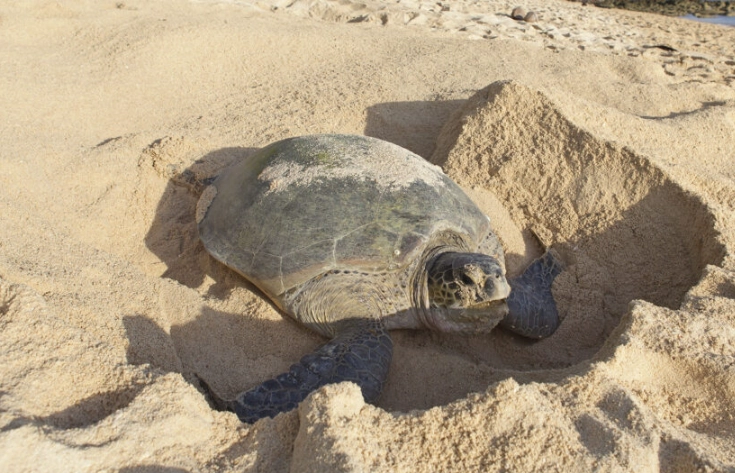
What NOT to Do (The Quick List)
- Never use white light. This includes flashlights, cell phone screens, camera flashes, or car headlights. White light disorients turtles and can cause a nesting female to abort her mission or lead hatchlings inland to their deaths. Use ONLY red or amber LED lights, and keep them pointed at the ground.
- Never touch a sea turtle. It's stressful for them, it's illegal under the Endangered Species Act, and you can introduce bacteria or damage their protective slime coat.
- Never crowd a turtle. Give her space. A good guide will position you behind her, out of her line of sight. Your shadow or silhouette can spook her.
- Fill in holes and knock down sandcastles. Do this before you leave the beach for the day. These are major obstacles and death traps for both nesting adults and hatchlings.
Why are these rules so strict? Imagine you're exhausted, hauling yourself onto land for the first time in years to perform a vital, instinct-driven task. Suddenly, a bright light blinds you, and shadowy figures are closing in. You'd turn around and bail, right? For a turtle, that aborted nesting attempt wastes precious energy and delays the continuation of her species. It's a big deal.
The mantra is: Observe, don't interact.
Should You Go Guided or Solo?
This is a common question. My strong, strong recommendation is to go with a permitted, guided tour, especially for your first time. Here's why:
- Legal Access: Many of the best beaches are closed to the public at night or require a permit for nighttime wildlife observation. Guides have these permits.
- Expertise: They know how to spot tracks (crawls), approach turtles safely, and interpret behaviors. You'll learn so much more.
- Ethics Enforcer: They ensure the group follows the rules, protecting the turtles from well-meaning but misguided tourists.
- Higher Success Rate: They know the beaches, the current nesting hotspots, and the patterns.
Going solo is risky. You might trespass, use the wrong light, disturb a turtle without realizing it, or simply see nothing. I tried the solo route once on a public beach (where it was technically allowed) and spent three hours finding only raccoon tracks. It was a long, mosquito-filled lesson.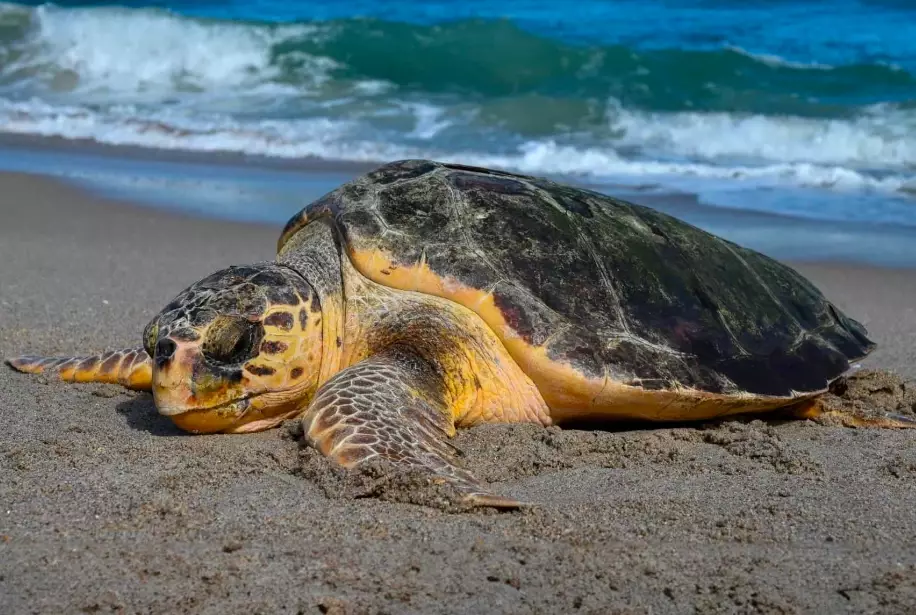
What to Expect on a Guided Turtle Walk
So you've booked a tour. What's the actual night like? It's not a zoo exhibit; it's a patient waiting game in nature's theater.
- The Briefing: You'll meet your group at dusk. The guide will go over the rules in detail – lights, silence, distance. Listen carefully.
- The Walk: You'll walk along the beach in the dark (with your red light). The guide is looking for fresh "crawls" – the tracks left by a turtle coming ashore. It's surprisingly exciting to spot the wide, flipper-marked trail leading from the water.
- The Wait: If a turtle is found but still digging her body pit or egg chamber, you'll wait quietly at a distance. This can take 20-40 minutes. It's a time for quiet reflection, listening to the waves.
- The Observation: Once she starts laying eggs (she enters a trance-like state), the guide may slowly bring the group closer to watch from behind. You'll see the eggs dropping, like soft, white ping-pong balls. You might hear her breathing heavily. No flash, no talking. Just watch.
- The Return: After she covers the nest and camouflages it, she'll turn and head back to sea. This is often the best photo op (with no flash, just ambient light). You'll see her powerful flippers propel her back home.
The whole process, from finding her to watching her disappear into the surf, can take 1.5 to 2 hours. Sometimes you see nothing – that's the wild card. But being on a quiet, dark beach under the stars is rarely a bad thing.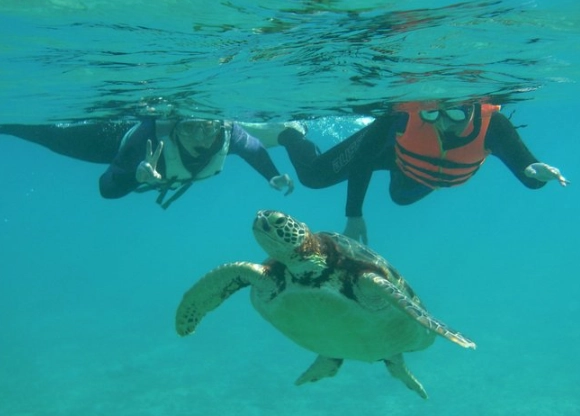
Beyond the Nest: Other Ways to Experience Sea Turtles in Florida
Can't make a night tour? Don't worry. There are other incredible, responsible ways to connect with these animals.
Visit a Rehabilitation Center
Places like the Loggerhead Marinelife Center (Juno Beach), The Turtle Hospital (Marathon in the Keys), and the Clearwater Marine Aquarium offer a chance to see rescued turtles up close. You'll learn about the threats they face – boat strikes, fishing gear entanglement, fibropapillomatosis (a viral tumor disease) – and see the dedicated work being done to heal them. It's a more controlled but deeply meaningful encounter. Admission fees support their vital work.
Snorkeling or Diving Encounters
Seeing a turtle gliding effortlessly in its ocean element is a whole different kind of magic. In places like the Florida Keys, John Pennekamp Coral Reef State Park, or even some springs (like Crystal River, though that's more for manatees), you might be lucky enough to swim alongside one.
In-Water Etiquette
If you're snorkeling or diving and see a turtle: DO NOT CHASE IT. Seriously. Just float still or move slowly. Let it approach you or go about its business. Never try to touch or ride it. Harassing marine life is illegal and stresses the animal. A calm, passive observer is often rewarded with a longer, more natural viewing.
Adopt a Nest or a Turtle
Many conservation centers offer symbolic adoptions. You'll typically get a certificate and updates on "your" nest or rehabilitated turtle. It's a great way to contribute directly to conservation and feel connected long after your trip. Check out programs from the Florida Fish and Wildlife Conservation Commission (FWC) or local groups like the Sea Turtle Conservancy.
Your Burning Questions Answered (FAQ)
Making a Difference: How to Be a Sea Turtle Ally
Your responsibility doesn't end when the tour is over. The biggest threats to sea turtles are human-made, which means we can also be the solution.
- Lights Out! If you're staying in beachfront property, close your blinds and turn off outdoor lights at night during nesting season. Support local "lights out" ordinances.
- Clean Beach = Safe Beach. Take all your trash, especially plastic bags (which look like jellyfish to turtles). Pick up fishing line and other debris. Participate in a beach clean-up.
- Watch Your Footprint. Literally. Don't drive on dunes or nesting beaches. Fill in holes.
- Choose Sustainable Seafood. Turtles get caught as bycatch in certain fisheries. Look for certifications or ask questions.
- Support the Good Guys. Donate to or volunteer with legitimate conservation organizations like the ones linked throughout this guide. Your tour fees often support them directly.
It feels good to be part of the solution.
Planning your sea turtle encounter in Florida with care and respect is what transforms it from a simple tourist activity into a profound, lifelong memory. It connects you to an ancient rhythm of nature that's been playing out on these sands for millions of years. By following the guidelines, choosing ethical tours, and supporting conservation, you're helping ensure that this incredible spectacle continues for generations to come.
Do your research, book early, pack your red light and your patience, and get ready for one of Florida's most authentic and awe-inspiring natural wonders. Trust me, it's worth every bit of planning.
Your comment