There's a magic to sea turtles that's hard to explain. It's in the ancient, unhurried rhythm of their flippers, the silent glide through blue water, and the wise, unblinking eye that seems to hold a million years of ocean secrets. For many of us, seeing one in the wild remains a dream. But did you know that some of the most profound, educational, and honestly thrilling meetings can happen not in the open ocean, but within the walls of a world-class adventure aquarium?
Let's be clear. I love the open ocean. But I've also spent enough time diving to know its fickle nature. Bad visibility, strong currents, and the simple reality that wildlife doesn't appear on demand. That's where a well-designed aquarium experience comes in. It's not a "lesser" adventure; it's a different kind of adventure. One that's guaranteed, climate-controlled, and packed with education. And for families, or those short on time, it's often the perfect introduction.
This guide is born from a decade of seeking out these encounters, from the Atlantic to the Pacific. I've made the mistakes so you don't have to. We're going to move beyond the basic "look at the turtle" experience and dive into what makes an encounter truly transformative.
Quick Guide: What You'll Learn
Why Your First Sea Turtle Encounter Should Probably Be in an Aquarium
I can already hear the purists scoffing. "It's not real!" they'll say. And in one sense, they're right. The tank walls are visible. The background might be a painted coral reef. It's a controlled environment. But here's the counterpoint I've developed after ten years: that control is precisely what makes it a powerful first step.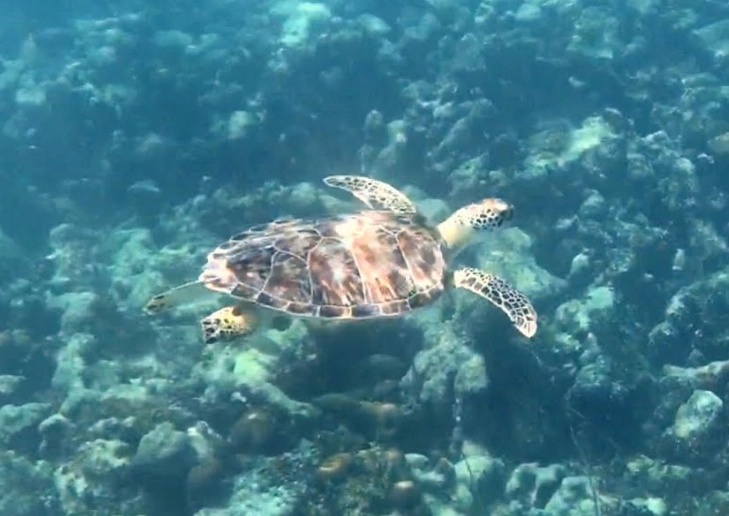
Think about learning to drive. You wouldn't start on a busy highway during a thunderstorm. You'd start in an empty parking lot. The aquarium is that empty parking lot for ocean exploration.
Let me give you a concrete example. My first wild sea turtle encounter was in the Caribbean. The water was choppy. I was so focused on not kicking up sand and controlling my buoyancy that the turtle – a majestic hawksbill – stayed for all of 30 seconds before it vanished into the blue. I was left with a blur of impressions and no decent photos.
Contrast that with my first aquarium encounter at the Two Oceans Aquarium in Cape Town. I was in a calm, shallow lagoon. A rescued green turtle named Leo, whose story I had just learned (he was found entangled in fishing line, now blind in one eye), approached me. He lingered. I could see the scars on his flippers up close. I could observe, for a full ten minutes, how he used his mouth to explore the enrichment ball the guide was holding. That experience, that intimate observation of behavior, lit a fire.
It made me a better, more patient, and more respectful diver when I later saw turtles in the wild. The aquarium removed the variables and let the animal itself be the focus.
How to Choose the Right Aquarium for Your Encounter: It's Not Just About Size
Most people pick an aquarium based on location or ticket price. That's a mistake. The container (the tank) matters less than what's happening inside it and who is facilitating the experience. Here are the three pillars I now use for evaluation:
1. The Conservation Backbone: Look for the Story
A great aquarium will shout its conservation mission, but a truly exceptional one will make you feel it in the details. Don't just look for the "SEA TURTLE RESCUE" sign in the lobby (though that's a good start). Dig deeper. When you visit the encounter area, look for these often-missed details:
- Are the turtles tagged? If so, is there an explanation? A simple sign like "I'm tagged for research!" with a QR code linking to a tracking project (like the Sea Turtle Status database) shows a commitment to science.
- What are their names? Not cutesy names like "Shelly," but names that often honor the person who rescued them or their origin. This personalizes their story.
- Read the small print on the glass. This is where the real gold is. Is the turtle a "permanent resident due to boat strike injury" or a "rehab patient nearing release"? This tells you about the aquarium's long-term care capacity and ethics.
A common mistake is to be drawn in by the flashiest, newest exhibit. An older aquarium with a well-established rescue and rehab program will often provide a much richer, more nuanced encounter. The Georgia Aquarium, which we'll discuss, is a masterclass in this.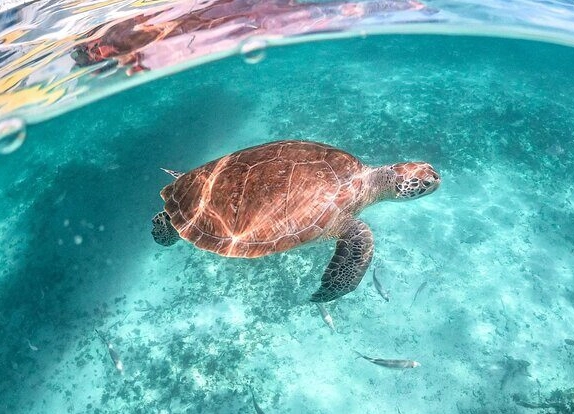
The Georgia Aquarium Example: Masterful Storytelling
Their "Journey with Gentle Giants" program isn't just about swimming with turtles. It's framed as a journey into the world of loggerhead conservation. Before you even get to the water, you walk through a detailed exhibit explaining the threats loggerheads face: from bycatch to plastic pollution. You see the rescue nets, the X-rays of turtles that swallowed hooks. Then, you meet the turtles. Each one has a nameplate not with just a name, but with a short, impactful story: "Argo: Rescued from a fishing net off the coast of Florida, 2022." This creates an immediate emotional connection and transforms the encounter from a simple swim into a meaningful story.
What to Expect During Your Visit: A Step-by-Step Walkthrough
Every aquarium structures its encounters a little differently, but most follow a similar flow. Knowing what's coming can help you relax and enjoy it more. Here's the typical timeline:
| Phase | What Happens | What You're Really Learning |
|---|---|---|
| Phase 1: The Briefing (15-20 mins) | Gathering in a dedicated room, introduction of guides, safety rules explained. | This is where you assess the professionalism of the staff. Are they rushed? Do they encourage questions? Do they emphasize "no touch" rules not just as a rule, but explain why (oils from our skin, stress)? |
| Phase 2: The Story (10 mins) | Educational talk. Biology, species identification, conservation threats. | This is the core. A good talk will connect the specific turtles you're about to see to the broader conservation picture. It should answer the "why" behind their presence. |
| Phase 3: The Preparation (5 mins) | Wetsuit fitting (if provided), final reminders, walking to the entry point. | Logistical efficiency. A well-run program has the right sizes ready and ensures everyone is comfortable. |
| Phase 4: The Entry (5 mins) | Slow, guided entry into the water. Usually seated on the edge, then sliding in. | The key moment. How they manage the group entry sets the tone for the entire experience. Is it calm and controlled? |
| Phase 5: The Encounter (20-40 mins) | The main event. Floating, observing, feeding (if allowed), photos. | This is the magic. A great guide will point out subtle behaviors, individual personalities of the turtles, and create space for personal awe. |
| Phase 6: The Exit & Debrief (10 mins) | Guided exit, towel-off, removal of gear, final group chat. | Often overlooked. This is where they should reinforce the conservation message and provide clear next steps (how to support, adopt, etc.). |
Let me share a personal story that illustrates a subtle mistake. I once saw a child, excitedly, try to swim after a turtle to get a better photo. The guide, instead of shouting, simply positioned herself between the child and the turtle's path and calmly said, "Let's see if he comes to us." And he did. The guide later explained to me that sudden movements, even from well-meaning participants, can spook the animals and alter their natural behavior for the rest of the session, ruining the experience for everyone. It's a small detail, but one that separates a good program from a great one.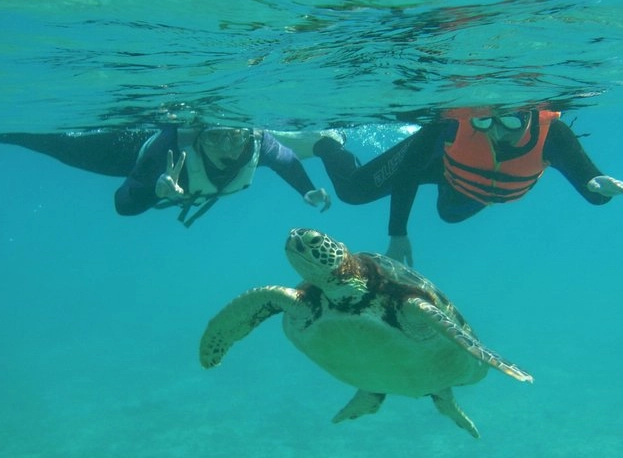
My Personal Global Top Picks: From Gentle Giants to Rescue Stories
Based on my criteria above, here are a few experiences that have stayed with me for all the right reasons. This is not a generic "Top 10" list you'll find everywhere. These are personal, curated based on the strength of their conservation story and the quality of the encounter.
1. The Gentle Giant Experience: Georgia Aquarium, USA
Location: 225 Baker St NW, Atlanta, GA 30313, USA
Ticket Price: The "Journey with Gentle Giants" program is an add-on to general admission. Prices start around $75-$100+ per person and vary by season and age. Book online for the best rates and availability.
Hours: Typically 9:00 AM - 9:00 PM, but always check their official website for holiday hours and program-specific timing.
Why it's special: This isn't just an encounter; it's an immersion into the world of loggerhead turtles. The sheer scale of the habitat (the largest single aquarium exhibit in the Western Hemisphere when it opened) allows for a sense of awe that smaller tanks can't match. The turtles are all rescued and cannot be released, and their stories are woven into the entire experience, from the pre-swim briefing to the signage. It feels less like an attraction and more like a pilgrimage.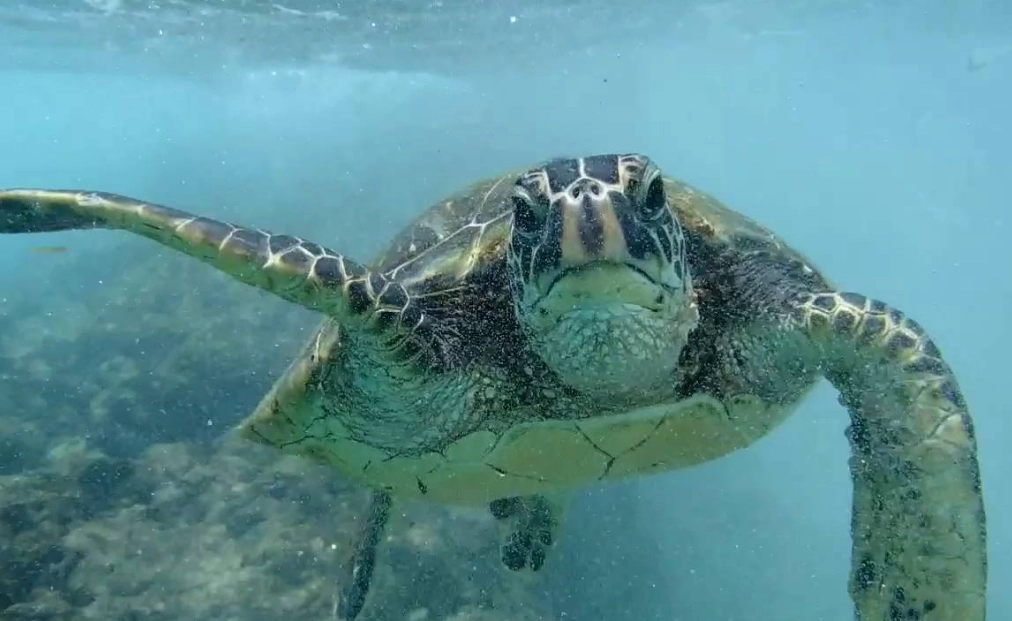
2. The Rescue & Rehabilitation Focus: Two Oceans Aquarium, South Africa
Location: Dock Rd, V&A Waterfront, Cape Town, 8001, South Africa
Ticket Price: The "Turtle Trail" snorkel is an additional activity. Expect to pay around 250-350 ZAR (South African Rand) on top of general admission. Check for combo deals.
Hours: 9:30 AM - 6:00 PM (Last entry at 5:00 PM).
Why it's special: This experience is raw, real, and focused on the reality of sea turtle conservation in South Africa. Many of the turtles you'll share the water with have permanent injuries from human activity (boat strikes, fishing line entanglement). The guides, many of whom are the actual rescuers or rehab staff, speak with a quiet passion that is utterly contagious. It's less of a show and more of a working classroom.
Your Questions Answered: The Sea Turtle Encounter FAQ
Is it safe to touch a sea turtle during an aquarium encounter?
In virtually every reputable program, the answer is a firm no, and there's a critical reason why. The rule isn't there to spoil your fun; it's the single most important protection for the animal. The oils, lotions, and even the natural salts on our skin can damage the turtle's protective coating and make them susceptible to infection. A good guide will explain this at the briefing not as a dry rule, but as a way to show respect for the animal's health. They'll teach you how to interact without touch, like how to float calmly to let the turtle approach you.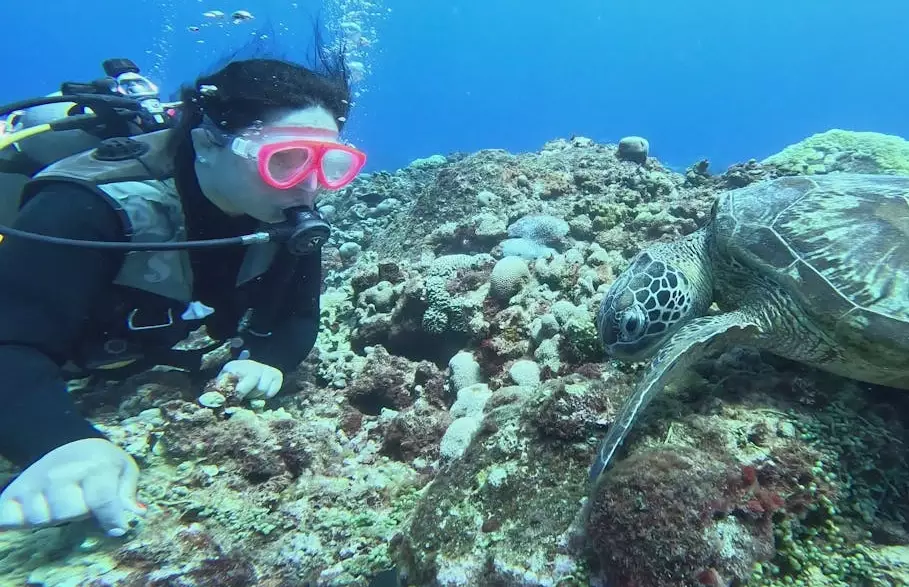
Can I take photos during the encounter?
Almost always, yes, but often with some restrictions. Flash photography is usually strictly prohibited as it can startle and disorient the turtles. Underwater camera housings might be provided or available for rent. The real pro tip? Ask the guide where the best light usually is. They know the tank and the turtles' habits. Sometimes, the most magical photo isn't of the turtle itself, but of the look of wonder on a child's face as the turtle glides by. Focus on capturing the experience, not just the subject.
What's the best age for a child to do this?
Age limits vary, but typically range from 8 to 12 years old. This has less to do with safety and more to do with attention span and the ability to follow instructions calmly in a new environment. I've seen 10-year-olds who are more composed and respectful than some adults. The key isn't the chronological age, but the child's comfort in water and ability to listen. A good program will have a separate, shallower area or a modified experience for younger children. My advice? If your child is anxious, start with a simple behind-the-scenes tour or a surface observation session. The full encounter can wait.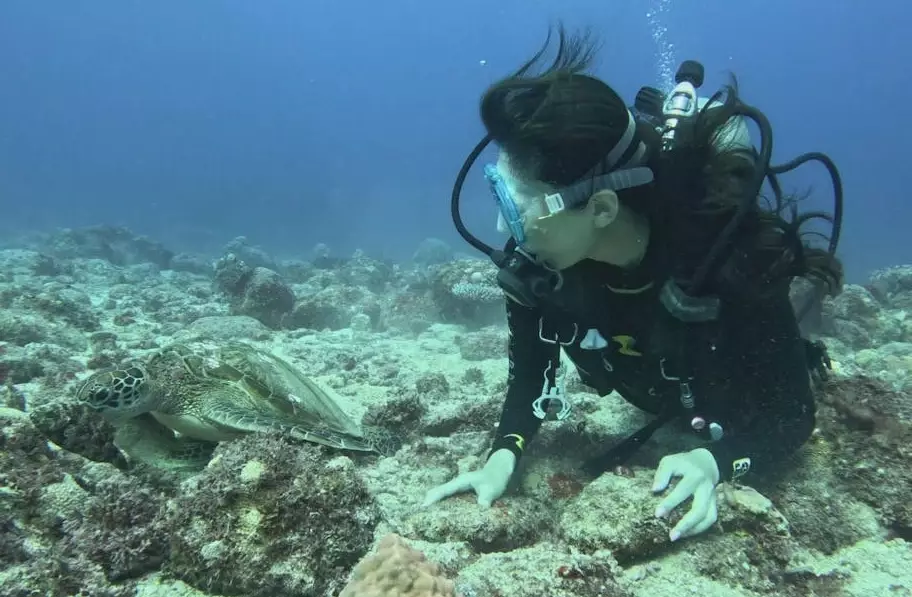
Aren't aquariums just prisons for these animals?
This is a complex ethical question. The modern, ethical aquarium's role has shifted dramatically. For many sea turtle species, particularly those rescued with injuries that prevent survival in the wild, a good aquarium isn't a prison; it's a sanctuary. It provides lifelong care that would be impossible in their natural habitat. The debate should move beyond "are they prisons?" to a more nuanced evaluation: "Are they providing a net benefit to conservation and education that outweighs the individual's lifetime in captivity?" Look for the ones that are transparent about their animal acquisition (almost all are now rescue-based), invest heavily in research and breeding programs (like the Association of Zoos and Aquariums members), and empower you with knowledge to make a difference beyond your visit.
Your comment