What You'll Discover
Let's cut right to the chase. If you typed "Are there sea turtles in NY?" into Google, you probably got a mix of confusing answers. Some sources say no, they're tropical creatures. Others mention rare sightings. The truth is a lot more interesting than a simple yes or no, and it involves lost travelers, warming waters, and some seriously tough ancient mariners showing up where you'd least expect them.
I used to think the same way. Sea turtles? Those belong on postcards from Florida or Costa Rica, not near the Statue of Liberty. Then a few years back, a friend who volunteers with a marine rescue group on Long Island sent me a blurry phone picture. It was a sea turtle, stranded on a bay beach in November. It looked completely out of place, like a penguin in a desert. That got me digging, and what I found completely changed my understanding of New York's marine life.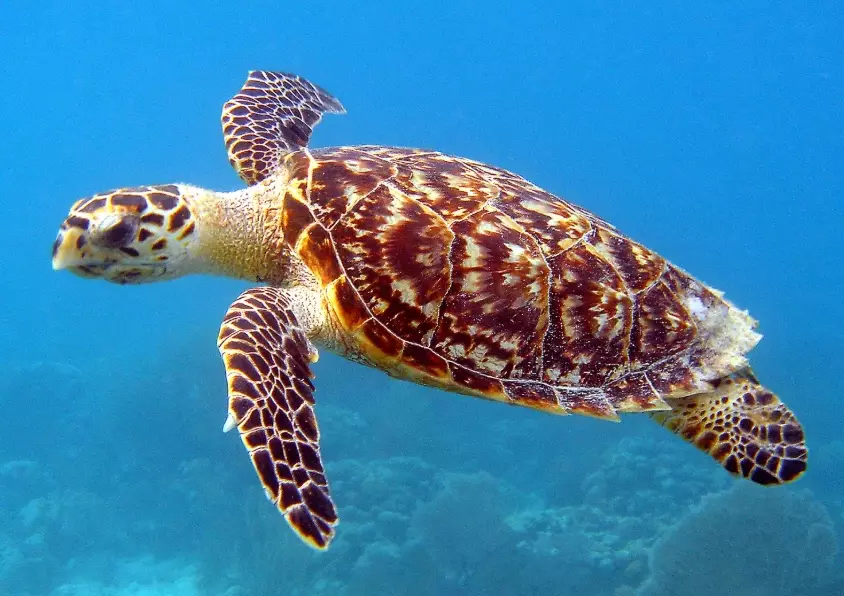
The Short Answer: Yes, there absolutely are sea turtles in New York waters. They are not residents, but seasonal visitors. Several endangered species regularly venture into the bays, estuaries, and even the ocean near NYC and Long Island, primarily during the warmer months from late spring through early fall. Finding one is rare and special, but it happens more often than you'd think.
So why are they here? Most are juveniles, sort of like teenage turtles, exploring and feeding. They follow warm currents and food sources. The Gulf Stream, that giant river in the ocean, can push warm water and the animals in it right up the Atlantic coast. Sometimes young turtles get a little too adventurous, ride that current a bit too far north, and end up in New York. Think of it as a turtle gap year that goes slightly off course.
Wait, Which Sea Turtles Are We Talking About?
Not just one kind. New York's cooler waters see a handful of species, each with its own story. It's not a massive population, but the diversity is surprising. If you're lucky enough to spot one, figuring out which species it is can be tricky. Their size, shell shape, and the number of scales on their heads are the big giveaways.
| Species | Likelihood in NY | Typical Size in NY Waters | Key Identifying Features | Conservation Status (Federal) |
|---|---|---|---|---|
| Kemp's Ridley Sea Turtle | Most Common Stranding | Dinner plate to large pizza (juveniles) | Almost round shell, gray-green color, 2 pairs of prefrontal scales between eyes. | Endangered |
| Green Sea Turtle | Fairly Common Visitor | Medium to large (juveniles/sub-adults) | Smooth, heart-shaped shell, serrated lower jaw, single pair of prefrontal scales. | Threatened (Endangered in some areas) |
| Loggerhead Sea Turtle | Occasional Visitor | Can be quite large (juveniles to adults) | Large head, reddish-brown heart-shaped shell, 5 lateral scutes (plates) on shell. | Threatened |
| Leatherback Sea Turtle | Seasonal Ocean Visitor | Massive (the largest turtle on earth) | No hard shell! Leathery, ridged skin. Blue-black with white spots. | Endangered |
| Hawksbill Sea Turtle | Extremely Rare | Small to medium if seen | Beautiful overlapping scutes, hawk-like beak, 2 pairs of prefrontal scales. | Endangered |
Looking at that table, the Kemp's Ridley really stands out. It's the most frequent patient at New York rehab centers. These guys are critically endangered, and the fact that so many end up here, often in trouble, is a huge concern for biologists. The Leatherback is a different beast entirely—literally. They don't mind colder water because of their unique biology. They're giant, deep-diving jellyfish eaters that can sometimes be seen by offshore boaters or fishermen. Spotting one is a lifetime event.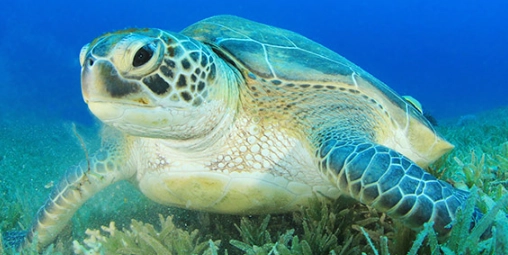
The Green and Loggerhead turtles are more about the buffet. They come for the seagrass beds, the crabs, the sponges, and other goodies in our sheltered bays like the Great South Bay, Jamaica Bay, or out towards the east end of Long Island. It's a seasonal restaurant for them.
When and Where to (Maybe) See a Sea Turtle in New York
You're not going to walk onto Coney Island and see one sunbathing next to the tourists. It doesn't work like that. Sea turtles in NY are elusive. But patterns exist.
Timing is Everything: The water temperature is the boss here. Activity starts to pick up in late May or June, once the shallow bay waters creep into the 60s (Fahrenheit). July, August, and September are peak months. By late October, as things cool down, the turtles should be heading south. The ones that don't leave in time are the ones that get into big trouble—a condition called "cold-stunning," which we'll get to in a minute.
Prime Locations: Think protected, food-rich waters.
- South Shore Estuaries of Long Island: This is the big one. Places like Moriches Bay, Shinnecock Bay, and the backwaters of the Hamptons are like turtle highway rest stops. The New York State Department of Environmental Conservation (DEC) often notes these as areas where turtles forage.
- Jamaica Bay (Gateway National Recreation Area): The extensive salt marshes and protected waters within sight of the NYC skyline provide habitat. Park rangers and researchers with the National Park Service have documented sightings here.
- Peconic Bay and Eastern Long Island Sound: The quieter, less developed eastern ends of the Island, around the North and South Forks.
- Offshore Ocean Waters: For Leatherbacks, you'd need to be miles out. Charter fishing boats or whale-watching trips (like those out of Montauk) sometimes report them in the summer.
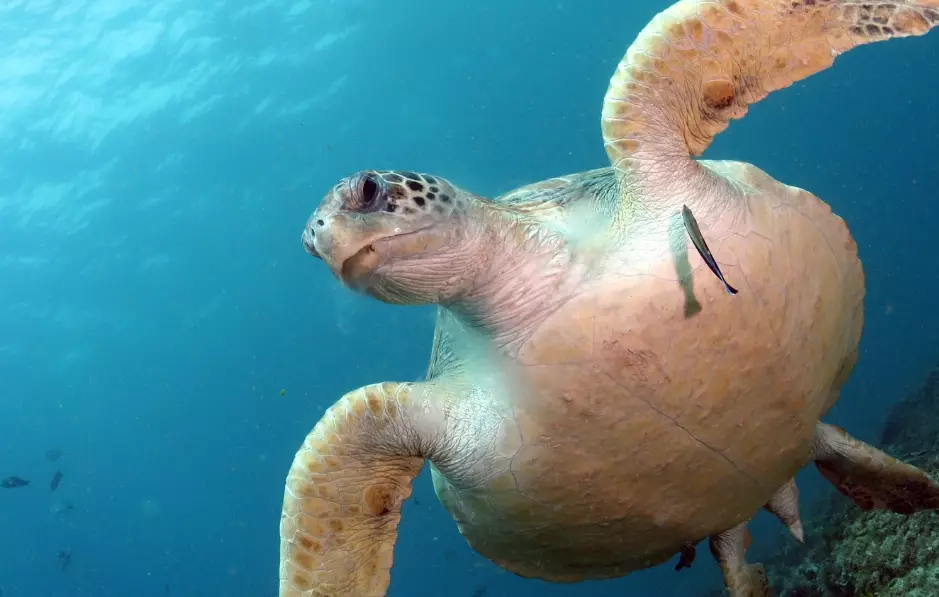
Important: Seeing a sea turtle is a privilege. If you're on a boat and see one, maintain a respectful distance—at least 50 yards is a good rule. Never chase, circle, or attempt to touch or feed one. It's stressful for them and illegal under the Endangered Species Act.
I've spent countless summer hours kayaking in some of these bays, hoping for a glimpse. I've seen plenty of diamondback terrapins (our local brackish water turtle), but a sea turtle has eluded me so far. A commercial fisherman I spoke to in Shinnecock, though, said he sees small Greens "every few seasons" tangled in his crab pots, which he carefully releases. They're out there.
The Big Problem: "Cold-Stunned" Turtles in New York
This is the dark side of the "are there sea turtles in NY" story. It's also where the question gets really urgent. Cold-stunning is a hypothermia-like condition that affects sea turtles when water temperatures drop rapidly, and they haven't migrated south in time.
Think of a reptile, which relies on external heat. When the water they're in suddenly plummets into the 40s or 50s (F), their body functions slow to a crawl. They become lethargic, unable to swim or lift their heads to breathe. They float listlessly, often washing ashore with the tide, appearing dead. Without intervention, they will die from drowning, predation, or boat strikes.
Every late fall and winter, dedicated teams from organizations like the Atlantic Marine Conservation Society (AMSEAS) and the Riverhead Foundation for Marine Research and Preservation patrol Long Island's beaches in what they call "cold-stun patrols." They rescue hundreds of turtles in some years, mostly juvenile Kemp's Ridleys. It's a massive, coordinated rescue effort involving volunteers, biologists, and even the Coast Guard.
Why does this happen here? The geography of Long Island's south shore is a perfect trap. Turtles feeding in those shallow, winding bays can get confused as the temperature drops. They try to head out to the open ocean to swim south, but the only exits are narrow inlets. If a sudden cold snap hits, they're trapped in the cooling bathtub of the bay.
What To Do If You Find a Sea Turtle in New York
This is the most critical information you can have. Whether it's summer or winter, if you see a sea turtle on shore or struggling in the water, your actions matter.
1. Do NOT put it back in the water. This is the instinct, but it's often wrong. A turtle on a beach is in distress. Putting a cold-stunned turtle back into cold water is a death sentence. Even in summer, a turtle on land is likely sick or injured.
2. Note the exact location. Use your phone's GPS or note landmarks. Rescuers need to find it.
3. Call for help immediately. Do not try to handle the turtle yourself beyond moving it to a safe, dry, and quiet place above the tide line (if safe to do so). The New York State DEC has a 24-hour hotline for exactly this. You can also call the local police, who have contact lists for wildlife responders.
- New York State DEC Stranding Hotline: (631) 369-9829 (This is the direct line often listed for marine mammal and sea turtle strandings on Long Island).
- Riverhead Foundation Hotline: (631) 369-9840
- Atlantic Marine Conservation Society (AMSEAS): (631) 317-0030
4. Keep it quiet and calm. Minimize noise and disturbance. Don't crowd it. If it's cold out, you can place dry towels or blankets around (not over) the turtle, but do not attempt to warm it directly with hot water or heaters. Rapid rewarming can be fatal.
Digging Deeper: Your Questions Answered
Do sea turtles nest on New York beaches?
This is the million-dollar question, and the answer, for now, is a definitive no, they do not. All sea turtle species that visit NY have their nesting beaches hundreds or thousands of miles to the south, primarily in the southeastern U.S., the Gulf of Mexico, and the Caribbean.
However. And this is a big however. With climate change warming our waters and extending the warm season, scientists are watching closely. A few years ago, there was a verified Loggerhead nest in New Jersey—the northernmost ever recorded. It failed, but it was a sign. Could it happen in NY one day? The possibility is no longer science fiction. The National Oceanic and Atmospheric Administration (NOAA) Fisheries tracks nesting data and range shifts, and a nest in NY would be major news in the marine biology world.
Why is seeing a sea turtle in New York so rare compared to Florida?
It boils down to ecology and life cycle. Florida is a core habitat: warm year-round, with abundant food and, crucially, nesting beaches. Turtles are born there, live there, and return to nest there. New York is the periphery—the far northern edge of their feeding range. It's like asking why you see more maple trees in Vermont than in Georgia. One place is the heart of their home, the other is the very edge of where they can survive.
How is climate change affecting sea turtles in New York?
It's a double-edged sword, and honestly, the negatives probably outweigh the positives right now.
Potential "Benefits": Warmer water could mean a longer feeding season in NY, potentially allowing turtles to grow bigger and healthier before migrating. It might (might) reduce the window for cold-stunning events if winters are milder.
Major Risks:
- More False Starts: Warmer falls might trick turtles into staying later, then a sudden early cold snap could catch more of them.
- Disease: Warmer waters can promote the spread of pathogens like fibropapillomatosis, a herpesvirus that causes debilitating tumors in Green sea turtles.
- Food Web Disruption: Warming changes the types and locations of jellyfish, crabs, and seagrass, scrambling the menu.
- Sex Ratios: Sea turtle sex is determined by nest temperature. Warmer nesting beaches to the south are already producing heavily female-biased hatchling populations, a long-term threat to genetic diversity.
Can I volunteer to help sea turtles in New York?
Absolutely! This is one of the best ways to get involved. The organizations that do the rescue and rehab work often rely on trained volunteers. Roles can include:
- Beach patrols during cold-stun season (training required).
- Public education and outreach at events.
- Support work at rehabilitation centers (cleaning tanks, preparing food).
- Data entry and fundraising.
Reach out to the Riverhead Foundation or the Atlantic Marine Conservation Society to inquire about their volunteer programs. It's not glamorous work—it's often cold, wet, and involves a lot of cleaning—but it's directly impactful.
I volunteered on a few weekend beach surveys one fall. We didn't find any turtles that day, just some tracks from raccoons and a lot of seaweed. But the biologist leading us showed us how to identify the high tide line and where a turtle was most likely to wash in. It was eye-opening to see how methodical the search is. You realize these rescues aren't luck; they're built on system and science.
The Bottom Line: Respect and Protect
So, are there sea turtles in NY? Unequivocally yes. They are rare, wild visitors that grace our waters. Their presence here is a reminder of how connected our ocean ecosystems are—an animal hatched on a beach in Mexico can end up feeding in a bay in New York.
Their future here is uncertain, tangled up with climate change, pollution, and boat traffic. But there are concrete things we can all do to help, even if we never see one:
- Reduce Plastic Use: Plastic bags in the water look like jellyfish to a Leatherback. Straws, balloons, and packaging can be ingested or cause entanglement.
- Dispose of Fishing Line Properly: Monofilament line is a silent killer. Cut lines left in the water can wrap around flippers and necks. Many bait shops have recycling bins for old line.
- Be Mindful Boating: Go slow in shallow bays and channels, especially in summer. A turtle coming up for air is no match for a propeller.
- Support Conservation Organizations: The groups doing the rescue and research work on the ground need funding.
- Spread the Word: Just knowing the answer to "are there sea turtles in NY?" and what to do if you see one makes you part of the solution.
The next time you're on a Long Island beach or out on the water, look a little closer. That dark shape in the waves might just be a rock. But maybe, just maybe, it's a ancient voyager, a reminder that New York's marine world still holds wild surprises.
Your comment