So, you're asking, "Can you go swimming with sea turtles?" The short answer is yes, absolutely. But here's the thing—it's not just about jumping into the water and hoping for the best. As someone who's been snorkeling and diving with sea turtles for over a decade, from the reefs of Hawaii to the coasts of Costa Rica, I've learned that a successful encounter hinges on knowing where to go, how to behave, and why it matters. This guide cuts through the noise to give you everything you need for an ethical and unforgettable experience.
What You'll Find in This Guide
Is It Really Possible to Swim with Sea Turtles?
Yes, but with caveats. Sea turtles are wild, protected animals, and in most places, swimming with them is allowed only under specific conditions. For instance, in Hawaii, green sea turtles are common near shorelines, but you must keep a distance of at least 10 feet (3 meters) as per local regulations. I remember my first time at Hanauma Bay in Oahu—I saw a massive turtle gliding by, and the urge to reach out was strong, but I held back. That's key: respect their space.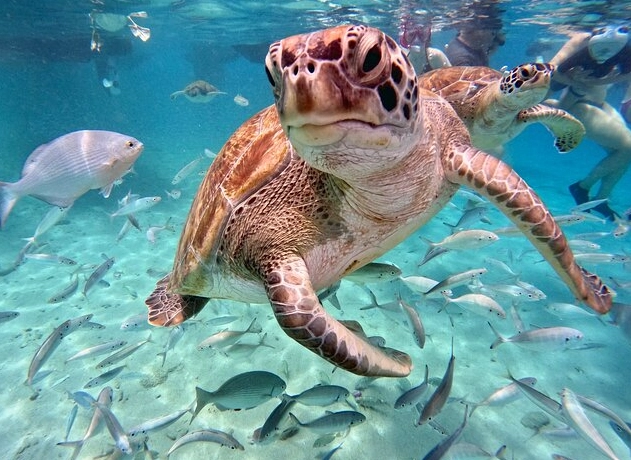
According to the National Oceanic and Atmospheric Administration (NOAA), all sea turtle species in U.S. waters are listed under the Endangered Species Act. This means interactions are regulated to prevent harm. In many destinations, guided tours are the way to go, as they ensure compliance with laws. So, can you swim with them? Absolutely, but it's a privilege, not a right. You'll need to choose locations wisely and follow guidelines to avoid fines or, worse, damaging these creatures' habitats.
Top Destinations for Swimming with Sea Turtles
Not all spots are created equal. Some places offer consistent sightings, while others are seasonal. Based on my travels and reports from marine biologists, here are the top five destinations where you're likely to have a magical encounter.
| Destination | Country | Best Time to Visit | Sea Turtle Species | Key Notes |
|---|---|---|---|---|
| Hanauma Bay | USA (Hawaii) | Year-round, peak in summer (June-August) | Green Sea Turtles | Protected nature preserve; entry fee required; no touching allowed. |
| Tortuguero National Park | Costa Rica | July-October for nesting, year-round for swimming | Green, Leatherback, Hawksbill | Guided tours mandatory; remote location; focus on conservation. |
| Great Barrier Reef | Australia | November-March (warmer months) | Green, Loggerhead | Multiple access points like Heron Island; snorkeling and diving options. |
| Akumal Bay | Mexico | May-September | Green, Loggerhead | Shallow waters; often crowded; consider early morning visits. |
| Gili Islands | Indonesia | April-October (dry season) | Green, Hawksbill | Affordable tours; turtle sanctuaries; beware of strong currents. |
Each destination has its quirks. In Costa Rica, for example, Tortuguero is less about swimming and more about observing nesting turtles, but you can snorkel in nearby canals. The Great Barrier Reef offers deeper dives where turtles feed on coral—I once spent an hour watching a green turtle munch on seagrass, and it was mesmerizing. Remember, seasons matter: in Hawaii, summer brings calmer waters, but winter can have rougher surf.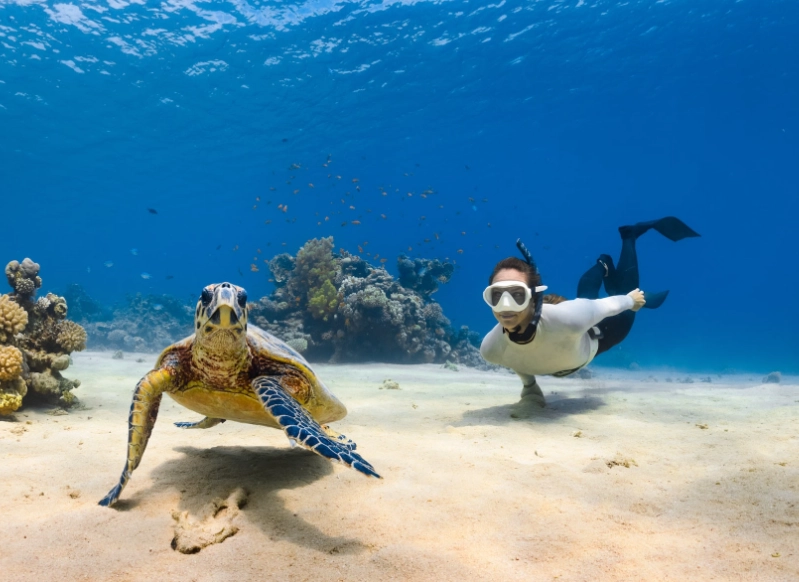
Why These Spots Work
These locations are often protected areas with healthy ecosystems. According to the World Wildlife Fund (WWF), sea turtles thrive where there's minimal pollution and human disturbance. That's why places like Hanauma Bay have strict visitor limits—it's about balance. If you're planning a trip, check local websites for updates; for instance, Hawaii's Division of Aquatic Resources posts guidelines on turtle interactions.
How to Prepare for Your Sea Turtle Adventure
Preparation isn't just about packing gear; it's about mindset. Too many people show up expecting a petting zoo, and that's where things go wrong. Let's break it down.
Essential Gear You'll Need
You don't need fancy equipment, but a few basics make a difference:
- Snorkel Set: Mask, snorkel, and fins. Opt for a dry-top snorkel to avoid swallowing water—trust me, it's a game-changer in choppy conditions.
- Rash Guard or Wetsuit: Protects from sun and jellyfish stings. In cooler waters like Australia, a 3mm wetsuit helps.
- Reef-Safe Sunscreen: Chemicals in regular sunscreen harm coral and turtles. Look for brands with zinc oxide or titanium dioxide.
- Waterproof Camera: But avoid flash! Sea turtles have sensitive eyes; flash photography can disorient them.
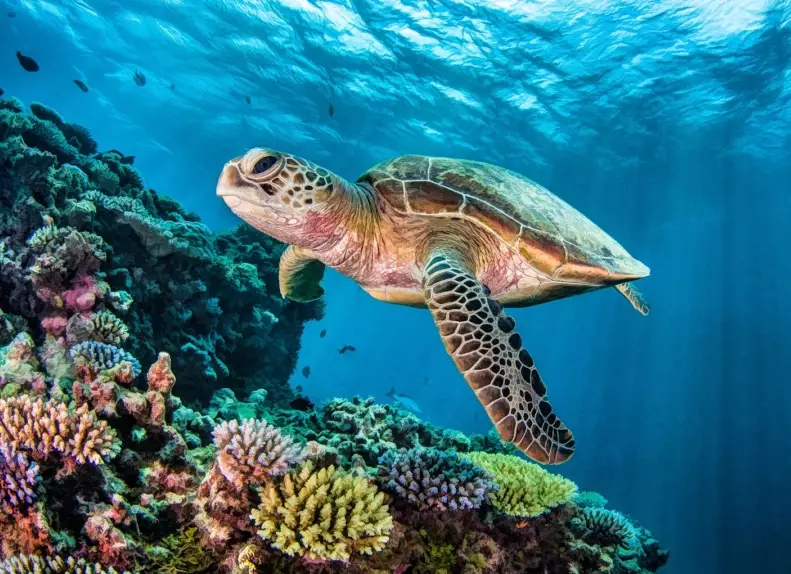
I learned the hard way about sunscreen: on a trip to Maui, I used a chemical-based one and later read studies linking it to coral bleaching. Now, I only use reef-safe options.
Skills and Knowledge
You don't need to be an Olympic swimmer, but basic swimming skills are a must. If you're not comfortable in open water, start in a pool or shallow area. Also, learn about sea turtle behavior: they surface to breathe every few minutes, so if you see one coming up, give it space. A common mistake is hovering directly above—turtles need to access the surface easily.
Safety and Ethics: Expert Do's and Don'ts
This is where most guides gloss over the nuances. As a marine enthusiast, I've seen subtle errors that even experienced travelers make. Let's dive into the real do's and don'ts.
Do's
- Do maintain distance: Stay at least 10 feet (3 meters) away. This reduces stress and prevents accidental contact.
- Do move slowly: Approach from the side, not head-on. Turtles perceive direct approaches as threats.
- Do respect local rules: Many sites have specific guidelines, like no feeding or touching. Ignoring them can lead to fines.
- Do choose eco-tours: Operators certified by groups like the Global Sustainable Tourism Council prioritize turtle welfare.
Don'ts
- Don't touch or chase turtles: Their shells have a protective mucus layer; human touch can remove it, leading to infections. Chasing exhausts them.
- Don't use flash photography: It can temporarily blind turtles, making them vulnerable to predators.
- Don't crowd them: If you see a turtle, give it an escape route. I've seen groups surround a turtle, causing it to panic and dive deep.
- Don't wear jewelry or loose items: These can snag on coral or scare turtles with reflections.
Here's a non-consensus point: many think bubbles from scuba diving are harmless, but in confined spaces, bubbles can startle turtles. If you're diving, exhale slowly and avoid blowing bubbles directly at them. It's a small detail, but it shows respect.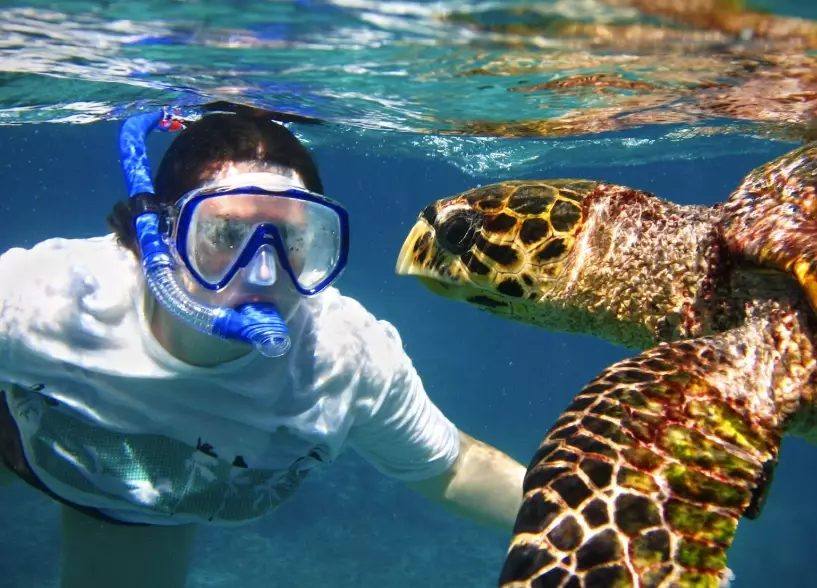
According to a report from the Marine Conservation Society, irresponsible tourism is a growing threat to sea turtles. By following these tips, you're not just having fun—you're contributing to conservation.
Your Questions Answered (FAQ)
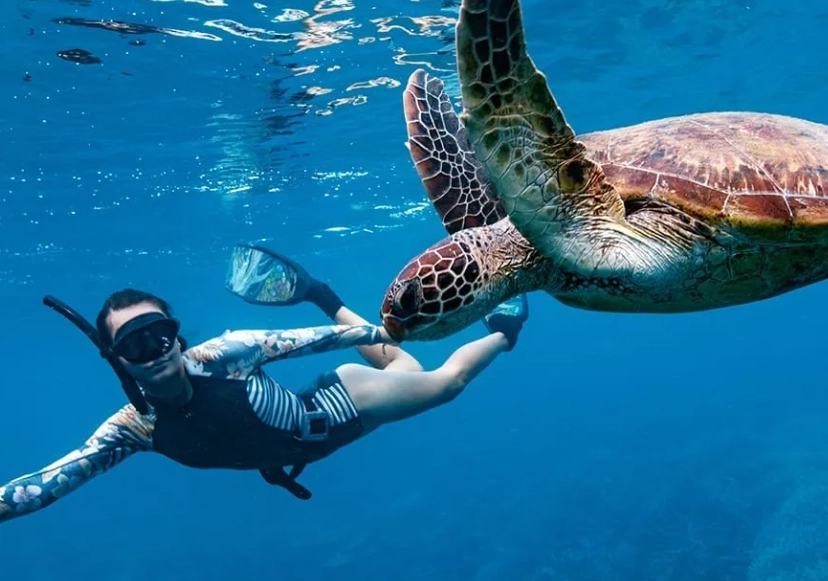
Swimming with sea turtles is more than a bucket-list item; it's a chance to connect with nature responsibly. By choosing the right destination, preparing well, and following ethical guidelines, you'll create memories that last while protecting these incredible creatures. Ready to dive in? Start planning your trip, and remember—every encounter is a step toward conservation. Share your stories, but always put the turtles first.
Your comment