In This Guide
So you're dreaming of seeing a sea turtle in the wild? I get it. There's something utterly magical about watching these ancient creatures emerge from the surf under a moonlit sky. But if you're scratching your head wondering, "What month is best to see sea turtles?", you've hit the first major planning hurdle. And let me tell you, getting this wrong means you might just see a whole lot of empty beach.
I remember my first attempt. I showed up in September, full of hope, at a beach famous for its turtles. I got a nice vacation, sure, but the main event was long over. The nests were quiet, the tracks were faded. Lesson learned the hard way.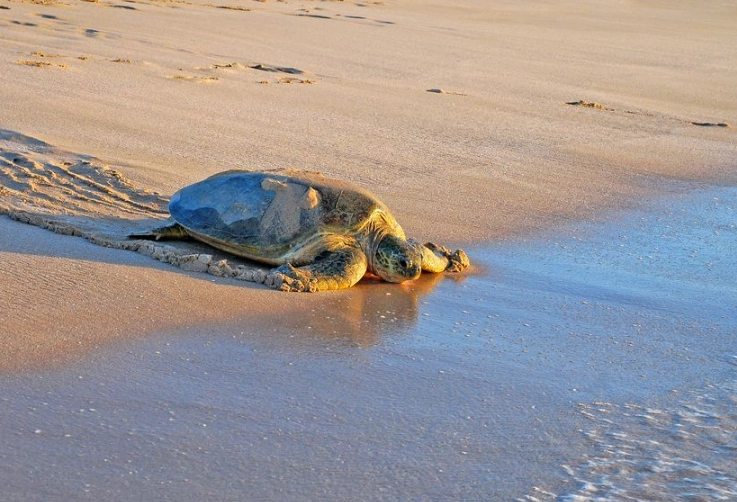
The short, honest answer? There's no single "best" month for the entire planet. It's a trick question. The perfect month depends entirely on where in the world you are and which of the seven sea turtle species you hope to see. For most popular nesting sites, the sweet spot for witnessing adult turtles lay eggs falls between May and October in the Northern Hemisphere, and October to March in the Southern Hemisphere. But that's just the broadest of brushstrokes.
We're going to get into the weeds here. We'll break it down by region, by species, and even talk about whether you want to see giant mamas nesting or tiny hatchlings scrambling to the sea (honestly, I think the hatchling experience is even more magical).
Why Timing is Everything: The Sea Turtle Lifecycle Clock
You can't just rock up to any beach anytime and expect a turtle show. Their lives run on a deep, biological timer tied to warmth, moon phases, and ancestral memory. Understanding this cycle is the key to answering "what month is best to see sea turtles" for yourself.
Female sea turtles are creatures of incredible habit. They often return to nest on or near the very beach where they hatched, sometimes decades later. The nesting season is triggered by warmer sand and water temperatures. This is why tropical and subtropical regions have longer, more defined seasons.
The process is exhausting. She hauls herself up the beach, digs a body pit with her flippers, then carves out a perfect egg chamber with her rear flippers. After laying a clutch of 80-120 soft, ping-pong ball-like eggs, she carefully covers the nest, disguises it, and heaves herself back to the ocean. This can take hours. She might do this several times in a single season, about two weeks apart.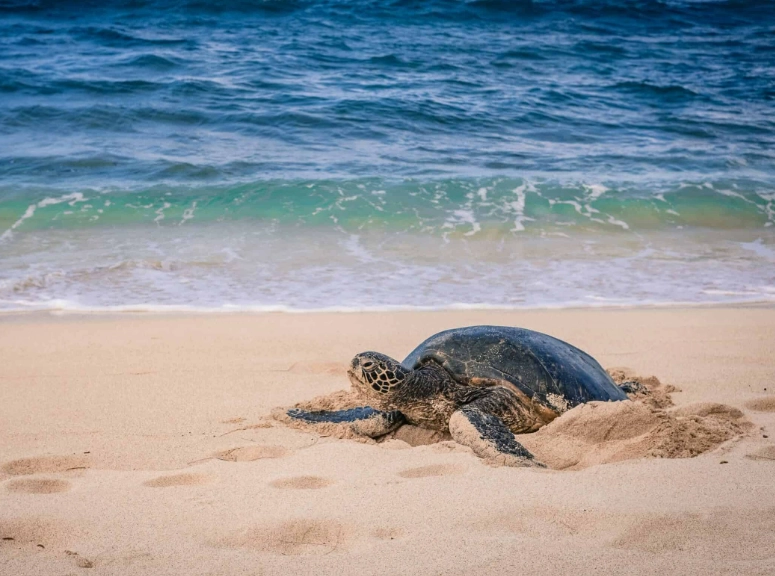
Watching a leatherback turtle nest in Costa Rica was one of the most humbling experiences of my life. The sheer size of her, the rhythmic, heavy breathing, the focused determination—it's not a cute wildlife documentary moment. It's raw, primal, and you feel privileged just to be there, whispering in the dark.
After about 45 to 70 days of incubation, depending on the species and sand temperature, the hatchlings emerge. This usually happens at night to avoid predators. This is the other peak viewing opportunity—the hatchling frenzy. So when you're planning, you need to decide: do you want the solemnity of the nesting, or the chaotic dash of the babies?
The Global Calendar: Where and When to Go
This is the meat of it. Let's map it out. I've put together a table that summarizes the prime windows for some of the world's most famous and accessible sea turtle watching destinations. Remember, these are peak periods; nesting can start earlier and end later, but this is when your odds are highest.
| Region & Key Locations | Best Months for Nesting (Adults) | Best Months for Hatching | Primary Species You'll See |
|---|---|---|---|
| Southeastern USA (Florida, Georgia, South Carolina) | May – August (Peak: June-July) | July – October | Loggerhead, Green, Leatherback (rare), Kemp's Ridley (rare) |
| Caribbean & Mexico (Costa Rica, Trinidad, Puerto Rico, Yucatán) | March – October (Varies hugely by island) | May – December | Leatherback, Hawksbill, Green, Loggerhead |
| Indian Ocean (Oman, Sri Lanka, Maldives) | May – September (Oman: Jul-Oct) | July – November | Green, Olive Ridley, Hawksbill, Loggerhead |
| Southeast Asia & Australia (Great Barrier Reef, Malaysia, Philippines) | October – March (Peak: Nov-Feb) | December – April | Green, Flatback (Australia only), Hawksbill, Loggerhead |
| Eastern Pacific (Costa Rica (Pacific), Nicaragua) | July – December (Leatherbacks: Oct-Mar) | September – February | Olive Ridley (mass arrivals), Leatherback, Hawksbill |
See how it flips? While Florida is winding down in August, Australia is just gearing up. This global stagger is great news—it means there's almost always a "best month to see sea turtles" somewhere.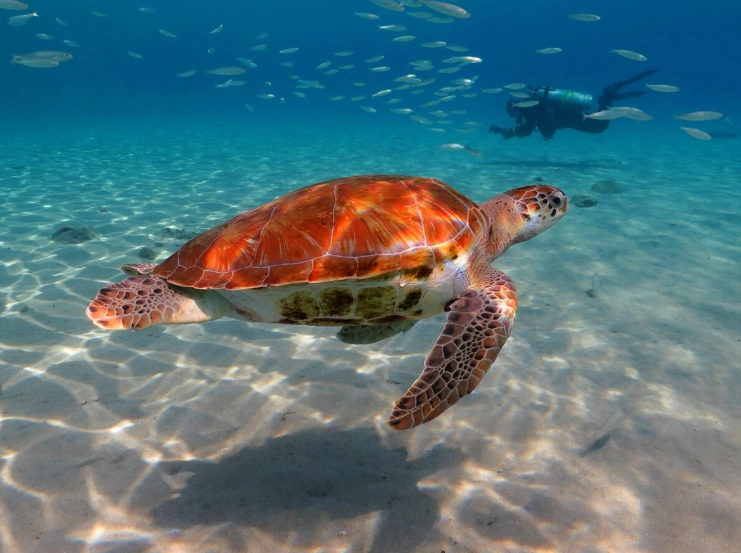
Deep Dive: The Florida Example
Let's use Florida because it's a major destination. The Florida Fish and Wildlife Conservation Commission runs a fantastic, detailed nesting survey program. Their data shows a clear bell curve.
Nesting starts trickling in April. May sees a steady increase. Then June and July? That's the absolute pinnacle. The beaches are busy with loggerheads and greens. By August, it's starting to taper off, though leatherback nesting might have peaked earlier in the spring. So if you forced me to pick one month in Florida, I'd say late June. You have peak nesting activity, and the first major hatchling emergences are beginning, so you might get a two-for-one.
But here's a local tip they don't always advertise: early season (May) can be less crowded with tourists. The turtles are a bit less predictable, but you have more beach to yourself.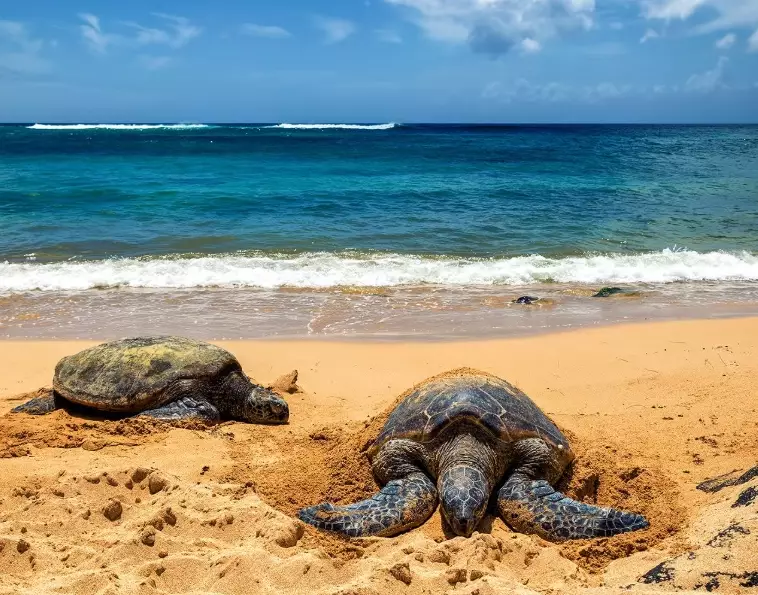
Beyond the Month: Factors That Make or Break Your Trip
Picking the right month is 70% of the battle. The other 30% is these finer details that separate a good experience from a great one.
Moon Phase Matters (Seriously)
Turtles, especially hatchlings, use the natural light horizon over the ocean to find their way. A bright, full moon can disorient them. The darkest nights around the new moon are often the most active for nesting and are crucial for hatchling releases. Many guided tours schedule around this. It's not a hard rule, but it stacks the odds in your favor.
Time of Day: Nesting is almost exclusively after dark, usually from around 8 PM until midnight or later. Hatchlings typically emerge at night too. Forget about a midday turtle sighting on the beach—it's a night game.
Tide: Higher tides make it easier for turtles to climb the beach. Many guides say nesting activity is higher on incoming and high tides.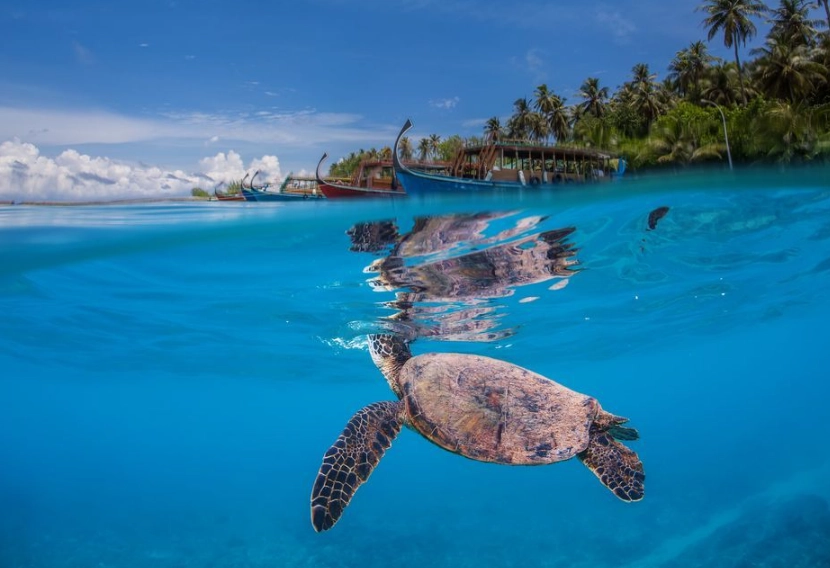
The Ethical Non-Negotiables
This is where I get on my soapbox. Our desire to see these vulnerable creatures must not harm them. Always, always, always:
- Use a reputable, licensed guide. They know the rules, keep groups small, and use red-filtered flashlights that don't disturb turtles. Going alone and shining a white light is a great way to scare off a turtle or lead hatchlings to their death.
- Keep your distance. Follow the guide's instructions. Never touch a turtle (it can cause her to abandon nesting) or crowd a nest.
- Leave no trace. Take all trash, fill in any holes you dig, and flatten sandcastles at the end of the day. These are major obstacles for both adults and hatchlings.
For the best practices backed by science, the IUCN Marine Turtle Specialist Group is the global authority. Their resources are gold.
Your Burning Questions, Answered
I've gotten a ton of questions over the years. Here are the ones that come up again and again.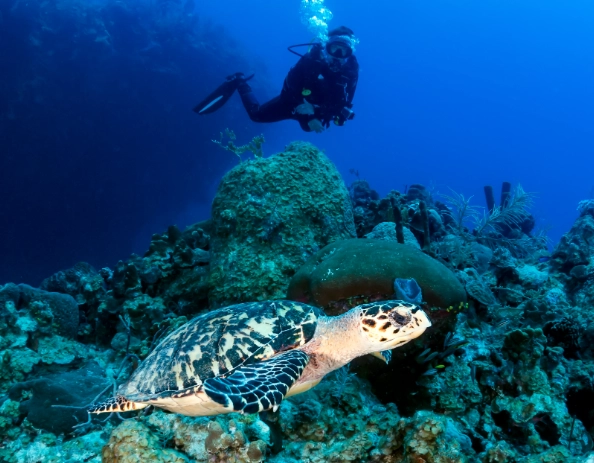
Can I see sea turtles year-round?
In the water, yes! Snorkeling or diving in healthy coral reefs or seagrass beds (like in Hawaii, parts of the Caribbean, or the Great Barrier Reef) can yield turtle sightings any month. They live there. But for the specific, dramatic beach nesting ritual, you are locked into those seasonal windows.
What's better, nesting or hatching?
It's personal. Nesting is solemn, powerful, and longer. You watch the full, laborious process. Hatching is pure, chaotic joy—a minute-long sprint of dozens of tiny lives. It's over quickly, but the energy is electric. I recommend trying to see both if your timing allows.
Are there any guarantees?
Absolutely not. This is wild animal behavior. You can go in the peak week and have a stormy night where no turtles come up. Or you can have a lucky off-night. That's the deal. Book for multiple nights to increase your chances dramatically.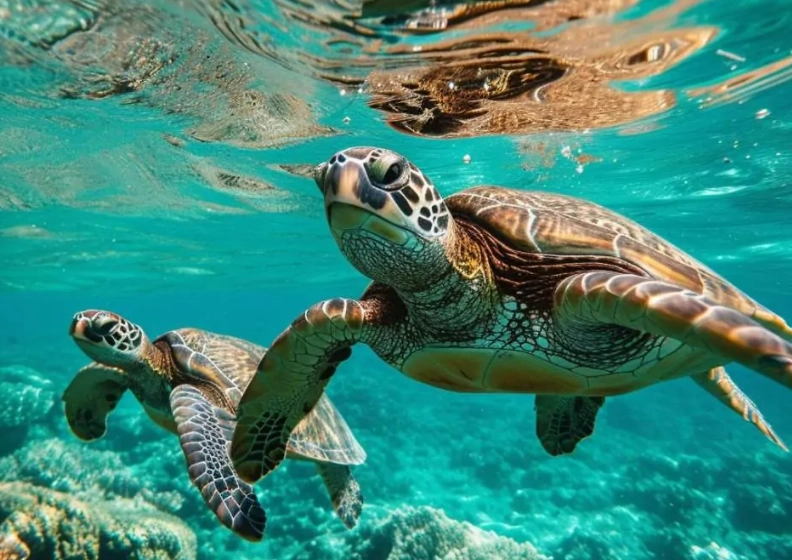
Where's the most reliable place?
For sheer numbers during peak season, places like Tortuguero (Costa Rica), Ras Al Jinz (Oman), and the Archie Carr Refuge (Florida) are world-famous for a reason. They have high-density nesting. But "reliable" also means well-managed. A good tour in a lesser-known location can be just as rewarding, if not more.
For official data on U.S. nesting beaches, the NOAA Fisheries sea turtle pages are an impeccable source for population trends and conservation status.
Pulling It All Together: Your Action Plan
So, how do you finally answer "what month is best to see sea turtles" for your trip?
- Pick Your Continent/Region First: Where do you actually want to travel? Australia, the Caribbean, the USA?
- Cross-Reference with the Table: Lock in the 2-3 month peak window for that region.
- Choose Nesting vs. Hatching: If you want hatchlings, look at the hatching column and plan for dates roughly 1.5-2 months after the peak nesting start.
- Research Specific Beaches & Tours: Go deep. Read recent reviews from the same month you're planning. Contact tour operators directly and ask about activity levels. A good operator will be honest.
- Check Moon Phases & Book Nights: Aim for dates around a new moon. Book your tour for at least 2-3 different nights during your stay.
Planning is key, but so is flexibility. Nature has its own schedule.
Look, I'll be straight with you. The chase for the perfect month, the perfect night—it's part of the adventure. Sometimes you get skunked. But when it all aligns, when you're sitting on a dark beach and that dark shape first breaks the white surf… nothing else compares. You're not just a tourist anymore. You're a witness to a ritual older than humankind.
So use this guide, do your homework, and go. Just remember to tread lightly. We're guests on their beach.
Your comment