You've seen the videos. Someone, looking impossibly calm, is floating next a whale shark as it glides past in crystal clear water. The caption reads "Diving at the aquarium!" and a part of you wonders: Is that even real? Can I do that?
The answer is yes, but it's not what you might expect. Aquarium diving, or diving in a large public aquarium tank, is a unique hybrid experience. It's not open water scuba, but it's also not just a photo op. For many, it's the gateway to a lifelong love of the ocean. For certified divers, it's a chance to see species up close that might take a hundred ocean dives to encounter. I've done it a few times, in different places, and I'll tell you exactly what it's like—the good, the overhyped, and the things nobody talks about.
What's Inside?
What Exactly Is Aquarium Diving?
Let's clear this up first. You're not diving in a small exhibit tank. These are massive, multi-million-gallon habitats that replicate ocean environments. The Georgia Aquarium in Atlanta, for instance, has its Ocean Voyager tank, which holds 6.3 million gallons. You're diving in a engineered ecosystem.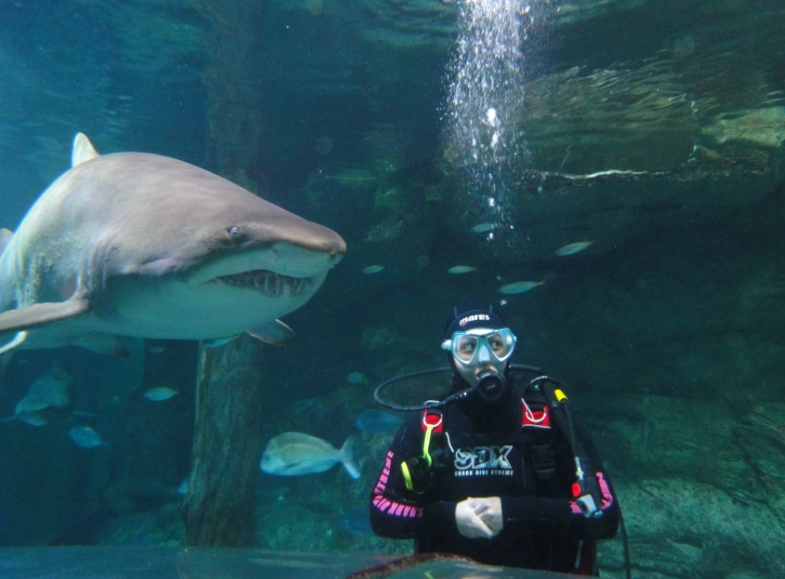
Who is it for? Almost everyone.
Non-divers can usually participate in a "Discover Scuba Diving" experience. You get a brief pool lesson on the basics (breathing, clearing your mask, hand signals) before going into the big tank with an instructor literally holding your hand the whole time. It's incredibly safe.
Certified divers (with a basic Open Water certification or higher from agencies like PADI, SSI, or NAUI) can join guided dives. They expect you to control your buoyancy and follow the guide. There's often a quick buoyancy check in a separate pool first. Fail that, and they might move you to the non-diver program. No shame in it—it's about safety for the animals and the habitat.
The vibe is surreal. The water is 74-78°F (23-26°C), visibility is 100+ feet, and there are no currents. You're sharing the water with thousands of fish, rays, and sometimes sharks, all going about their day. And yes, you're on display. People tap on the glass. You wave. It's part of the fun.
Top Aquarium Dive Programs Compared
Not all aquarium dives are created equal. The "star" animal matters, but so does the overall experience, group size, and value. Here’s a breakdown of three world-class programs.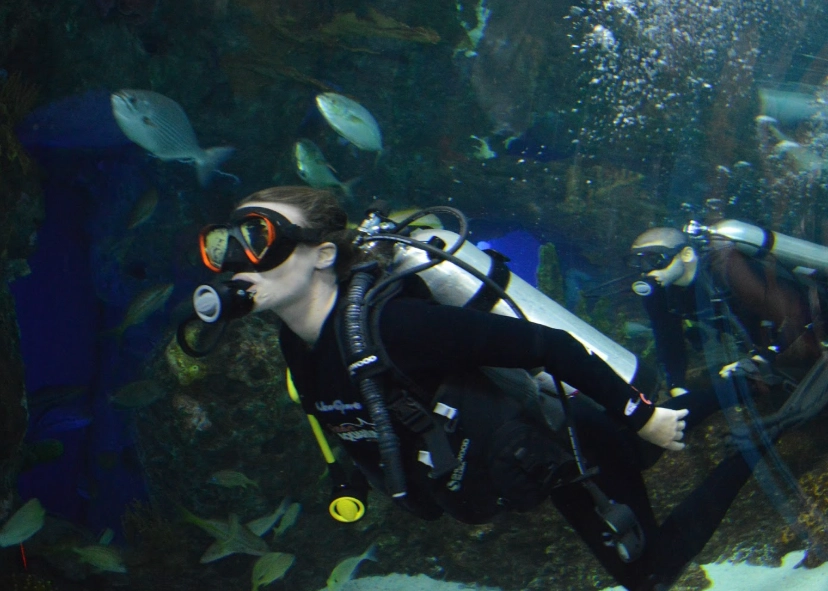
| Aquarium & Location | The Star Attraction | Program Details & Cost (Approx.) | What Makes It Unique |
|---|---|---|---|
| Georgia Aquarium Atlanta, Georgia, USA 225 Baker St NW, Atlanta, GA 30313 |
Multiple Whale Sharks, Manta Rays | Journey with Gentle Giants: Must be certified. 30-min briefing, 30-min dive. Groups up to 8. Cost: ~$290-$330. Non-diver "Swim" option available. Tickets include general admission. Book months in advance. | The only place in the US where you can dive with whale sharks. The scale of the tank is mind-bending. A friend described it as "flying through a living IMAX film." |
| Okinawa Churaumi Aquarium Okinawa, Japan 424 Ishikawa, Motobu-cho, Kunigami-gun |
Whale Sharks, Manta Rays, Giant Stingrays | Dive in the Kuroshio Sea Tank: Certified divers only. Requires proof of certification & logbook. Very strict on buoyancy control. Cost: ~¥54,000 (~$350). Does not include aquarium admission. Booking process can be complex for non-Japanese speakers. | Considered one of the most beautiful aquarium tanks in the world. The Japanese focus on precision and respect for the animals is palpable. It's a more serene, formal experience. |
| The Dubai Aquarium & Underwater Zoo Dubai, UAE The Dubai Mall, Doha St, Dubai |
Sand Tiger Sharks, Giant Groupers, Stingrays | Shark Dive: Offers both "Cage Snorkeling" and full SCUBA experiences for certified divers. Dives happen in the main 10-million-liter tank visible from the mall. Cost: ~$150-$250. More flexible, often with same-day availability. | The most accessible "urban" dive. You can literally go shopping and then dive with sharks. The backdrop of the mall and crowds is bizarre and unforgettable. Great for overcoming a fear of sharks in a controlled setting. |
A quick note on logistics: For the Georgia Aquarium, plan your whole day around it. Parking at the adjacent lot is about $20. For Okinawa, renting a car is the easiest way to get there. In Dubai, the Metro drops you right at the Dubai Mall.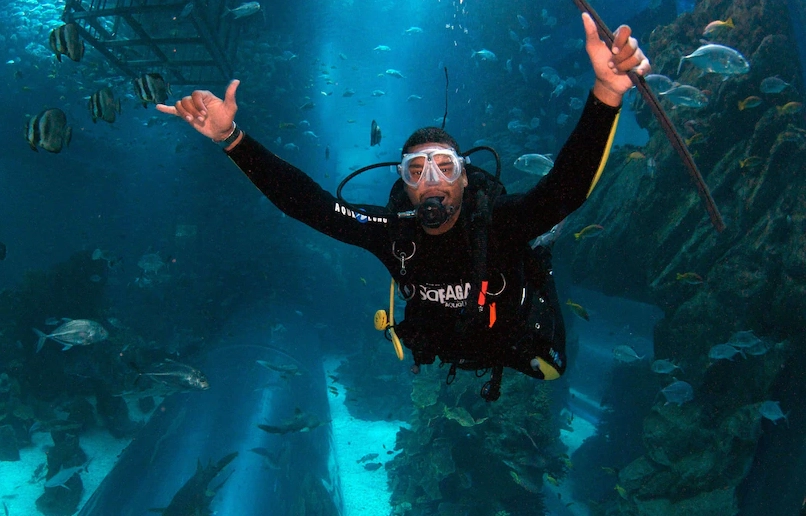
How to Prepare for Your Aquarium Dive
This isn't like showing up for a movie. A little prep makes the difference between a good day and an incredible one.
Step 1: Check Requirements and Book
Go to the aquarium's official website. Not a third-party site. Look for "Animal Experiences," "Encounters," or "Dive Programs." Read the fine print.
- Age limits: Usually 12 or 13+.
- Health: You'll sign a medical waiver. Issues like asthma, heart conditions, or recent surgeries may disqualify you.
- Certification: Have your C-card (diver certification card) ready for certified dives. A digital photo on your phone is usually fine.
Book early. Spots are limited and can sell out months ahead, especially for holidays and weekends.
Step 2: What to Bring and Wear
They provide all gear: wetsuit (often a shorty), BCD, regulator, mask, fins, tank. You can usually bring your own mask if you prefer.
Step 3: The Day Of Your Dive
Arrive early. You'll check in, sign paperwork, and meet your guide. The briefing is crucial. They'll go over hand signals, the route you'll take, and animal interaction rules. Do not touch the animals. Not even the "cute" rays. It damages their protective slime coat.
Then you'll suit up and do the buoyancy check. Listen carefully. They might have you hover, swim a bit, and clear your mask. This is where you prove you're comfortable.
Finally, you enter the tank. The first breath underwater, with a school of jacks swirling around you, is a moment you won't forget. Follow your guide, control your breathing (it calms you and saves air), and remember to look around—not just at the big animals, but at the entire ecosystem happening around you.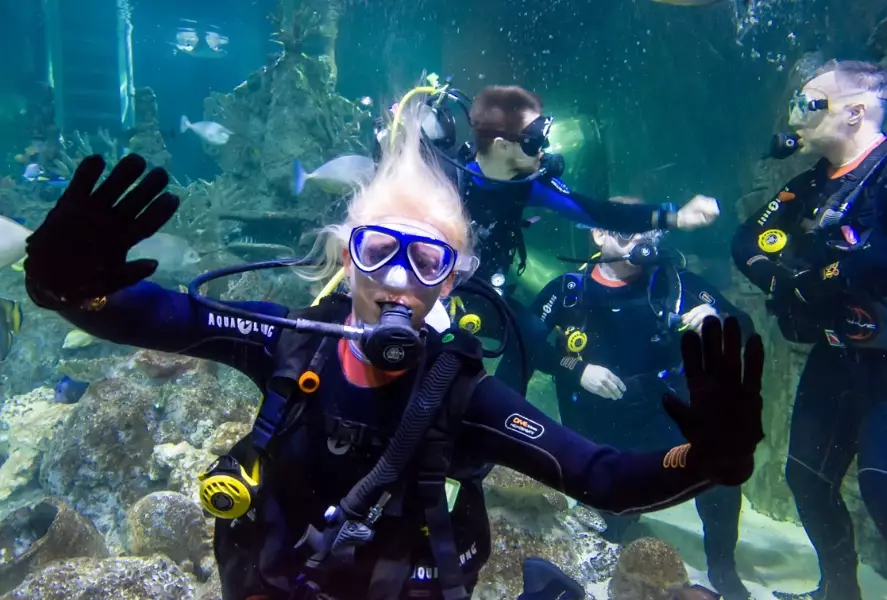
The Honest Pros and Cons
Let's be real. It's not for everyone.
The Pros (They're Legit):
- Guaranteed Sightings: You will see amazing animals. No bad visibility, no cancelled dives due to weather.
- Accessibility: It brings the wonder of the ocean to people who can't travel to reefs, have mobility issues, or are simply afraid of the open ocean.
- Education: The guides are often marine biologists. You learn about conservation and animal behavior in a direct way.
- Confidence Builder: For new divers, mastering buoyancy here is easier and builds skills for the ocean.
The Cons (What They Don't Put on the Brochure):
- It's Not "Wild": Some purists scoff at it. The animals are well-cared for, but they are in captivity. The experience lacks the unpredictability and discovery of ocean diving.
- Cost: It's expensive. Often more than a two-tank ocean dive.
- Time is Limited: Dives are typically 30-45 minutes. It can feel rushed.
- The Crowds: You are a spectacle. People waving from the other side of the glass can be distracting.
- Environmental Control: The perfect conditions can feel... too perfect. No current, no surge, no surprises. For some, that's a plus. For others, it lacks adventure.
My take? It's a phenomenal introduction to the underwater world. It's also a surreal, beautiful experience for any diver. But it doesn't replace the ocean. Think of it as a gateway or a unique supplement.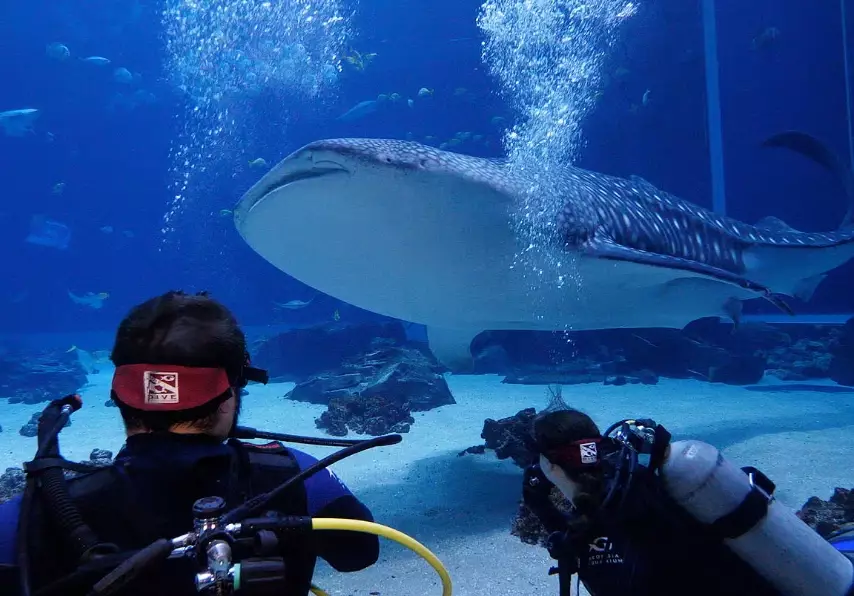
Your Questions, Answered
So, is diving at an aquarium worth it? If you go in with the right expectations—understanding it's a curated, safe, and utterly unique encounter with marine life—then absolutely. It's less of a dive and more of a visit to another world, one where you get to be part of the exhibit for a little while. For that alone, it's an experience that sticks with you.
Just don't forget to wave at the kids on the other side of the glass.
Your comment