In This Guide: Colorado Turtles Unveiled
- The Native Residents: Turtles That Belong Here
- The Uninvited Guests: Introduced & Pet Trade Turtles
- Where to Actually Find Them (A Practical Guide)
- How Do They Survive a Colorado Winter?
- Conservation Status: Are They in Trouble?
- Your Questions, Answered (The FAQ Section)
- A Simple Guide to Colorado's Turtles
- How to Be a Responsible Turtle Observer
You're staring at a map, maybe planning a hike or a fishing trip, and the question pops into your head. Are there turtles in Colorado? It's a fair question. When you think of Colorado wildlife, your mind probably jumps to elk, bighorn sheep, maybe a moose if you're lucky. Turtles? They seem like they belong in humid southern swamps, not up here in the Rocky Mountain high country. I had the same thought years ago, and I was genuinely surprised by what I found.
The short, direct answer is yes. Absolutely. Turtles do live in Colorado. But it's not a simple yes. It's a "yes, but..." kind of answer. They're not everywhere, and you won't find a huge variety like you would in, say, Florida. But if you know where to look—and you have a bit of patience—you can definitely find them sunning themselves on logs in our state's slower-moving waters.
I remember my first sighting clearly. It was along the South Platte River, not far from Denver. I was just walking the dog, not expecting much, and there it was: a dark, domed shell perched perfectly on a half-submerged branch. It felt like finding a little secret. That moment got me curious. How do they survive our winters? What kinds are they? Are they common? This article is basically everything I've learned since then, pieced together from my own poking around, chatting with local naturalists, and digging into the official resources.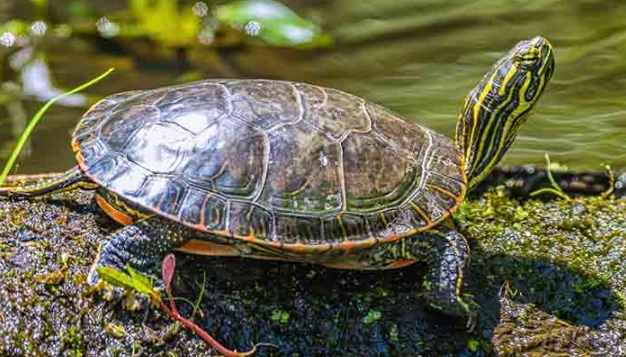
The Quick Takeaway
Colorado is home to a small but resilient group of native turtle species, primarily the Painted Turtle. You'll also find introduced species like the Red-eared Slider. They stick to the state's eastern plains, river valleys, and lower-elevation reservoirs—places where the water doesn't freeze solid all winter. Finding them is a summer activity, a reward for those who slow down and scan the water's edges.
The Native Residents: Turtles That Belong Here
Let's talk about the locals first. These are the turtles that have been part of Colorado's ecosystem long before any of us showed up. The list is surprisingly short, which honestly makes each species more special.
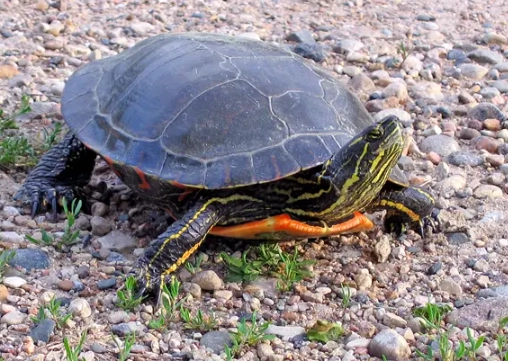
The undisputed champion, the most common native turtle you're likely to encounter, is the Western Painted Turtle (Chrysemys picta bellii). This is the one I saw. They're beautiful, with smooth, dark olive shells edged in red, and their skin is streaked with yellow and red. The underside of their shell (the plastron) is often a vibrant yellow or red mosaic. They're not huge, usually getting to about 7-10 inches long. They love quiet, muddy-bottomed ponds, marshes, and the slow-moving sections of rivers. In the summer, they're solar panels with legs—you'll find them piled on logs, soaking up every bit of sun they can get. Their metabolism depends on that external heat.
Now, here's where it gets tricky, and where a lot of online information gets muddled. You might read about other "native" species. The truth is messier. The Common Snapping Turtle (Chelydra serpentina) has a very tenuous, debated foothold in the state. The Colorado Parks and Wildlife department notes that while individuals have been found, it's unclear if there are established, breeding populations, or if these are released pets that managed to survive. They're not considered a stable, native species here. It's a similar story with the Spiny Softshell Turtle (Apalone spinifera). There are historic records, and you might find one in the Arkansas River system, but their status is precarious at best. For a definitive look at species distribution, the Colorado Parks and Wildlife website is your best official source, though you might need to dig into their fishing regulations or biodiversity reports for the fine details.
So, when someone asks, "Are there turtles in Colorado?" in the context of native wildlife, the safe, clear answer is: Yes, primarily the Western Painted Turtle. The others are rare exceptions, not the rule.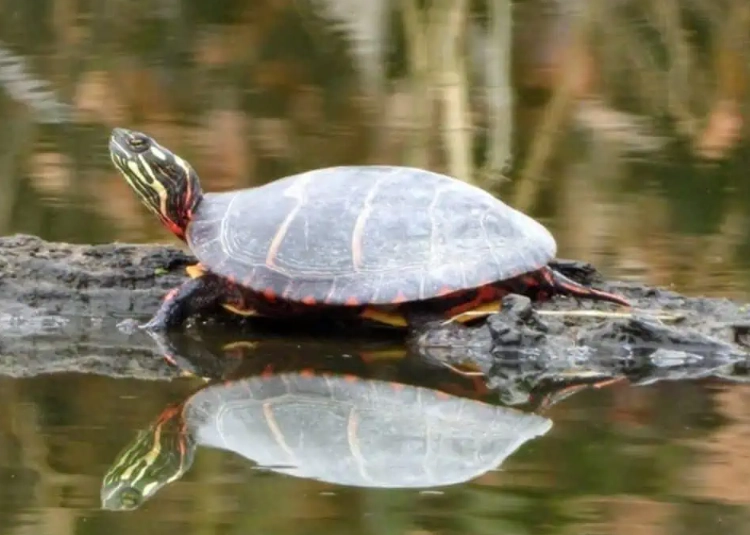
The Uninvited Guests: Introduced & Pet Trade Turtles
This is a big part of the story, and honestly, a bit of a problem. The most common turtle many people see in Colorado's urban ponds isn't even from here.
Meet the Red-eared Slider (Trachemys scripta elegans). You've probably seen them as tiny, quarter-sized pets in a plastic tank with a palm tree. They're the ones with the distinctive red stripe behind each eye. They are native to the south-central United States, not Colorado. Unfortunately, when people get tired of caring for a turtle that can live for 30+ years, they often think they're doing it a favor by releasing it into a local pond. This is a terrible idea, but it happens all the time.
Red-eared Sliders are tough, adaptable, and often outcompete our native Painted Turtles for basking spots and food. In many Front Range urban ponds, they're now more common than the natives. So, if you see a turtle in a city park lake around Denver, Boulder, or Colorado Springs, there's a good chance it's a Slider. It's a visible reminder of the pet release problem.
You might also stumble upon other exotics—Mud Turtles, Map Turtles, even Box Turtles in some areas—all likely former pets. This creates a confusing picture for someone just trying to figure out what's naturally here.
Please Don't Do This
Releasing a pet turtle into the wild is illegal, harmful to the animal (it may not survive our winter), and damaging to local ecosystems. It's the main reason the question "Are there turtles in Colorado?" has such a complicated answer. If you can no longer care for a pet turtle, contact a reptile rescue organization.
Where to Actually Find Them (A Practical Guide)
Okay, so they exist. But where? You're not going to stumble across a turtle on a high-alpine hike at 12,000 feet. Their geography is very specific.
Forget the mountains. Seriously. The high country is not turtle habitat. They need permanent, liquid water that doesn't freeze to the bottom, and a long enough warm season to breed and feed. Focus your search east of the Continental Divide, particularly below 6,000 feet in elevation.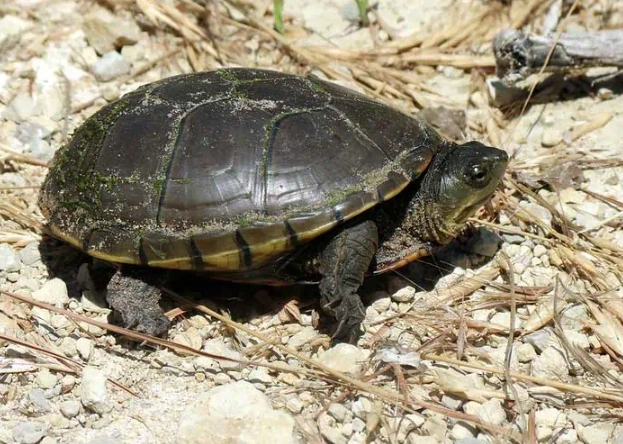
Here are the types of spots that are turtle goldmines:
- State Wildlife Areas (SWAs) with Ponds: Places like Prewitt Reservoir SWA, Jackson Lake SWA, or any number of smaller ponds on the plains. These managed areas often have perfect, weedy, shallow-water habitat.
- Slow-Moving Rivers & Oxbows: The South Platte River, the Arkansas River (especially east of Pueblo), and the Republican River. Look for calm backwaters, side channels, and old oxbows that have been cut off from the main flow.
- Urban Reservoirs & Gravel Pits: Cherry Creek Reservoir, Standley Lake, and countless reclaimed gravel pits along the Front Range. These are often where released pets end up, but you'll find natives here too.
- National Wildlife Refuges: Places like the Rocky Mountain Arsenal National Wildlife Refuge near Denver or the John Martin Reservoir area. These protected habitats are ideal.
My personal favorite spot is a series of old oxbow lakes along the South Platte. It requires a bit of a walk away from the main paths, but the payoff is seeing Painted Turtles that look like they've never seen a human. The key is to go on a warm, sunny morning between late May and early September. Bring binoculars, move slowly, and scan every log, rock, and bank.
How Do They Survive a Colorado Winter?
This was my biggest question. Our winters are no joke. The answer is brumation—which is like hibernation for reptiles.
When water temperatures drop in the fall, the turtles' metabolism slows to a crawl. They stop eating. They need to find a place in the mud at the bottom of a pond or deep in a bank where the water will not freeze solid. They bury themselves and essentially shut down. Their oxygen needs become so minimal that they can absorb what little they need through the skin of their cloaca—a process called cloacal respiration. It's a bizarre and amazing adaptation.
This is also why permanent water bodies are non-negotiable. A pond that freezes solid or dries up is a death sentence. When you understand this, it makes perfect sense why turtles in Colorado are restricted to specific, reliable aquatic environments. They're not just hanging out in the water; their entire life cycle depends on it not turning into a block of ice.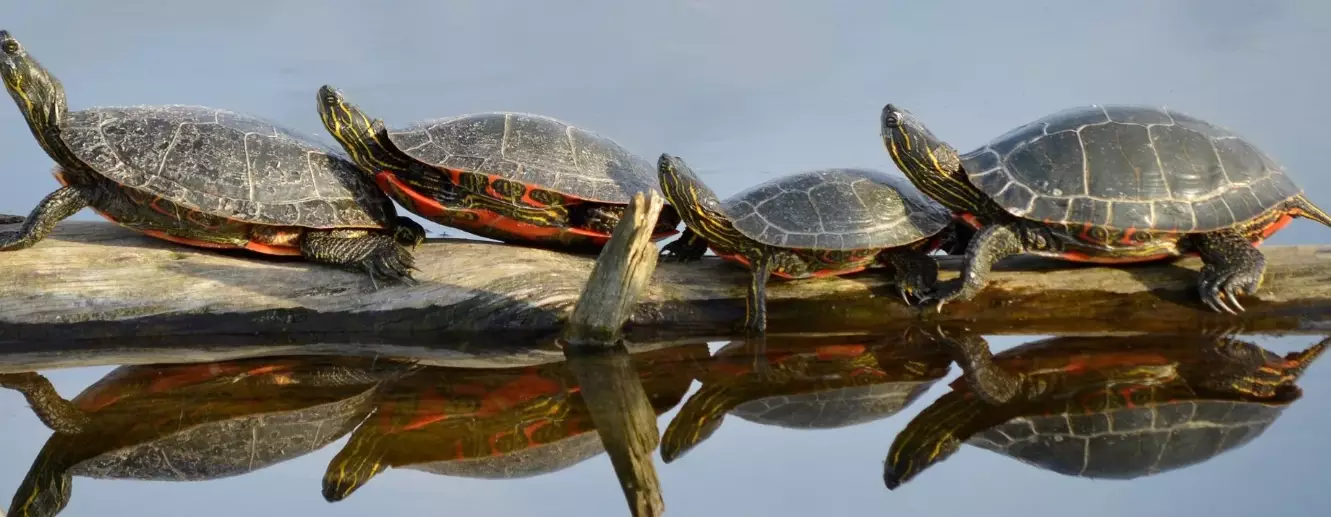
Conservation Status: Are They in Trouble?
This is the sobering part. Life is not easy for a turtle in Colorado. Their populations face a ton of pressure:
- Habitat Loss: This is the big one. Wetlands on the eastern plains have been drained for agriculture and development for over a century. Less habitat means fewer turtles.
- Road Mortality: Female turtles must leave the water to find sandy, sunny spots to lay their eggs. This often means crossing roads. A huge number of nesting females are killed by cars every spring and summer. It's a major hit to population recovery.
- Nest Predation: Raccoons, skunks, foxes, and coyotes love to dig up turtle nests. It's natural, but in fragmented habitats, the predation rate can be unsustainably high.
- Pet Trade & Illegal Collection: While regulated, taking turtles from the wild for pets still happens and hurts local populations.
- Competition from Sliders: As mentioned, introduced Red-eared Sliders push out the natives.
The Western Painted Turtle is currently considered a "Species of Greatest Conservation Need" in Colorado's State Wildlife Action Plan. They're not federally endangered, but their situation is delicate enough that the state is keeping a close eye on them. Organizations like the Turtle Survival Alliance work globally on these issues, and their research often highlights the cumulative threats facing even common species.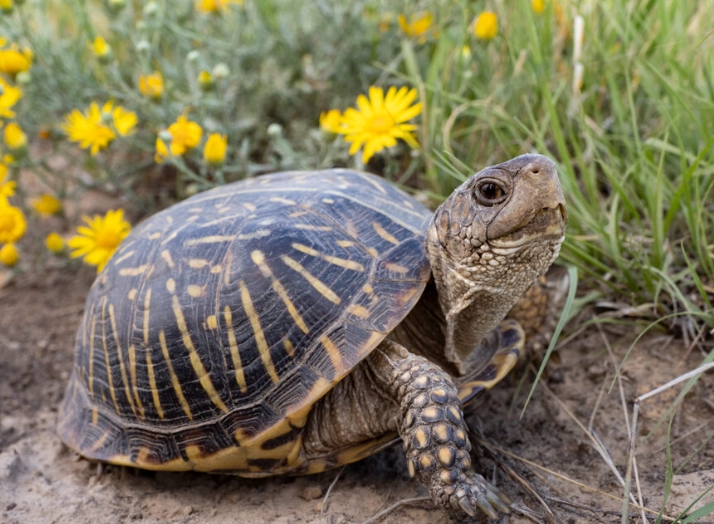
Your Questions, Answered (The FAQ Section)
I get a lot of the same questions from friends after I talk about this. Here are the most common ones.
A Simple Guide to Colorado's Turtles
This table should help you quickly ID what you're looking at and understand its status.
| Species | Native to CO? | How to Identify | Where to Find It | Conservation Note |
|---|---|---|---|---|
| Western Painted Turtle | Yes | Smooth dark shell with red edges; yellow/red striped skin; colorful plastron. | Ponds, marshes, slow rivers across eastern plains & valleys. | Species of Greatest Conservation Need. The true native star. |
| Red-eared Slider | No (Introduced) | Prominent red stripe behind each eye; greenish shell with yellow lines. | Urban/suburban ponds, reservoirs. Very common in city parks. | Invasive competitor. Do not release pets. |
| Common Snapping Turtle | Status Unclear | Large, rugged shell; long tail; massive head with hooked beak. | If present, in muddy-bottomed rivers and lakes on eastern plains. | Not a stable native population. Rarely encountered. |
| Spiny Softshell Turtle | Status Unclear | Flat, leathery, pancake-like shell; long, snorkel-like nose. | Possibly in sandy-bottomed sections of the Arkansas River. | Extremely rare and localized, if present at all. |
How to Be a Responsible Turtle Observer
If you get hooked on looking for them (it's addictive), please follow these simple rules. Our impact matters.
- Observe from a distance. Use binoculars or a zoom lens. Getting too close will spook them and cause them to plunge into the water, wasting the precious energy they were trying to gain from basking.
- Never harass or chase them. This should be obvious, but don't poke them, try to pick them up, or force them to move.
- Leave the habitat as you found it. Don't move logs or rocks they use for basking.
- Report your sightings. Consider using community science apps like iNaturalist. Your observations can help biologists track distribution and population health. It's a great way to contribute.
- Spread the word, not the turtles. Educate others about why releasing pet turtles is harmful. It's one of the biggest practical things we can do to help the native ones.
So, the next time someone asks you, "Are there turtles in Colorado?" you can give them the full story. Not just a yes or no, but the nuanced, fascinating, and slightly concerning reality of these resilient reptiles clinging to their aquatic homes on the high plains.
It changes how you see the landscape. Now, when I drive past a prairie pond, I don't just see water and reeds. I wonder if there's an ancient, sun-worshipping creature tucked away in there, a living piece of Colorado that most people never even think to look for. And that's a pretty cool thought.
Your comment