You’ve seen the pictures—crystal clear water, a ancient-looking loggerhead turtle gliding past a snorkeler. It looks magical, and you want that experience. Good news: you don’t need to fly to the Caribbean or the Great Barrier Reef. Europe has its own incredible, accessible spots for swimming with sea turtles. I’ve been chasing (figuratively, never literally!) these encounters across the Mediterranean for years, and I can tell you, the thrill of sharing the water with a creature that has navigated oceans for millions of years never gets old.
Your Quick Guide to Turtle Encounters
Where Exactly Can You Find Turtles in Europe?
Forget aquariums. We’re talking about wild encounters. Two main species call the Mediterranean home: the loggerhead turtle (Caretta caretta) and the rarer green turtle (Chelonia mydas). Their nesting beaches and feeding grounds are your ticket to an unforgettable swim. Here’s the breakdown of the prime locations.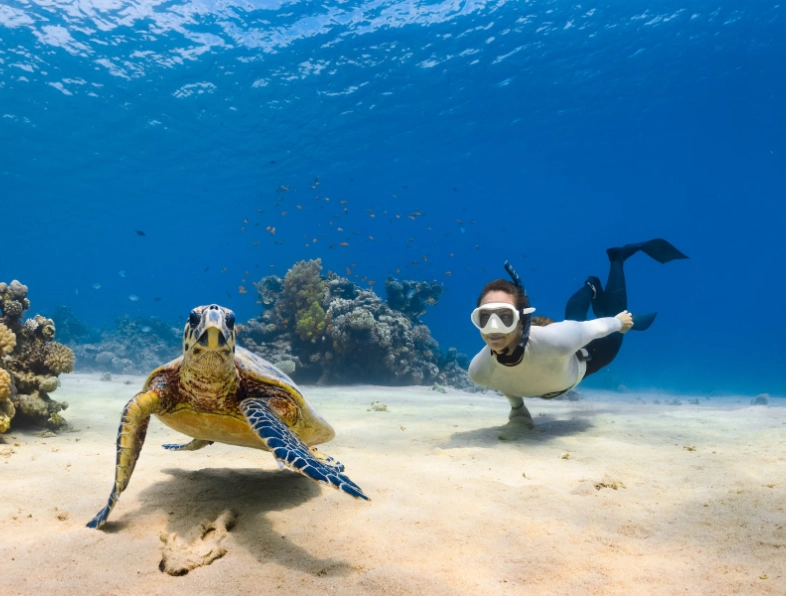
1. Laganas Bay, Zakynthos (Zante), Greece
This is the heavyweight champion for reliability. Laganas Bay is a protected National Marine Park, primarily because it hosts one of the most important loggerhead nesting beaches in the Mediterranean. The water is shallow, warm, and sheltered—perfect for snorkeling.
What to expect: You’re almost guaranteed a sighting between May and October. Turtles come here to feed on seagrass. You can access the area from Sekania or Daphni beach, but the most controlled way is via the official park glass-bottom boat tours that depart from Laganas port. They take you to specific zones where swimming is permitted under strict guidelines.
Key info: The Marine Park authority closely regulates activity. Independent boats can be fined for getting too close. Using a licensed operator is non-negotiable here. I made the mistake of renting a cheap pedal boat my first time—we saw nothing but annoyed park wardens.
2. Göcek Islands & Iztuzu Beach, Dalyan, Turkey
This area offers a fantastic two-part experience. The Göcek Islands are a labyrinth of sheltered coves with stunning visibility, where turtles often feed. You’ll need a boat tour from Fethiye or Göcek to explore these spots.
A short distance away is the legendary Iztuzu Beach near Dalyan, a pristine 4.5km spit of sand that is a vital nesting ground. Swimming is prohibited at the nesting end after dark, but during the day, you can sometimes spot turtles in the water close to shore. The beach itself is managed by the conservation group DEKAMER, and visiting supports their vital rescue and research work.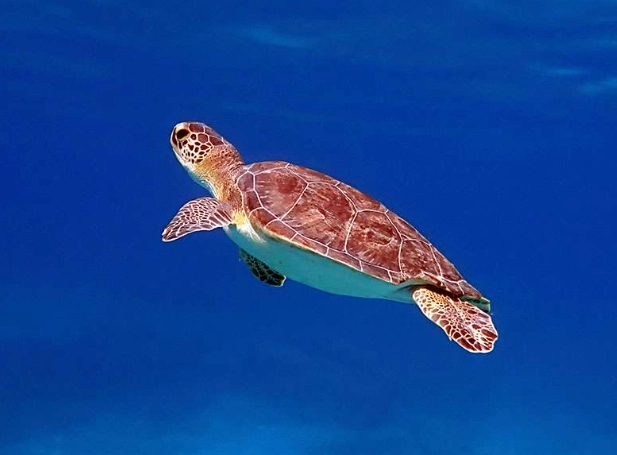
3. Turtle Beach (Alagadi), Northern Cyprus
Alagadi Beach, famously called “Turtle Beach,” is another critical nesting site. While the beach is closed at night during nesting season (June-Oct), the rocky reefs and seagrass meadows just offshore are excellent for snorkeling with turtles during the day.
Local tip: Don’t just stay on the main beach. Book a small-group snorkeling boat trip from Kyrenia (Girne) harbor. They know the specific underwater rock formations where turtles love to hang out to get cleaned by fish. The water here is often clearer than in Zakynthos.
Other Notable Mentions
Crete, Greece: The south coast, especially around Matala and Lendas, has occasional sightings. It’s less predictable but a wonderful bonus if you’re exploring the island’s rugged coastline.
Maltese Islands: Turtles are migratory visitors here. Your best bet is joining a dedicated wildlife snorkeling or diving trip with an operator like Eco Marine Malta who know the seasonal patterns.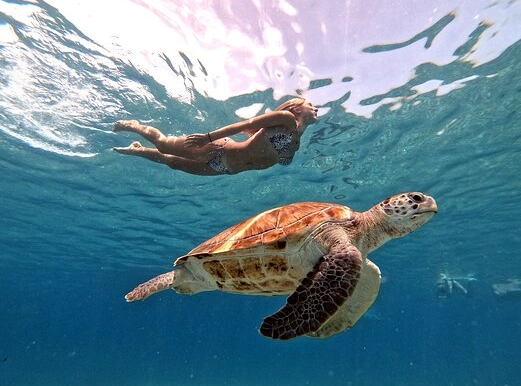
How to Plan Your Turtle Swimming Trip: A Practical Checklist
Getting there is one thing. Having a great, low-stress experience is another. Here’s what you need to sort out.
| Location | Best Time to Visit | How to Access the Turtles | Recommended Operator (Example) |
|---|---|---|---|
| Zakynthos, Greece | June - September | Official Marine Park boat tour from Laganas Port. Shore snorkeling limited. | Zakynthos Marine Park Official Tours |
| Dalyan/Göcek, Turkey | May - October | Boat tour from Fethiye or Göcek for Göcek Islands. Public beach at Iztuzu. | Eco-Dalyan Tours (for Iztuzu & conservation focus) |
| Northern Cyprus | June - September | Snorkeling boat trips from Kyrenia (Girne) Harbor. Shore snorkel at Alagadi. | Nautilus Diving & Snorkeling Centre |
What to Pack: A high-SPF, reef-safe sunscreen is mandatory—chemical sunscreens harm the marine ecosystem they live in. A rash guard or UV shirt is even better. Bring your own mask and snorkel if you’re fussy about fit, though operators provide them. An underwater camera or GoPro is great, but remember, the experience comes first.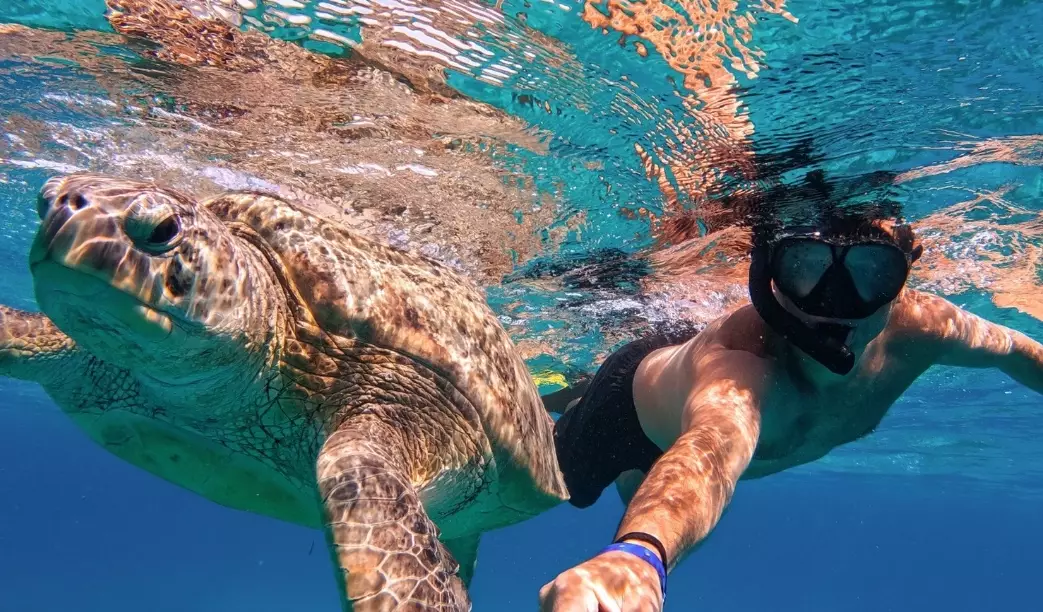
Booking your tour? Look for phrases like “eco-friendly,” “small groups,” and “supports local conservation.” Read reviews carefully. If a tour advertises “guaranteed turtle touching,” run the other way.
How to Have a Safe & Responsible Encounter (The Non-Negotiables)
This is where most blogs give you fluffy advice. I’ll give you the real, hard rules that actually matter to the turtles and to your own safety.
Rule 1: You Are a Visitor in Their Home
Never, ever chase a turtle. If you see one, approach slowly and parallel, never from above or head-on (you look like a shark). If it swims away, let it go. Your goal is passive observation. I’ve seen excited swimmers corner a turtle against a reef—the panic in the animal’s eyes is heartbreaking. It’s also a good way to get a powerful flipper slap to the mask.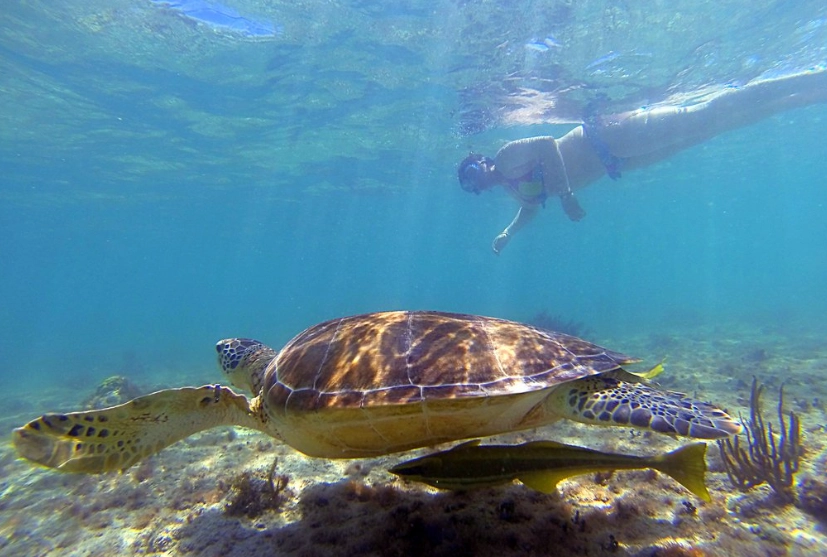
Rule 2: Maintain a 3-Meter Bubble
That’s the minimum recommended distance. More is better. Touching removes their protective biofilm. Riding them is outright abuse and illegal in protected areas. Your bubbles from scuba diving can disturb them—snorkeling is often less intrusive.
Rule 3: Choose Your Operator Like a Conservationist
A good operator will brief you on these rules before you even get in the water. They use mooring buoys, not anchors which destroy seagrass. They limit group sizes. They often work with or donate to local NGOs like ARCHELON in Greece or DEKAMER in Turkey. Your fee should help fund protection, not just a boat ride.
One operator in Zakynthos told me they turn away about 10% of potential customers who just want a “selfie safari.” That’s a good sign.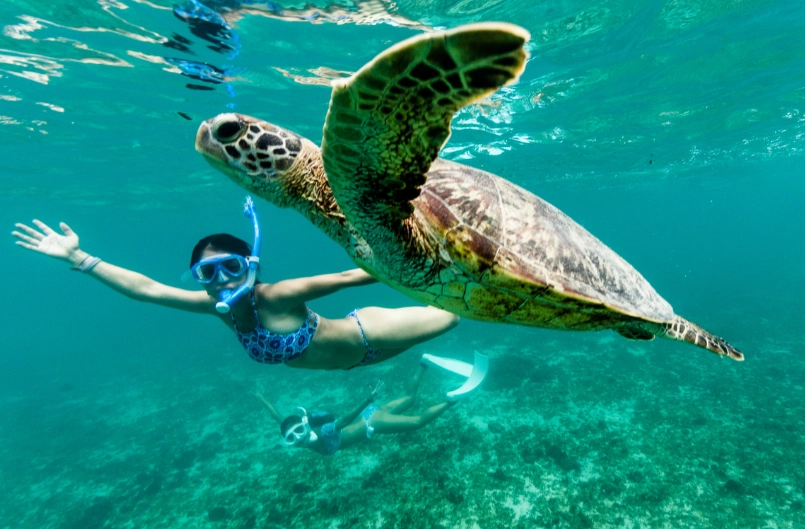
Your Turtle Swimming Questions Answered
What is the best time of year to swim with turtles in Europe?
The peak season runs from late May to early October. The water is warmest and turtle activity is highest from June through September. For a sweet spot of good conditions and slightly fewer crowds, aim for late May, June, or September. I’d avoid the core of July and August if you dislike packed beaches and boats.
Is it safe to touch or chase a sea turtle while swimming?
Absolutely not. It’s unsafe for both of you. Touching can damage their protective slime coat, leaving them open to infection. Chasing causes immense stress, which can disrupt essential behaviors like feeding and surfacing to breathe. Always keep a distance of 2-3 meters minimum, move calmly, and let the turtle dictate the interaction. If it leaves, that’s the end of the show.
Do I need to be a certified diver to swim with turtles in Europe?
Not at all. In fact, most encounters happen while snorkeling in shallow, calm bays. Key locations like Laganas Bay in Zakynthos or Turtle Beach in Cyprus are accessible right from the shore. For slightly deeper reef sites, guided snorkel tours that provide floatation vests or noodles are perfect for beginners and even confident non-swimmers.
How do I choose an ethical turtle swimming tour operator?
Scrutinize their website and ask direct questions. Ethical operators will have clear eco-policies: small group limits, strict no-touch/no-chase rules, and use of mooring buoys. They should actively collaborate with or donate to local conservation NGOs. A major red flag is any company that promises you can “touch or feed” the turtles—avoid them completely. Look for operators licensed by the local National Marine Park, where applicable.
Swimming with turtles in Europe is more than a bucket-list item. It’s a privilege. By choosing the right place, the right time, and most importantly, the right responsible approach, you ensure these ancient mariners continue to thrive for generations to come. Your unforgettable memory becomes part of the solution, not the problem. Now go plan that trip—the turtles are waiting.
Your comment