Your Turtle Adventure Map
Let's be honest, the idea of gliding through clear blue water alongside a majestic sea turtle is a bucket-list dream for so many of us. That slow, graceful paddle, the ancient-looking face, the sheer peace of it. It feels almost magical. And the good news? You don't need to fly halfway across the world to make it happen. Right here in the US, we have some incredible spots where encounters with these gentle reptiles are not just possible, but pretty common if you know where and when to look.
I remember my first time. It was off the Kona coast, and I was so busy staring at fish on the reef I almost missed her. A huge green turtle, just... hanging out. She glanced at me with this utterly calm, disinterested look, like I was just another piece of the scenery, and then went back to munching on algae. It was humbling and incredible all at once. No ride at any theme park can match that feeling.
But here's the thing—it's not as simple as just jumping in the ocean anywhere. Finding where you can swim with sea turtles in the US requires a bit of local knowledge. You want to go to the right places, at the right time, and you absolutely need to know how to behave so you don't stress the animals. That's what this guide is for. We're going to break down the top locations, from the obvious tropical paradises to a few surprising gems, and talk about how to have an experience that's amazing for you and safe for the turtles.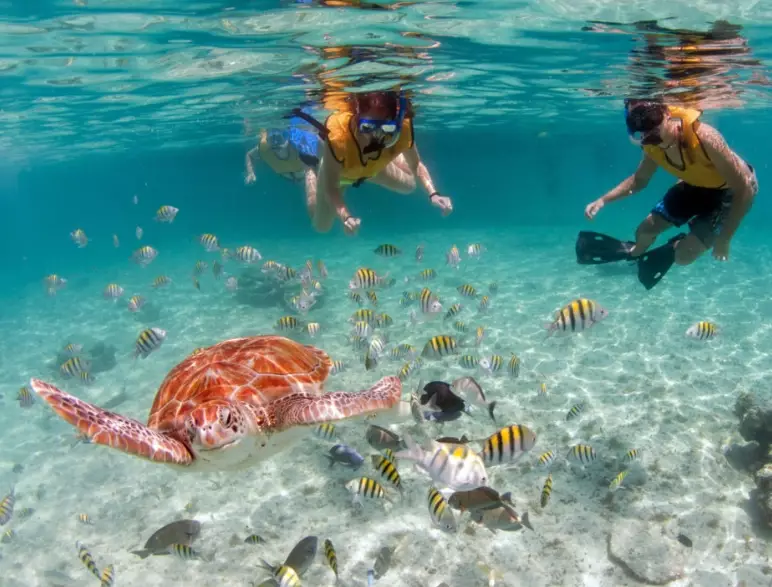
The Top US Hotspots for Swimming with Sea Turtles
So, where can you swim with sea turtles in the US? The answer spans from the Pacific to the Atlantic, with a few key states hosting the majority of these encounters. The type of turtle you'll see varies too—Hawaii is green turtle central, while Florida gets a mix of greens, loggerheads, and sometimes even hawksbills.
To give you a clear snapshot, let's look at the prime contenders. This table compares the major destinations to help you narrow down your search based on what you're looking for.
| Location (State) | Common Turtle Species | Best Time of Year | Experience Vibe | Access & Notes |
|---|---|---|---|---|
| O'ahu's North Shore & West Coast (Hawaii) | Green Sea Turtles (Honu) | Year-round (calmer summer waters) | Reef & cleaning stations; very reliable sightings. | Easy beach access; Laniakea Beach ("Turtle Beach") for viewing from sand. |
| Big Island, Kona Coast (Hawaii) | Green Sea Turtles, Hawksbill (rare) | Year-round | Clear water, lava rock coastlines; turtles often resting in caves/ledges. | Excellent for snorkel tours; shore access at places like Kahalu'u Beach. |
| Maui, Turtle Town (Hawaii) | Green Sea Turtles | Year-round | The name says it all; a famed aggregation site. | Primarily accessed by boat/snorkel tour from Ma'alaea or Kihei. |
| Volusia & Brevard Counties (Florida) | Green, Loggerhead | Late Spring - Early Fall (warmer water) | Nearshore reefs & lagoons; can be seasonal. | Playalinda Beach, Canaveral National Seashore; check water visibility. |
| John Pennekamp Coral Reef State Park (Florida) | Green, Loggerhead, Hawksbill | May - September | First US underwater park; vibrant coral reefs. | Requires boat trip; organized snorkel tours available. |
| Lignumvitae Key & Indian Key (Florida Keys) | Mainly Green | Summer Months | Secluded, less crowded mangrove channels. | Boat access only; more adventurous feel. |
| Dry Tortugas National Park (Florida) | Green, Loggerhead, Hawksbill | April - October | Remote, pristine, and absolutely incredible. | Seaplane or ferry from Key West; a major trip but unforgettable. |
| La Jolla Shores (California) | Green Sea Turtles (resident population) | Late Summer - Fall (warmest water) | A surprising cold-water location! Small resident group. | Shore snorkel; sightings less guaranteed but special. |
That table should give you a solid starting point. Now, let's dig a bit deeper into a few of these places, because each one has its own character.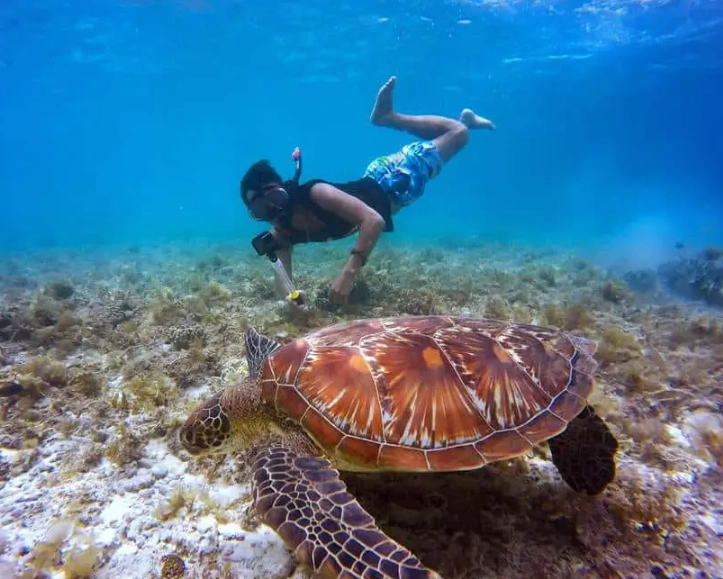
Hawaii: The Undisputed Turtle Kingdom
If you're asking yourself "where's the absolute best place to swim with sea turtles in the US?", Hawaii is the answer that will pop up most often. And for good reason. The Hawaiian green sea turtle, or 'Honu', is culturally revered and has relatively healthy populations here. They're everywhere.
On O'ahu, the North Shore spots like Shark's Cove (don't worry, the name is worse than the reality—it's a rocky cove, not a shark hotspot) and Three Tables are fantastic in the summer when the ocean is flat. The west side, around Makaha and Electric Beach (where warm power plant runoff attracts marine life), is also stellar. But a word of caution—these are not always beginner-friendly spots. Currents can be strong. If you're not a confident swimmer, a guided tour is a smart, safe bet.
The Big Island's Kona coast is my personal favorite. The water clarity is often mind-blowing. You can do a manta ray night snorkel (an absolute must-do) and then a turtle snorkel the next day. Places like the Captain Cook monument (Kealakekua Bay) require a kayak or boat to reach, but it's worth the effort.
Maui's Turtle Town is a specific area off the Makena coast. It's a cleaning station, so turtles come there to get parasites picked off by small fish. That means they're just hovering, stationary, which makes for amazing viewing. You'll almost always see turtles there, but you'll also see a lot of other snorkelers. It can feel a bit crowded. If you want solitude, this isn't it. But if you want a near-guaranteed sighting, it delivers.
Florida: The Atlantic & Gulf Coast Gems
Florida is the other heavyweight in the US for turtle encounters. The space coast, around Playalinda Beach just north of the Kennedy Space Center, has these beautiful, quiet stretches of sand where turtles feed in the shallow seagrass beds. I've had days there where I've seen more turtles than people, which is saying something for Florida. The water isn't as crystal clear as Hawaii, but when the sun's high and the wind is down, it's perfectly fine.
The Florida Keys are a different world. John Pennekamp Park is the classic, well-managed, and reliable choice. The reef is alive, and the tours are professional. But for something a little more offbeat, ask local dive shops about the channels around Lignumvitae Key. It feels more like an exploration.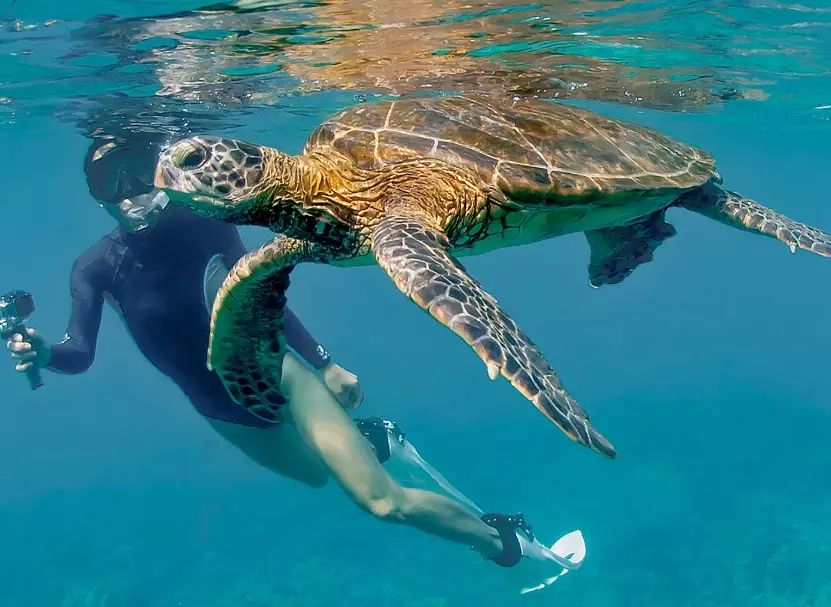
The Surprising Spot: Southern California
This one surprises a lot of folks. A small group of green sea turtles has taken up residence in the warm(ish) outflow of a power plant in San Diego Bay and now frequents the kelp forests and eelgrass beds of La Jolla Shores. It's not tropical—you'll need a decent wetsuit most of the year—but it's a brilliant example of wildlife adapting. The National Park Service has some fascinating info on this unique population. Seeing a sea turtle poke its head through giant kelp is a uniquely Californian experience.
How to Actually Swim with Sea Turtles: A Responsible Guide
Knowing where to go is only half the battle. The "how" is what separates a good experience from a great one—and ensures we're not harming the creatures we adore. This isn't just about rules; it's about respect.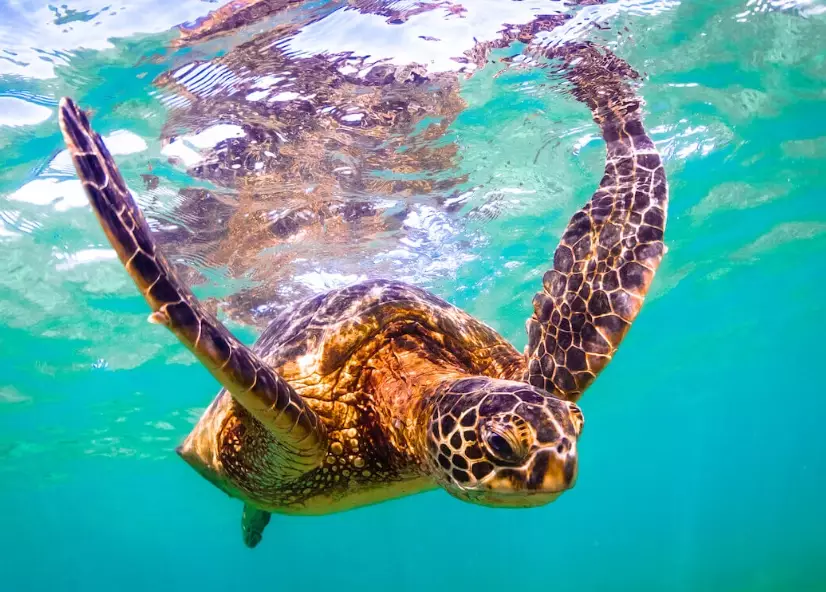
So, what should you do? First, move slowly and calmly in the water. No frantic splashing. Approach from the side, not head-on, and never from above (you look like a predator). Give them space—a good rule is at least 10 feet. If the turtle starts swimming away, you're too close. Back off. Let them control the interaction.
They're often resting on the bottom or eating. If you float calmly above, they'll usually just ignore you and go about their business. That's the ideal scenario. You're a quiet observer in their world.
Your gear matters too. A snorkel and mask that fit well are key so you're not constantly adjusting them. Fins help you move efficiently with minimal effort. If you're not a strong swimmer, consider a snorkel vest—it boosts your confidence and lets you relax and float, which is the whole point.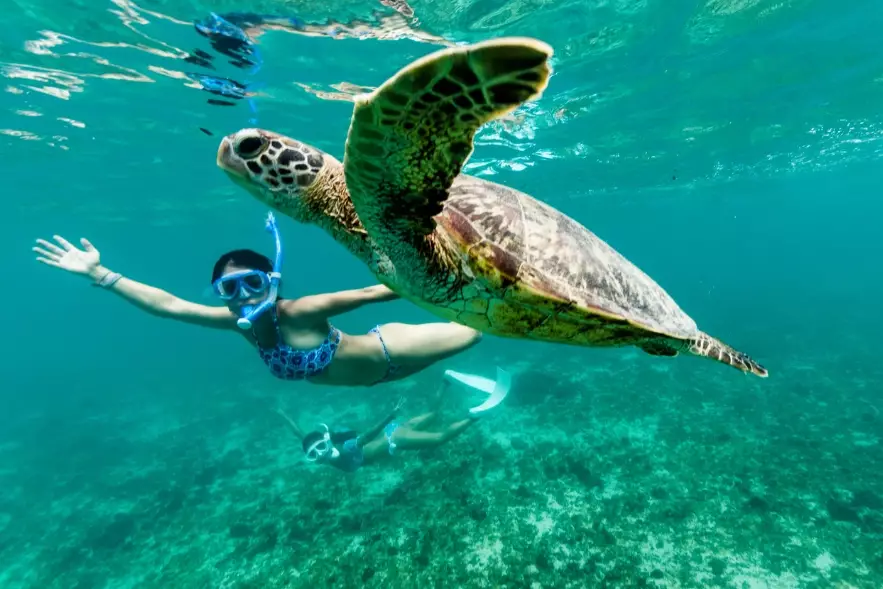
Timing is Everything: When to Go for the Best Chance
You can't just show up anytime. Well, you can, but your odds improve dramatically if you're strategic.
Time of Day: Early morning is almost always best. The water is usually calmer, the sun angle is better for visibility, and the turtles are often more active. Boat traffic and crowds haven't built up yet. Midday can be good too, especially for photography as the light penetrates deep. Late afternoon can also be productive.
Time of Year: This varies by location. In Florida, you want the warmest water months, roughly May through September. In Hawaii, it's year-round, but summer months (May-Oct) offer the calmest ocean conditions on north and west shores, which is when those spots really shine. Winter can bring big surf that churns up the water and makes access dangerous. Southern California is best in late summer and early fall when the water temperature peaks (a relative term—it might hit 70°F).
Check the weather and surf forecasts. A rainy, windy day will ruin the visibility and make the whole endeavor miserable. Be flexible with your plans.
Guided Tour vs. DIY: Which is Right for You?
This is a big decision. Going with a guide has huge advantages. They know the exact spots, the daily conditions, and the animal behavior. A good guide will position you for encounters while enforcing respectful practices for the whole group. They handle the boat, the safety briefing, and often provide gear. It's stress-free. Look for eco-certified operators or those with strong conservation ties.
Going DIY is cheaper and offers more freedom. You can go at your own pace, avoid crowds, and pick your spot. But it requires more research, confidence in the water, and self-reliance. You need to know how to read ocean conditions, have your own gear, and understand local regulations (like mooring buoys vs. anchoring to protect seagrass).
Frequently Asked Questions (FAQs)
Let's tackle some of the common questions that pop up when people are planning where to swim with sea turtles in the US.
Is it safe to swim with sea turtles?
Absolutely. Sea turtles are not aggressive. They have no teeth (they have beaks for crushing) and their primary instinct is to avoid you. The main safety concerns are related to the ocean environment itself—currents, boat traffic, and your own swimming ability. Respect the ocean, and the turtles pose no threat.
What should I do if I see a sea turtle on the beach?
Give it a wide, wide berth. Do not approach. Do not shine lights on it at night. This is likely a nesting female or a hatchling trying to get to the water. Your presence can scare them off or disorient them. Observe quietly from a distance. All nesting beaches have strict guidelines; the NOAA Fisheries website has excellent, clear advice on this.
Are there any places in Texas or the Gulf Coast to swim with turtles?
While sea turtles live throughout the Gulf of Mexico, the opportunities for recreational swimming with them are far less common and reliable than in Florida or Hawaii. The water visibility is generally lower, and there are fewer easily accessible, shallow-water habitats like coral reefs where encounters regularly occur. Your best bet in the Gulf region is still the Florida Panhandle or, overwhelmingly, the Florida Keys and Peninsula.
Can I use sunscreen?
This is critical. Many chemicals in common sunscreens, like oxybenzone and octinoxate, are proven to harm coral reefs and marine life. Hawaii and Key West have banned the sale of such sunscreens. Always use a "Reef Safe" sunscreen that uses non-nano zinc oxide or titanium dioxide as the active ingredient. Even better, wear a rash guard or long-sleeved swim shirt to minimize sunscreen use altogether.
Wrapping It Up: Making Your Dream a Reality
Figuring out where you can swim with sea turtles in the US is the fun first step in an unforgettable adventure. Whether you choose the iconic reefs of Hawaii, the diverse coasts of Florida, or the chilly kelp forests of California, the key is to go with respect and patience.
Do your homework on the specific spot. Pack the right gear—reef-safe sunscreen, a good mask, and a sense of wonder. Manage your expectations, understand that you're a visitor in their home, and be prepared to be amazed by even a brief, distant encounter.
That moment of connection, of sharing the water with a creature that has traversed oceans for millions of years, is something that sticks with you. It’s a powerful reminder of why we need to protect these animals and their habitats. So go find your turtle. Do it responsibly. And you’ll have a story to tell for years to come.
Still have questions? Drop them in the comments below—I read them all and love talking about this stuff. Happy snorkeling!
Your comment