I still remember the first time. Off the coast of Oahu, the water was that perfect shade of turquoise. I was floating, mask down, just watching a parrotfish nibble at coral. Then, from the deep blue, a shadow emerged. It grew larger, took shape, and suddenly a green sea turtle—bigger than a car tire—glided right beneath me. It didn't hurry. It didn't care about me at all. It was just… going about its turtle business. That moment of quiet, shared space is what makes swimming with sea turtles so magical. It’s not a petting zoo encounter; it’s a brief, privileged glimpse into their world.
But here’s the thing I’ve learned after a decade of seeking out these experiences, from Hawaii to the Great Barrier Reef: that magic is fragile. It can be ruined by crowded boats, stressed animals, and our own clumsy excitement. This guide isn't just a list of locations. It's a manual for doing it right—for having an experience that’s unforgettable for you and harmless for them.
Your Quick Guide to Swimming with Sea Turtles
Where to Swim with Sea Turtles: The Top Spots Decoded
You can find sea turtles in warm oceans all over, but some places offer reliability and accessibility that others don’t. Forget vague promises. Here’s the concrete intel.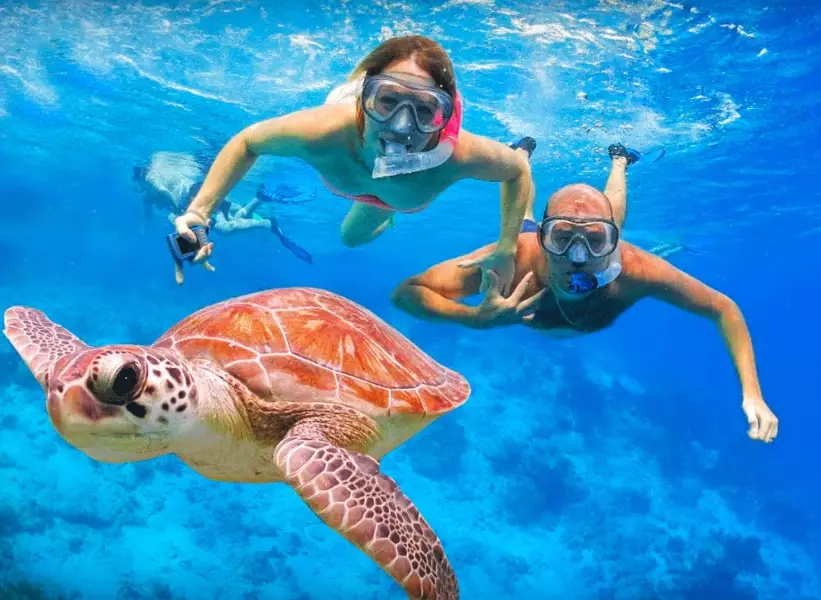
Hawaii (USA)
Hawaii is arguably the most accessible and consistent place for a sea turtle swim. The green sea turtle (honu) is revered here, and populations are recovering well.
- Oahu - Laniakea Beach ("Turtle Beach"): This is a famous haul-out spot on the North Shore. You can't swim with them here (it's shallow and rocky), but you can see them basking. For swimming, book a boat snorkel tour to nearby reefs. Tour Cost: ~$120-$150. Best Time: Summer months for calmer water.
- Maui - Turtle Town (Makena): This isn't one specific spot but a stretch of reef off Makena Landing or near Black Rock known for turtle traffic. You can access it from shore with a strong swim or, more easily, via a kayak or boat tour from Kihei. Shore Access: Free. Kayak Rental: ~$60/day. Parking: Gets packed by 9 AM.
- Big Island - Captain Cook Monument (Kealakekua Bay): A marine sanctuary reachable by kayak or tour boat. The water is crystal clear, and turtles are common among the coral. It's a protected bay, so conditions are usually calm. Kayak Permit/Tour Required.
The Great Barrier Reef, Australia
This is the big league. You'll mostly encounter green turtles and the stunning hawksbill. Don't just go to the crowded day-trip pontoons near Cairns.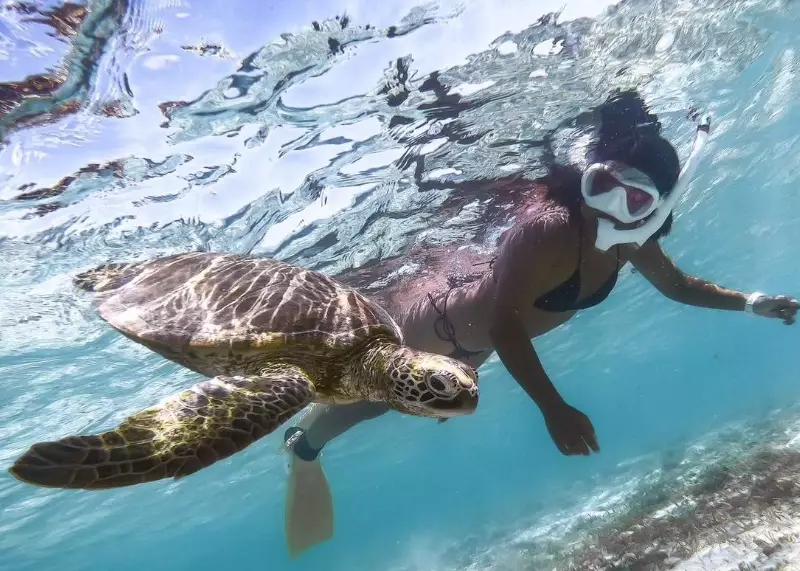
Pro Tip: Book a liveaboard trip to the outer reefs. Operators like Pro Dive Cairns or Spirit of Freedom go to sites like the Ribbon Reefs, where you'll have multiple dives/snorkels a day with a high likelihood of turtle encounters away from the crowds. A 3-day/2-night trip starts around $800 AUD. It's more expensive, but the experience is exponentially better.
Tortuguero, Costa Rica
Famous for nesting (July-October), but the canals and nearby reefs offer swimming opportunities. This is a more adventurous, eco-lodge based experience. You're in a rainforest meeting the sea. Tours are smaller, nature-focused, and often include other wildlife spotting. Fly into San Jose and take a boat or small plane to the village. It’s a commitment, but it feels worlds away from a commercial snorkel boat.
| Location | Best Turtle Species | Best Access Method | Ideal Season | Approx. Cost for a Guided Tour |
|---|---|---|---|---|
| Oahu, Hawaii | Green Sea Turtle | Boat Snorkel Tour | May - Sept | $120 - $180 |
| Outer Great Barrier Reef | Green, Hawksbill | Liveaboard Dive Boat | June - Oct (dry season) | $800+ (multi-day) |
| Akumal, Mexico | Green Sea Turtle | Guided Snorkel from Shore | Year-round | $40 - $60 |
| Gili Islands, Indonesia | Hawksbill, Green | Local Boat ("Glass Bottom") | April - Nov | $20 - $35 |
When to Go: It's Not Just About the Season
Timing your swim with sea turtles experience affects everything: water clarity, crowds, and animal behavior.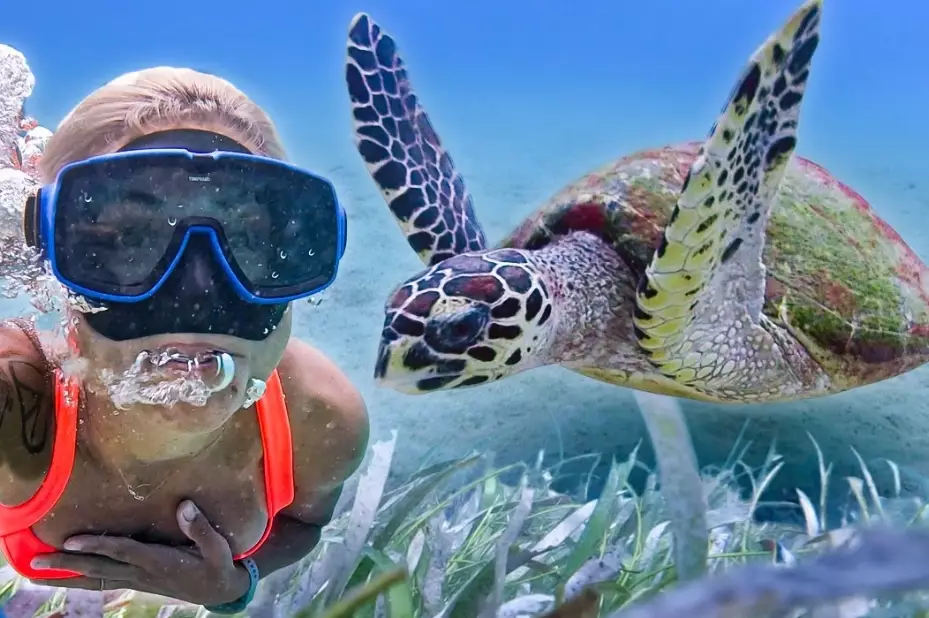
Time of Day is Critical. This is the non-consensus tip most blogs miss. Everyone piles onto the 10 AM or 1 PM tour. The absolute best time? The first tour of the day, usually around 8 AM. The water is often calmer, the sun isn't directly overhead yet (better for photos without backscatter), and the turtles haven't been chased around by hundreds of fins all day. I’ve had my most peaceful, prolonged encounters on morning dives when the turtles seemed more curious and less skittish.
Seasonality Matters. In places like Hawaii, winter means north shore swell, making famous spots like Shark's Cove or Laniakea dangerous for swimming. South shores become calmer. Always check seasonal swell patterns, not just airfare prices. During nesting season (summer in many places), be extra vigilant near beaches at night with lights, but know that swimming encounters aren't necessarily more frequent.
What You Need: The Non-Negotiable Gear List
You don't need much, but the right gear makes a huge difference.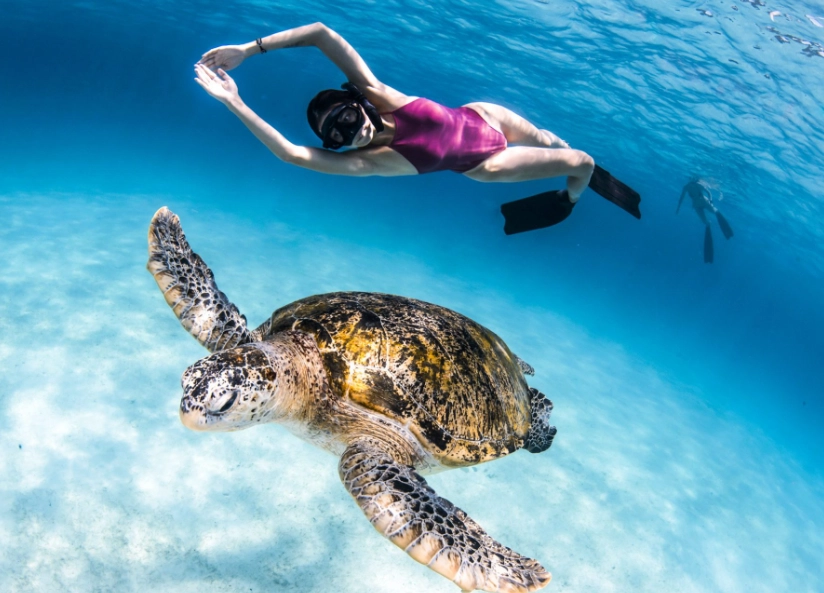
- A Well-Fitting Mask: Foggy mask = missed turtles. Spend time adjusting the strap. Consider a mask with a wider field of view.
- Snorkel: A simple J-shaped snorkel is fine. Dry-top snorkels can be helpful if you’re a beginner.
- Fins: Not water shoes. Proper snorkeling fins give you propulsion to move calmly without kicking up sand (which smothers coral).
- Reef-Safe Sunscreen: This is a must. Chemicals like oxybenzone bleach and kill coral, destroying turtle habitat. Brands like Stream2Sea or Badger are certified safe. Apply at least 15 minutes before entering the water. Many locations (Hawaii, Key West, Palau) now ban non-reef-safe formulas.
- Rash Guard or Wetsuit Top: Sun protection is huge. A 1-2mm top also provides buoyancy and warmth, letting you stay in longer without treading water aggressively.
How to Swim with Sea Turtles Responsibly: The Unbreakable Rules
This is the core of a truly ethical swim with sea turtles experience. The rules exist for their survival, not to ruin your fun.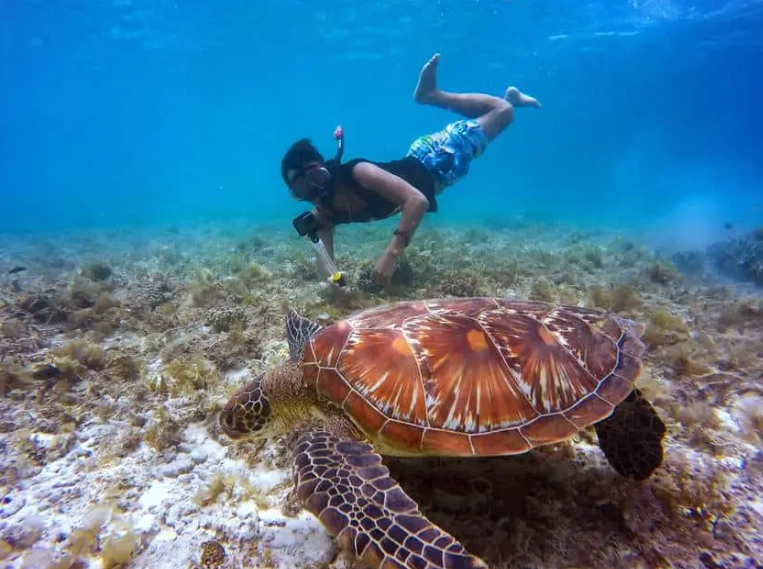
Rule 1: Hands Off. Always.
Do not touch, chase, or ride sea turtles. It’s illegal under laws like the U.S. Endangered Species Act and just plain harmful. Their shells have a sensitive layer of living tissue and algae they need. Human touch can remove it, making them vulnerable. More subtly, chasing them stresses the animal, burning precious energy they need for migration and foraging.
Rule 2: Keep Your Distance (The 10-Foot Rule)
Maintain a minimum of 10 feet (3 meters). If the turtle approaches you, stay still and let it pass. Use your fins to gently back up if you're too close. Crowding causes stress. A stressed turtle will surface for air more frequently, which in turn makes it more vulnerable to boat strikes.
Rule 3: Never Block Their Path to the Surface
Turtles are air-breathing reptiles. They must surface regularly. If you see one swimming upward, get out of its way immediately. Hovering above a turtle trying to breathe is like someone holding a pillow over your face.
Rule 4: No Flash Photography
Flash can disorient and temporarily blind turtles, especially at night. Use natural light and adjust your camera settings. A GoPro on video mode usually captures great footage without needing a flash.
Respecting these rules isn't just about compliance; it's what transforms a tourist snapshot into a genuine wildlife observation. You're a visitor in their home.
3 Common Mistakes Beginners Make (And How to Avoid Them)
Beyond the basic rules, here are the subtle errors that can spoil the moment.
1. The Frantic Chase
The Mistake: You see a turtle 50 feet away and start swimming hard towards it, kicking wildly.
The Problem: You'll scare it away, kick up sediment, and exhaust yourself. You become a predator in its eyes.
The Fix: Stay calm. Observe its direction. Move slowly and deliberately, preferably horizontally (not directly at it), to a point where you might intercept its path. Often, staying still and letting the turtle's natural curiosity bring it closer works wonders.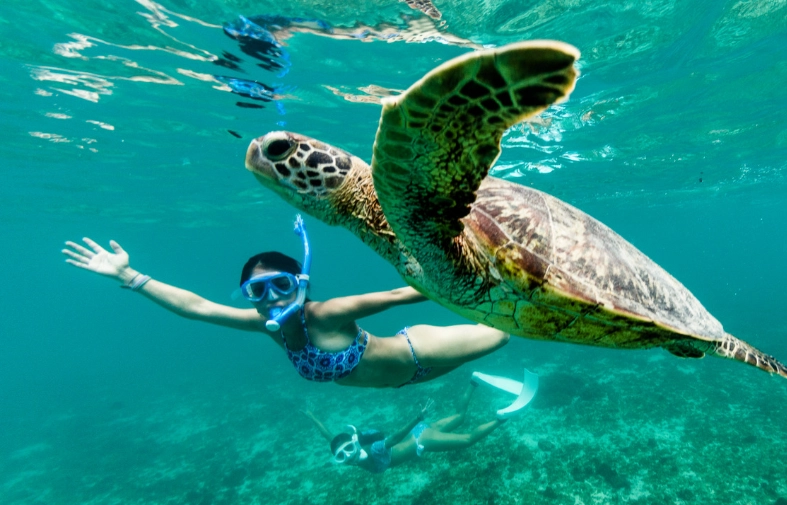
2. Ignoring the Environment
The Mistake: Focusing solely on the turtle and kicking the reef or standing on coral to get a better look.
The Problem: You're destroying the very habitat that supports the turtle. Coral is alive and grows painfully slowly. A single fin kick can break decades of growth.
The Fix: Master your buoyancy. When snorkeling, keep your body horizontal and use gentle, full-leg flutter kicks with your fins deep in the water column, not near the reef bottom.
3. Choosing the Cheapest, Most Crowded Tour
The Mistake: Booking the $50 "Turtle Snorkel Special" that packs 50 people on a boat.
The Problem: You'll spend more time avoiding other people's fins than watching turtles. The noise and commotion drive wildlife away. These operations often cut corners on environmental practices.
The Fix: Research. Look for operators with "eco-certifications," small group guarantees (e.g., "max 12 snorkelers"), and guides who emphasize education and rules. Read recent reviews mentioning turtle sightings and guide professionalism. Paying 20% more can mean a 200% better experience. Check if they support local conservation, like the State of the World's Sea Turtles (SWOT) initiative.
Your Questions, Answered
Swimming with sea turtles is more than a bucket-list checkmark. When done right, it’s a lesson in humility and coexistence. You’re not there to interact; you’re there to witness. You leave with memories of serene giants moving through their liquid world, and the quiet satisfaction of knowing you didn’t leave a negative mark on theirs. Do your research, choose responsibly, follow the rules, and that magical moment of shared space will find you.
Your comment