I still remember my first time—floating in the turquoise waters of Grace Bay, Turks and Caicos, when a massive green sea turtle glided right past me. It wasn't just a tourist moment; it felt like connecting with something ancient. If you're thinking about swimming with sea turtles in the Caribbean, you're in for a treat, but there's a lot more to it than just jumping in. Over the years, I've learned the hard way that a little planning goes a long way. Let's dive into everything you need to know, from where to go to how to do it responsibly.
What's Inside This Guide
- Where to Swim with Sea Turtles: Top 5 Caribbean Spots
- How to Prepare for Your Turtle Snorkeling Adventure
- Swimming with Turtles Responsibly: The Do's and Don'ts
- Planning Your Trip: A Sample 5-Day Caribbean Turtle Itinerary
- Common Mistakes to Avoid (From My Experience)
- Your Questions Answered: FAQ Section
Where to Swim with Sea Turtles: Top 5 Caribbean Spots
Not all Caribbean beaches are equal for turtle encounters. Some spots are overcrowded, while others offer pristine experiences. Based on my trips and local insights, here are the top places where you're almost guaranteed to see sea turtles.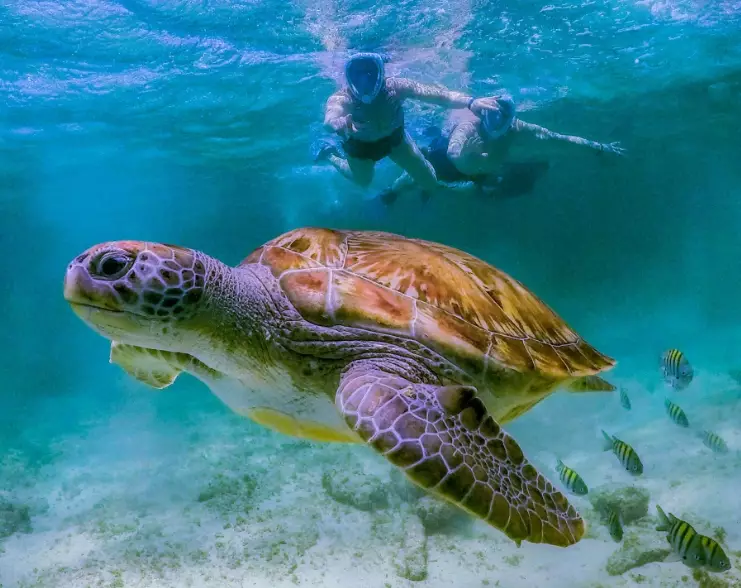
1. Smith's Reef, Turks and Caicos
This is a personal favorite. Smith's Reef is a shallow, protected area near Providenciales. You can snorkel right from the shore—no boat needed. I've spotted green and hawksbill turtles here year-round, but April to October is prime time. Entry is free, but parking can be tight. The reef is at Smith's Reef Road, Providenciales. It's open 24/7, but go early to avoid crowds. Water visibility often exceeds 100 feet.
2. Carlisle Bay, Barbados
Carlisle Bay in Bridgetown is a turtle hotspot. Local guides run tours daily from 9 AM to 4 PM, costing around $40-$60 per person. They often use eco-friendly boats and include snorkel gear. I've seen dozens of green turtles feeding on seagrass here. The bay is easily accessible, with public beaches nearby. For a DIY approach, try the area near the Barbados Cruising Club, but guides enhance the experience.
3. Bonaire Marine Park, Bonaire
Bonaire is a diver's paradise, but snorkelers love it too. The entire coast is a protected marine park. Head to Klein Bonaire, a small island off the main coast, where turtles are abundant. You'll need a boat tour ($50-$80) or a water taxi. The marine park requires a nature fee of $45 per year, which funds conservation. I've found hawksbills here even in November, making it a great off-season pick.
4. Trunk Bay, U.S. Virgin Islands
Trunk Bay on St. John is famous for its underwater snorkel trail. It's part of the Virgin Islands National Park. Entry fee is $5 per person, open 9 AM to 4 PM. I've seen sea turtles along the trail, especially near the coral formations. It can get busy, so arrive before 10 AM. The park's conservation efforts, like those highlighted by the National Park Service, help maintain turtle populations.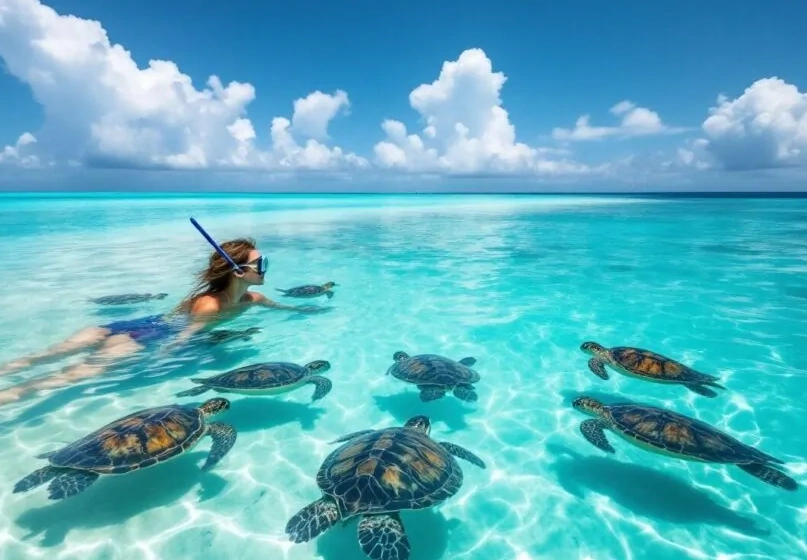
5. Akumal Bay, Mexico
Akumal means "place of the turtles" in Mayan, and it lives up to its name. Located in Quintana Roo, about 100 km south of Cancún, it's easily reachable by car or bus. The bay is shallow, perfect for beginners. However, it's regulated—you must snorkel with a certified guide ($25-$40) during designated hours (8 AM to 5 PM). I've had mixed experiences here; it's touristy, but the turtle numbers are impressive.
Quick Tip: Always check local regulations. Some areas, like Akumal, have strict rules to protect turtles, while others rely on voluntary guidelines. Ignoring this can lead to fines or harm to the ecosystem.
How to Prepare for Your Turtle Snorkeling Adventure
Preparation isn't just about packing a swimsuit. I've seen people show up with cheap gear and miss out on the magic. Here's what you really need.
Essential Gear
You don't need fancy equipment, but quality matters. A well-fitting mask prevents leaks—I learned this after fogging up my mask constantly. Snorkels with purge valves are easier for beginners. Fins help you move efficiently without kicking up sand. For sun protection, use reef-safe sunscreen (brands like Stream2Sea work well) to avoid harming marine life. A rash guard is better than sunscreen alone.
Rental vs. Bring Your Own: In places like Barbados, rentals are cheap ($10-$15), but if you're snorkeling multiple times, bring your own. I pack a lightweight snorkel set that fits in my carry-on.
Physical Preparation
Snorkeling is low-impact, but swimming in currents can be tiring. If you're not a strong swimmer, practice in a pool first. I recommend basic fitness—even a 20-minute swim a week helps. For older travelers or families, choose calm spots like Smith's Reef where currents are mild.
Booking and Logistics
Book tours in advance during peak season (December to April). For independent trips, research ferry schedules or car rentals. In Bonaire, for example, renting a pickup truck helps access remote snorkel sites. Check weather forecasts; Caribbean storms can pop up quickly.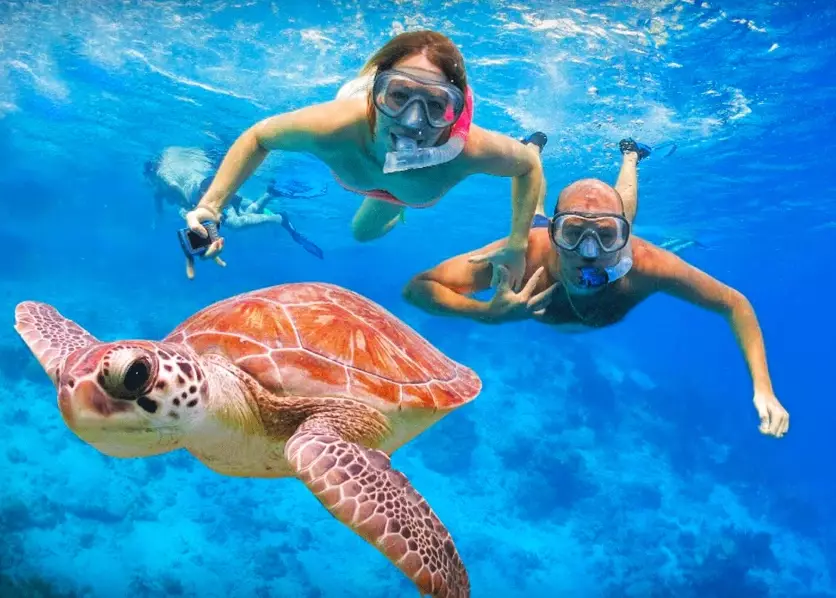
Swimming with Turtles Responsibly: The Do's and Don'ts
This is where most guides gloss over the details. Responsible encounters aren't just about not touching turtles—they're about minimizing your entire footprint.
Do: Maintain a distance of at least 10 feet. Float calmly and let turtles approach. Use a reef-safe sunscreen. Support local conservation efforts, like donating to the Sea Turtle Conservancy. Follow guide instructions; they know the animals' behavior.
Don't: Chase or corner turtles. I've seen snorkelers do this for photos, stressing the animals. Avoid flash photography; it can disorient turtles. Don't feed them—it alters natural diets. Never touch or ride turtles; it's illegal and damages their shells.
Why it matters: Sea turtles are threatened by habitat loss and pollution. According to the World Wildlife Fund, six of seven sea turtle species are endangered. Your actions can help or hurt their survival.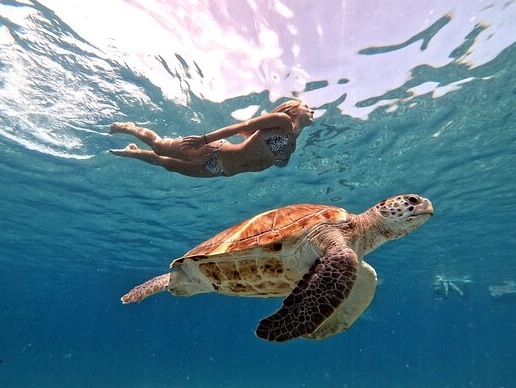
Planning Your Trip: A Sample 5-Day Caribbean Turtle Itinerary
Let's make this practical. Here's a itinerary I've used for a balanced trip, mixing turtle encounters with relaxation.
| Day | Location | Activities | Logistics |
|---|---|---|---|
| Day 1 | Providenciales, Turks and Caicos | Arrive, settle in. Afternoon snorkel at Smith's Reef. | Stay near Grace Bay. Rent a car for flexibility. |
| Day 2 | Turks and Caicos | Guided turtle tour with Eco Adventures (approx. $75). Visit local conservation centers. | Book tour in advance. Pack lunch. |
| Day 3 | Fly to Barbados | Travel day. Evening stroll on Carlisle Bay. | Direct flights available. Taxi to Bridgetown. |
| Day 4 | Barbados | Morning turtle snorkel with Barbados Blue. Afternoon explore Bridgetown. | Tours start at 9 AM. Cost around $50. |
| Day 5 | Barbados | Visit marine sanctuary, depart. | Check out by noon, flight in evening. |
Budget estimate: $1500-$2000 per person, including flights, mid-range hotels, and activities. Off-season travel (May to November) can cut costs by 30%.
Common Mistakes to Avoid (From My Experience)
I've made my share of blunders. Here are pitfalls to skip.
Overplanning: Don't cram too many spots. Turtles aren't on a schedule. I once rushed between three sites in one day and saw nothing. Pick one or two locations and spend quality time.
Ignoring Weather: Caribbean weather shifts fast. Check forecasts daily. On a trip to Bonaire, I ignored a small craft warning and ended up seasick. Lesson learned.
Skimping on Gear: That cheap mask from a tourist shop? It leaked. Invest in a decent set or rent from reputable shops.
Disregarding Local Rules: In Akumal, I saw a tourist snorkel without a guide and get fined $100. Rules exist for a reason—follow them.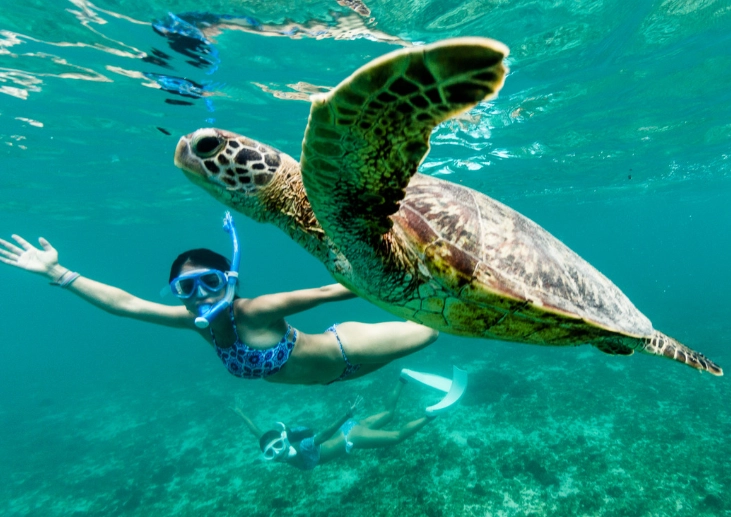
Your Questions Answered: FAQ Section
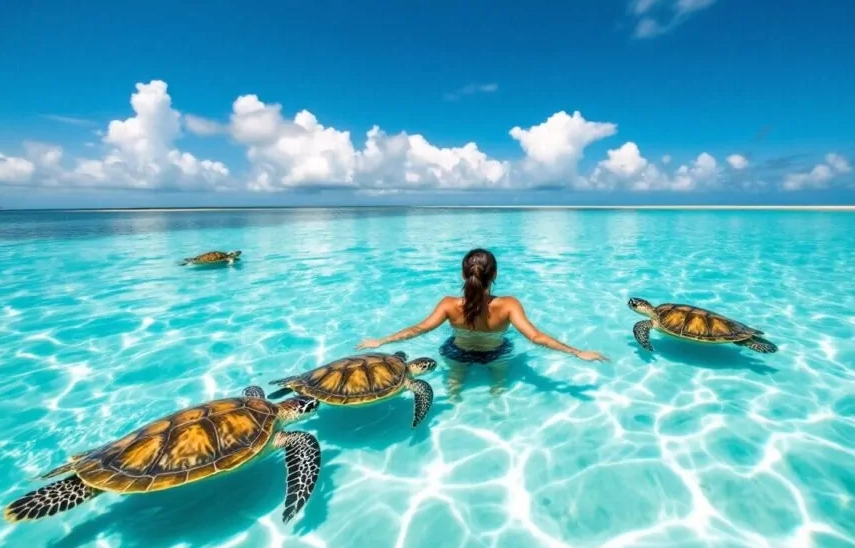
Swimming with sea turtles in the Caribbean is more than a bucket-list item—it's a chance to connect with nature responsibly. With the right prep and mindset, you'll create memories that last. Got more questions? Drop them in the comments, and I'll share from my decade of chasing these gentle giants.
Your comment