I still remember my first time. Off the coast of a tiny island in Malaysia, hovering over a seagrass bed, and then seeing it—a green turtle, the size of a coffee table, gliding up from the depths for a breath. It looked at me, I held my breath (and not just because I was snorkeling), and then it descended with a grace that felt ancient. That moment hooked me. It's a question I get asked constantly: where can I actually do this? The answer isn't just one place; it's a map of opportunities across the globe, each with its own character, rules, and magic.
Your Quick Guide to Turtle Adventures
Where Turtles Roam: A Global Primer
First, let's set expectations. You won't find sea turtles in every ocean corner. They're drawn to specific conditions: warm tropical and subtropical waters, healthy coral reefs or abundant seagrass beds for food (greens love seagrass, hawksbills prefer sponges on reefs), and sandy beaches for nesting. The seven species have overlapping ranges, but your most likely encounters will be with Green Turtles, Hawksbill Turtles, and sometimes Loggerheads.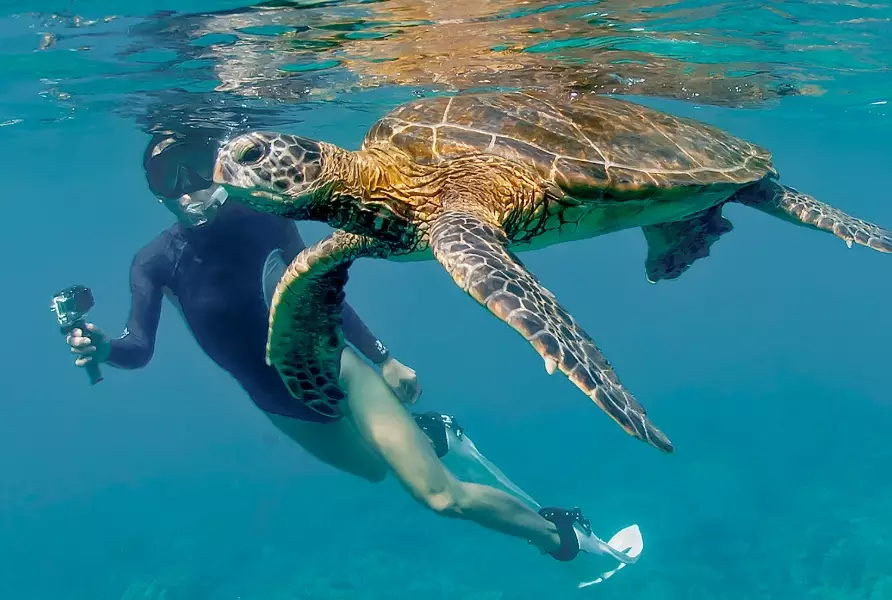
This means your search is concentrated between roughly 30° north and south of the equator. The Caribbean, the Coral Triangle (Indonesia, Malaysia, Philippines), the Red Sea, the Indian Ocean islands, and parts of the South Pacific are your prime hunting grounds. Forget cold water destinations.
A quick reality check: Finding turtles is never a 100% guarantee. They are wild animals. I've had days where I saw a dozen, and days where I saw none. The locations below significantly stack the odds in your favor, often because they're protected marine areas or key feeding grounds. Season matters too—nesting season (usually summer) means females are near shore, but in-water encounters might be restricted to protect them.
Top Countries & Can't-Miss Spots
This isn't just a list. It's a breakdown based on years of chasing flippers, talking to local guides, and understanding the vibe of each place. I'm skipping the overly generic suggestions to give you the spots where the experience feels authentic and the turtles are (relatively) reliable.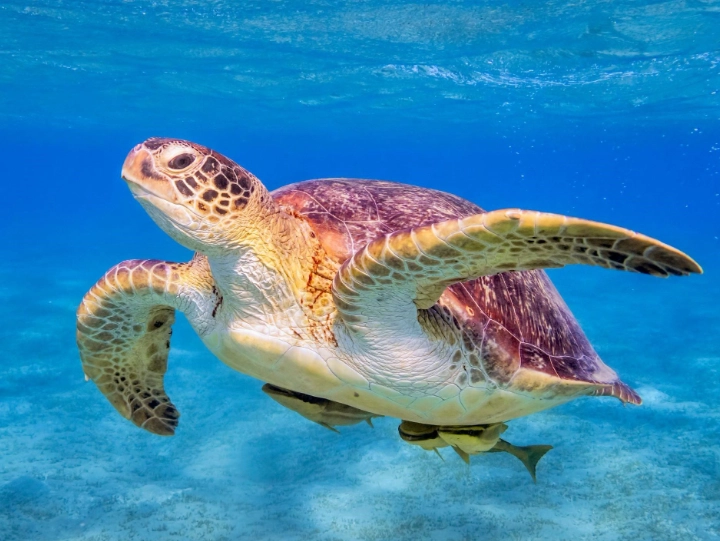
1. Costa Rica & The Caribbean Side
Costa Rica is a turtle powerhouse, but for swimming, head to the Caribbean coast. The place is Tortuguero—literally "Land of Turtles." While famous for nesting (Green turtles July-Oct, Leatherbacks Feb-July), the canals and coastal waters offer chances to see them swimming.
But here's a more accessible gem: The reefs around Cahuita National Park and Manzanillo. The water isn't always crystal clear like the postcards, but the reef is healthy and green turtles are common. You can snorkel from shore at Punta Uva or take a cheap boat tour from Puerto Viejo. It's low-key, less crowded than some islands, and you get the jungle-meets-ocean vibe. Expect to pay $30-$50 for a half-day guided snorkel trip. The best time for calm water and visibility is March-April and September-October.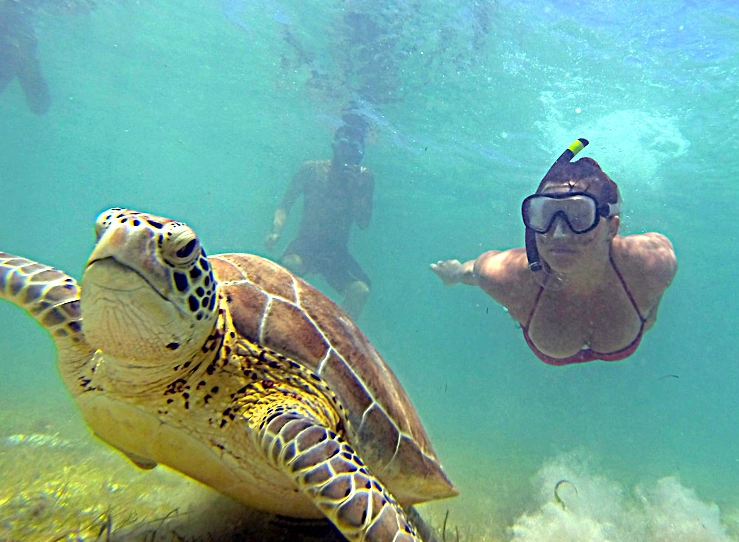
2. Egypt (The Red Sea)
The Red Sea is an underwater highway for marine life. For turtles, it's a hawkbill haven. The site Ras Mohammed National Park, near Sharm El Sheikh, is legendary. Sites like Shark Reef and Yolanda Reef almost always have several hawksbills grazing on the coral.
My pro tip: Don't just do a day trip to Ras Mohammed from a big resort. The best encounters happen on a liveaboard dive safari heading to the reefs of the Straits of Tiran (like Jackson Reef) or the remote islands of the Fury Shoals. You'll see turtles daily. A 7-day liveaboard starts around $1000. The season is year-round, but April-October offers the warmest, calmest waters. Hurghada and Marsa Alam are also great bases.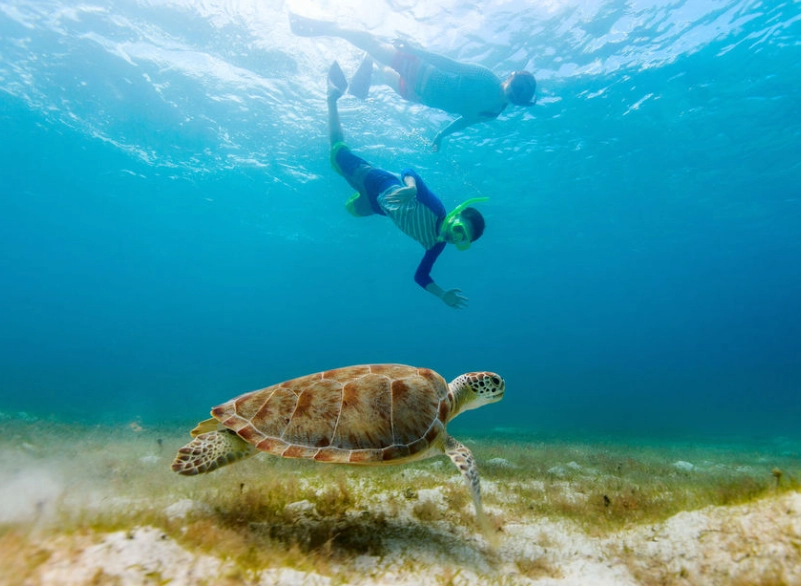
3. Malaysia (Borneo & The Perhentians)
East Malaysia, on the island of Borneo, is a hidden champion. Sipadan Island, off Sabah, is a marine protected area that requires a permit (limited to 120 divers daily). It's not cheap or easy to get to, but it's a guaranteed turtle frenzy—often seeing dozens on a single dive. You must stay on nearby islands like Mabul or Kapalai and book a package. Expect to spend $500+ for a 3D/2N diving package.
For a more backpacker-friendly option: The Perhentian Islands on the east coast of Peninsular Malaysia. The snorkeling off Teluk Pauh beach on Perhentian Kecil is shockingly good for turtles. I've floated above three greens munching seagrass in water so shallow my knees almost touched the bottom. It's affordable, the vibe is relaxed, and the turtles are there most days. Go during the dry season (April-September).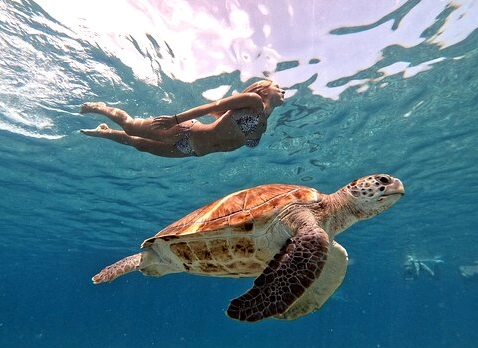
4. Greece (Mediterranean Surprise)
People forget the Mediterranean has turtles! The loggerhead turtle (Caretta caretta) calls it home. The major hotspot is Zakynthos (Zante), specifically Laganas Bay, which is a protected nesting ground. Swimming with them here is heavily regulated—you cannot approach nesting beaches, but boat trips to the marine park often find turtles swimming in the bay.
The crucial detail: You must go with a licensed operator approved by the National Marine Park. They know the rules: no chasing, no touching, engines off when turtles are near. A 3-hour turtle spotting boat trip costs about €25-35. Season is May to October, with peak nesting in June/July. It's a different, more conservation-focused experience than the tropical free-for-all.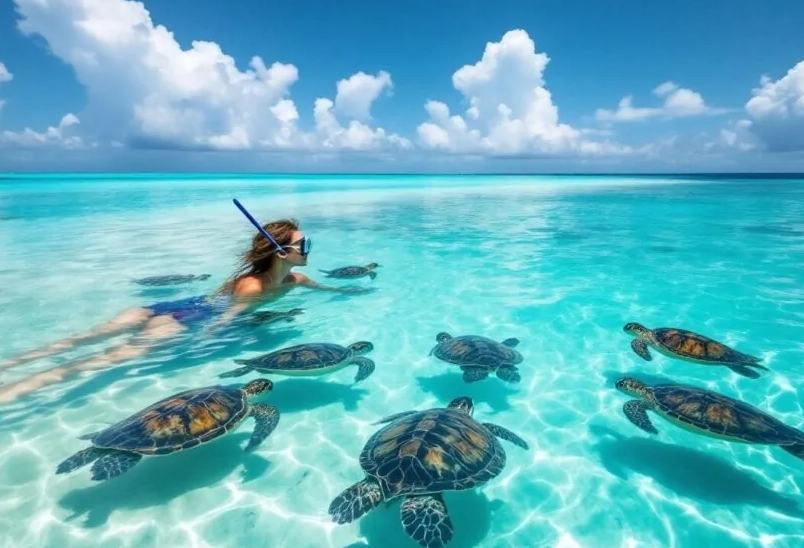
How to Swim With Turtles (The Right Way)
This is where most blogs fail. They tell you where, but not how. Doing it wrong stresses the animal and ruins the experience for everyone. Here's the non-negotiable guide from someone who's seen too many tourists mess it up.
- Do Not Chase. This is the biggest sin. You'll never outswim a turtle. You scare it, it leaves. Instead, float calmly and let it come to you or pass by. If it wants to leave, let it.
- Absolutely No Touching. Your hands have oils, sunscreen, and bacteria. Touching their shell or skin can damage their protective biofilm and make them sick. It's also illegal in most places.
- Maintain a 2-Meter Distance. Give them space. Use your zoom lens.
- Never Block Their Path to the Surface. They need to breathe. If one is swimming up, get out of the way.
- Check Your Sunscreen. Use ONLY reef-safe, mineral-based sunscreen (zinc oxide/titanium dioxide) that is biodegradable. Chemicals in regular sunscreen bleach coral and harm marine life. Pack it from home, as it can be expensive or hard to find locally.
- Control Your Buoyancy. If you're diving, perfect your buoyancy to avoid crashing into the reef. If snorkeling, don't stand on coral or seagrass.
An encounter where the turtle is calm and going about its business is worth ten where it's fleeing from you.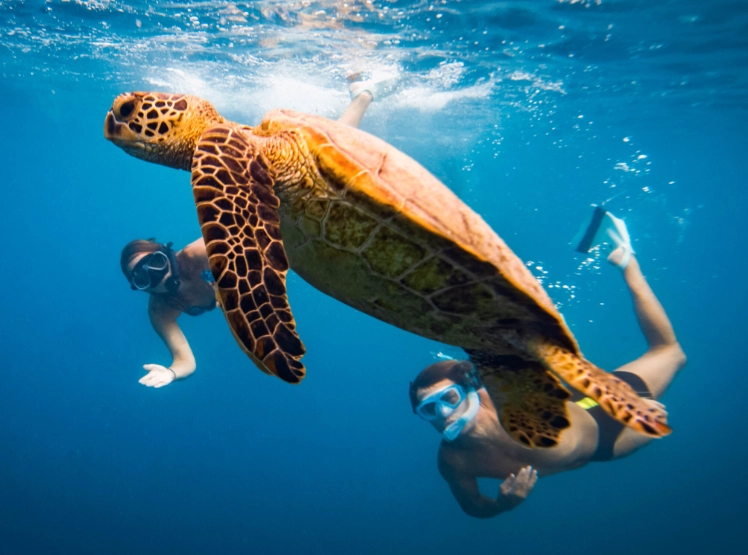
Your Turtle Swimming Questions, Answered
Let's get into the nitty-gritty—the stuff you're actually typing into Google at 2 AM while planning this trip.
The world is full of places where you can share the water with these ancient mariners. It’s a privilege, not a theme park ride. Pick a destination that matches your skills, budget, and travel style. Do your homework on responsible practices. And when you finally see that turtle emerge from the blue, remember you’re a visitor in its home. That perspective alone will make your experience infinitely richer.
Now go find your spot.
Your comment