That moment—when you're floating in clear blue water and a sea turtle glides past, completely unbothered by your presence—is pure magic. It's not just a vacation photo op; it feels like a brief connection with a prehistoric, peaceful world. I've been lucky enough to have this experience in a few corners of the globe, and let me tell you, not all turtle encounters are created equal. Some feel like a crowded theme park, others are so pristine it takes your breath away.
If you're dreaming of this, you're asking the right question: where can you actually go? The answer isn't just one place. It's a handful of specific beaches, bays, and reefs where the conditions are just right for both turtles and humans to share the water safely. More importantly, it's about knowing how to do it right.
What's in This Guide?
The Top Spots for Swimming with Sea Turtles
Forget vague regions. Let's talk specific, swimmable locations. These are places where sightings are reliable, access is (relatively) straightforward, and the experience is memorable for the right reasons.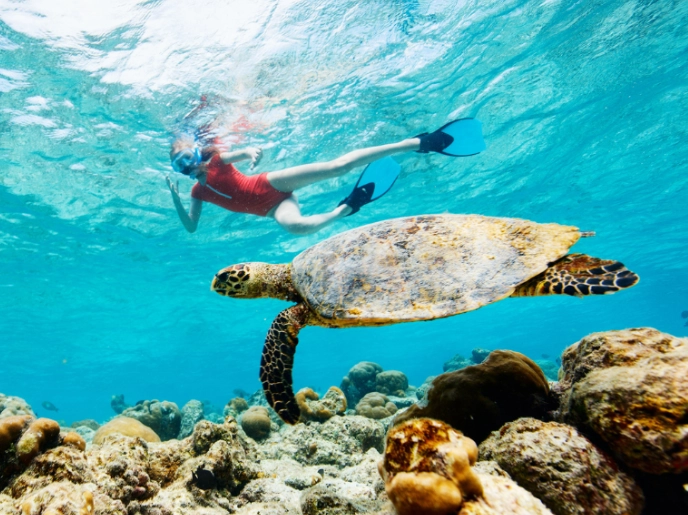
1. Laniakea Beach ("Turtle Beach"), North Shore, Oahu, Hawaii
This might be the most accessible, guaranteed turtle encounter on the planet. Green sea turtles (Honu) regularly haul out on the sand here to bask. You'll see them from the shore, which is incredible. For swimming, you can snorkel in the nearby reef areas. The vibe is casual—park along the highway, walk down, and you're there.
Pro Tip: Go on a weekday morning. Weekends get packed with tourists, and the volunteers who protect the turtles have a harder time managing the crowd. Respect the ropes and signs—they're there for the turtles' health.
2. Tortuguero, Costa Rica
Tortuguero means "Land of Turtles." While famous for night-time nesting tours on the beach (a must-do), you can also swim with them in the canals. Booking a guided kayak or boat tour is the way to go. You'll paddle through serene jungle waterways, and often see turtles popping up for air. It's less of a "swim alongside" experience and more of an immersive observation in their habitat. The nesting season (July-October for greens) is the peak time to visit.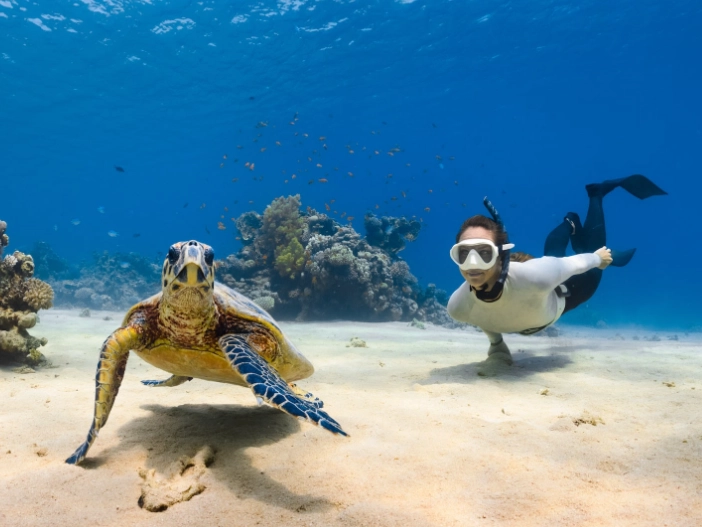
3. The Great Barrier Reef, Australia
This is the big league. Six of the world's seven sea turtle species live here. Heron Island or Lady Elliot Island are eco-resorts right on the reef where turtles nest on the beach, and you can walk from your room to snorkel with them. It's not cheap, but it's an all-in-one, minimal-travel paradise. For divers, sites like "The Bommie" at Heron Island are legendary turtle cleaning stations.
4. Akumal Bay, Mexico
Akumal means "Place of the Turtles" in Mayan. It's a sheltered bay with seagrass beds that green turtles love to munch on. Because it's so popular, there are now regulations. You often need to go with a licensed guide if you want to snorkel in the main turtle area, which honestly improves the experience—they'll keep groups orderly and educate you. You can still swim freely off parts of the public beach and might get lucky.
| Destination | Best Time to Visit | Primary Turtle Species | Experience Style | Cost Guide (Tours) |
|---|---|---|---|---|
| Oahu, Hawaii (North Shore) | Year-round (Summer calmer waters) | Green Sea Turtle | Beach spotting & casual snorkeling | Free (public beach) to $100+ for guided snorkel |
| Tortuguero, Costa Rica | July - October (nesting peak) | Green, Leatherback, Hawksbill | Canal kayaking/boating & night nesting tours | $50 - $80 for canal/kayak tour |
| Great Barrier Reef, Aus | November - March (warmer water) | Green, Loggerhead, Hawksbill | Resort-based snorkeling & diving | $$$ (Resort stay, day trips $200+) |
| Akumal Bay, Mexico | May - September | Green Sea Turtle | Guided snorkeling in protected bay | $30 - $60 for guided snorkel tour |
| Gili Islands, Indonesia | April - November (dry season) | Hawksbill, Green | Easy snorkeling off the beach | Very cheap ($10-$20 for gear rental) |
A quick note on the Gili Islands (Indonesia): they deserve an honorary mention. Gili Trawangan has a spot called "Turtle Point" where hawksbills are commonly seen just a short swim from shore. It's super accessible, but the coral isn't what it used to be. Still, for a cheap, easy Southeast Asia backpacker-style turtle encounter, it's a classic.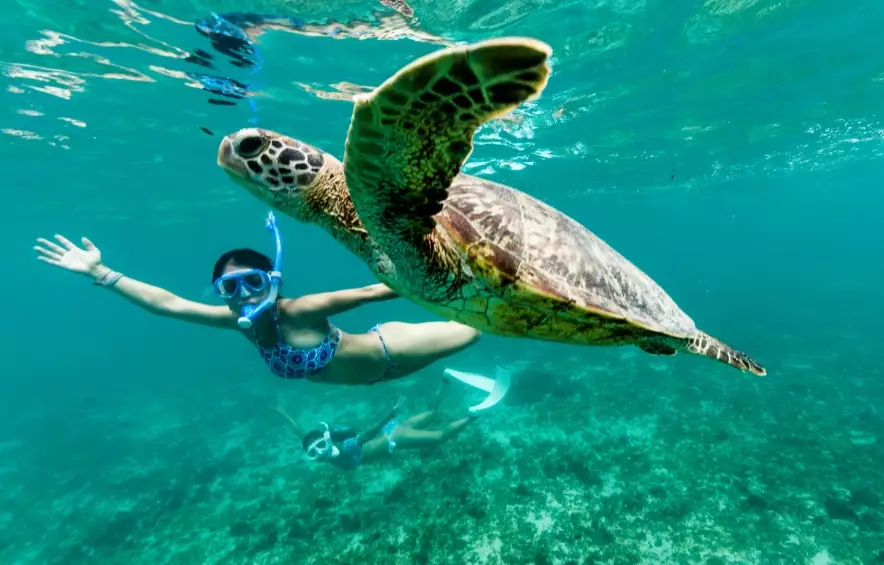
How to Pick Your Perfect Turtle Destination
Choosing where to go isn't just about pinning a map. It's about matching the experience to your travel style, budget, and expectations. Most blogs just list places. Let's break down the decision factors.
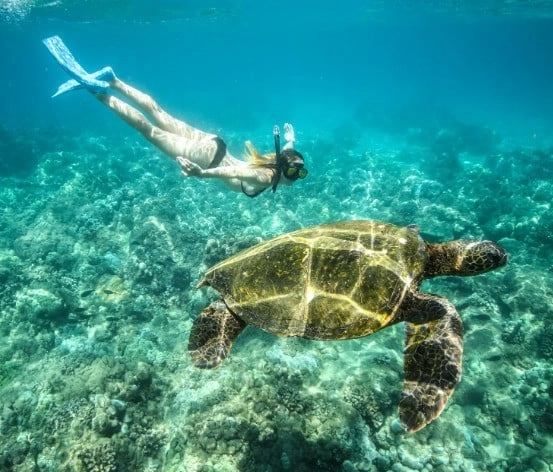
Snorkeling vs. Diving: Are you a certified diver? If yes, you unlock more remote, less crowded sites. Think Sipadan in Malaysia (a permit-limited paradise) or specific deep reef walls in the Caribbean. If you're a snorkeler, focus on calm, shallow bays with seagrass or easy reef access—Hawaii, Akumal, the Gilis.
Seasonality & Animal Behavior: Turtles aren't always there. In many places, they're more common in warmer months. But "common" isn't guaranteed. Research nesting seasons for your target location—turtles are abundant near nesting beaches during those times. The Sea Turtle Conservancy website is a goldmine for this data.
Travel Logistics & Budget: A trip to the Great Barrier Reef is a major international journey. A trip to Hawaii or Mexico might be simpler (and cheaper) for North Americans. Consider flight costs, internal transfers (Tortuguero requires a boat ride), and accommodation. The "cost guide" in the table above is just for tours—factor in the whole trip.
Here's a personal take: I loved the raw, wild feel of Tortuguero, but if I'm being honest, the actual in-water interaction was minimal. For that pure, face-to-face snorkeling moment, a calm morning at a Hawaii beach cove was unbeatable. It was just me, a friend, and a curious turtle for a good ten minutes. No guides, no boats. That's the magic you're hunting for.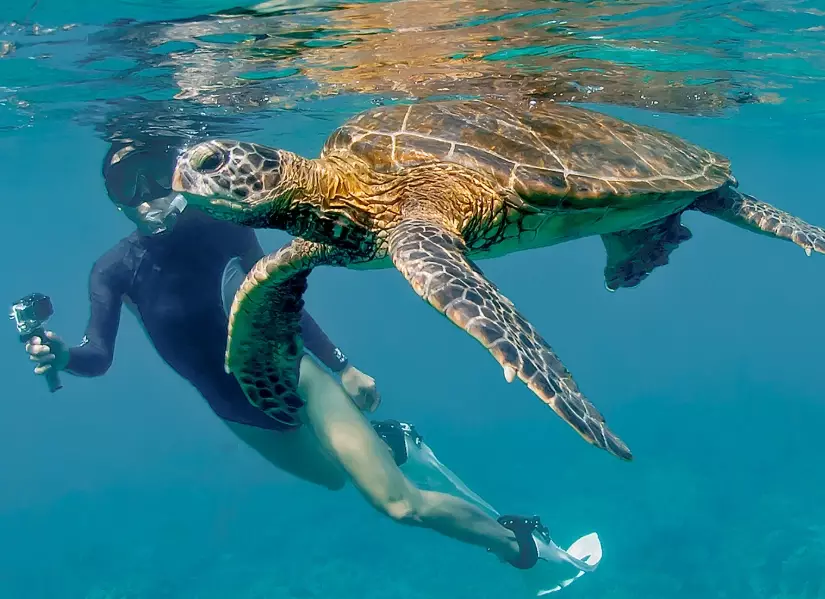
How to Swim with Sea Turtles (Without Being "That" Tourist)
This is the part most people gloss over, and it's the most important. I've seen people do dumb, stressful things to turtles because they just didn't know better. Let's fix that.
- Distance is everything. Give them space. A good rule is 10 feet (3 meters). If the turtle starts swimming away from you, you're too close. Full stop.
- Never, ever touch them. Not their shell, not their flipper. The oils on our skin can damage their protective coating and make them susceptible to disease. It's also illegal in many places and will get you yelled at by guides (rightfully so).
- Don't chase or corner them. Move slowly and let them control the interaction. Float calmly. If they're coming toward you, hold your position and breathe slowly. They're curious creatures.
- Be mindful of your fins. Kicking up sand destroys visibility and can smother the reef. It also scares wildlife. Practice good finning technique—slow, steady kicks from the hip.
- Reef-safe sunscreen only. Chemicals like oxybenzone bleach and kill coral, destroying turtle habitat. Pack a mineral-based sunscreen (zinc oxide/titanium dioxide). It's non-negotiable. Places like Hawaii and parts of Mexico actually ban the bad stuff.
Choosing a tour operator? Ask them direct questions: "What is your policy on approaching wildlife?" "Do you support any local conservation projects?" A good operator will have clear rules and be proud of their conservation ties.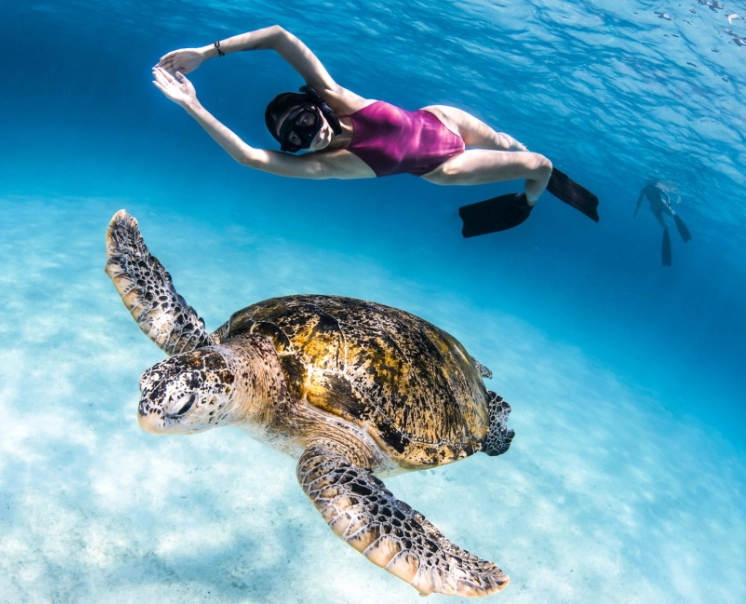
Your Sea Turtle Adventure Questions, Answered
Which destination is best for families to swim with sea turtles?
Is it better to swim with sea turtles in the morning or afternoon?
Do I need a scuba diving certification to swim with sea turtles?
How can I ensure my sea turtle swim is ethical and doesn't harm them?
Your comment